
Square Scarf Guide: Choose Your Size, Fabric, and Fold
A scarf folded for a product photograph can hide its proportions: a long rectangle may look square until you check the measurements. This square scarf guide explains how to choose equal-sided fabric, compare materials, estimate the room a fold needs, and check the finished fit. At Buddha Stones, we recommend starting with dimensions and your intended fold before choosing a pattern.
A square scarf has four equal sides. Fold it diagonally for a triangle, or turn that triangle into a band. Those two starting shapes help you decide how much fabric you need.
Start with these questions
- What should the scarf cover? A small neck accent, a head covering, and a shoulder drape require different amounts of fabric.
- Which fold will you use? A triangle spreads fabric across an area; a narrow band stacks it into layers.
- Where will the knot sit? Allow enough length for tying and for the ends you want to leave visible.
- What clothing will surround it? A raised collar or close neckline leaves less space for folded fabric.
- How much care suits your routine? Read the care label before choosing a fabric that needs particular washing or drying methods.
Square scarf guide: choose size before pattern
Compare both measurements on a product page. Equal dimensions indicate a square; a much longer measurement paired with a narrow width indicates a rectangle. A tube-shaped neck gaiter is another construction altogether. Its flat measurements do not describe a square sheet you can unfold.
As general shopping references, squares around 50 cm on a side suit small accents, those around 70 cm allow more folding choices, and those around 90 cm provide more fabric for larger triangles. These are starting points, not fit promises. Fabric thickness, the knot, and the area you intend to cover all change the result.
To judge size before buying, cut or fold paper to the advertised dimensions and lay it flat beside a shirt or jacket. Use an existing piece of fabric for a tying trial; paper will not show how a knot behaves. Mark the desired side length with temporary folds rather than assuming a familiar scarf has the same proportions.
If the fabric reaches around the intended area but leaves almost nothing for tying, choose a larger square or a fold that needs less length. Avoid making the knot tighter to compensate.
Compare fabric and construction together
Fiber content is one part of the decision. Weave, knit structure, thickness, and surface finish also influence how a scarf folds. Two scarves with the same fiber label can form very different knots.
For a narrow neck band, look for fabric that folds into several layers without creating more bulk than your collar allows. For a broad triangle, consider how much structure you want: a crisp fabric holds a defined edge, while a more fluid fabric hangs in softer folds. Photographs can suggest these differences, but a material name alone cannot establish them.
Silk, cotton, polyester, and viscose are common scarf materials. Do not treat the fiber name as a complete care instruction or a guarantee of a particular feel. Check the stated composition and garment label, especially if your intended style involves frequent knotting.
Check the fold against your neckline
Choose one likely way to wear the scarf before comparing several sizes. Otherwise, a large square can seem necessary simply because it offers more fabric, even when that extra fabric makes your preferred knot bulky.
- Make the starting triangle. Bring opposite corners together and align the edges. Keep the fold loose enough to adjust.
- Choose coverage or a band. Keep the triangle broad for coverage, or fold from its point toward the long edge to create a strip.
- Position the ends. Set the fold against your chosen neckline and check where both ends fall before tying.
- Tie loosely and inspect. Check that the knot sits where intended, the collar lies properly, and the ends stay clear of zippers.
A fold changes which part of the pattern shows. A border may become the main detail in a narrow band, while a central motif can disappear inside it. For a square with a design you want visible, plan the fold around that area before deciding where to place the knot.
Care for the scarf you actually choose
Follow the care label attached to the scarf. When shopping, check care requirements before assuming a familiar fiber can use your usual laundry cycle. Trim and construction can change the instructions.
Untie knots before storage and let the scarf dry completely after any permitted washing. Avoid pulling a stubborn knot by its ends; loosen individual folds instead. Keep pins and jewelry edges from catching the fabric. If ironing is permitted, follow the label's temperature guidance and check any instructions for decorative details.
Our scarf options when a different shape suits
The following Buddha Stones products offer alternatives if your decision points lead to a long scarf or a neck gaiter. None is a square scarf, so choose them for their stated form rather than for square-specific triangle folds.
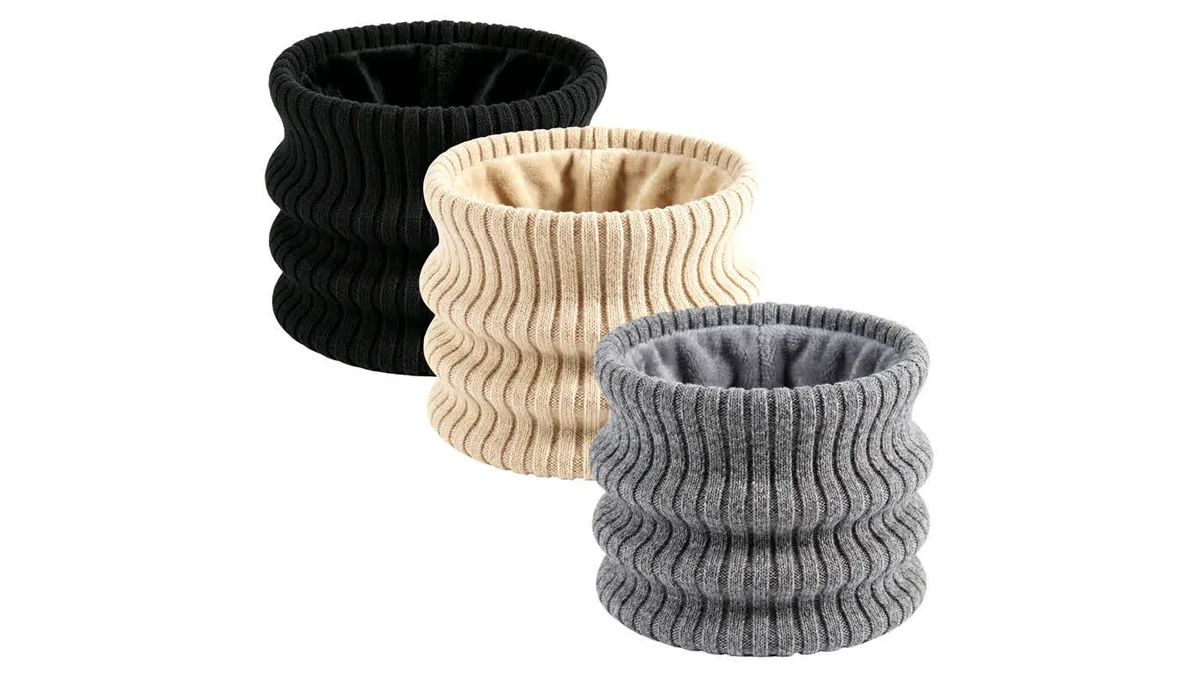
For a neck gaiter, consider the Buddha Stones Winter Ribbed Knit Fleece Lined Neck Gaiter Men's Scarf. Its material is polyester, and its size is Approx. 26 cm × 22 cm / 10.2 in × 8.7 in. Color options include Beige, Black, Crimson, and Navy.
The Buddha Stones Fall Winter Classic Black Gray Check Wrap Men's Scarf is polyester and measures Approx. 180 cm × 30 cm / 70.8 in × 11.8 in. Choose between Big Check and Mini Check. Its rectangular proportions belong in a comparison of long scarves.
If you are comparing fiber content, the Buddha Stones Fall Winter Classic Charcoal Stripe Fringe Men's Scarf is viscose. Its size is Approx. 180 cm × 30 cm / 70.8 in × 11.8 in, with Beige, Black, Maroon, and Peru options.
The polyester Buddha Stones Fall Winter Classic Check Pattern Soft Knit Commuter Men's Scarf has dimensions of Approx. 30 cm × 180 cm / 11.8 in × 70.8 in. Options include Beige Gray, Black Brown, Blue Gray, and Gray. Check the option name as well as the product title when choosing.
FAQ
How can I tell if a scarf is square online?
Find two equal side measurements. A photograph of folded fabric cannot confirm the shape. If dimensions or construction are unclear, resolve that before choosing a fold that depends on a square.
Can a rectangular scarf use square scarf folds?
Some band folds transfer, but diagonal triangle folds produce different proportions. Choose a rectangle for long ends and lengthwise folds; choose a square when you need equal-sided fabric.
What if the knot looks too bulky?
Unfold it and try a wider band or a simpler knot. If excess fabric still crowds the collar, compare a smaller square or thinner construction while keeping enough length to tie loosely.
Shop the story
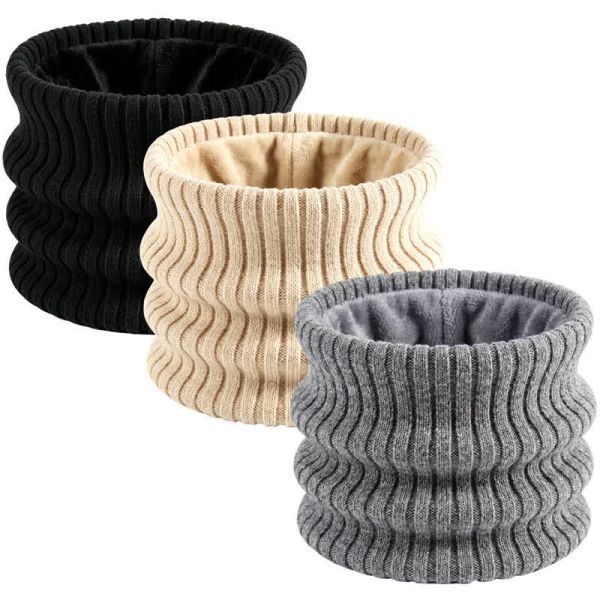 Buddha Stones Winter Ribbed Knit Fleece Lined Neck Gaiter Men's ScarfAs low as $17.59 Regular Price $24.43
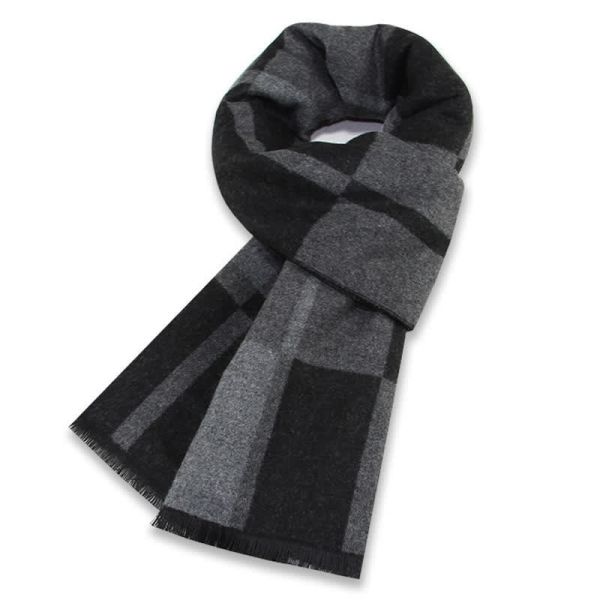 Buddha Stones Fall Winter Classic Black Gray Check Wrap Men's ScarfAs low as $21.59 Regular Price $28.79
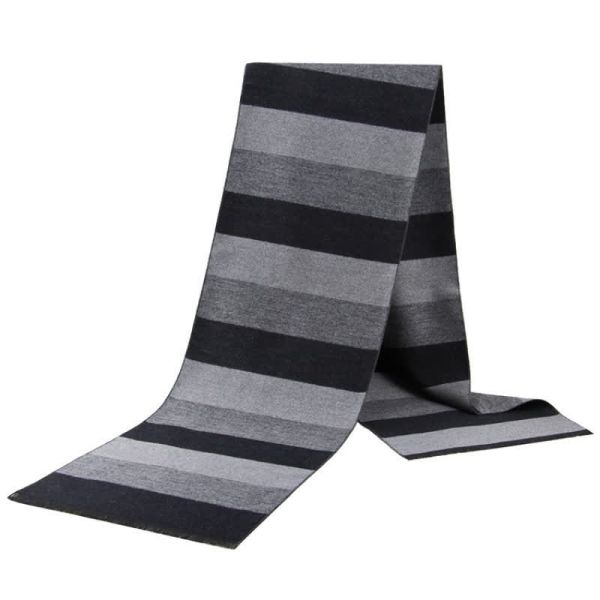 Buddha Stones Fall Winter Classic Charcoal Stripe Fringe Men's ScarfAs low as $21.59 Regular Price $30.41
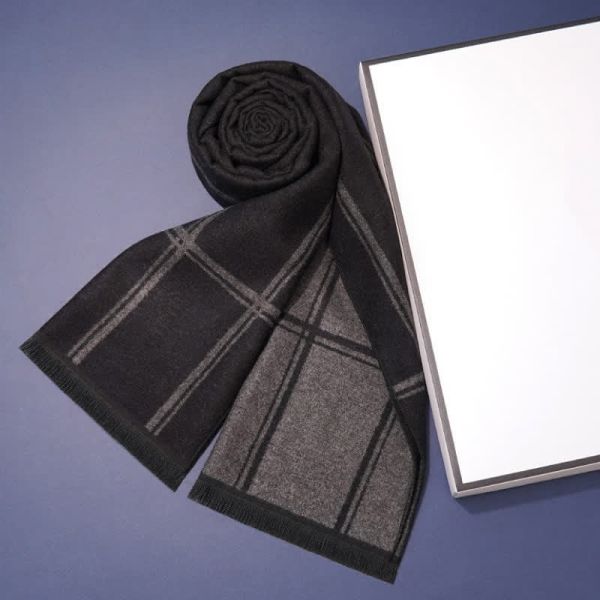 Buddha Stones Fall Winter Classic Check Pattern Soft Knit Commuter Men's ScarfAs low as $18.59 Regular Price $26.18