
Sodalite Care: A Practical Manual for Everyday Use
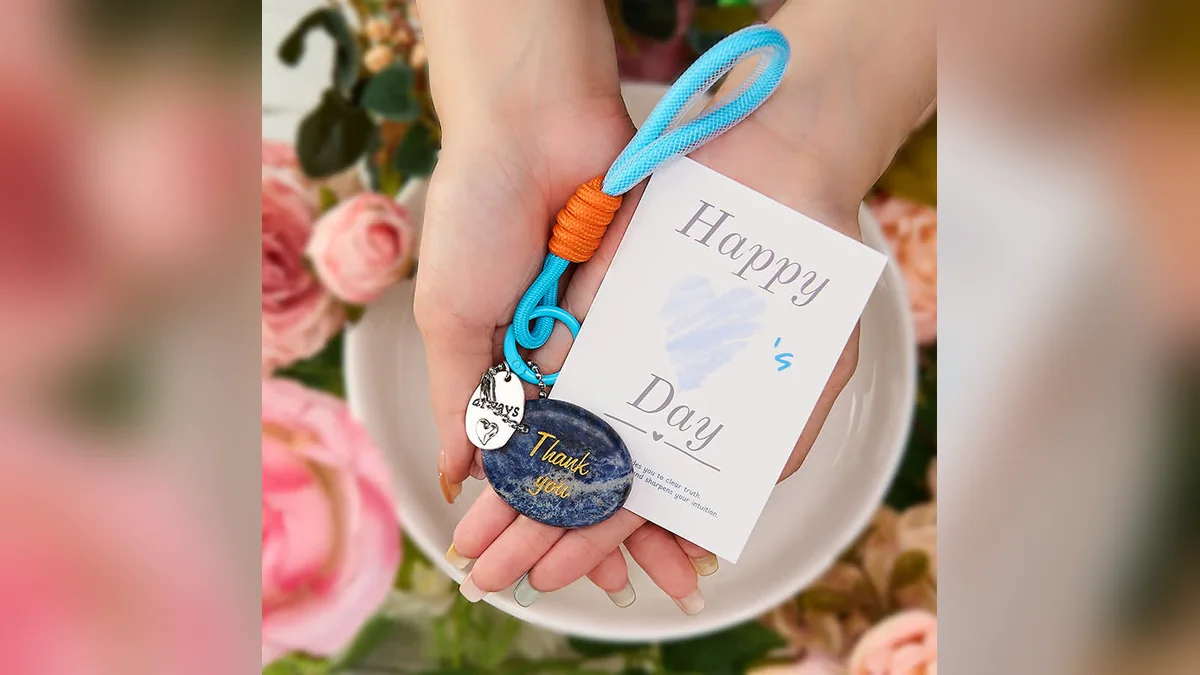
Dust can collect between sodalite beads and around the parts that hold them together. Sodalite care means removing surface dirt gently, drying the piece, checking its fastenings, and putting it away without unnecessary friction. This manual explains how to do those jobs for bracelets and key chains, avoid common cleaning mistakes, and recognize when repairs are needed. At Buddha Stones, we recommend considering the complete construction before choosing a cleaning method.
Tools and materials for a gentle wipe
Prepare a clean workspace away from an open sink. Spread a towel across the surface so a loose bead or dropped bracelet has somewhere soft to land. You will need:
- A clean, soft, lint-free cloth for removing dust.
- A second cloth that you can lightly dampen with lukewarm water.
- A dry towel for blotting and supporting the piece afterward.
- A small amount of mild liquid soap, reserved for marks that water alone cannot remove.
- A separate pouch or lined compartment for storage.
Keep brushes, polishing compounds, and household cleaning sprays outside this setup. A cloth gives you control around small beads and attachments without requiring vigorous scrubbing. Check that it has no grit caught in its folds before beginning.
A step-by-step sodalite care routine
- Inspect before adding moisture. Place the piece on the towel and look for chipped edges, loose connections, worn string, or a clasp that does not close properly. Turn it gently to view the underside. If something appears unstable, stop cleaning and address that problem first; wiping should not become a test of how much strain a connection can withstand.
- Lift away loose dust. Use the dry cloth with light pressure. Work around the stone surfaces and accessible metal areas, changing to a clean section of cloth as needed. Support a bracelet in your hand rather than letting it dangle while you pull along it. Hold a key chain by the section being cleaned instead of tugging against its rope.
- Spot-clean only where necessary. Lightly dampen the second cloth and squeeze it until it no longer drips. Wipe a dirty area briefly, keeping water away from knots and openings where possible. If an oily mark remains, try a little diluted mild soap on a discreet area first. Stop if color transfers or the surface changes. Do not apply concentrated soap directly to the piece.
- Remove any soap residue. Use a clean section of cloth dampened with plain water. Repeat gently until no slippery film remains. Avoid running the entire bracelet or hanging decoration under a faucet: the aim is to clean the affected surface while limiting moisture around its other components.
- Blot and allow time to dry. Press a dry cloth against accessible surfaces without twisting the string or pulling on attachments. Rest the piece on a dry towel at room temperature. Leave it unpacked until the stone, cord, and spaces around fittings are dry. Do not speed this up with a hair dryer, radiator, or sunny windowsill.
- Check again before storage or use. Confirm that the clasp closes, attachments remain secure, and no thread has caught on the cloth. Put the piece in its own compartment or pouch, with enough room that nothing presses hard against it. Avoid packing a damp cleaning cloth beside it.
A brief dry wipe after handling is a useful default. Bring out the damp cloth when visible dirt calls for it; there is no need to wet the piece simply because a certain number of days has passed.
What not to do between cleanings
Do not soak the assembled piece. A bracelet or key chain can combine stone, metal, string, knots, and fastenings. Treating it as a single washable object overlooks those different components. Remove jewelry before showering, swimming, washing dishes, or using household cleaners.
Skip ultrasonic machines and steam cleaning for these mixed constructions. Avoid abrasive powders, toothpaste, bleach, acidic household mixtures, and metal dips. A treatment intended for one component may be unsuitable for another, so do not try to polish attached metal with a product that could spread onto beads or cord.
During use, keep a hanging decoration from being trapped in a door or zipper. Avoid pulling an elastic bracelet sharply over your hand, and open a clasp before removing a clasp bracelet. Put jewelry on after lotions and fragrances have dried. When storing a key chain with keys, arrange the stone section so the keys do not continually scrape across it.
When to repair, replace, or retire a piece
Take a piece out of use if you notice a sharp chip, a loose attachment, a clasp that opens unexpectedly, or string that is visibly frayed. Elastic that remains stretched after removal also deserves attention. These are construction issues; repeated wiping will not correct them.
A worn cord does not automatically mean the stone must be discarded. A jewelry repair professional can assess whether restringing or replacing a fastening is practical. Keep any detached parts together in a small container, and explain where the failure occurred. Avoid an improvised glue repair that could obscure the connection or spread onto the stone.
Retire the piece from wearing or carrying if a secure repair is not feasible. An intact section can be kept in a stationary display, provided it has no exposed sharp edges. Do not hang it by the same weakened connection.
Our sodalite products: match care to construction
A rope-based thank-you decoration
Our Thank You Gifts Natural Sodalite Key Chain combines sodalite, rope, and copper alloy. Its length is about 4.72 in (12 cm). Include the rope and attachment points in your inspection, and support the decoration while wiping instead of drawing the cloth down against a suspended string.
A small-bead bracelet with a clasp
The Sodalite Faceted Cylinder Accent Bracelet is an option in a design also offered in amethyst, amazonite, and strawberry quartz. Specifications give a secure clasp, wrist circumference of 5.9–7.1 in (15–18 cm), and bead size of approx. 4 × 2 mm. Use the clasp for removal and a folded cloth edge around the small beads.
A numbered hanging decoration
Our 666 Angel Number Natural Sodalite Key Chain uses sodalite, rope, and copper alloy, with a length of about 4.72 in (12 cm). Keep its rope out of standing water during cleaning. Before hanging it again, check the attachment rather than relying on the appearance of the stone alone.
An elastic-string bracelet option
The Black Obsidian Sodalite Copper Couple Bracelet offers several stone combinations, including Black Obsidian&Sodalite. Its band uses premium elastic string, and available inner circumferences are 15cm, 16cm, 17cm, and 18cm. Consult the fit information for the selected size; avoid compensating for a tight fit by repeatedly stretching the string.
Make the next cleaning straightforward
Keep your cloths clean, give damp components time to dry, and address loose connections before returning a piece to use. Consistent sodalite care depends on gentle handling and timely inspection. A short check while putting a bracelet or key chain away can identify a worn fastening before it becomes a lost part.
Shop the story
 Buddha Stones Thank You Gifts Natural Sodalite Calm Key Chain Hanging DecorationSpecial Price $25.59 Regular Price $35.54
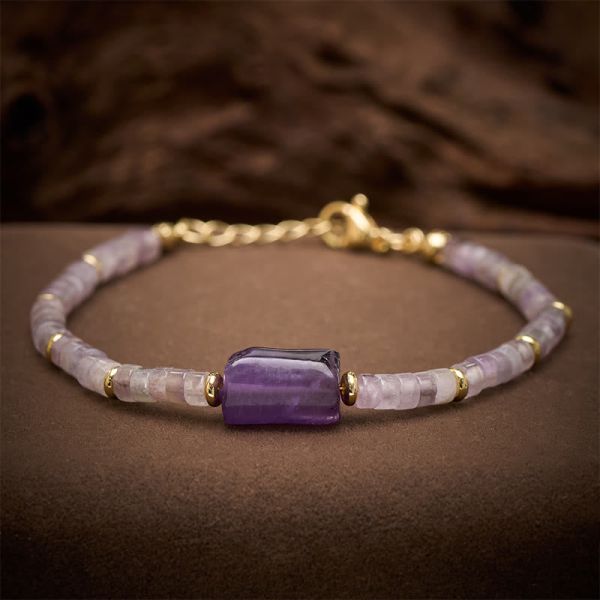 Buddha Stones Amethyst Amazonite Strawberry Quartz Sodalite Truth Faceted Cylinder Accent BraceletAs low as $25.59 Regular Price $35.05
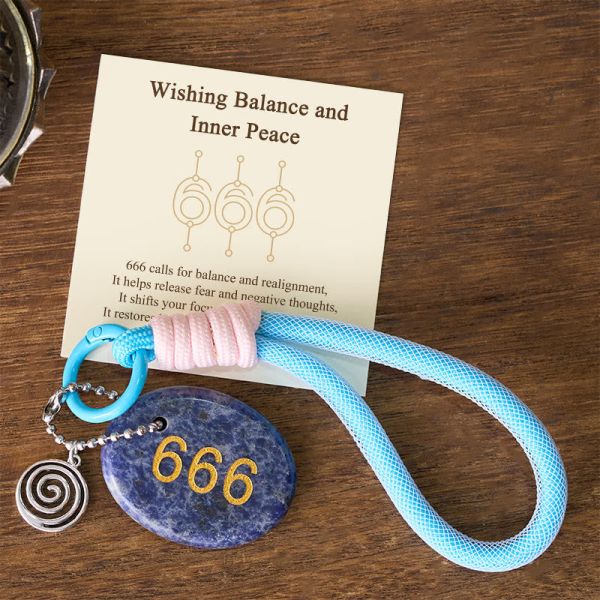 Buddha Stones "Wishing Balance and Inner Peace" 666 Angel Number Natural Sodalite Key Chain Hanging Decoration Includes Gift Message CardSpecial Price $25.59 Regular Price $36.04
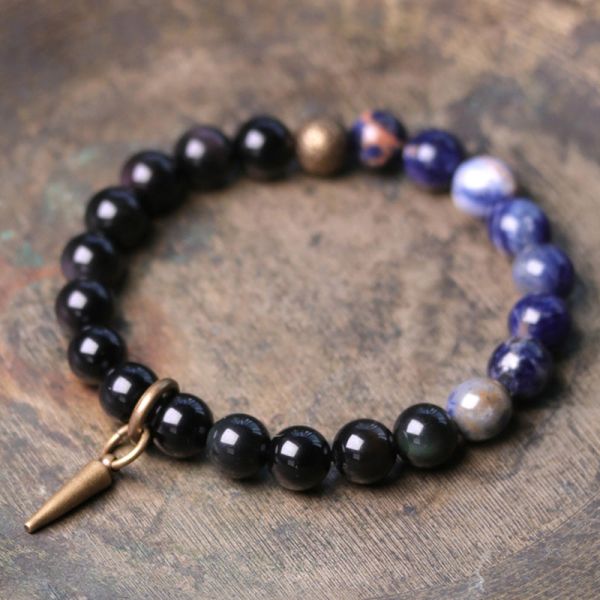 Buddha Stones Black Obsidian Sodalite Crystal Copper Strength Couple BraceletAs low as $42.59 Regular Price $59.99