
Singing Bowl Meaning: A Manual for Care and Use
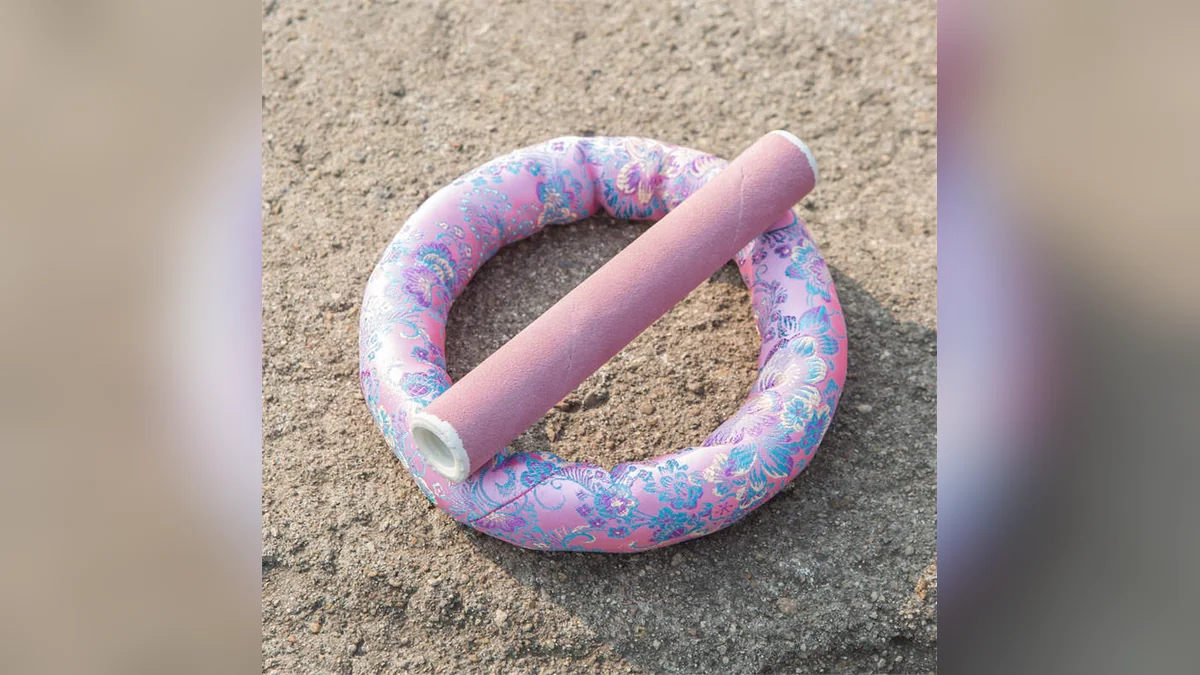
Dust collects around a singing bowl's rim between uses. Wiping it away is also an opportunity to check the bowl, its support, and its striker before playing. In practical terms, singing bowl meaning concerns the role of its sound in a practice: a tone can mark the beginning, a pause, or the end of a meditation period. That role comes from context and intention, rather than a promised result.
This manual focuses on preparing, handling, cleaning, and storing a bowl, with clear reasons to replace an accessory or stop using a damaged vessel.Tools and materials to prepare before handling
Clear a level surface with enough room to move your hand around the bowl without touching nearby objects. Keep the bowl away from the edge. Prepare these items before lifting it:
- A support ring or suitable bowl cushion that sits steadily on the surface.
- The mallet supplied with your bowl, or a replacement confirmed as suitable for it.
- A clean, soft cloth for wiping away dust.
- A second cloth lightly dampened with plain water for surface cleaning.
- A dry cloth and a clean storage location.
Keep cleaning cloths separate from cloths used for furniture polish or household sprays. Residue can transfer even when a cloth looks clean. Check the support for grit, loose stitching, or distortion before placing the bowl on it. Do not assume that a cushion fits simply because the bowl can balance on top.
A step-by-step routine from inspection to storage
-
Inspect before moving. Look over the rim, outer wall, and base in good light. Check for chips, cracks, or loose fragments. Examine the mallet's contact surface as well. If something appears damaged, set the item aside instead of playing it to investigate further.
-
Position the support. Place the ring or cushion flat, then lower the bowl onto its center. Use both hands to support the bowl from beneath as you move it. Avoid carrying it by the rim or holding other accessories inside it during the move.
-
Choose the sound's place in your routine. Decide whether a tone will mark an opening, a transition, or a closing. One deliberate cue is enough for that purpose. You do not need repeated strikes to give the sound significance, and a personal routine does not need to imitate a formal ceremony.
-
Begin with light contact. Use the appropriate mallet and start gently, following your bowl's playing directions. Keep the support still. If the bowl shifts, the mallet catches, or the sound becomes a repeated rattle, stop and inspect the setup. Increasing force is not a useful first response.
-
Let the tone finish. Leave the bowl on its support while the sound fades. Put the mallet down separately so it cannot roll into the vessel. Before moving the bowl again, clear its destination and make sure your hands are clean and dry.
-
Wipe, dry, and put away. Remove loose dust gently. Use the damp cloth for remaining surface marks without saturating the bowl. Follow with a dry cloth and allow remaining moisture to dry before packing. Store the bowl somewhere clean and dry, with accessories positioned so they cannot knock against it.
Cleaning need not become a long procedure after every use. Inspect first and clean according to what you find. A dusty surface calls for gentle wiping; a crack calls for stopping.
What not to do during cleaning or use
Do not soak the crystal bowls described below. Their care instructions warn against immersion because of possible chipping and discoloration. Use a cloth to control where water goes, rather than placing the vessel under a running faucet.
Our care directions for these bowls also exclude detergents containing acids, ethanol, lipids, or chlorides. Avoid steel wool and other abrasive scrubbers. If plain water does not remove a mark, leave it rather than experimenting with stronger cleaners, scraping tools, or polishing compounds.
Keep strikes controlled and prevent collisions with nearby objects. Do not stack bowls together without suitable separation, and do not leave a mallet loose inside a bowl during transport. A carrying bag does not remove the need to prevent impacts.
Separate symbolic interpretation from product care. A color, name, or sound does not establish a special cleaning method. Follow the instructions for the particular item instead of treating smoke, salt, oils, or prolonged sunlight as maintenance steps.
When to replace an accessory or retire the bowl
A support deserves replacement when it no longer holds the bowl steadily, has split, or has loose material that interferes with placement. Replace a mallet if its contact surface becomes damaged, detached, or rough enough to scrape. Confirm compatibility before choosing a substitute; matching appearance alone is insufficient.
Stop playing a bowl with a crack, chip, or loose fragment. Do not run a finger along a damaged edge or strike the bowl to check whether it still sounds acceptable. Sound alone cannot establish that a damaged vessel is suitable for continued use.
A change in sound can also begin with a shifted support or worn mallet. Inspect those parts before deciding that an intact bowl needs replacement. There is no fixed retirement date supplied for the products below. Base the decision on condition. If a damaged bowl cannot be displayed without exposed edges or further breakage, retire it from display too.
Products for assembling a care-and-use setup
Choose according to the support, accessories, and dimensions you need. The details below distinguish an accessory package from bowl packages.
A separate cushion accessory
The Crystal Singing Bowl Handcraft Cushion Ornament Decoration uses Satin Cloth and fits bowl diameters of 8 IN (20.3CM) - 10 IN (25.4CM). Its stated weight is 150g. The package contains one Leather Stick and one Hand Sewn Non-Dampening Pillow; a singing bowl is not included.
An OM bowl with a support ring
Our OM Crystal Sound Bowl comes in 8 IN (20.3CM), 9 IN (22.8CM), and 10 IN (25.4CM) diameter options. The specified material is White Crystal (Dye), and the package includes one handmade meditation crystal bowl, one mallet, and one rubber ring. Protection in the full name expresses a traditional wish, not a guarantee.
A candy-color bowl option
The Tibetan Crystal Sound Bowl in Candy Colors has a diameter of 8 IN (20.3CM), a height of 5.90IN (15CM), and a stated weight of 2000g. Its material is White Crystal (Dye). Color options include Lavender, LightGreen, LightSkyBlue, LightYellow, Orchid, Pink, and Yellow. One bowl, one mallet, and one rubber ring are included.
A bowl package with a bag
The Tibetan Crystal Sound Bowl With Bag offers 8 IN (20.3CM), 9 IN (22.8CM), and 10 IN (25.4CM) diameter options in White Crystal (Dye). Its package contains one handmade meditation crystal bowl, one mallet, one Hand Sewn Non-Dampening Pillow, one rubber ring, and one bag. Check the selected option before arranging storage space.
Singing bowl meaning in a repeatable practice
Give the sound a clear role, then keep the handling consistent: inspect the vessel, settle its support, play gently, and put it away clean and dry. Respect for the object can be expressed through these ordinary actions. When wear appears, respond to its condition rather than trying to preserve a routine at the expense of careful handling.
Shop the story
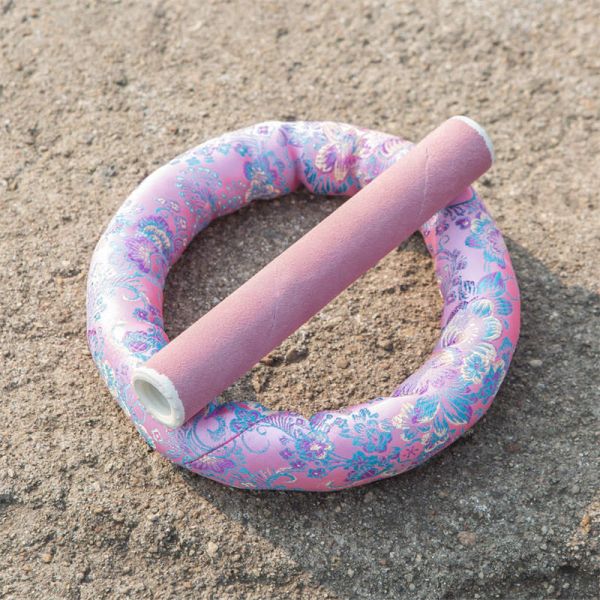 Crystal Singing Bowl Handcraft Cushion Ornament DecorationSpecial Price $59.59 Regular Price $81.63
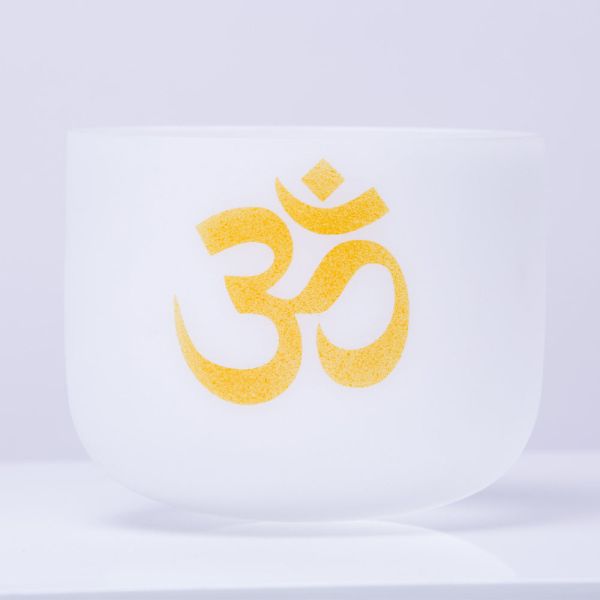 OM Crystal Sound Bowl Meditation Handcrafted for Mindfulness and Protection Singing BowlAs low as $336.59 Regular Price $461.08
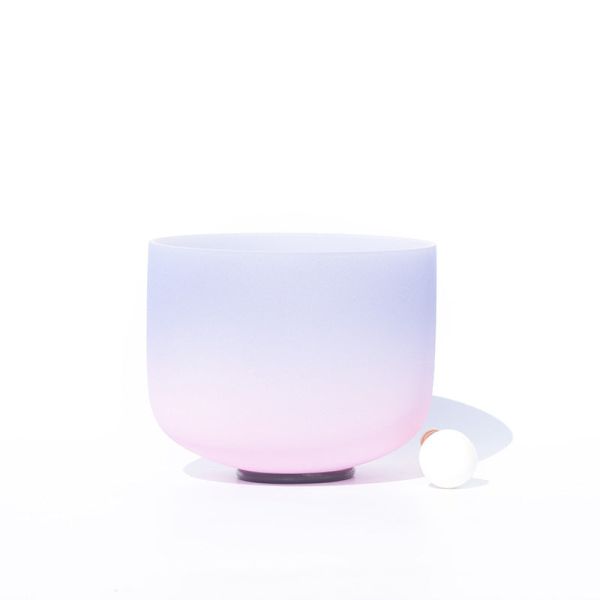 Tibetan Crystal Sound Bowl Candy Color Handcrafted for Yoga and Mindfulness Meditation Singing BowlAs low as $299.59 Regular Price $427.99
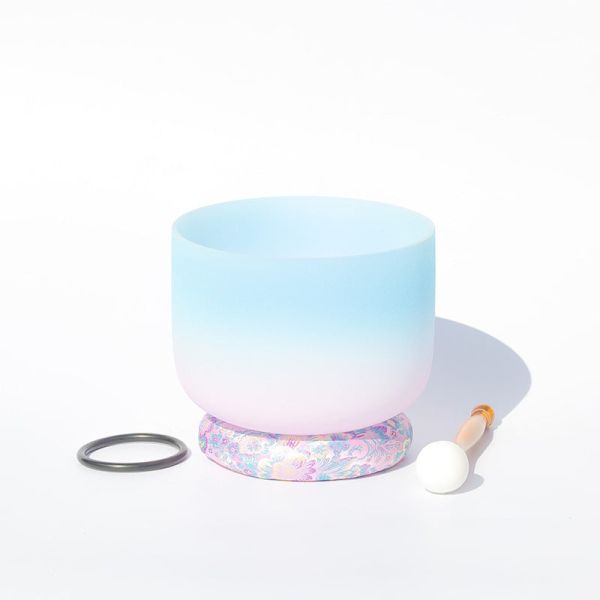 Tibetan Crystal Sound Bowl Handcrafted for Yoga and Meditation Singing Bowl With BagAs low as $359.59 Regular Price $521.14