
Singing Bowl Care: A Manual for Cleaning and Storage
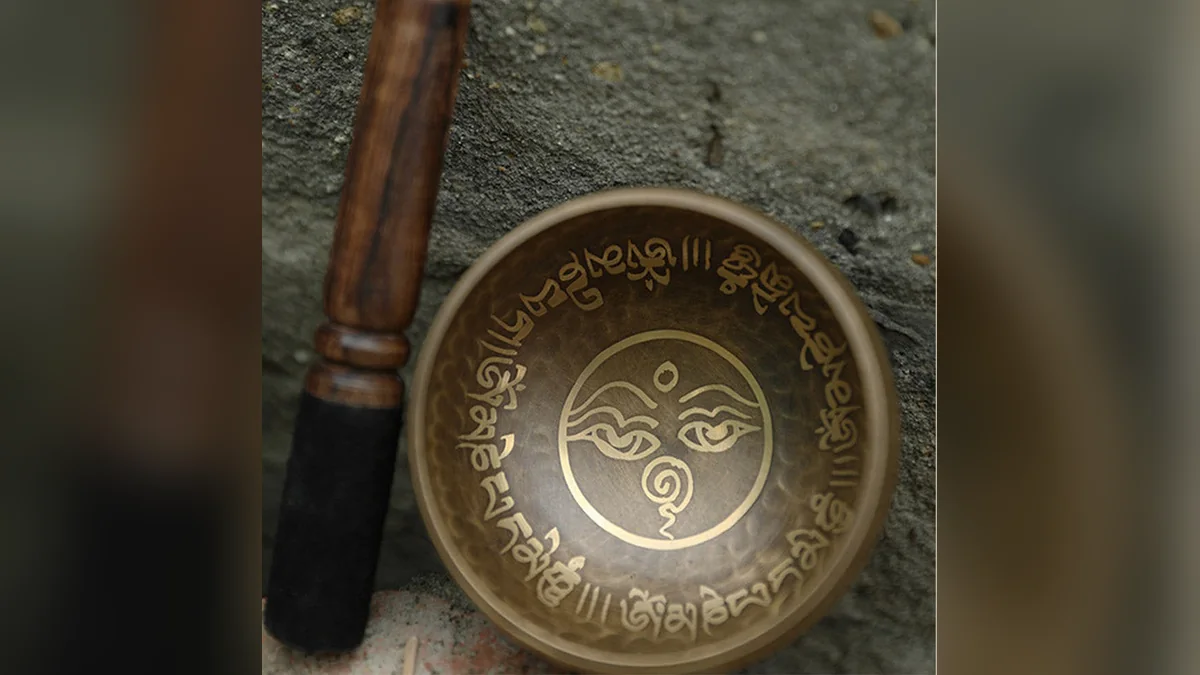
Fingerprints often remain on a singing bowl after it is handled. Singing bowl care means removing loose dust, cleaning according to the bowl’s instructions, drying it thoroughly, and checking its condition before use. This manual explains what to keep nearby, how to work through a simple cleaning routine, and when a worn bowl or accessory needs attention.
At Buddha Stones, we recommend starting with the directions for your particular item. A copper bowl and a fabric cushion need separate attention; permission to wipe the bowl with water does not establish washing instructions for its accessories.
Tools and materials to keep beside the shelf
Prepare a clear, stable work surface before moving the bowl. Keep drinks, incense ash, and loose objects away from that area so you can set the bowl down without knocking something against it.
- A clean, soft cloth: Use this to lift loose dust without scrubbing the surface.
- A second cloth for drying: Keep it dry and free of grit, polish residue, or cleaning chemicals.
- Plain water, if permitted: For the copper bowl described below, the supplied instructions allow wiping with a wet rag or cloth.
- The item’s care directions: Refer to these before introducing a cleaner or washing an accessory.
Check the cloth itself before starting. A trapped grain of grit can scratch as you wipe. Replace a dirty cloth rather than pressing harder to make it work.
A step-by-step singing bowl care routine
- Separate the bowl and accessories. Lift the bowl from its cushion and set the mallet aside. Support the bowl securely while moving it. Do not carry the arrangement by the cushion or leave the mallet loose inside the bowl.
- Inspect before cleaning. Look around the rim, inside the bowl, and across the base in good light. Check for cracks, chips, loose fragments, or an uneven resting position. If you find structural damage, stop here and set the bowl aside.
- Remove loose dust first. Wipe lightly with the clean, dry cloth. Work around the interior and exterior without scraping at marks. Lift the bowl to reach underneath instead of dragging its base across the work surface.
- Wipe only where needed. When the bowl’s directions permit water, wet a separate cloth and wring it out so it does not drip. Pass it gently over fingerprints or surface dirt. For our copper bowl, follow the supplied wet-cloth instructions and do not immerse it.
- Dry before reassembly. Use the dry cloth on the inside, outside, rim, and base. Check the lower edge for remaining moisture. Return the bowl to its cushion only when both surfaces are dry.
- Check the support and mallet. Remove loose dust from the cushion gently with a dry cloth. Look for split seams, flattened areas, or anything that makes the bowl unstable. Inspect the mallet for loose parts or rough contact surfaces before using it again.
- Put the set away securely. Choose a dry, clean location away from shelf edges. Keep accessories beside the bowl so they cannot knock against it during storage. For transport, wrap pieces separately and prevent movement inside the container.
Repeat the inspection before use and clean when dust or handling marks appear. There is no need to scrub a bowl on a fixed schedule when it is already clean. If a mark persists after a permitted gentle wipe, stop and seek material-specific advice before trying another method.
What not to do when marks remain
Do not soak the copper bowl. Its care instructions specifically warn against immersion because of possible chipping and discoloration. A damp cloth gives you control over where water goes; a sink full of water does not.
Avoid steel wire balls, abrasive pads, scouring powders, and scraping tools. Do not assume a household metal polish is suitable for an unfamiliar finish. For the copper bowl, our supplied directions also prohibit detergents containing acidic ingredients, ethanol, lipid, or chloride.
Do not chase an even shine by rubbing one spot repeatedly. A surface mark alone does not tell you which cleaning treatment is appropriate. Avoid chemical experiments with vinegar, alcohol, or mixed household cleaners.
Keep water-based bowl cleaning separate from cushion care. The stated fabric material does not establish that a cushion is machine washable, suitable for soaking, or safe in a dryer. Use accessory-specific instructions before doing more than gentle dry dusting.
When to replace an accessory or retire a bowl
A cushion needs replacement when it no longer holds the bowl securely, has an opening that exposes loose material, or cannot sit evenly. Choose its replacement by the stated bowl-fit range, then check that the bowl rests securely before use.
Stop using a mallet if its head or handle is loose, a contact surface has split, or a rough edge could scrape the bowl. Do not compensate for worn equipment by striking harder.
Retire a bowl from playing if you find a crack, chip, or loose fragment. Keep it aside until its condition has been assessed. Do not attempt a glued repair and resume striking it. A new rattle or changed sound is a reason to pause and inspect the bowl, support, and mallet; it does not establish the cause by itself.
Bowl and cushion details from our range
A copper bowl with a mallet
Our Tibetan Sound Bowl Set is copper, with a diameter of 3.54IN (9CM) and a weight of 270g. The package contains one handmade meditation bowl and one mallet. Its care directions specify a dry, clean storage location, wet-cloth cleaning, no soaking, and avoiding bumps or crashes.
A polyester cushion with size options
The Buddha Stones Tibetan Singing Bowl Handcraft Cushion is polyester and comes in random color options. Its 8cm diameter option fits an 8cm-9.5cm diameter singing bowl. The 12cm option has a height of 3cm and fits an 11cm-13cm diameter singing bowl. Match the selected option to its own fit guidance.
A felted wool cushion
The Buddha Stones Tibetan Singing Bowl Felted Wool Cushion has diameter options of 10cm, 15cm, 20cm, 24cm, 28cm, and 40cm. The 10cm option is 1.5cm thick and fits an 8cm-9.5cm diameter singing bowl. Other options have their own thicknesses and fit ranges.
A satin cloth cushion package
The Crystal Singing Bowl Handcraft Cushion Ornament is satin cloth, weighs 150g, and fits bowl diameters of 8 IN (20.3CM) - 10 IN (25.4CM). The package includes one Leather Stick and one Hand Sewn Non-Dampening Pillow. These specifications describe the accessory package.
Leave the bowl ready for its next use
Finish with a dry bowl, a secure resting place, and accessories checked for wear. Keep the care directions with the set so the next cleaning decision starts with the right information. Gentle handling, prompt drying after permitted wiping, and a pause when damage appears make a practical routine you can repeat without adding unnecessary products or steps.
Shop the story
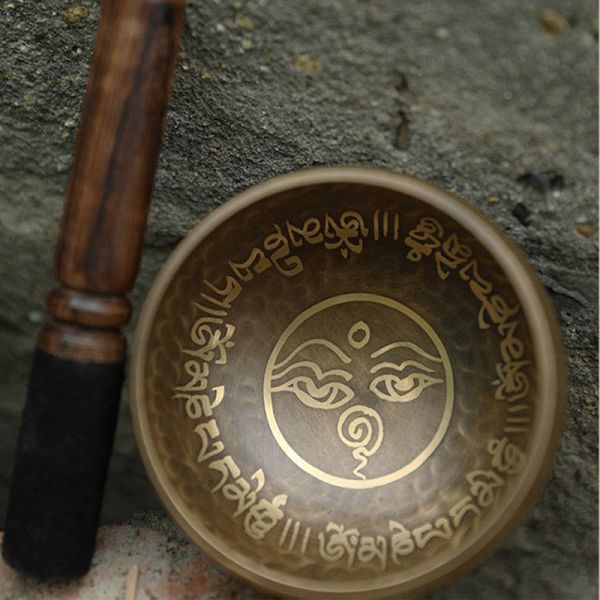 Tibetan Sound Bowl Handcrafted for Yoga and Meditation Singing Bowl SetSpecial Price $58.59 Regular Price $82.52
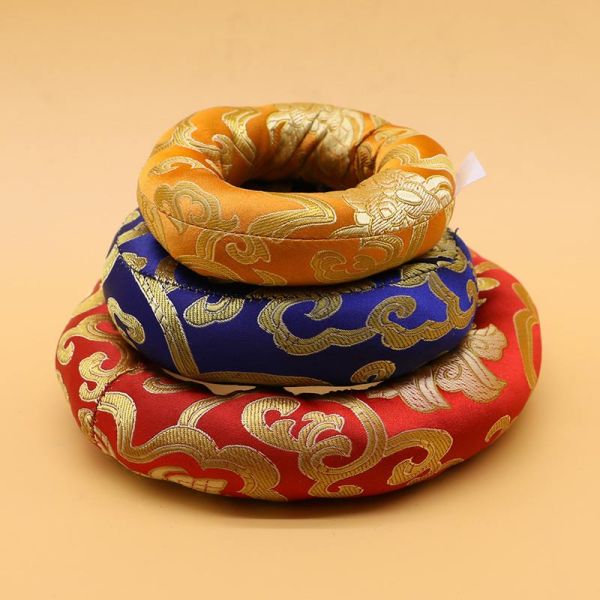 Buddha Stones Tibetan Singing Bowl Handcraft Cushion DecorationAs low as $16.59 Regular Price $23.37
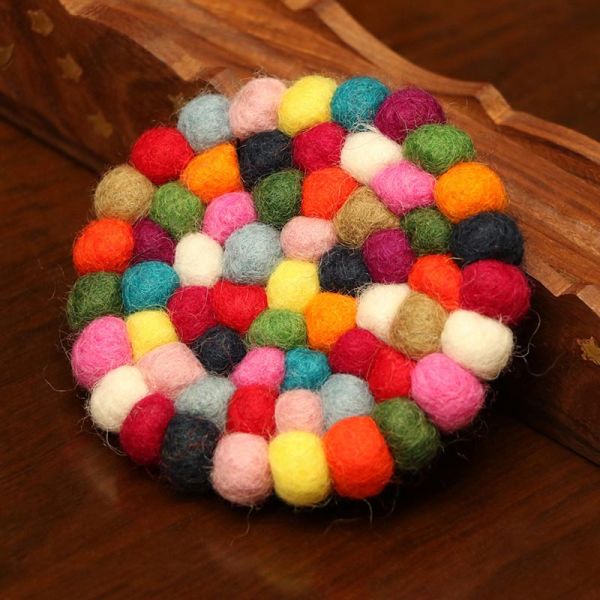 Buddha Stones Tibetan Singing Bowl Handcraft Felted Wool Cushion DecorationAs low as $16.59 Regular Price $23.37
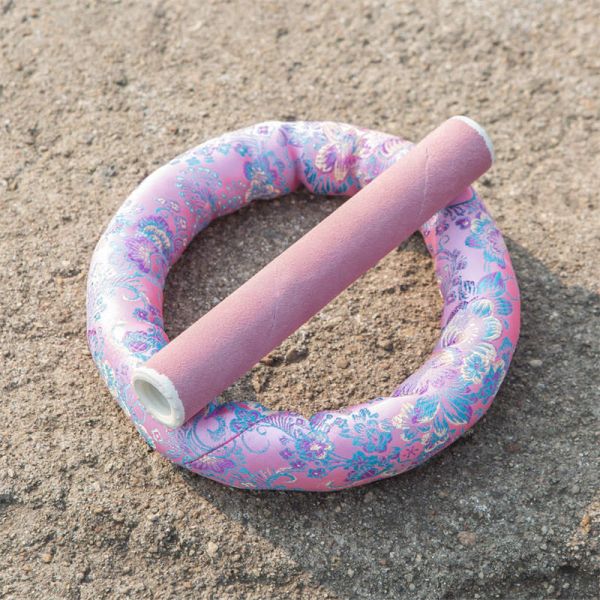 Crystal Singing Bowl Handcraft Cushion Ornament DecorationSpecial Price $59.59 Regular Price $81.63