
Silver Ring Care: A Manual for Daily Wear and Storage
The underside of a ring often shows scratches before the top looks worn. Silver ring care means checking the setting, choosing when to remove the ring, wiping away surface residue, and storing it safely between wears. This manual gives you a repeatable routine, explains which changes need professional attention, and covers handling scarves and bag hardware without catching a ring.
Start with the care directions supplied for your particular piece. A plain silver band, a plated ring, and a ring with stones or decorative darkened areas may need different treatment. At Buddha Stones, we recommend identifying those details before choosing any polish or cleaning method.
Tools and materials for a careful check
Set up a small working area away from an open sink. Good light and a clear surface help you notice a lifted edge or a change in shape before you put the ring on.
- A clean, lint-free cloth: Use it for light wiping, keeping a separate cloth for jewelry rather than borrowing a scarf or sleeve.
- A shallow tray: Choose one with a soft lining so a removed ring has a defined resting place.
- A magnifier, if available: Look at joints, settings, and raised details without probing them.
- An individual pouch or compartment: Keep the ring from rubbing against keys, loose jewelry, or bag hardware.
- The original care information: Keep details about the metal, finish, and any stones together for future reference.
A silver polishing cloth is optional, not a default tool. Use one only when the maker permits it for that surface; treated cloths can alter finishes that should remain untouched.
Your silver ring care routine, step by step
- Check before wearing. Hold the ring above your tray and turn it slowly under the light. Look for an uneven band, a split seam, a raised setting, or an edge that seems different from before. If a stone appears loose, stop handling it and put the ring aside for a jeweler. Do not test it by pushing or twisting.
- Finish dressing first. Apply lotions and other personal products before putting the ring on, allowing your hands to dry. Fasten your clothing, arrange scarves, and pick up bag straps before adding rings with raised details. This order reduces unnecessary contact with fabric loops, fringe, and metal fittings.
- Remove it for demanding tasks. Put the ring in its designated tray before washing dishes, swimming, gardening, or handling cleaning products. Remove it before lifting weights or carrying objects that press hard against the band. Choose the resting place before taking the ring off, so it does not end up beside a drain or loose in a pocket.
- Wipe after wear. With a clean, dry cloth, gently wipe accessible surfaces to remove fingerprints and light residue. Support the ring rather than pulling the cloth through a setting. If dirt remains beneath a stone or inside a detailed design, follow the maker's directions. Unknown stones, glued elements, plating, or delicate finishes call for advice before wet cleaning.
- Put it away deliberately. Check that the ring is dry before placing it in its own compartment or pouch. Keep storage away from damp bathrooms and household chemicals. Close the container after use. For travel, pack the ring in a separate jewelry compartment rather than letting it move around inside the main section of a bag.
Repeat the visual check whenever the ring has caught on clothing or taken a knock. A quick look cannot confirm that a setting is secure, but a visible change is a reason to stop wearing it.
What not to do when wear marks appear
Do not polish every dark area. Recessed details may have an intentionally dark finish. Check the original appearance before treating a contrasting area as tarnish. Repeated polishing also removes small amounts of surface material, so use it only as directed.
Avoid toothpaste, abrasive powders, scouring pads, and stiff brushes. Do not use bleach or mix household cleaners for a homemade treatment. Keep silver dips and ultrasonic equipment out of the routine unless the maker or a jeweler confirms that the complete ring can tolerate them.
Do not bend an adjustable band back and forth to suit different fingers. Follow its adjustment directions and ask for help if it no longer holds its shape. Avoid pulling off gloves or unwinding fringe through a raised setting. If fabric catches, stop pulling, support the ring, and gently free the loose thread. Set aside either item if you cannot separate them without force.
When to repair, replace, or retire a piece
Tarnish alone is usually a maintenance issue, not a reason to discard a ring. Fine surface scratches can also be part of ordinary wear. Decide what needs attention by checking the structure rather than judging shine alone.
- Arrange a repair assessment for a split band, a bent setting, a missing stone, or an edge that repeatedly catches fabric.
- Ask about refinishing when plating has worn through or a decorative finish has changed. More polishing will not replace a missing surface layer.
- Pause wearing it if the band has become noticeably distorted or a previously secure part moves.
- Retire it from regular wear if a jeweler finds that it cannot reliably hold its setting or withstand normal handling.
A retired ring can remain a keepsake in a labeled box. Record any unresolved damage so it is not accidentally put back into regular use.
Products to handle carefully around rings
Bag fittings and scarf fringe deserve a moment of attention when you dress. The following accessories have different materials and constructions; use their own care directions separately from your jewelry routine.
A bamboo-handle bag with metal hardware
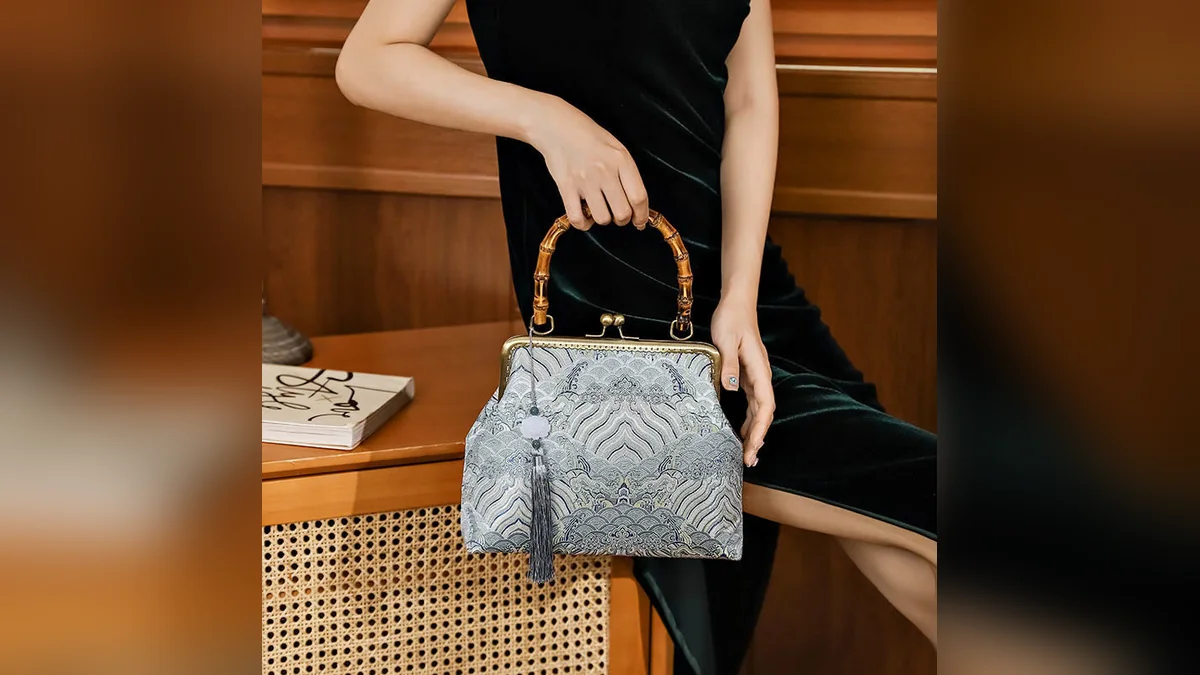
Our Silver Lines Bamboo Handle Crossbody Bag combines cotton, bamboo, metal, and a metal chain, with polyester lining and a buckle closure. It has one main pocket and one interior pocket. Guide your hand past the chain and buckle without dragging a raised ring setting across them. If you remove a ring, place it in a jewelry pouch before using a bag pocket.
A charcoal stripe fringe scarf
The Classic Charcoal Stripe Fringe Men's Scarf is viscose and measures approximately 180 cm × 30 cm / 70.8 in × 11.8 in. Beige, Black, Maroon, and Peru are the available options. Arrange the fringe before putting on a ring with projecting details, and remove that ring before folding or untangling the scarf.
A gray plaid fringe scarf
Our Classic Gray Plaid Fringe Men's Scarf is viscose, with an approximate size of 32 cm × 180 cm / 12.5 in × 70.8 in. Support the fabric when adjusting it near a ring. If you notice repeated catches, inspect the ring's edges before wearing the combination again.
A dark grid tassel scarf
The polyester Dark Grid Tassel Layering Men's Scarf measures approximately 200 cm × 130 cm / 78.7 in × 51.1 in. Its options include DarkSlateGray, DimGray, RosyBrown, and SaddleBrown. Gather loose tassels clear of your fingers before handling a ring, and keep the scarf separate from polishing supplies.
Keep a routine you can repeat
Good silver ring care depends on small, consistent decisions: inspect before wearing, remove before rough tasks, wipe gently, and return the ring to a defined place. Keep its care information nearby and let changes in the setting guide your next step. When damage appears, pause wearing it until you know what needs repair.
Shop the story
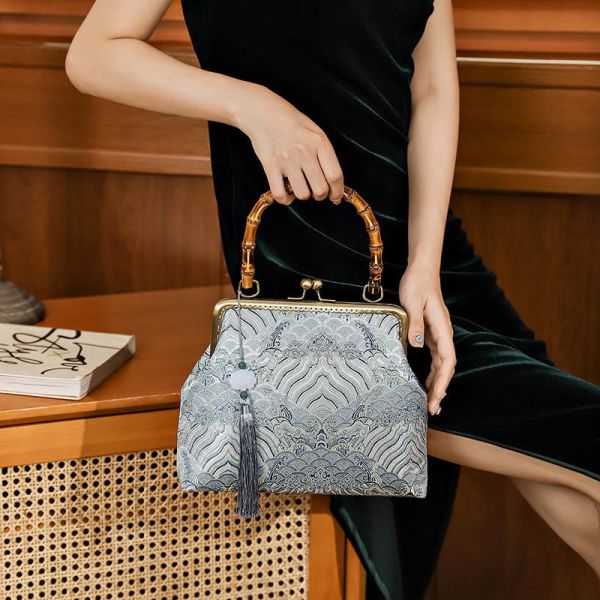 Buddha Stones Silver Lines Bamboo Handle Metal Chain Crossbody Bag HandbagsAs low as $55.59 Regular Price $74.12
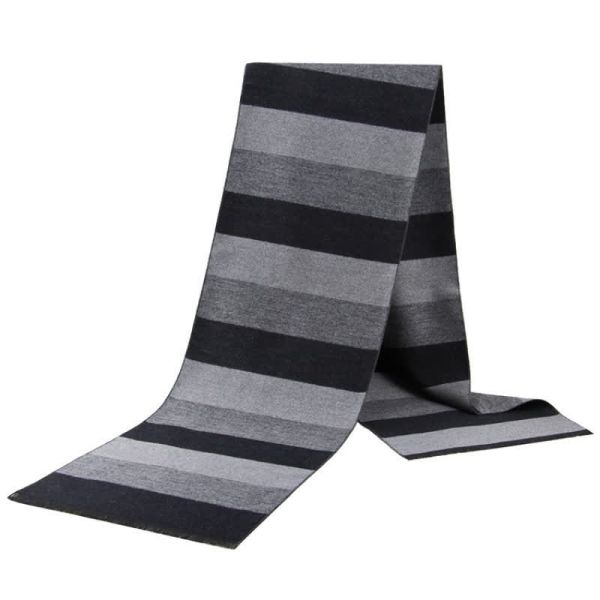 Buddha Stones Fall Winter Classic Charcoal Stripe Fringe Men's ScarfAs low as $21.59 Regular Price $30.41
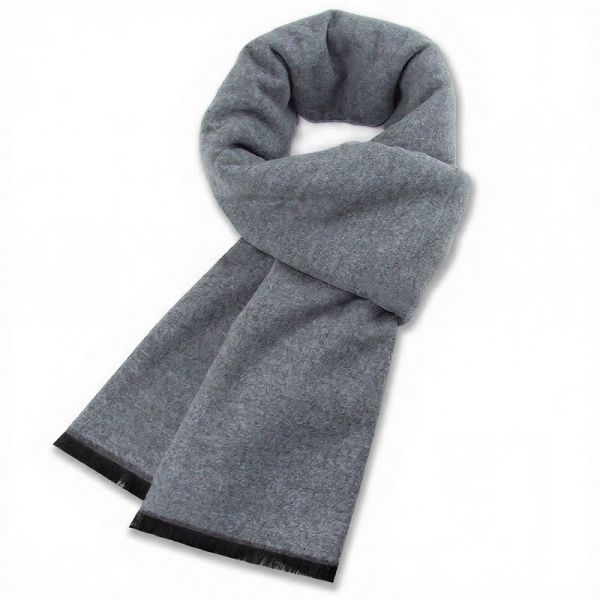 Buddha Stones Fall Winter Classic Grey Plaid Fringe Cozy Men's ScarfAs low as $22.59 Regular Price $30.95
 Buddha Stones Fall Winter Dark Grid Tassel Layering Men's ScarfAs low as $22.59 Regular Price $30.12