
Silk vs Cotton Scarf: A Practical Care and Use Manual
A scarf often shows wear first where it folds around the neck or rubs against a bag strap. The practical answer to silk vs cotton scarf care starts with the label: silk commonly needs gentler handling, while cotton may tolerate more routine washing when its construction and dyes allow it. Here you will learn how to check either fabric, choose an appropriate cleaning method, dry and store it, and recognize damage that needs repair.
At Buddha Stones, we recommend treating fiber content as a starting point. A blend, loose weave, printed finish, or attached trim can change the instructions. Keep any care label with the scarf for reference.
Gather a Small Scarf-Care Kit
Set up a clean work area before bringing water near the fabric. Wash your hands and remove jewelry that could catch a thread. Check that the basin has no leftover household cleaner.
- A clean basin for scarves whose labels permit hand washing.
- A mild detergent suitable for the stated fiber; for silk, choose one explicitly labeled suitable for silk.
- A white cloth for a discreet color-transfer check.
- Clean towels for absorbing water without twisting.
- A flat drying surface away from direct sunlight and heaters.
- An iron only if the care label permits ironing.
Cotton content does not establish that a finished accessory is washable, and a smooth surface does not establish that a scarf is silk.
Your silk vs cotton scarf care routine
1. Inspect the areas that receive friction
Open the scarf fully on a clean surface. Look along the hem, across fold lines, and where knots usually sit. Check for loose stitching, pulled threads, thinning patches, and marks. Separate a scarf with an unstable seam from the wash pile; handling it wet may enlarge the damage.
After ordinary wear, let the scarf air in a shaded, dry place before folding it. Wash according to its condition and label rather than automatically after every brief use.
2. Read the label before treating a mark
If the label requires dry cleaning, follow that instruction. If the label is missing and the fiber or finish is uncertain, ask a textile cleaner before trying water or stain remover. Describe any known spill instead of experimenting with several treatments.
For a washable scarf, test the proposed diluted detergent on a concealed area using a white cloth, then let that area dry. Stop if color transfers or the surface changes. A small test is a precaution, not proof that the whole scarf will wash successfully.
3. Wash only by the permitted method
For hand-washable silk, use cool water and the detergent's dilution instructions. Support the fabric as you move it gently through the water. Avoid rubbing one section against another, scrubbing a stain, or leaving it soaking while you do other chores. Rinse gently with water at a similar temperature.
For cotton, follow the label's washing method and temperature. If machine washing is allowed, select the specified cycle and keep the scarf away from exposed hooks and zippers. A laundry mesh bag can limit tangling. Cotton can shrink, and dyes can transfer, so avoid treating an unfamiliar scarf as ordinary colorfast laundry.
4. Remove water and dry with support
Lift a wet scarf with both hands supporting its length. Lay a hand-washed piece on a clean towel, roll loosely, and press to absorb water. Unroll without wringing. Reshape gently and dry as directed by the label; delicate fabric can be laid flat on a fresh towel.
Keep drying fabric away from direct sun and concentrated heat. Do not hang a dripping scarf by one corner. Use a tumble dryer only when the label permits it, with the stated setting.
5. Smooth, fold, and put away
Check the ironing symbol before addressing wrinkles. Use the permitted setting and test a concealed area first. Never assume a cotton setting is appropriate for a blend, trim, or printed area.
Let the scarf cool and dry completely before storage. Fold loosely along different lines occasionally, or roll without pulling tight. Choose a clean, dry drawer with room around the fabric. Avoid crushing it beneath buckles or other hard accessories.
6. Reduce snagging during use
Fasten jewelry before arranging the scarf, then check for protruding clasps. Keep the ends clear of bag zippers. Loosen a knot by opening its loops instead of tugging the ends apart. When packing, fold the scarf into a separate clean pouch so loose objects cannot catch its weave.
Habits That Can Damage the Fabric
- Do not cut a pulled thread; it may belong to the fabric's structure.
- Do not scrub a fresh spill. Blot gently with a clean cloth, then follow the appropriate care instructions.
- Do not apply bleach or improvised stain mixtures unless the label explicitly allows the treatment.
- Do not spray perfume directly onto a scarf or put it away damp.
- Do not transfer scarf-washing instructions to a bag simply because both contain cotton.
Decide Between Repair and Retirement
A loose hem or isolated snag may be repairable. Set the scarf aside and ask a sewing professional to assess it before further washing or wear. Broad thinning, repeated tearing, or splitting along folds calls for a closer assessment of whether the fabric can support repair.
Fading alone does not require replacement. If damage makes a scarf unsuitable for wearing, consider a nonwearable use for intact sections, such as wrapping a keepsake. Check local textile collection rules before passing on unusable fabric.
Cotton Bags to Consider Alongside Your Scarf
Our bag specifications describe carrying accessories, not scarf-care equipment. If you carry a scarf inside a bag, keep it dry and separate from items that could leak or snag.
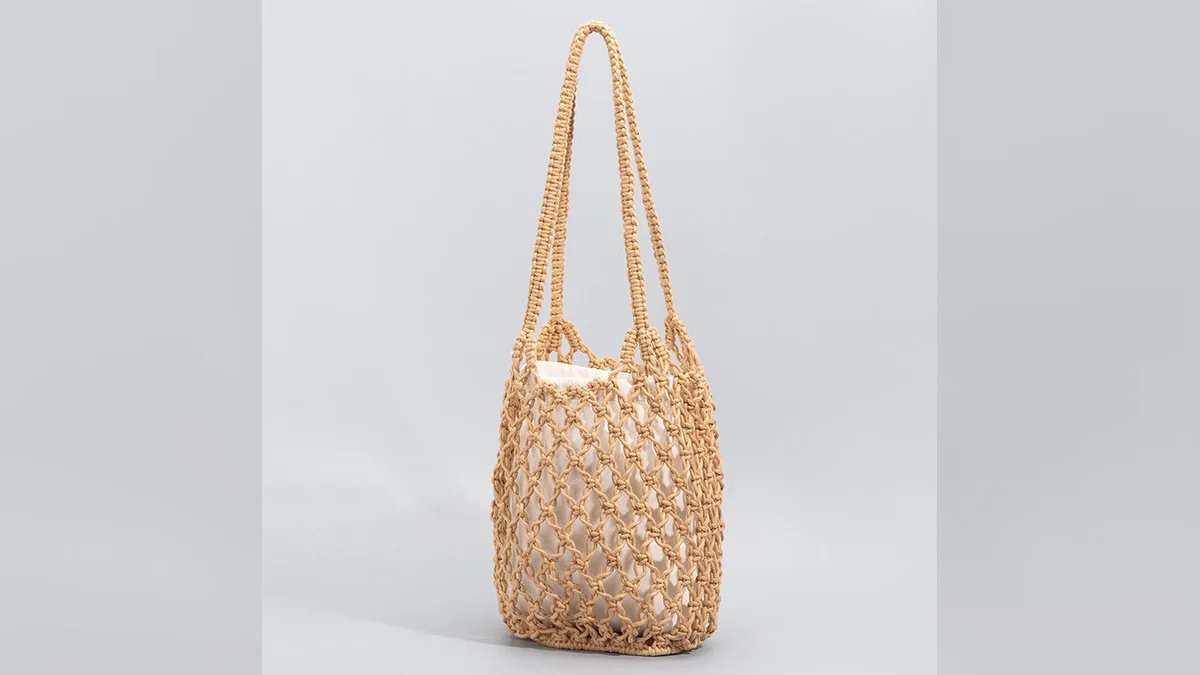
The Buddha Stones Hand-woven Cotton Thread Shoulder Bag Handbags uses cotton thread and polyester cotton. It has a non-adjustable strap, strap closure, one main pocket, and one interior bag. Its care instructions say not to wash, bleach, or iron.
The Buddha Stones Colored Stripes Cotton Crossbody Bag Shoulder Bag is made of cotton fabric, with a non-adjustable strap measuring about 52cm. It has a zipper closure, one main pocket, one interior zipper pocket, and one insert pocket.
For an adjustable strap, the Buddha Stones Cotton Stripes Crossbody Bag Shoulder Bag comes in Blue Stripes and Red Stripes options. The cotton fabric bag has a zipper closure and weighs about 350g.
The Buddha Stones Blue Flower Pattern Cotton Crossbody Bag Shoulder Bag has cotton fabric construction and a non-adjustable strap. Its internal arrangement is one main pocket, one interior zipper pocket, and one insert pocket; its weight is about 320g.
Leave the Scarf Ready for Its Next Use
Before putting a scarf away, check three things: it is dry, its seams are sound, and its next cleaning method is clear. Keep the label accessible and address small faults before they spread. That routine gives silk and cotton the separate attention their care instructions require.
Shop the story
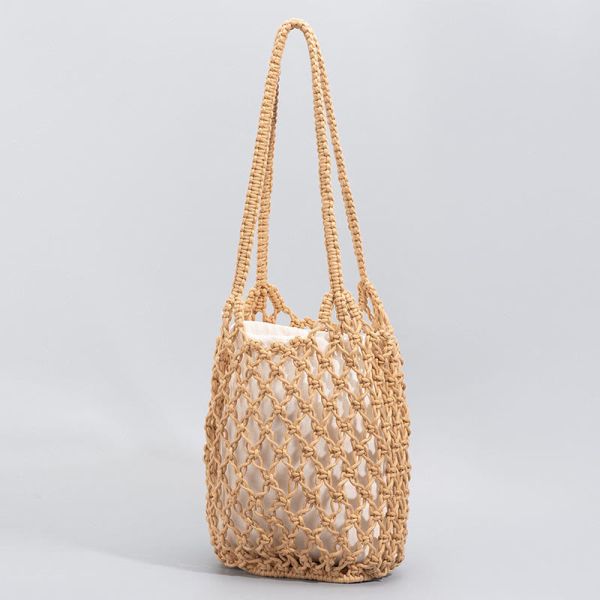 Buddha Stones Hand-woven Cotton Thread Shoulder Bag HandbagsAs low as $43.59 Regular Price $58.12
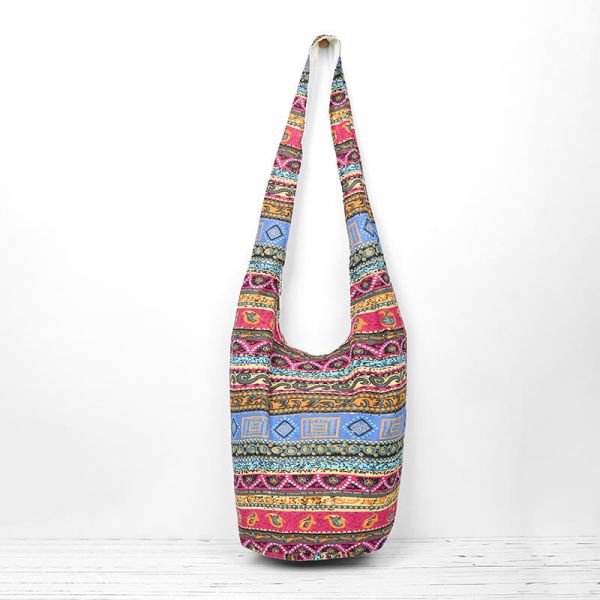 Buddha Stones Colored Stripes Cotton Crossbody Bag Shoulder BagSpecial Price $34.59 Regular Price $46.12
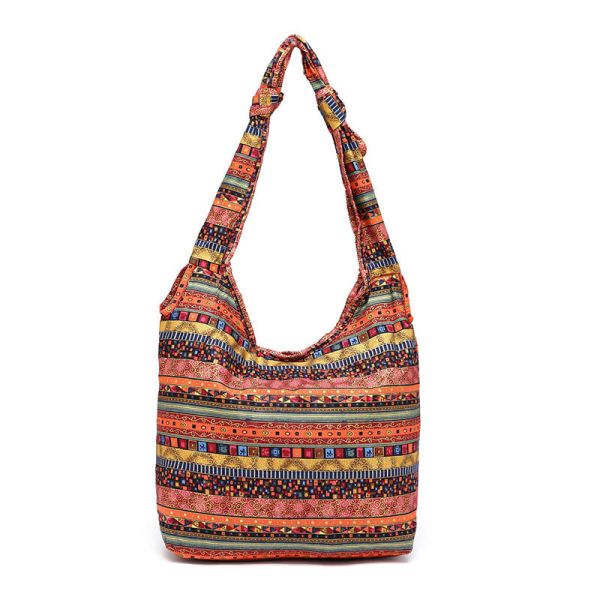 Buddha Stones Cotton Stripes Crossbody Bag Shoulder BagAs low as $35.59 Regular Price $48.09
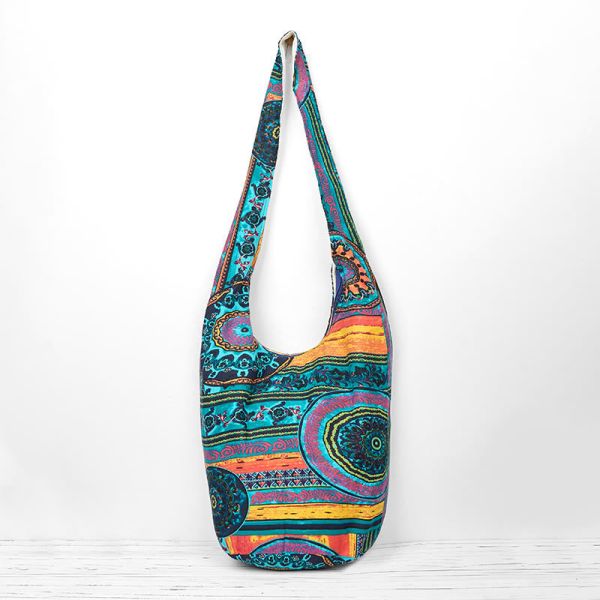 Buddha Stones Blue Flower Pattern Cotton Crossbody Bag Shoulder BagSpecial Price $34.59 Regular Price $48.04