
Sandalwood vs Agarwood: A Guide to Wood Mala Beads
Sandalwood often has a soft, woody scent. The main distinction in sandalwood vs agarwood is material identity: sandalwood comes from trees in the Santalum genus, while agarwood is resin-rich wood formed in certain Aquilaria and Gyrinops trees. Both have traditional uses in prayer beads, including malas and bracelets, as well as incense. They are different materials, and neither a dark color nor a strong fragrance proves which wood a strand contains.
We recommend starting with the material description, then considering bead construction and care. A familiar name in a product title can tell you less than the specific woods named among its options.
Sandalwood vs agarwood: names and material identity
True sandalwoods belong to the genus Santalum. Santalum album is one familiar species, but the common name sandalwood does not always identify a species in a jewelry description. Its fragrant heartwood is the inner wood of the trunk. A product described simply as sandalwood does not, by that wording alone, establish its botanical species, growing location, or finish.
Agarwood is a different kind of material description. It refers to wood containing aromatic resin, associated with certain trees in the genera Aquilaria and Gyrinops. Not all wood from these trees becomes agarwood. The resin-bearing material is also known in trade as oud or aloeswood; those names do not identify a single tree species either.
This distinction matters when reading bead descriptions. Sandalwood and agarwood are not interchangeable botanical names. Darker wood is not automatically agarwood, and an appealing scent is not a species test. A photograph cannot establish resin content, added fragrance, or a particular wood treatment.
In Buddhist practice, a mala serves as a counting aid for recitation. Wood choice is separate from that function. Our sandalwood bracelet meaning guide discusses the traditional context; here, the focus is the material itself and what a product description can support.
From wood blanks to a threaded strand
Wood beads generally begin as pieces cut from larger stock. A maker shapes these blanks into beads, drills a hole through the center, and smooths the surfaces. Turning on a lathe is one common shaping method. Sanding refines the surface, while any coating or other finish depends on the maker and should be confirmed separately.
These are general bead-making steps, not a description of how a particular Buddha Stones product was produced. A finished bead does not reveal every stage of its manufacture, and a smooth surface alone does not establish whether it has been coated.
The holes allow beads to be threaded onto cord or elastic. Hole edges matter because roughness can rub against the string. Beads also need enough room to move without placing constant tension on the strand. Where elastic is specified, stretch it only as much as necessary to put the bracelet on or remove it.
When inspecting a strand, check for splits around the holes, rough edges, and exposed or fraying string. Those observations concern its condition; they do not authenticate the wood.
What scent, grain, and patina can tell you
Sandalwood fragrance is often described as woody and creamy. Agarwood fragrance can vary considerably, with woody, resinous, or sweet notes. These are broad descriptions of the materials, not promised scent profiles for the products below. A material name alone does not specify how strongly a finished bead will smell.
Grain follows the structure of the wood. Cutting direction can make neighboring beads look different even when they come from the same material. Color, visible lines, and surface sheen are useful descriptive details, but none provides a reliable identification by itself.
Handling and exposure can gradually change a wooden surface. The term patina describes that developing appearance, which may include changes in sheen or color. Its pace is variable. Do not expect a strand to darken on a schedule, and do not use extra oil, heat, or prolonged sunlight to force a change. A photograph of older beads cannot predict the appearance of another strand.
Keep wood away from soaking, added oils, and heat
General wood care is a sensible starting point unless the maker gives more specific instructions. Mixed-material jewelry also needs care that suits its other components.
- Use a dry cloth first. Wipe away surface dust gently. Avoid scrubbing around bead holes or pulling the string while cleaning.
- Limit water exposure. Remove wooden strands before bathing, swimming, or washing dishes. Do not soak them. If beads become damp, blot them and allow them to dry away from direct heat.
- Skip added oils. Do not apply essential oils, perfume, or household furniture treatments without explicit care instructions. They can change the surface or scent and may affect other components.
- Avoid prolonged direct sunlight. Keep beads away from hot windowsills, heaters, and parked cars. Heat and changing moisture conditions can contribute to cracking or distortion.
- Check the string periodically. Fraying, loss of elasticity, or a loosening connection calls for attention before further wear. Pulling harder will not restore a worn strand.
Choose a clean, dry storage place that keeps the strand from being crushed or snagged. Allow damp beads to dry before enclosing them. Burning incense beside jewelry is not a wood-care method; keep beads away from smoke deposits, ash, and hot surfaces.
Our product details: wood strands and related pieces
Sandalwood with citrine, turquoise, and silver
Our 108 Mala Beads Citrine, Sandalwood, Turquoise and Silver Bracelet combines Citrine, 925 Sterling Silver, Turquoise, and Sandalwood. It uses premium elastic string, with a wrist circumference of 15-16cm and a bead size of 6.5-7mm. No sandalwood species or scent profile is specified.
A mala title with different wood options
The 108 Mala Beads Bracelet Prayer Meditation Sandalwood Elastic needs a closer reading of its options. Although Sandalwood appears in the title, the available wood options are Ebony Wood, Rosewood, Tiger Skin Wood, and Wenge Wood. Its item types are Bracelet, Necklace, and Mala, and its bead size is 0.31 IN(8MM). Use the selected option to understand the material; the title does not establish that these options are sandalwood or agarwood.
A ceramic incense burner
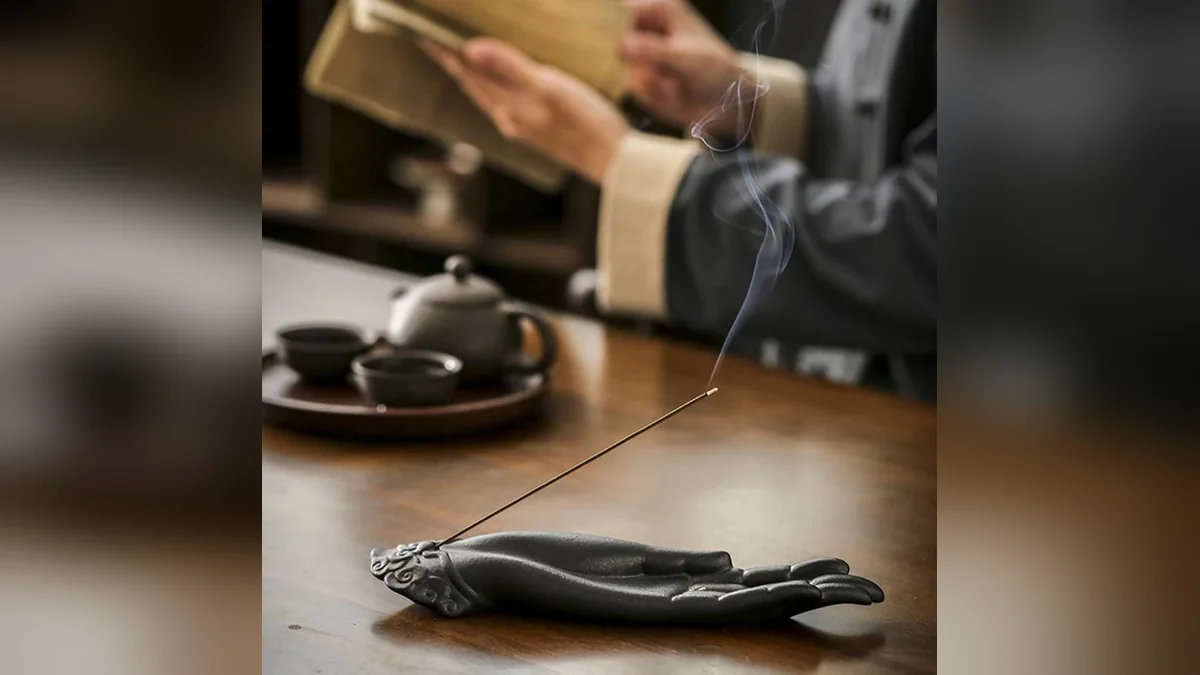
The Buddha Hand Ceramic Auspicious Clouds Incense Burner is ceramic, with item types Decoration, Ornament, and Incense Burner. Its size is 16*6.5*3cm (Length*Width*Height). Keep wooden jewelry clear of a burner during use, and follow instructions appropriate to the incense and holder.
An adjustable auspicious clouds ring
Our Auspicious Clouds Engraved Adjustable Ring has an adjustable ring size and a material specification of 999 Sterling Silver. The options have weights of About 4g and About 6.5g; the width specifications are About 4mm and About 6mm. It is a unisex ring, separate from the wood bead choices.
Blessing, Protection, and Prosperity in product names express traditional wishes. These words do not guarantee any result.
Let the material description guide the choice
A useful comparison begins with distinct wood identities and ends with clear expectations. Choose a strand by its documented material, dimensions, and construction rather than assumptions about fragrance or color. For wooden beads, gentle cleaning and protection from soaking and heat provide a practical care routine. The role a mala has in your practice comes from how you use it, not a promised effect of the wood.
Shop the story
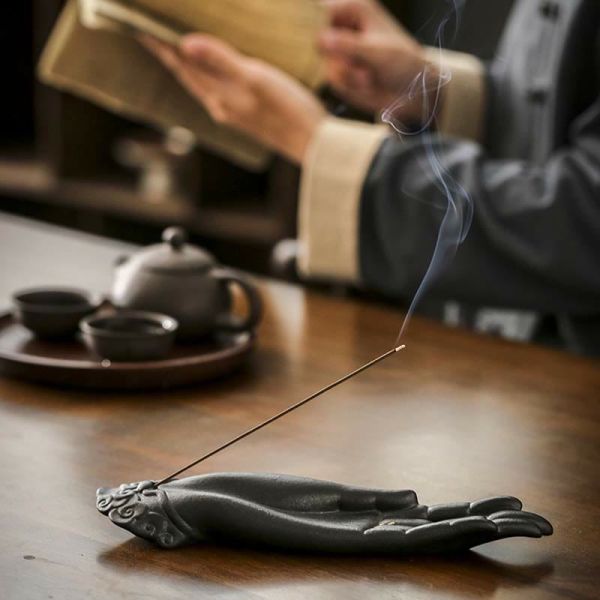 Buddha Hand Ceramic Auspicious Clouds Blessing Incense BurnerSpecial Price $35.59 Regular Price $50.13
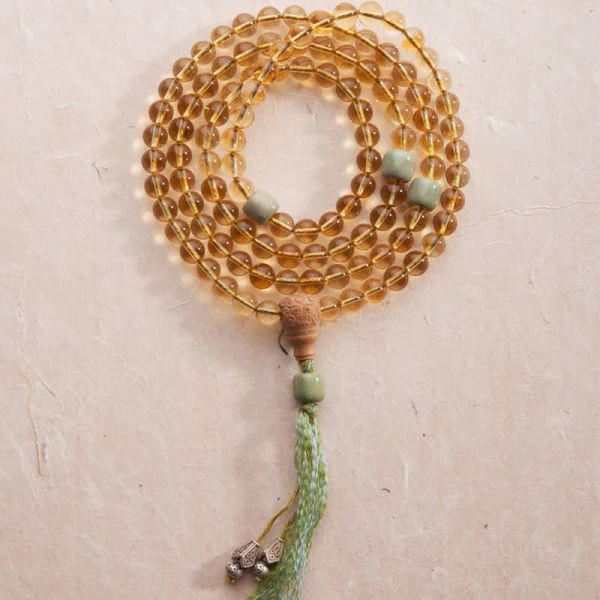 Buddha Stones 108 Mala Beads 925 Sterling Silver Citrine Sandalwood Turquoise Protection Prosperity BraceletSpecial Price $1,390.59 Regular Price $1,931.38
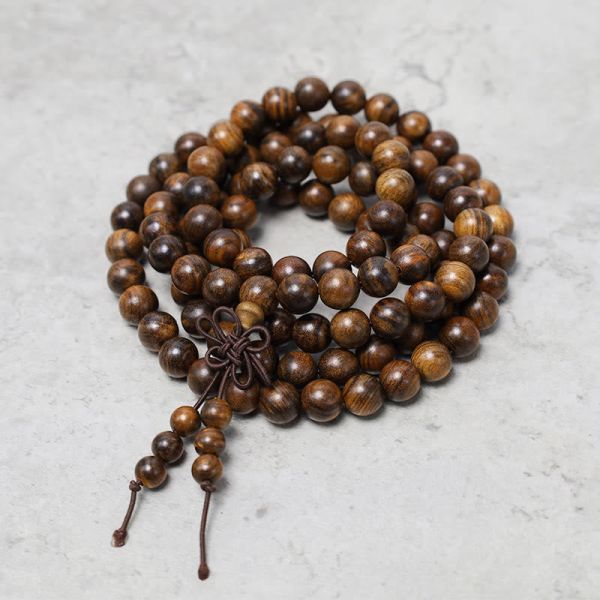 Buddha Stones 108 Mala Beads Bracelet Prayer Meditation Sandalwood ElasticAs low as $23.59 Regular Price $31.45
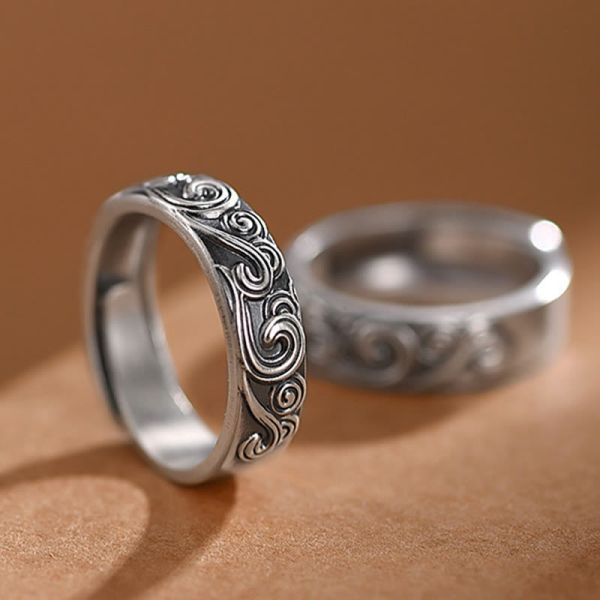 Buddha Stones 999 Sterling Silver Auspicious Clouds Engraved Blessing Adjustable RingAs low as $149.59 Regular Price $204.92