
Rosewood Gift Ideas: A Care and Daily Use Manual
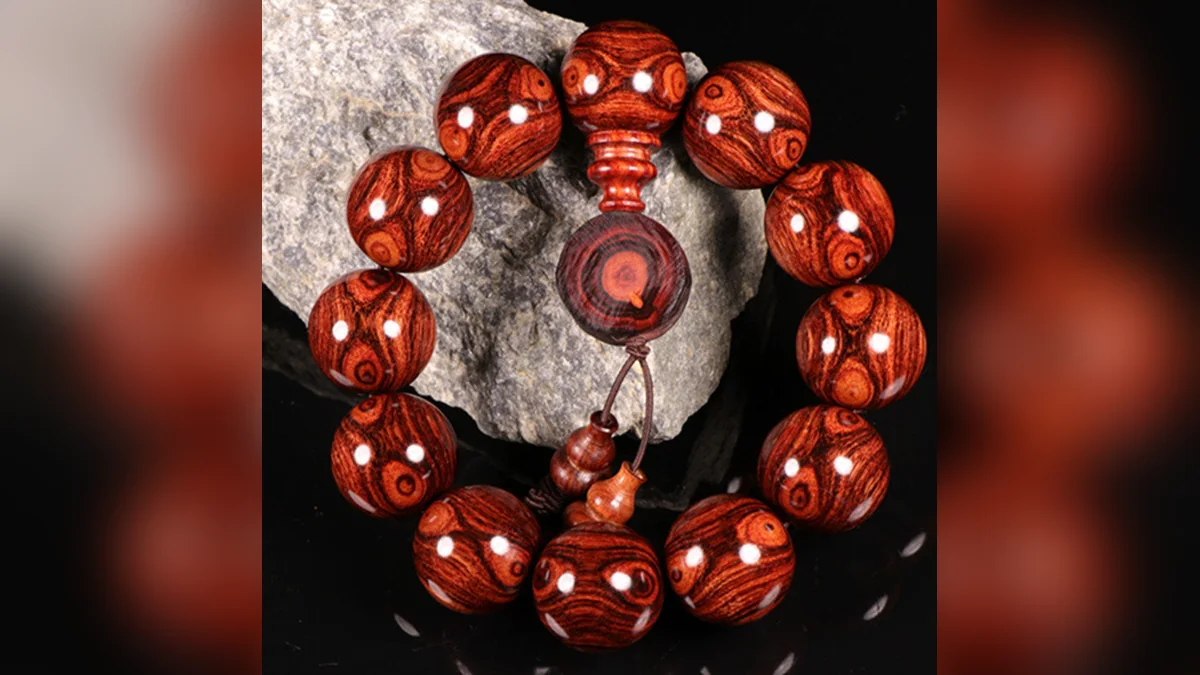
Dust can gather between rosewood beads where a cloth does not reach. For practical rosewood gift ideas, start with a bracelet or mala and a clear plan for its care. This manual explains how to remove loose dust, handle a strand without pulling its cord, store it between uses, and decide when repairs are needed. At Buddha Stones, we suggest choosing the bead size and format first, then giving the recipient straightforward care instructions alongside the gift.
Tools and Materials for Gentle Rosewood Care
Begin with dry tools. Because a material name does not identify a bead’s finish, avoid choosing a cleaner based only on the word rosewood. A mild approach leaves fewer decisions dependent on an unknown coating or treatment.
- A clean, soft, lint-free cloth: Reserve it for jewelry so it does not carry polish, kitchen grease, or cleaning residue.
- A soft, dry brush: Use light bristles to lift loose dust from spaces a cloth cannot reach.
- A shallow tray: Work over it to keep the strand supported and catch a bead if a damaged cord gives way.
- A clean pouch or lined box: Choose storage that keeps the beads from rubbing against loose keys, clasps, and other objects.
These are suggested care supplies, not promised contents of a product order. If assembling a gift kit, add them separately and include a short written routine. Keep any abrasive cloth intended for metal jewelry away from the wooden beads.
Follow a Supported, Dry-Cleaning Routine
- Prepare the surface. Place the tray on a stable table away from a sink, open drink, or incense ash. Spread out the cloth so the beads have a clean resting place.
- Inspect before cleaning. Look along the cord and around bead holes. Check for loose knots where present, visible fraying, cracks, or a bead edge that catches the cloth. Avoid stretching the strand to expose hidden sections.
- Wipe a few beads at a time. Support the section in your hand or on the cloth. Turn the beads gently and use light pressure. Do not pull the entire strand through a tightly closed cloth.
- Brush the gaps. With the strand resting in the tray, sweep loose dust outward. Keep the brush on the surface rather than pushing its bristles into a bead hole or knot.
- Check the result. If dry wiping leaves a sticky patch or persistent mark, stop. Obtain care advice specific to that piece before introducing liquid, oil, or a stronger cleaner.
- Put it away dry. Return the strand to its pouch or box without compressing it beneath heavier objects. Keep the care note nearby for the next cleaning.
For ordinary handling, lift a long strand with support beneath its lower section. If you use beads to count recitations, move them individually without tugging the connecting cord. Pause if a bead sticks instead of forcing it along. This keeps the routine about controlled handling rather than repeated tension.
Before washing, swimming, applying lotion, or doing wet household work, set the jewelry aside. Let applied products dry before putting it back on. After accidental splashing, blot the surface promptly and allow it to dry at room temperature before storage. Keep it away from direct heat while drying.
Keep These Cleaning Shortcuts Out of the Routine
Do not soak the strand. A shared bowl of jewelry cleaner is unsuitable for wooden beads and an unidentified cord or finish. Running water also makes it harder to control how much moisture reaches the holes and connecting material.
Skip oiling as a default step. Furniture polish, cooking oil, fragranced oil, and wax are not interchangeable jewelry treatments. Without instructions for the particular finish, they can leave residue or change the appearance. Do not apply a product simply to make the beads look newer.
Avoid aggressive equipment. Do not use steam, an ultrasonic cleaner, stiff brushes, scouring pads, or a hair dryer. Picking at a mark with a pin can scratch the surface or damage the cord. Repeated hard rubbing is also a poor substitute for identifying the stain.
Keep storage conditions steady. Avoid a sunny windowsill, a heater, a damp bathroom shelf, and prolonged storage in a hot vehicle. Give the strand its own space inside a box instead of leaving it loose beneath other jewelry.
Decide When to Repair, Replace, or Retire
A change in sheen alone does not mean wooden beads need replacement. Look for functional damage: a split extending toward a bead hole, a sharp broken edge, a cord with visible wear, or elastic that no longer holds its shape. Stop wearing or handling a damaged strand until it can be assessed.
A sound set of beads may need restringing rather than disposal. Keep loose beads together in a closed container and ask someone experienced in bead restringing to check the holes and choose a suitable replacement cord. Do not tie an uncertain repair and immediately return the strand to use.
If a damaged bead cannot be reused safely, keep it aside while deciding how to preserve or retire the piece. A sentimental strand can remain stored without being worn. There is no need to assign a fixed replacement date to intact wood; condition and construction guide the decision.
Rosewood Gift Ideas Matched to Care and Use
Our product details below help you compare formats and bead sizes. “Protection” in a product name expresses a traditional wish; it does not guarantee safety or any other result. Choose by the recipient’s preferred format and the stated specifications.
A Choice of Bead Sizes
The Buddha Stones Tibetan Rosewood Warmth Bracelet (Random Type) has rosewood as its specified material. Some options have 108 beads: 6mm, 8mm, 10mm, and 12mm. Other options include 15mm(15 beads), 18mm(13 beads), 20mm(12 beads), 25mm(10 beads), and 30mm(9 beads). Record the selected option on a gift note so the recipient has that detail for future care or repair.
Rosewood and Bodhi Seed
The Buddha Stones Rosewood Mala Bracelet with Bodhi Seed is a bracelet with 108 beads. Its specified materials are rosewood and bodhi seed, with bead sizes of approximately 6mm, 7mm, 8mm, or 10mm. Keep its care instructions suitable for both materials rather than selecting a treatment intended only for wood.
A Bracelet, Necklace, and Mala Format
The Buddha Stones Rosewood Bracelet Mala is categorized as a bracelet, necklace, and mala. Its options are 6mm*108 Rosewood and 8mm*108 Rosewood. The specifications name rosewood, red agate, green aventurine, turquoise, and jade. For care, avoid treating the whole strand with a cleaner intended for a single material.
An Elastic Tiger Bracelet
The Buddha Stones Rosewood Engraving Tiger Bracelet uses rosewood and an elastic band. It has 11 beads measuring 20mm (0.79 IN), and its wrist circumference specification is 15-20cm. Include those measurements when discussing fit; do not assume elastic makes a bracelet suitable for any wrist. Inspect the elastic during routine care without pulling it taut.
Send the Gift with a Useful Care Note
Turn rosewood gift ideas into a manageable routine with a brief note: wipe dry, support the strand, avoid soaking, and inspect the cord. Add the selected product name and option so those details remain available. A clear care note gives the recipient a practical reference long after the packaging has been put away.
Shop the story
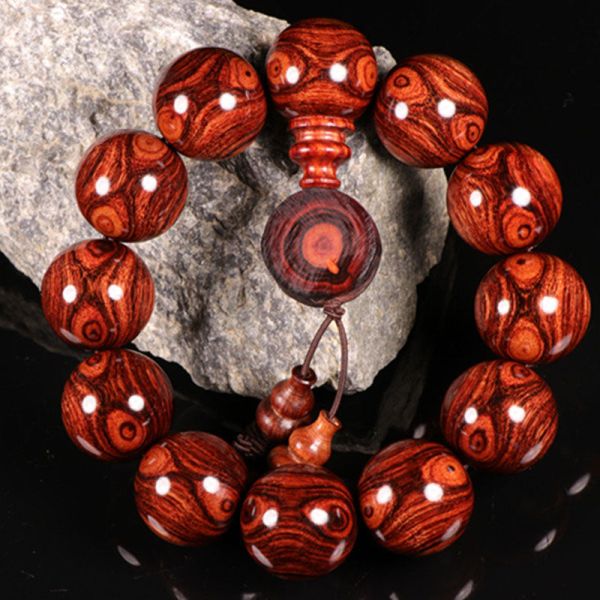 Buddha Stones Tibetan Rosewood Warmth Bracelet (Random Type)As low as $78.59 Regular Price $104.79
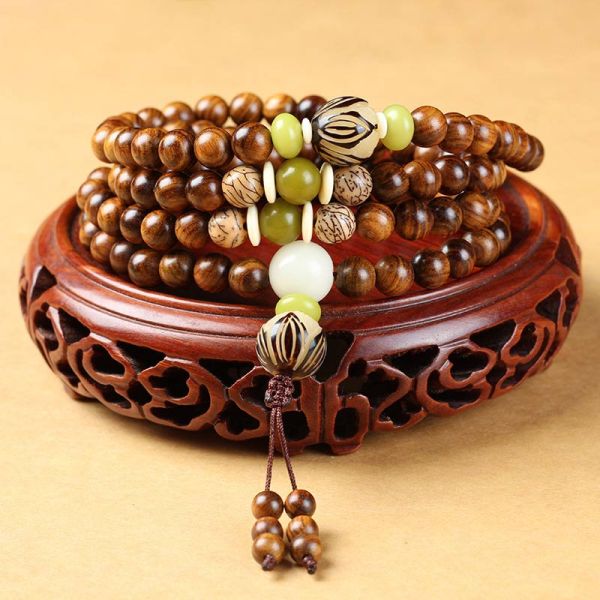 Buddha Stones Tibetan Rosewood Mala Protection Calm BraceletAs low as $33.59 Regular Price $46.65
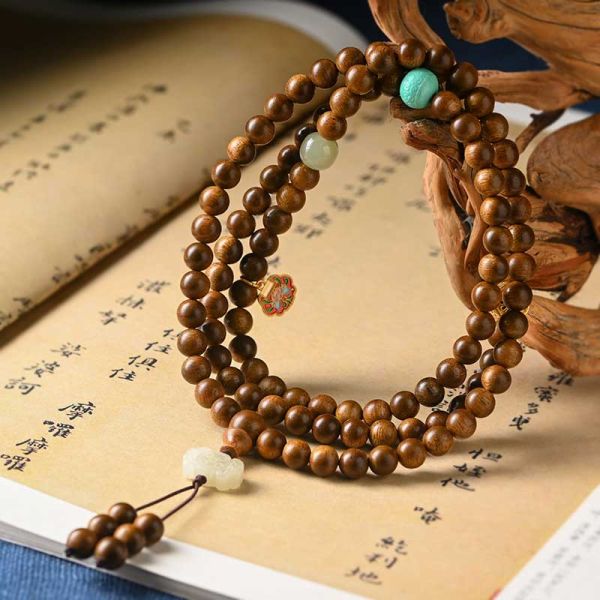 Buddha Stones Tibetan Rosewood Protection Calm Bracelet MalaAs low as $169.59 Regular Price $232.32
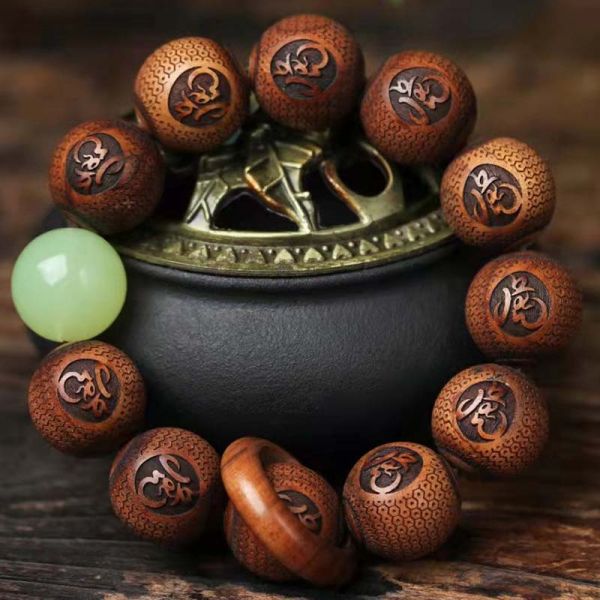 Buddha Stones Tibetan Rosewood Engraving Tiger Protection BraceletSpecial Price $29.59 Regular Price $39.45