
Rosewood Care Tips for Beads, Bracelets, and Malas
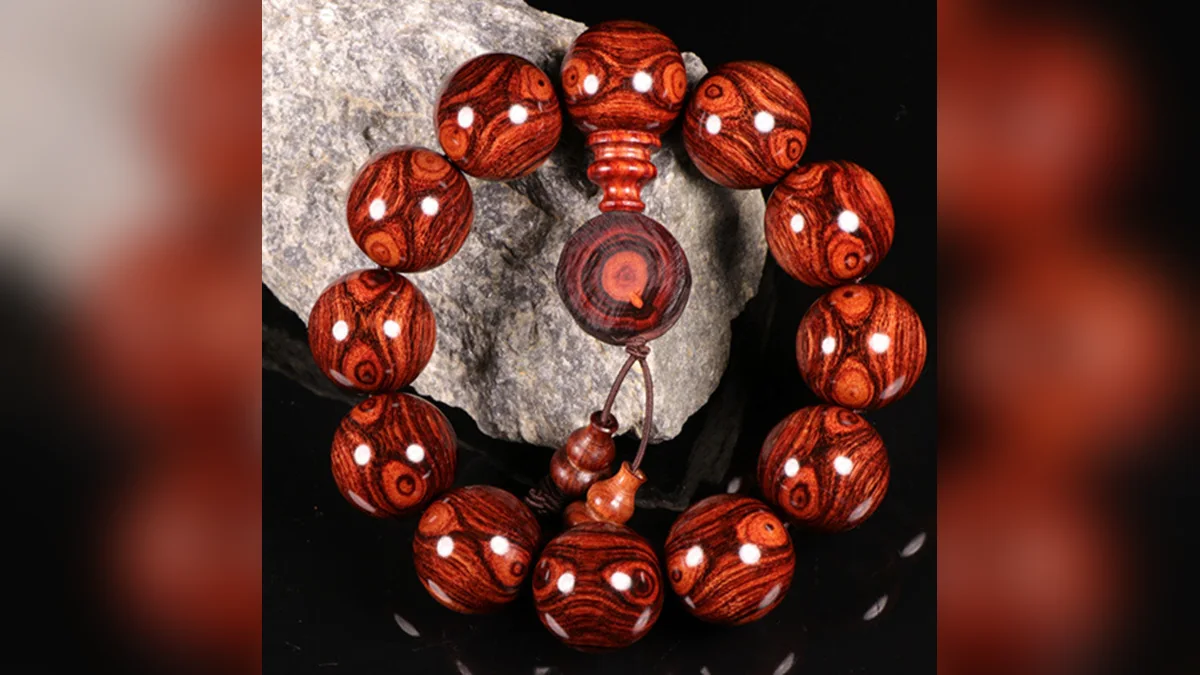
Rosewood beads can collect dust around their holes and residue where they touch your skin. A regular wipe is a sensible starting point, especially before putting a bracelet or mala away.
These rosewood care tips explain how to remove loose dirt, limit contact with moisture, inspect the stringing, and recognize when a piece needs repair. At Buddha Stones, we recommend starting with gentle, dry care when a finish is unspecified. You do not need to make the surface look newly polished after every use; the aim is to keep the beads clean and the strand secure.
Gather a small bead-care kit
Set up on a clear, level surface away from sinks. A tray helps contain a strand if its cord unexpectedly breaks. Keep the following supplies together:
- A clean, soft, lint-free cloth for wiping the beads.
- A second dry cloth for setting the piece down while you inspect it.
- A very soft brush for loose dust around bead holes or surface details.
- A shallow tray and a small container for any loose components.
Check that the cloth has no grit, polish, or cleaning-product residue. Use a brush reserved for jewelry care rather than one previously used with paint or cosmetics. Good light also helps you distinguish dust from a scratch without scraping the surface to investigate.
Rosewood care tips: a step-by-step routine
- Inspect before wiping. Lay the piece down and look for cracked beads, a loose knot, frayed cord, or gaps that have changed since your last check. Turn the strand gently without pulling it tight. If the stringing looks unreliable, keep the piece over the tray and stop handling it until it can be repaired.
- Lift away loose dust. Pass the dry cloth over the beads using light pressure. Support a small section in your hand instead of dragging the whole strand through a tightly pinched cloth. Work around the bead surfaces, letting the cord remain relaxed.
- Brush accessible recesses. Use the soft brush to lift visible dust near holes and surface details. Keep the motion light and directed away from the opening. Do not push bristles deeply into a hole, force beads apart, or use a needle to pick out a speck.
- Check any remaining marks. Repeat a gentle dry wipe once if needed. If residue remains sticky or the surface feels rough, stop rather than adding a household cleaner. Ask for care advice that accounts for the particular finish and other materials. The word rosewood alone does not identify a coating or establish which cleaner is suitable.
- Inspect the stringing again. Look at the areas beside bead holes and at any visible knots. For elastic, check whether it returns to its resting shape after ordinary handling; do not stretch it repeatedly as a test. For other cords, watch for thinning or loose fibers. Avoid tugging knots to see how firmly they hold.
- Put the piece away dry. Choose a clean pouch or a compartment that prevents rubbing and tangling. Lay a long strand in loose loops rather than winding it tightly. Keep storage away from direct sun, radiators, and damp windowsills. Avoid hanging a heavy strand by its cord for extended storage.
Repeat the wipe after wear when there is visible residue, and check the cord before wearing or using the beads for counting. Handle one bead at a time without pulling against the strand. If a bead catches, stop and inspect the gap instead of forcing it along.
If water splashes onto the piece, blot it promptly with a dry cloth and leave it in shade with room-temperature airflow. Wait until the beads and the spaces between them are dry before closing a pouch. Do not speed drying with heat.
Keep water, chemicals, and force out of the routine
Remove wooden bead jewelry before showering, swimming, washing dishes, or doing work that leaves it wet. Put it aside before applying lotion, perfume, or sunscreen, and allow those products to dry before putting it back on.
- Do not soak or rinse the strand. Water can reach bead holes and remain around the cord.
- Skip alcohol, bleach, jewelry dips, and polishing compounds. An unspecified finish leaves their compatibility uncertain.
- Avoid steam and ultrasonic cleaners. A wooden strand calls for gentler handling.
- Do not add oils or wax by default. They can change the surface appearance or leave residue.
- Avoid abrasive pads and hard scrubbing. More pressure is not a reliable answer to a stubborn mark.
Keep the piece away from rough bag contents and places where it could be crushed. When removing an elastic bracelet, ease it over your hand without pulling one bead far away from its neighbors.
Decide when to restring or retire a piece
A change in sheen is not, by itself, a reason to discard wooden beads. Start by checking whether the surface is intact and the stringing remains secure. Compare an unfamiliar mark with nearby areas under ordinary light; do not sand a bead to restore a uniform color.
Stop wearing the piece if a bead splits, an edge becomes sharp, a knot loosens, or the cord frays. Elastic that stays stretched or leaves new gaps also warrants attention. Put loose parts in a container and have someone experienced in restringing assess which components can be reused.
Retire damaged beads when they cannot be secured without further splitting or have edges that continue to catch. If a piece develops persistent dampness or an unexplained surface deposit, set it aside and seek material-specific advice before wearing it again. Keeping an unusable strand as a stored keepsake is an option; continued wear is not necessary to preserve its personal significance.
Our rosewood options and their care considerations
The Buddha Stones Tibetan Rosewood Warmth Bracelet (Random Type) uses rosewood. Its options include 6mm(108 beads) and 20mm(12 beads). Check the selected option when planning storage, and leave enough room for the strand to rest without tight bends.
The Buddha Stones Tibetan Rosewood Mala Protection Calm Bracelet combines rosewood and Bodhi Seed and has 108 beads. Its bead sizes are Approx. 6mm, 7mm, 8mm, 10mm. Keep care conservative for the combined materials instead of choosing a treatment based on rosewood alone.
The Buddha Stones Tibetan Rosewood Protection Calm Bracelet Mala has 108 beads, with 6mm and 8mm options. The specified materials are Rosewood, Red Agate, Green Aventurine, Turquoise, and Jade. Follow the gentle dry routine for the assembled strand; the presence of stones does not make soaking appropriate for its wooden components.
The Buddha Stones Tibetan Rosewood Engraving Tiger Protection Bracelet has an elastic band and 11 rosewood beads measuring 20mm (0.79 IN). Its wrist circumference specification is 15-20cm. Include the elastic in your inspection, and avoid pulling the bracelet open unnecessarily.
Protection in these product names expresses a traditional wish. It does not guarantee protection or another result.
Make the next use easy
Finish by leaving your cloth and storage pouch ready for the next routine. A dry wipe, a gentle cord check, and a suitable resting place cover the ordinary tasks. When a new mark or loose component appears, pause and identify the issue before choosing a treatment. Care should preserve the usable piece without requiring repeated polishing or unnecessary handling.
Shop the story
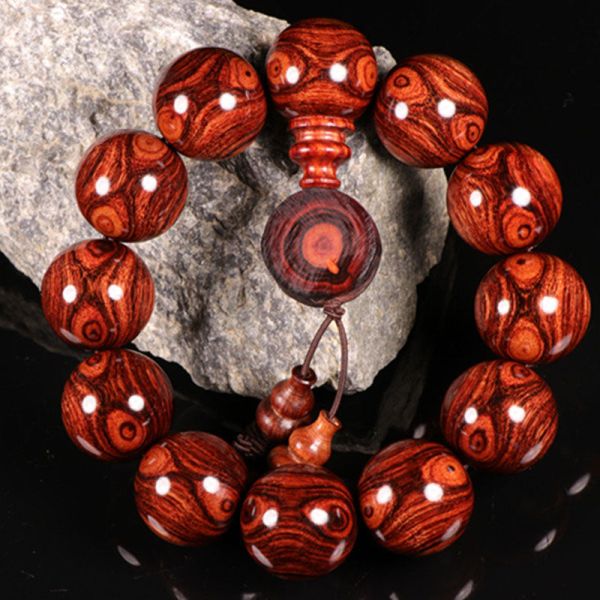 Buddha Stones Tibetan Rosewood Warmth Bracelet (Random Type)As low as $78.59 Regular Price $104.79
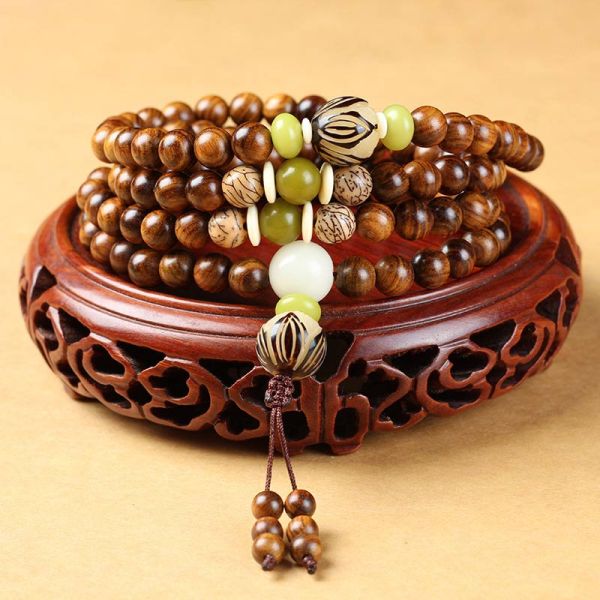 Buddha Stones Tibetan Rosewood Mala Protection Calm BraceletAs low as $33.59 Regular Price $46.65
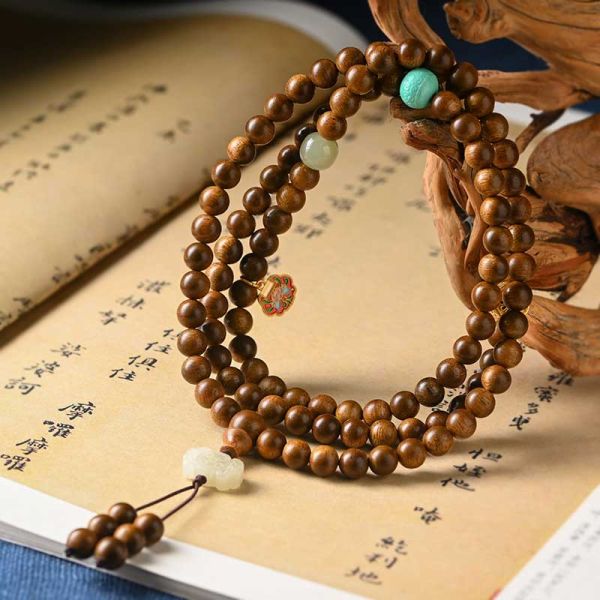 Buddha Stones Tibetan Rosewood Protection Calm Bracelet MalaAs low as $169.59 Regular Price $232.32
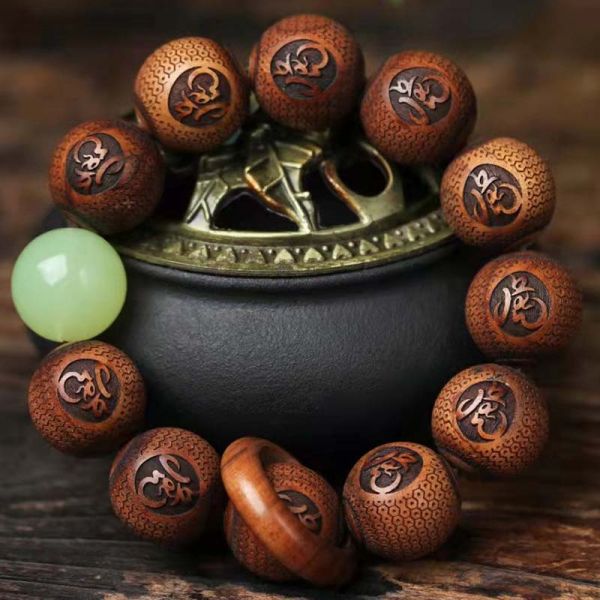 Buddha Stones Tibetan Rosewood Engraving Tiger Protection BraceletSpecial Price $29.59 Regular Price $39.45