
Rosewood Bracelet Care: Compare Wood Beads and Forms
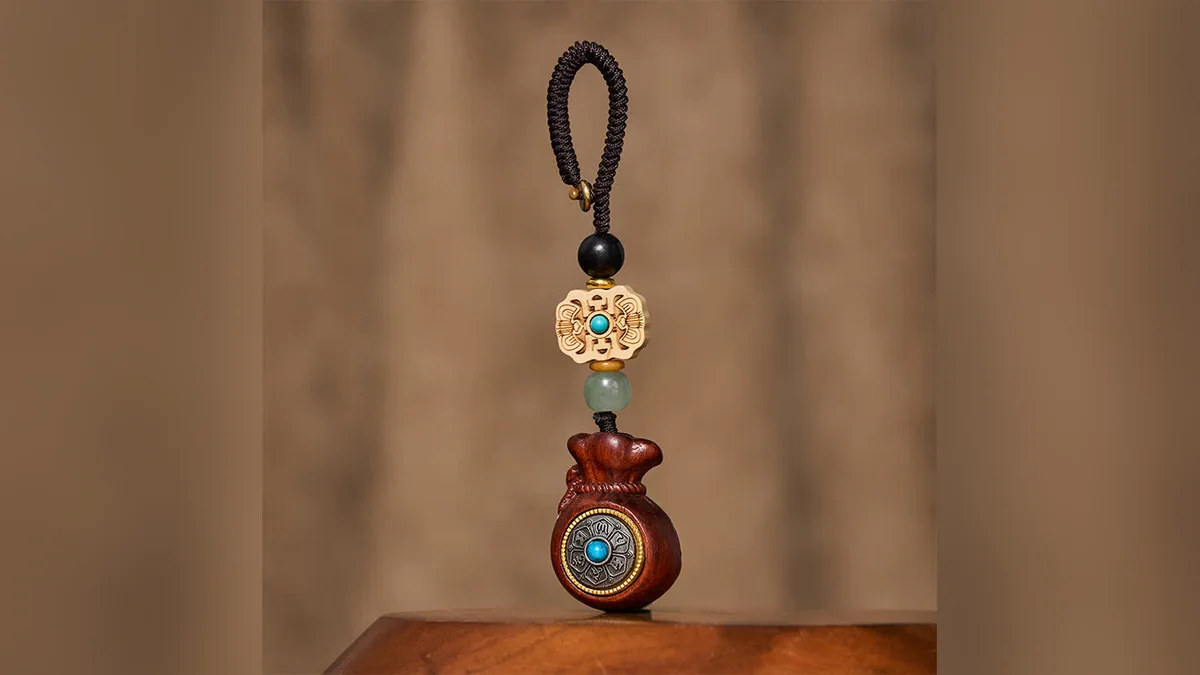
A fine line of grain can remain visible across the curve of a wooden bead. For rosewood bracelet care, begin with the material name: rosewood refers to wood, not a seed, and a sandalwood label should not automatically be read as rosewood. Wooden and seed beads have traditional uses in malas for counting recitations, as well as in bracelets. For general care, keep them dry, wipe gently, and avoid soaking, harsh cleaners, and prolonged direct sun.
At Buddha Stones, we suggest comparing the material description, construction, and intended use before choosing a piece. The bracelet and keychains below carry sandalwood or ebony descriptions; we do not identify them as rosewood.
Compare the form before choosing the wood
| Trait | What to check |
|---|---|
| Material identity | Compare the written material description with the option name. Rosewood, sandalwood, ebony, and bodhi seed are not interchangeable labels; color alone cannot establish identity. |
| Bracelet fit | Check wrist measurements and the fastening or string type. A bracelet needs suitable room around the wrist without depending on constant stretching. |
| Mala construction | For a strand intended for counting recitations, inspect the stated bead count and construction. Do not assume a bracelet or hanging accessory has a particular count. |
| Keychain or hanging form | Compare overall dimensions, attachment style, and simple versus tassel options. Consider contact with keys, bag hardware, and damp surfaces. |
| Mixed components | Wood or seed may appear beside metal, glass, or stone. Choose a care method suitable for the complete accessory rather than one component alone. |
| Appearance over time | Read any color-change or patina note. Distinguish an expected surface change from a crack, loose component, or worn cord. |
A familiar material name does not answer every buying question. Our sandalwood bracelet meaning article discusses the naming and traditional symbolism separately. For a purchase, the selected option and its specifications remain the useful starting points.
Rosewood bracelet care for everyday handling
Unless a product gives more specific instructions, use a conservative wood-and-seed routine. A dry, lint-free cloth is a practical first step for removing surface dust. Wipe gently around beads and fittings without pulling the string. Avoid abrasive pads and vigorous polishing, especially where different materials meet.
- Remove it before water exposure. Take a wood bracelet off before washing, showering, swimming, or doing wet household tasks. Keep wooden keychains away from spills and wet pockets. Do not soak a piece to clean between beads.
- Keep applied products off the surface. Put on lotions, perfume, and similar products before handling the accessory, and allow them to dry. Do not use alcohol, household cleaners, or jewelry dips on wood or seed beads.
- Handle moisture gently. If the piece gets wet, blot it promptly with an absorbent cloth and let it dry at room temperature. Skip hair dryers, radiators, and direct sunlight as drying methods.
- Give the construction attention. Check cord, knots, elastic, and attachments for visible wear. Roll an elastic bracelet over the hand gently instead of repeatedly pulling it wide. Pause use if a connection looks insecure.
- Choose a dry resting place. Keep the accessory away from bathroom humidity, hot windowsills, and objects that can scrape its surface. A fabric pouch or lined compartment can limit rubbing during storage.
Do not add oil, wax, or fragrance simply because beads look dull. Without instructions identifying the finish and approving a treatment, added products can change the appearance or leave residue. A developing patina also does not need to be scrubbed away. Follow a product’s own water and sunlight cautions even when another wood accessory has different instructions.
Four designs, compared by details that matter
These choices serve different uses: one is a bracelet, while three are keychain listings. Words such as Blessing, Fortune, and Protection in product names express traditional wishes. They do not guarantee luck, wealth, protection, or another result. Choose the design for its appearance, symbolism, and practical format.
For a choice of wood labels and hanging formats: the Red and Green Sandalwood Chinese Coin Money Bag Keychains offer Green Sandalwood, Red Sandalwood, and Sandalwood options in keychain and phone-hanging forms. The specifications name Red Sandalwood, Green Sandalwood, Sandalwood, Copper Alloy, Rope, Wood, Liuli Glass Beads, Bodhi Seed, and Green Aventurine. That combined description does not establish an identical component arrangement for every option. The care note says green sandalwood may gradually change from yellow to green with light exposure, while also directing you to avoid water and prolonged sun.
For a money-bag design with two named options: the Red Sandalwood Money Bag Om Mani Padme Hum Keychains come as Money Bag Tassel or Simple Money Bag. Materials are Red Sandalwood, Cord, and Copper Alloy; the weight is Approx. 14-16g. The product information allows for grain and color variation and a natural patina developing with wear. It also directs you to avoid water exposure. Compare the option names when deciding between the tassel and simple versions.
For a yuanbao motif: the Red Sandalwood Om Mani Padme Hum Yuanbao Keychains have Simple Yuanbao and Tassel Yuanbao options. Red Sandalwood and Rope are the stated materials, and the weight is 17 g. The wood may vary in color and grain and deepen in color over time with wear. In Chinese tradition, the ingot-shaped yuanbao motif represents prosperity; that association is symbolic and makes no promise about finances.
For wrist wear: the Vintage Red Sandalwood Ebony Wood Bamboo Bracelet has options labeled 10mm Red Sandalwood and 8mm Ebony Wood. Its material information names Red Sandalwood, Ebony Wood, and Green Chalcedony, and its band type is Premium Elastic String. Available wrist circumference measurements are 5.9–6.3 in (15–16 cm) / 6.3–6.7 in (16–17 cm). Match the selected option and available fit information before purchasing. The wood care note allows for grain and color differences and patina with wear, and advises avoiding water. Choose between the named wood options first, then check fit rather than relying on bead diameter alone.
Questions before you choose or clean
Is red sandalwood the same thing as rosewood?
Do not treat those names as equivalents. Common wood names can be used inconsistently in commerce, and a product title alone does not establish a botanical identity. Our featured products use the material names supplied above. If a precise species matters to your purchase, look for explicit species information rather than inferring it from a reddish color.
Can the same routine be used for bodhi seed beads?
Dry wiping, avoiding soaking, and keeping applied cleaners off the surface are sensible general starting points for seed beads too. Follow any instructions supplied for the particular item, including its cord and other components. Seed texture does not justify scrubbing with a stiff brush or leaving beads in water.
Does darker wood mean it needs cleaning?
A darker surface alone is not enough to decide. Several product notes above describe color development or patina with wear. Check for loose dirt, residue, cracks, and string wear separately. Gentle dust removal is different from trying to restore an earlier color; avoid aggressive polishing intended to reverse a documented appearance change.
Shop the story
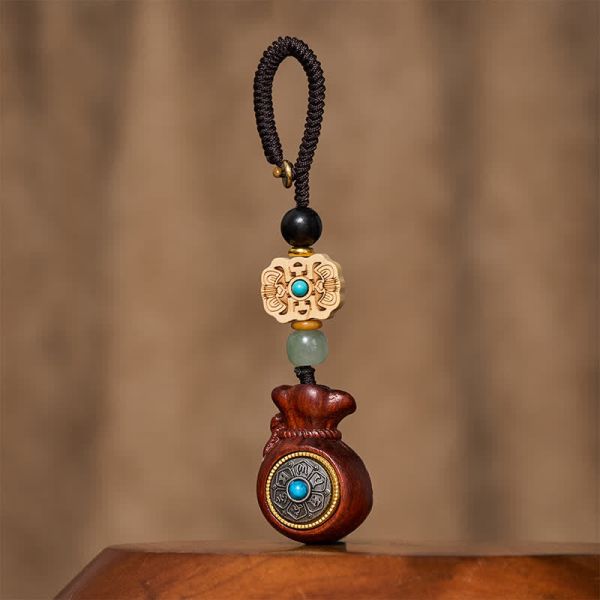 Buddha Stones Red Sandalwood Green Sandalwood Om Mani Padme Hum Blessing Chinese Coin Money Bag Design Serenity KeychainsAs low as $25.59 Regular Price $34.58
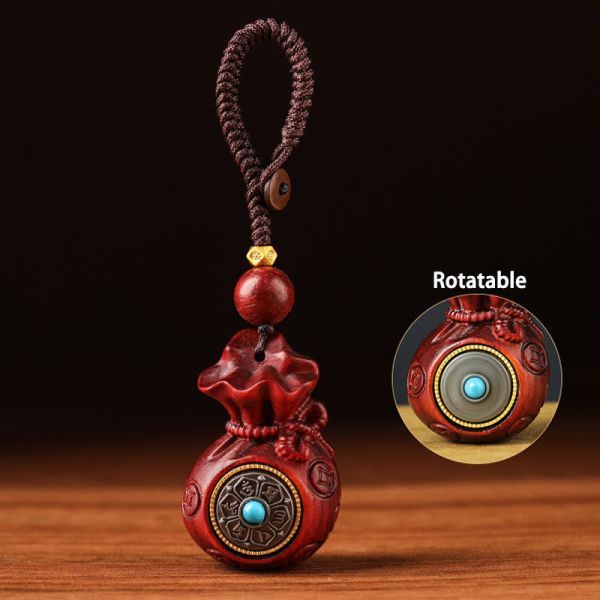 Buddha Stones Red Sandalwood Money Bag Om Mani Padme Hum Wisdom Fortune KeychainsAs low as $25.59 Regular Price $35.54
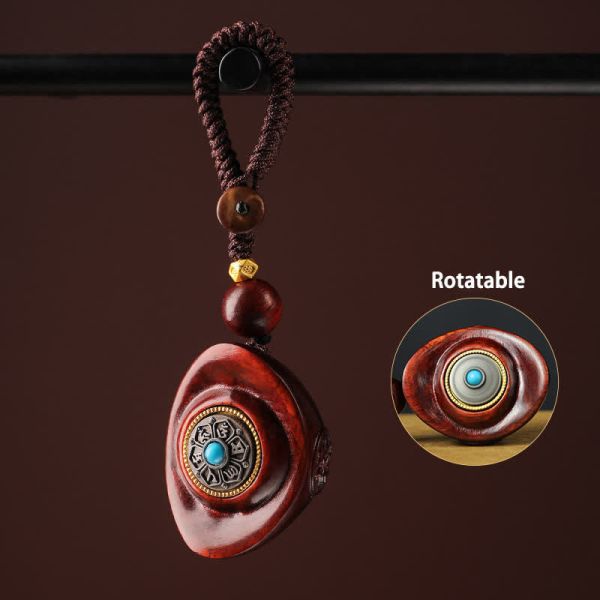 Buddha Stones Red Sandalwood Om Mani Padme Hum Yuanbao Wisdom KeychainsAs low as $25.59 Regular Price $36.04
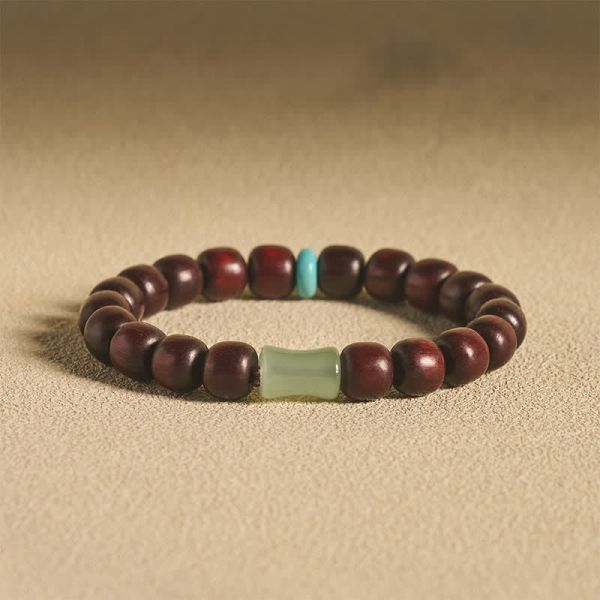 Buddha Stones Vintage Red Sandalwood Ebony Wood Bamboo Protection BraceletAs low as $25.59 Regular Price $35.05