
Quartz Buying Guide: Choose, Wear, and Care Safely
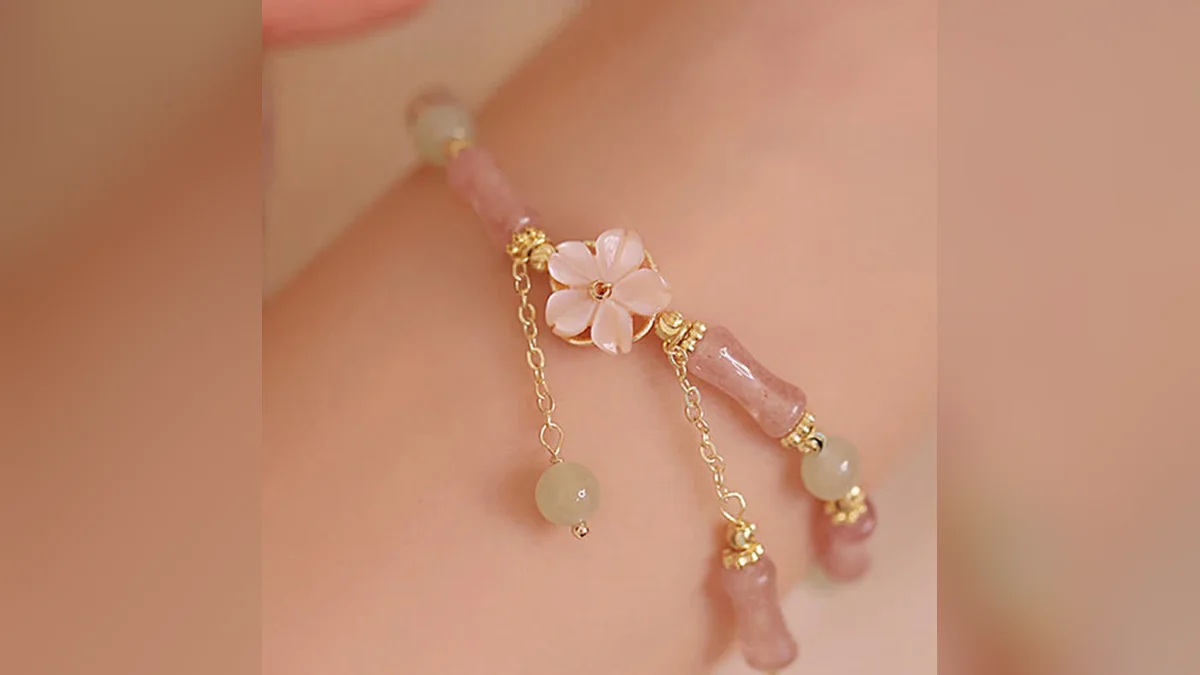
Dust and lotion can collect between bracelet beads and around metal details. This quartz buying guide explains how to choose a bracelet by its materials and fit, then inspect, wipe, wear, and store it with care. At Buddha Stones, we recommend treating the complete bracelet as your starting point: quartz beads may share a strand with other stones, metal, or glass pearl, so the care routine needs to account for those components too.
Tools and materials for gentle upkeep
Set aside a clean, lint-free cloth for wiping and a second cloth for drying. Keep a shallow tray or a folded towel underneath your work area so a loose bead cannot roll far. Good light helps you check the string and the edges of bead holes without pulling the bracelet apart.
Have a little room-temperature water available to dampen a corner of the cloth if dry wiping leaves residue. For a mixed-material bracelet whose treatments or finishes are unspecified, keep water use brief and limited. A dry cloth is the starting point; a barely damp cloth is the next step when needed.
- Use a separate compartment or a fabric pouch for storage.
- Keep the product specifications available for checking materials and size.
- Use a flexible measuring tape to compare your wrist measurement with the supplied sizing information.
- Keep household cleaners and polishing compounds away from the care area.
Your quartz buying guide: a step-by-step routine
- Read the complete material description. Before choosing a bracelet, look beyond the quartz named in its title. Check for other stones, glass pearl, and metal components. If treatment information or detailed cleaning instructions are unavailable, choose a restrained wiping routine and leave specialized cleaning to a jewelry professional.
- Check size before relying on stretch. Measure around the place where you intend to wear the bracelet, with the tape lying flat. Compare that measurement with the product specifications. Elastic allows a bracelet to pass over the hand, but it should not substitute for an appropriate fit. Avoid choosing a smaller size simply because the string stretches.
- Inspect before putting it on. Rest the bracelet on the towel and turn it gently. Look for frayed string, a widening gap between beads, sharp chips, or a metal detail catching on the cloth. Do not tug at a visible knot to inspect it. If something appears loose, pause wear until the construction can be checked.
- Wipe after wear. Support the beads in your hand or on the towel. Move the dry cloth around their surfaces and metal details with light pressure. Work in short sections so the string stays relaxed. Avoid pulling adjacent beads apart to force the cloth into a tight space.
- Address remaining residue sparingly. Touch a barely damp corner of the cloth to the affected surface, then dry that area promptly. Keep moisture away from the knot and bead holes as much as possible. If a mark remains, stop before repeated rubbing changes the finish.
- Put it on with controlled movement. Ease the bracelet over your hand while supporting the strand. Remove it before washing, swimming, cleaning, or activities that could snag the beads. Apply lotion and fragrance before putting jewelry on, allowing the products to dry first.
- Store after checking for moisture. Leave the bracelet on a clean, dry towel until any remaining dampness has gone. Then place it in its own compartment or pouch, away from direct sunlight and heat. Avoid hanging an elastic bracelet under tension.
What not to do during cleaning or wear
Do not assume that a method suitable for a loose quartz stone suits an assembled bracelet. String, additional beads, and metal details introduce separate care needs. Avoid ultrasonic cleaners, steam, boiling water, and sudden temperature changes when the construction and treatments are unknown.
Skip salt scrubs, toothpaste, abrasive powders, and household cleaning sprays. Do not soak the strand in salt water or leave it submerged overnight. Scrubbing a stubborn mark can damage a surface or catch the string; stop when gentle wiping is insufficient.
Avoid leaving jewelry on a sunny windowsill or near a heater. Do not twist the strand around your fingers, snap it against your wrist, or pull it by a decorative component. Remove it before bed to limit snagging and unnecessary strain. These are practical handling habits, separate from any personal ritual associated with wearing jewelry.
When to replace a string or retire a piece
Use condition as your guide instead of setting an arbitrary replacement date. Fraying, exposed strands, persistent slack, or a knot beginning to open are reasons to stop wearing an elastic bracelet. Ask a jewelry professional whether restringing is appropriate. Avoid trimming a loose end, adding household glue, or tying another knot without understanding the construction.
A chipped bead with a sharp edge also needs attention. Set the bracelet aside rather than continuing to wear it against clothing. Keep any detached components together in a closed container for assessment.
Color differences, internal markings, and uneven appearance alone do not establish damage. Compare the piece with its own earlier condition, focusing on new cracks, loose components, and changes in the string. If repair is impractical, a retired bracelet can remain a keepsake in a closed box. There is no need to discard it simply because it is no longer suitable for wear.
Four Buddha Stones bracelets to compare by specification
Our bracelet category provides a place to compare designs. For the options below, use the material combinations and sizing information to decide what suits your intended wear. Names such as Happiness and Abundance express wishes; no result is guaranteed.
Strawberry quartz with Hetian jade
The Strawberry Quartz Bamboo Hetian Jade Romantic Bracelet combines Strawberry Quartz, Hetian Jade, and Copper Alloy on Premium Elastic String. Its wrist circumference specification is 5.1–6.7 in (13–17 cm). Bead sizes are 5*12mm Strawberry Quartz and 6mm Hetian Jade. Check those two bead measurements when comparing proportions with another design.
Rose quartz alongside clear quartz
For the Rose Quartz Clear Quartz Sweet Blossom Harmony Bracelet, the materials are Rose Quartz, Clear Quartz, Glass Pearl, and Copper Alloy. It uses Premium Elastic String and specifies a wrist circumference of 5.5–5.9 in (14–15 cm). The bead measurements are 7.5mm Rose Quartz and 8mm Clear Quartz. Include the glass pearl and metal components when deciding how to clean it.
Citrine, tiger eye, and green strawberry quartz
The Citrine Tiger Eye Green Strawberry Quartz Beads Happiness Bracelet pairs Citrine, Tiger Eye, and Green Strawberry Quartz with Copper. Its specifications give 8mm beads, Premium Elastic String, and a wrist circumference of 5.9–6.3 in (15–16 cm). Compare the size information before choosing it for regular wear.
White cat's eye and rutilated quartz
The White Cat's Eye Moonstone Black Rutilated Quartz Beads Abundance Bracelet has a material specification of White Cat's Eye, Moonstone Black, Rutilated Quartz, and Copper. It uses Premium Elastic String, with 8mm beads and a wrist circumference of 5.9–6.3 in (15–16 cm). Preserve those material names when keeping a care record.
Keep the routine simple and repeatable
Choose by fit and the complete material description, inspect before wear, and wipe gently afterward. Keep cleaning supplies minimal and stop when a loose component or stubborn mark needs professional attention. A small care record containing the product name, materials, and any repairs will help you make consistent decisions when the bracelet needs attention again.
Shop the story
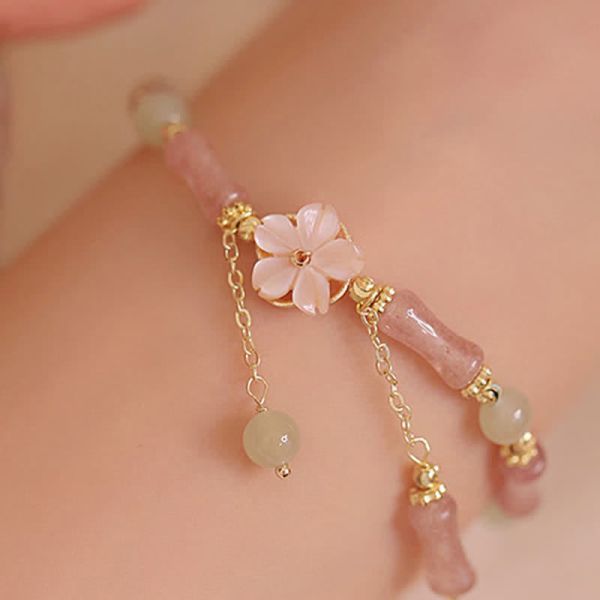 Buddha Stones Strawberry Quartz Bamboo Hetian Jade Romantic BraceletSpecial Price $39.59 Regular Price $54.23
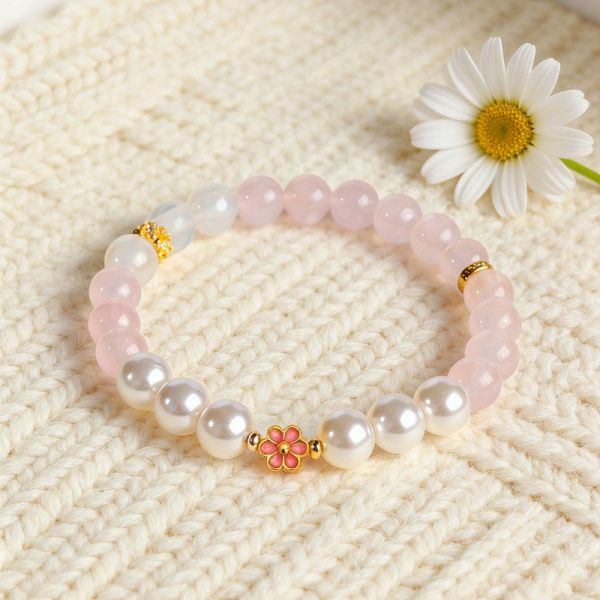 Buddha Stones Rose Quartz Clear Quartz Sweet Blossom Harmony BraceletAs low as $25.59 Regular Price $36.04
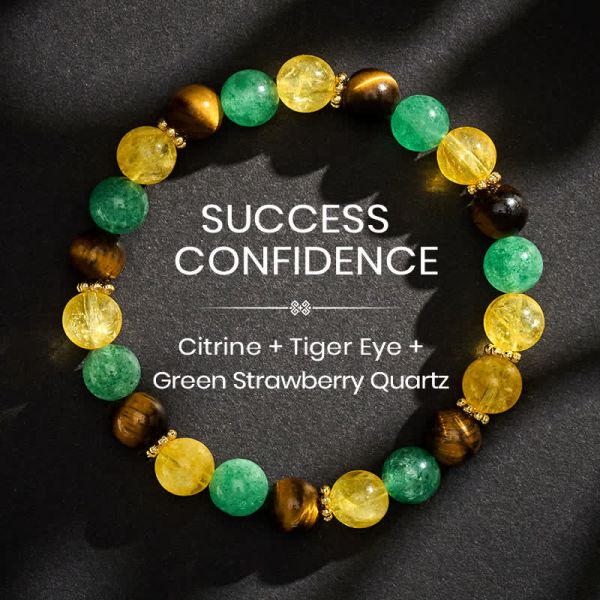 Buddha Stones Citrine Tiger Eye Green Strawberry Quartz Beads Happiness BraceletSpecial Price $25.59 Regular Price $34.12
 Buddha Stones White Cat's Eye Moonstone Black Rutilated Quartz Beads Abundance BraceletSpecial Price $25.59 Regular Price $34.58