Phoenix Care Tips for Embroidered Bags and Burners
A clean, dry cloth is the first tool to prepare for routine care. These phoenix care tips explain how to remove dust, handle small marks, check bag closures, and maintain peach wood and alloy incense burners. The phoenix is the decorative motif; the material underneath determines your cleaning method. At Buddha Stones, we recommend starting with gentle, dry care and checking any supplied care instructions before introducing water or a cleaning product.
1. Begin your phoenix care tips with a material check
Empty the bag or let the incense burner cool completely before examining it. Work on a clear surface with enough light to see embroidery, seams, corners, and fittings. Separate loose contents from the object so nothing catches or spills during cleaning.
Identify the different surfaces before choosing a method. Fabric, embroidery, ceramic accessories, wood, and alloy need separate attention. A method suitable for one part may be unsuitable for an adjoining part. Do not assume a bag can go into a washing machine because its main fabric contains cotton. Likewise, an alloy component does not make a wooden burner suitable for soaking.
Check for loose threads, an opening seam, a damaged closure, or an unstable burner component. Set aside anything that needs repair before continuing with ordinary use.
2. Lift dust without pulling the embroidery
Support an embroidered bag from underneath so the fabric lies comfortably without stretching. Use a clean, soft cloth to lift loose dust with light contact. Work over a small area at a time, avoiding repeated rubbing across raised threads.
For dust sitting near a seam, use a clean brush with very soft bristles and short, gentle strokes. Stop if the bristles catch. Do not drag the brush through a loose thread or use a lint roller over embroidery that might snag.
Wipe accessible ceramic accessories separately while supporting their attachment points. Keep the bag away from the ash-cleaning area: a cloth or brush used for an incense burner should not then be used on fabric. Put cleaning tools away clean so the next session does not begin with transferred dirt.
3. Approach small marks cautiously
Blot a fresh liquid spill with a clean, absorbent cloth. Press lightly and lift; rubbing can spread the mark and disturb the stitching. Empty the bag promptly if liquid reaches the inside, then keep the opening accessible while it dries.
Check the supplied care directions before attempting wet cleaning. If they permit a damp cloth, test a barely damp area on an inconspicuous section first. Let that test area dry fully and inspect it for color transfer, a ring, or a change in texture before proceeding.
Avoid applying bleach, stain remover, alcohol, or household polish as an improvised treatment. Do not scrub a persistent mark simply because the first gentle attempt leaves it visible. For an uncertain stain or damaged embroidery, ask a textile cleaning professional to assess the material before treatment.
4. Check straps and closures before carrying
Look at the strap attachments and seams while the bag is empty. Close and reopen the fastening gently, checking that fabric and decorative threads stay clear of its moving parts. If a zipper resists, stop and inspect the obstruction instead of pulling harder.
Adjust an adjustable strap before loading the bag. Keep contents from forcing the main pocket outward, and place sharp or snagging objects inside a separate pouch. There is no need to fill every available corner.
Lift the bag by its intended handles or strap, supporting the base when necessary. Avoid hanging a loaded bag from an embroidery thread, accessory, or closure cord. If a thread comes loose, leave it undisturbed until it can be assessed rather than pulling it to see where it leads.
5. Remove burner ash only after cooling
Wait until the incense, ash, and burner are completely cold before cleaning. Move the cooled burner to a clear work area, then gently collect loose ash without scattering it. Use a separate soft brush for accessible corners, keeping pressure light around decorative details.
Wipe the peach wood exterior with a dry cloth. Do not immerse the burner or flood gaps between wood and alloy. Avoid metal scraping tools, abrasive pads, and unverified polishing compounds. If residue remains firmly attached, leave it in place until you have suitable care guidance.
Before another use, check that the burner is stable and that the incense can sit securely in the intended position. Use a level, heat-resistant surface away from fabric and paper. Keep burning incense attended, and allow everything to cool before moving or storing it.
6. Give stored pieces room and a dry setting
Store a bag only when it is fully dry and empty of anything that could leak. Arrange its strap without tight knots, and avoid pressing heavy objects against embroidered areas. If a crease needs attention, seek appropriate fabric guidance before applying an iron directly to the decoration.
Choose storage away from direct sunlight, damp walls, and heaters. Keep cooled, cleaned burners apart from bags so residual ash cannot transfer to fabric. A breathable cover can help keep settled dust off a stored textile without pressing against its surface.
Check stored items occasionally for moisture, dust, or pressure marks. Correct the storage conditions before returning them to the same place.
Mistakes to avoid during cleaning and storage
- Using one cleaning method everywhere: Treat fabric, accessories, wood, and alloy according to the surface involved.
- Rushing a damp test: Wait until the area dries before deciding that a cleaning method is suitable.
- Pulling a snag: Tugging can disturb neighboring stitches or open a seam further.
- Scraping stubborn residue: Stop when gentle cleaning is insufficient rather than increasing force.
- Packing away warmth or moisture: Let a burner cool completely and let damp fabric dry before storage.
- Ignoring a changing fit: A closure under tension or a shifting burner component needs attention before continued use.
Phoenix bags and incense burners: product details
Cotton linen bag with a phoenix option
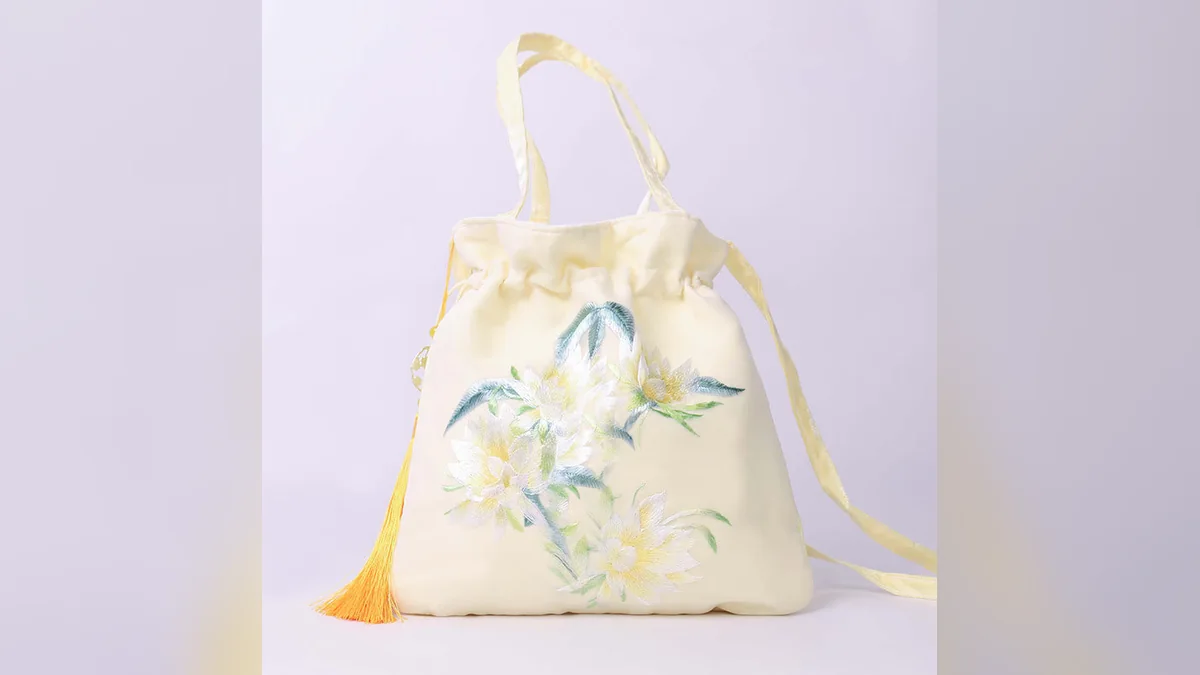
Our Lotus Peony Epiphyllum Phoenix Suzhou Embroidery Bag comes in options including Yellow Golden Phoenix 21*22cm. Its materials are cotton linen fabric and ceramic bead accessories. The size is 21*22cm, and the shoulder bag strap length is 130cm. It has an adjustable strap, a strap closure, and one main pocket. The package contains one bag.
Double-sided embroidery canvas handbag
The Money Tree Peony Phoenix Apple Blossom Double-Sided Embroidery Handbag includes a Double Phoenix option. Its materials are cotton, canvas fabric, and polyester. Dimensions are 31*10.5*23cm(Length*Width*Height), and its weight is 180g. It has one main pocket, a zipper closure, and non-adjustable straps. One bag is included.
Round bag incense burner
The Peach Wood Dragon Phoenix Luck Round Bag Incense Burner uses peach wood and alloy. Its size is Approx. 10 cm × 10 cm × 4 cm (L × W × H) / 3.94 in × 3.94 in × 1.57 in (L × W × H). Options include Dragon Phoenix, Bowl-shaped, and Jar-shaped.
Square incense burner
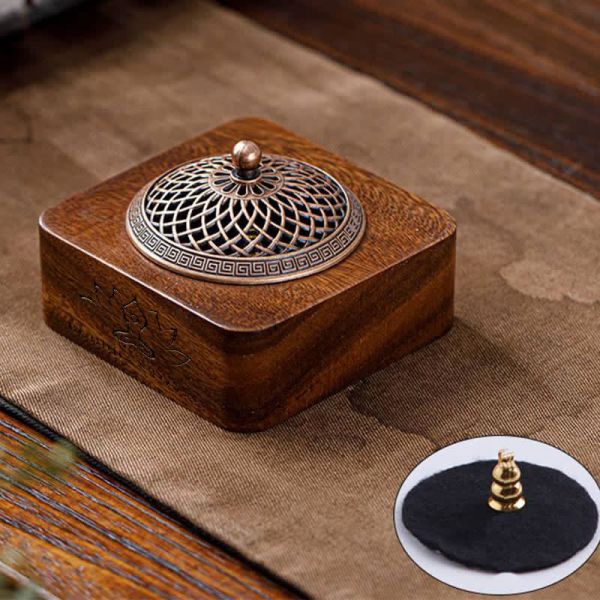
The Peach Wood Dragon Phoenix Protection Square Incense Burner also uses peach wood and alloy, with options including Dragon Phoenix and Lotus Design. Its size is Approx. 10 cm × 10 cm × 4 cm (L × W × H) / 3.94 in × 3.94 in × 1.57 in (L × W × H).
Both burners accommodate stick, cone, or spiral incense. Each burner package contains one incense burner; incense is not included. Their handmade nature means slight variations in color, shape, and size may occur. “Luck” and “Protection” in their names express traditional wishes. Neither is a guaranteed result.
Keep care simple: inspect first, remove loose dust gently, and stop before a cleaning method becomes forceful. Let the material and any supplied instructions guide your next step.
Shop the story
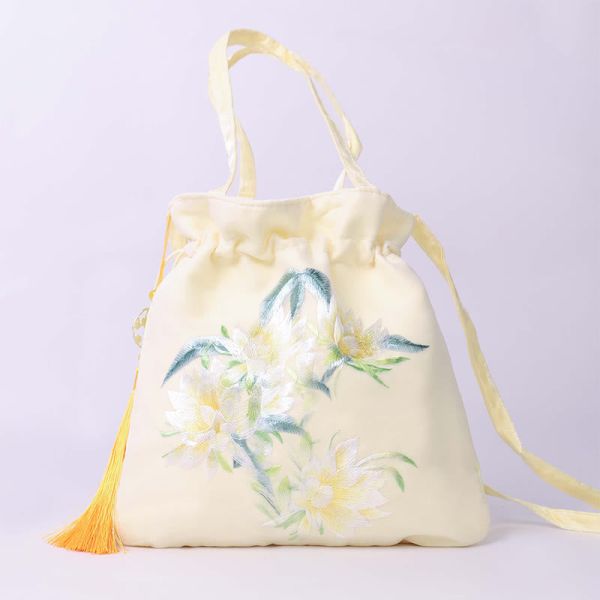 Buddha Stones Lotus Peony Epiphyllum Phoenix Suzhou Embroidery Cotton Linen Tote Crossbody Bag Shoulder Bag HandbagAs low as $22.59 Regular Price $32.27
 Buddha Stones Money Tree Peony Phoenix Apple Blossom Double-Sided Embroidery Cotton Canvas Shopping Purse HandbagAs low as $19.59 Regular Price $27.21
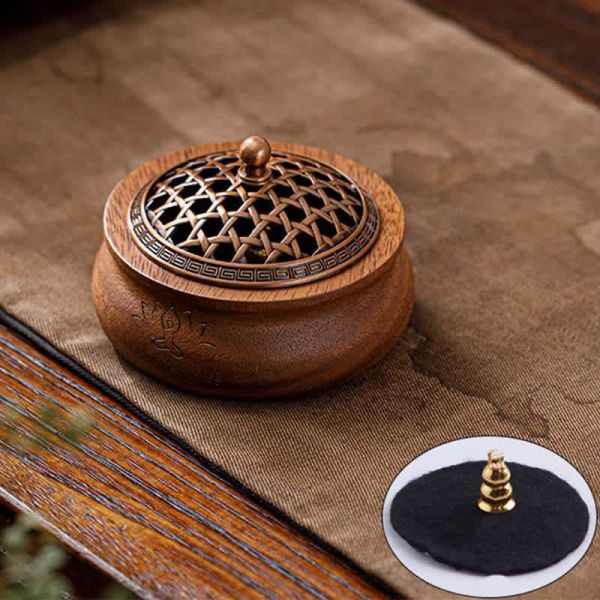 Buddha Stones Peach Wood Dragon Phoenix Luck Round Bag Incense BurnerAs low as $38.59 Regular Price $51.45