
Phoenix Buying Guide: Care for Jewelry, Cups, and Bags
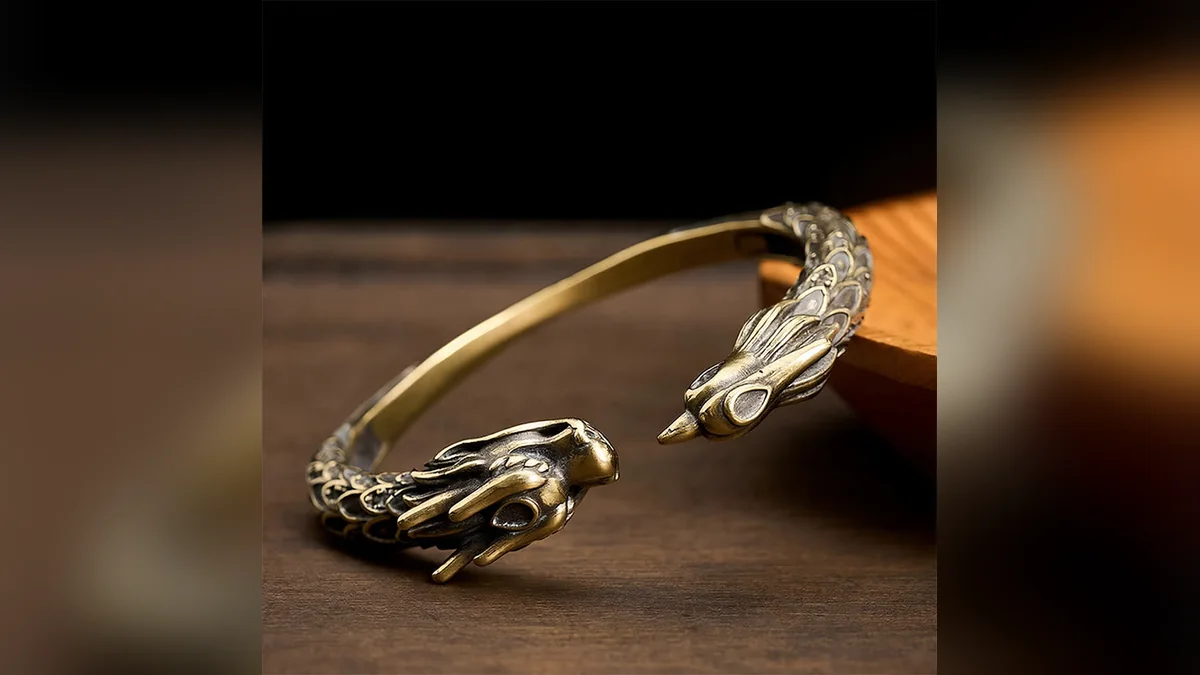
Bag straps collect dust, teacups develop tea marks, and cuffs need a wipe after wear. This phoenix buying guide explains how to choose a phoenix design by material, fit, and closure, then clean, use, and store it with appropriate care. At Buddha Stones, we recommend starting with the object's practical role: a cup needs attention at the rim, a bag at its seams, and a cuff at its opening.
The motif can guide your choice of decoration. The material should guide your care routine. Keep those decisions separate, and avoid applying one cleaning method to everything bearing the same bird.
Tools and materials for gentle upkeep
Set out a clean towel and work somewhere you can see small snags, marks, or chips. Keep the cup-washing supplies separate from cloths used on jewelry. A cloth that holds metal residue should not be used inside drinkware.
- Soft, lint-free cloths: use a dry cloth for routine cuff wiping and another for drying the cup.
- A soft brush: choose gentle bristles for loose dust on bag fabric, working around embroidery rather than dragging across raised threads.
- Mild dish soap and a soft sponge: reserve these for hand-washing the ceramic cup.
- A clean, lightly dampened cloth: use it for cautious spot cleaning on fabric after testing a hidden area.
- A measuring tape: check bag dimensions against what you plan to carry and consult the cuff's sizing information before choosing.
Before adding any cleaner, check the item's care directions. Where a finish, dye, or decorative treatment is unspecified, start with dry wiping or brushing and avoid aggressive products.
A step-by-step routine from use to storage
- Inspect before use. Look along the cup rim and base for chips or cracks. Check the cuff opening for rough edges or visible distortion. On a bag, examine the strap attachments, closure, and any loose threads. Set aside anything that needs attention before filling, wearing, or carrying it.
- Use the piece within its practical limits. Set the cup on a steady surface and allow it to cool before washing. Put capped pens and closed containers inside a fabric bag; avoid loose sharp objects that could catch the stitching. Remove the cuff before washing or handling household cleaners.
- Remove loose residue first. Empty the bag and gently brush away dust. Wipe the cuff with a dry cloth, reaching accessible areas without forcing fabric into narrow details. Rinse tea residue from the cooled cup before it dries into a heavier mark.
- Clean according to material. Hand-wash the cup with mild dish soap and a soft sponge, then rinse thoroughly. For bag marks, test a barely damp cloth inside an inconspicuous area first. Stop if color transfers. Dab rather than rub, and avoid saturating embroidery or attachments. Keep routine cuff care to gentle dry wiping unless suitable cleaning instructions say otherwise.
- Dry before putting away. Dry the cup and leave it uncovered until remaining moisture has evaporated. Let a damp fabric area air-dry away from direct heat. Do not close a bag around damp contents. Check the cuff for moisture before placing it in storage.
- Store without pressure. Give the cup a stable shelf position where its rim will not knock against other objects. Lay the cuff in its own compartment. Support an empty bag so that its straps and decorative areas are not trapped beneath heavy belongings.
Repeat the inspection whenever something catches, feels loose, or looks different. Routine cleaning does not need to become a long session: address fresh residue promptly, then let the material dry fully.
What not to do when cleaning phoenix designs
Do not use the phoenix motif as a reason to choose a special cleaning treatment. Incense smoke, salt, and decorative rituals are not substitutes for removing dust or washing drinkware. Our care approach follows the material and construction.
Avoid abrasive pads on ceramic, hard scrubbing over embroidery, and metal polish on an unspecified cuff finish. Lemon juice, vinegar, and baking soda mixtures can be too aggressive for decorative surfaces. A darker area on copper is not, by itself, a reason to polish until the color disappears.
Do not assume dishwasher, microwave, or washing-machine suitability when it has not been stated. Avoid sudden temperature changes with ceramic. Never use a cup rim to tap a spoon clean, tug loose embroidery threads, or repeatedly bend an open cuff to change its fit.
When to replace or retire a piece
Retire a chipped or cracked cup from drinking use. Pay attention to the rim, where damage may be difficult to see at a glance. Do not rely on a household glue repair to make damaged drinkware suitable for hot tea again.
Set a cuff aside if it develops a crack, a sharp edge, or an opening that no longer holds its shape. A change in surface color differs from structural damage. For a bag, stop carrying a load if stitching separates at a strap attachment, a closure fails, or fabric tears around a seam.
A loose thread may need a small repair; torn fabric at a load-bearing attachment needs closer assessment. If repair is uncertain, keep the bag for light storage or retire it from carrying. Base the decision on condition rather than a fixed replacement schedule.
Phoenix buying guide: products matched to your routine
A copper cuff with two named options
Our Antique Brass Dragon and Phoenix Open Cuff Bracelet has copper as its specified material, with Brass and Dark Brass options. Its inner diameter is Approx. 54–56 mm, and the package contains 1 × Bangle. Check the palm-width sizing guidance before selecting it. The word Brass in an option name should not replace the copper specification when planning care.
A ceramic cup in two phoenix sizes
The Vintage Phoenix Ceramic Teacup has Phoenix options labeled 5.8cm*5.5cm*95ml and 6.1cm*6.5cm*130ml. Select the capacity that suits your intended serving size. These are ceramic cups, so build your routine around gentle hand-washing and careful handling at the rim. Confirm the Phoenix option when choosing, since the product also offers other motifs.
An adjustable bag with a strap closure
The Phoenix Suzhou Embroidery Cotton Linen Bag offers a Yellow Golden Phoenix 21*22cm option. Materials are cotton linen fabric and ceramic bead accessories. It has one main pocket, an adjustable strap, a strap closure, and a shoulder bag strap length of 130cm. Include the bead accessories in your visual inspection, and keep spot cleaning controlled around their attachments.
A canvas bag with a zipper closure
Our Double Phoenix Embroidery Canvas Handbag includes a Double Phoenix option. Its specified materials are cotton, canvas fabric, and polyester. Dimensions are 31*10.5*23cm(Length*Width*Height), and its weight is 180g. It has one main pocket, a zipper closure, and non-adjustable straps. Check the zipper path for caught threads before pulling, and choose it only if fixed straps suit your intended use.
Keep the care routine easy to repeat
Choose the phoenix design you enjoy, then give its material the attention it needs. Keep a wiping cloth accessible, allow drying time after cleaning, and inspect the places that take the load or meet a hard surface. Small, consistent checks make it easier to decide when to clean, repair, or stop using a piece.
Shop the story
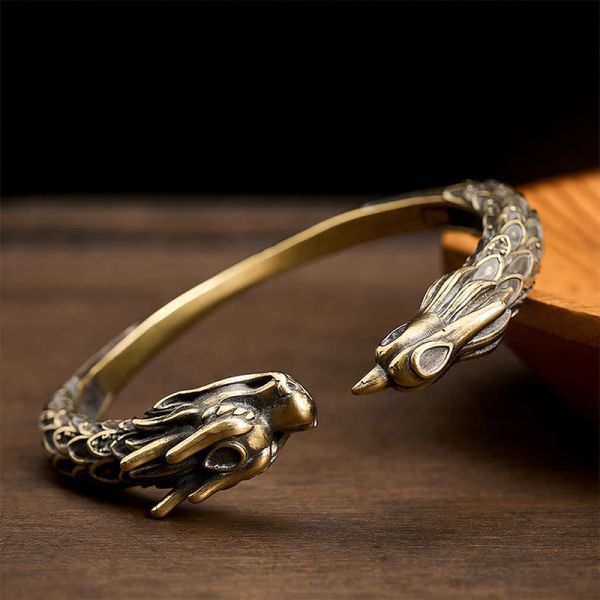 Buddha Stones Antique Brass Dragon and Phoenix Strength Open Cuff BraceletAs low as $25.59 Regular Price $34.12
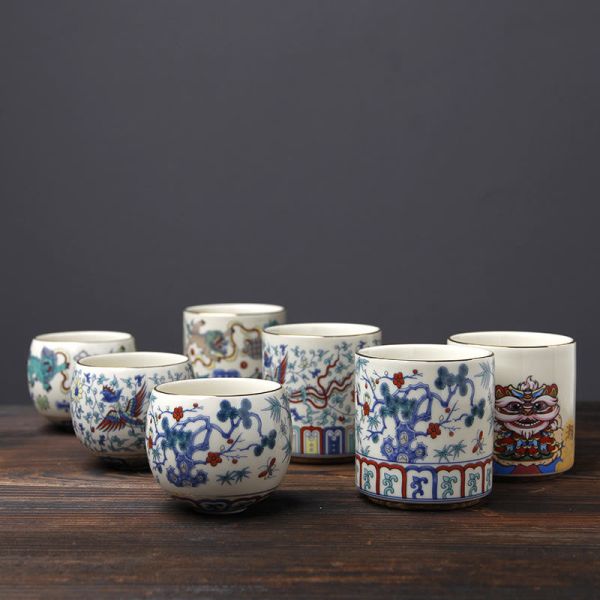 Buddha Stones Vintage Plum Blossom Pine Bamboo Phoenix Kirin Lion Dancing Ceramic Teacup Tea CupsAs low as $32.59 Regular Price $43.45
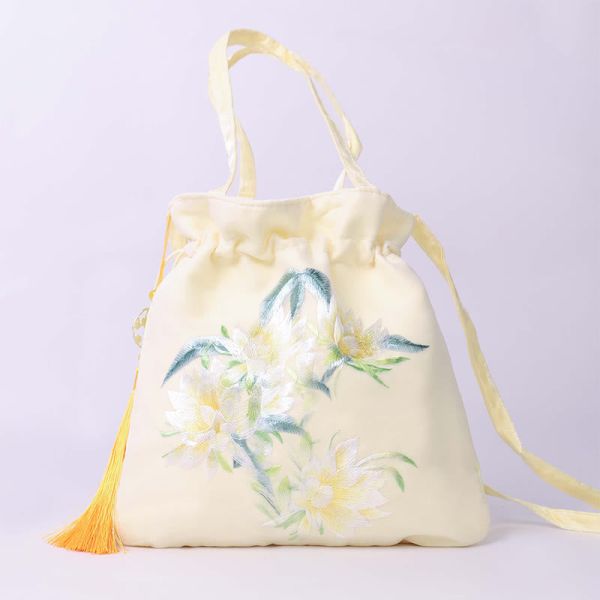 Buddha Stones Lotus Peony Epiphyllum Phoenix Suzhou Embroidery Cotton Linen Tote Crossbody Bag Shoulder Bag HandbagAs low as $22.59 Regular Price $32.27
 Buddha Stones Money Tree Peony Phoenix Apple Blossom Double-Sided Embroidery Cotton Canvas Shopping Purse HandbagAs low as $19.59 Regular Price $27.21