
Peony Jewelry Guide: Daily Care and Bag Pairings
Dust can collect between the petals of a flower-shaped pendant. This peony jewelry guide explains how to inspect floral details, remove loose dust, prevent catching, and decide when a piece needs repair. We also cover carrying jewelry alongside peony bags, with attention to fabric, closures, and chain straps.
Begin with the material and construction, rather than the flower motif. A peony design may have projecting petals, recessed details, or attached decorations, but its shape does not tell you which cleaning method is suitable. The products featured below are bags; their care needs are separate from those of jewelry.
Tools and Materials for Gentle Handling
Prepare a clear workspace before opening a clasp or examining a loose detail. A folded towel gives you a defined place to set small items and helps keep them from rolling away.
- A clean, lint-free cloth: choose an untreated cloth for an initial dry wipe.
- A soft brush: use only for loose dust on accessible, secure surfaces; skip it around loose settings or delicate threads.
- A shallow tray: keep removable parts together during inspection.
- Separate jewelry compartments or pouches: prevent chains, pins, and projecting petals from tangling together.
- The care instructions: check material information before choosing any liquid or polishing product.
Keep jewelry cleaning supplies away from bag fabric. A treatment intended for a particular metal may leave a mark on textiles or damage another component. If you cannot identify a material, limit home care to gentle dust removal and ask a jeweler before proceeding.
Peony Jewelry Guide: A Step-by-Step Routine
-
Inspect before putting the piece on. Look at the edges of the petals, the attachment point, and the clasp. Check for a bent pin, an opening in a connecting ring, or a decoration that moves unexpectedly. Avoid repeatedly pressing a loose part to test it; set the piece aside for assessment.
-
Remove loose dust without digging into details. Support the piece on the towel and wipe accessible surfaces lightly. Move around raised petals instead of dragging the cloth across them. If a cloth catches, stop and lift it away carefully. Do not pull it through the snag.
-
Match further cleaning to confirmed materials. Use the maker’s instructions for the complete piece, including settings, coatings, and attached decorations. Approval for cleaning one component does not establish that the whole piece can be soaked. If dry wiping leaves residue, pause rather than applying a stronger cleaner by guesswork.
-
Put jewelry on after dressing. Finish applying lotion, fragrance, and hair products first, and allow them to dry. Fasten necklaces and bracelets where you can see the closure. Hold a floral pendant by its main body rather than using a projecting petal as a handle.
-
Check the path of your bag strap. Position a strap so it does not repeatedly rub against a pendant or catch a brooch. Watch for chain links near openwork details. If contact is unavoidable, change the jewelry placement or carry the bag differently. Do not force a chain past a caught flower detail.
-
Pack removed jewelry separately. Close clasps before placing pieces in individual compartments or pouches. Cover a brooch pin with its fastening. Avoid dropping loose jewelry into a bag pocket with keys or coins, where small details can be scratched, bent, or tangled.
-
Check again before storage. After removal, look for caught fibers and signs of wear at attachment points. Let any moisture dry according to the material’s care instructions before putting the piece away. Arrange chains without tight knots, and leave enough space that petals are not pressed under other objects.
For a coordinating bag, empty the pockets before checking seams, strap attachments, and the closure. Use light, dry dust removal as a cautious starting point. For an unfamiliar stain, obtain material-specific advice before treating the visible surface.
What Not to Do Around Petals, Fabric, and Chains
Do not assume a floral design can tolerate scrubbing. Raised edges can catch a cloth, while recesses can retain cleaning residue. Avoid needles or other sharp tools for picking dirt from small spaces.
Skip toothpaste, abrasive powders, and household cleaning mixtures. Do not use an ultrasonic cleaner, steam, or immersion unless the complete jewelry construction is confirmed suitable. A familiar-looking surface is not enough to identify its material.
Keep jewelry polishing cloths and liquid cleaners off bag fabric. Do not apply a washing, bleaching, or ironing routine to a mixed-material bag simply because one component seems washable.
Never force a zipper or buckle against an overfilled compartment. Remove the obstruction first. Avoid attaching a brooch directly to a bag without considering the pin holes and strain it could leave in the fabric.
When to Repair, Replace, or Retire a Piece
Pause wear when a clasp no longer closes securely, a pin remains exposed, a connecting ring has opened, or a setting moves. A sharp petal edge or repeated catching also deserves attention. Cleaning cannot correct these structural problems.
A jeweler can assess whether a clasp, attachment, or setting can be repaired. Avoid bending small parts back and forth at home; repeated movement can make a damaged area worse.
For bags, stop carrying items when a strap attachment pulls away, a chain connection opens, or a closure fails to hold. Empty the bag before arranging repair. Surface wear alone does not require retirement, but unreliable construction should change how you use it. A sentimental piece can remain stored when regular use is no longer practical.
Peony Bags to Pair with Your Jewelry
Our peony bag options offer different closures, pocket arrangements, and strap types. Compare those details with how you carry your belongings, and keep removed jewelry in its own container inside the bag.
Suzhou Embroidery Silk Bag
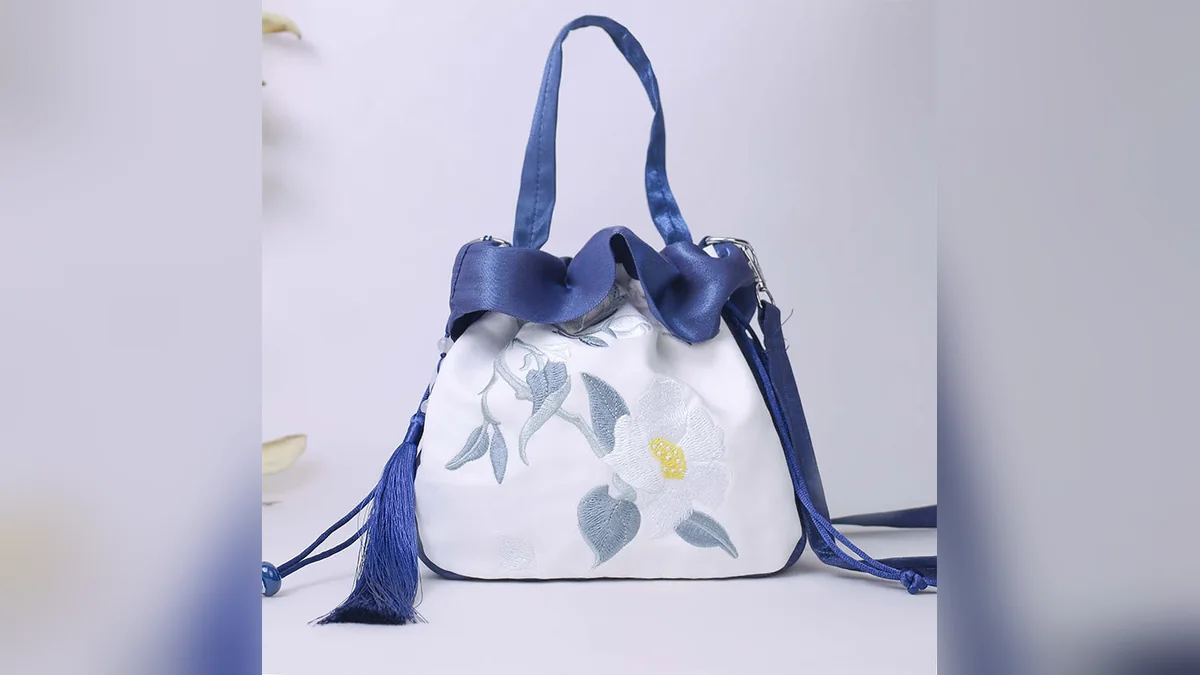
The Buddha Stones Suzhou Embroidery floral silk bag has a Light Blue Peony option. Its materials are Silk Fabric and Ceramic Bead Accessories, and its size is 20*20*7cm. It has an adjustable strap, a stated shoulder strap length of 130cm, a strap closure, one main pocket, and one zipper interior pocket. When packing, keep sharp jewelry findings enclosed.
Vintage Peony Shoulder Bag
The Buddha Stones Vintage Bamboo Magpie Peony Butterfly shoulder bag includes a Green Peony option. Its size is 22-32*19.5*11.5cm(Height*Width*Thickness). Materials include Cotton Linen, Cotton, Polyester, Leather, Metal, and Tassels, with a Polyester lining. A non-adjustable strap and buckle closure accompany one main pocket and one interior zipper pocket. Keep jewelry clasps from catching the tassels.
Vintage Peony Zipper Bag
The Buddha Stones Vintage Flower Peony metal chain zipper bag offers Black Peony and Dark Blue Peony options among its designs. It measures 20*14*7cm(Width*Height*Thickness), with a 110cm non-adjustable metal chain strap, a zipper closure, and one main pocket. Its materials include Polyester, Cotton, Leather, Metal, and Metal Chain; the lining is Cotton. Keep loose chains clear of the zipper.
Small Green Peony Butterfly Bag
The Buddha Stones Small Green Peony Butterfly cellphone bag measures 20*16*4cm(Width*Height*Thickness). Polyester, Cotton, Metal, and Metal Chain are specified, with a Cotton lining. It has one main pocket, a buckle closure, and a 110cm non-adjustable metal chain strap. Check your phone’s measurements, including its case, before choosing it; exterior dimensions do not establish usable interior space.
Finish by Making the Next Wear Easier
Put inspected jewelry back in its assigned compartment and store your bag without pressing its decorations under heavy objects. Leave any piece needing repair apart from ready-to-wear items. A clear storage arrangement makes it easier to notice a missing fastening, avoid tangles, and choose accessories without pulling at delicate details.
Shop the story
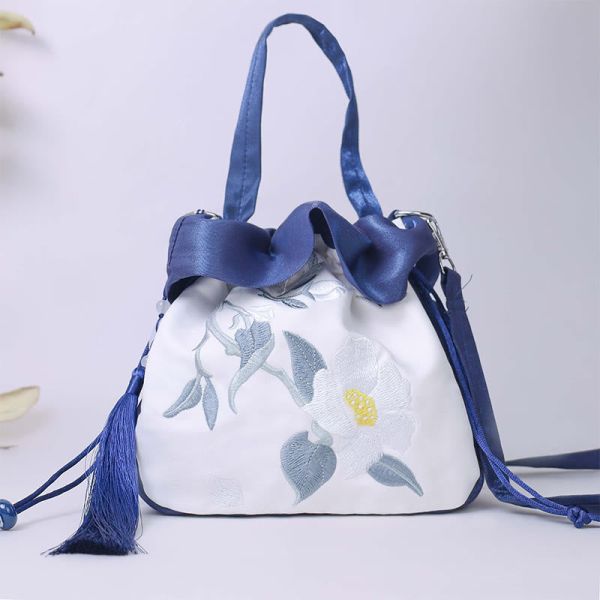 Buddha Stones Suzhou Embroidery Camellia Magnolia Peony Lotus Silk Tote Crossbody Bag Shoulder Bag HandbagAs low as $22.59 Regular Price $30.95
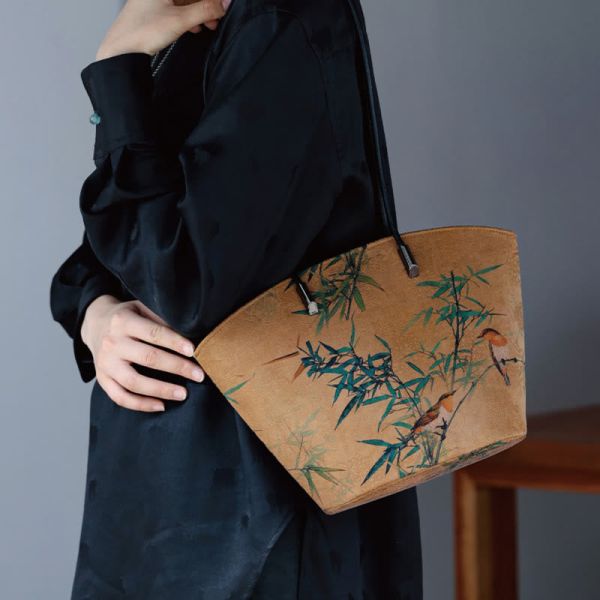 Buddha Stones Vintage Bamboo Magpie Peony Butterfly Large Capacity Shoulder Bag HandbagAs low as $189.59 Regular Price $263.32
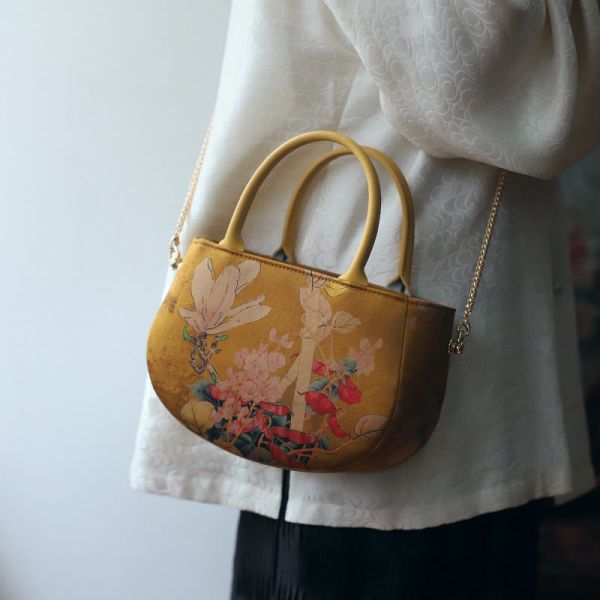 Buddha Stones Vintage Flower Peony Metal Chain Zipper Handbag Crossbody Bag Shoulder BagAs low as $209.59 Regular Price $283.23
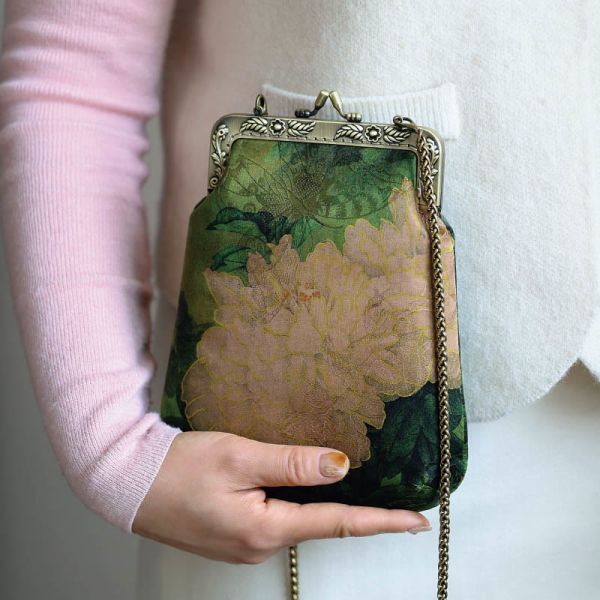 Buddha Stones Small Green Peony Butterfly Metal Chain Crossbody Bag Shoulder Bag Cellphone BagSpecial Price $79.59 Regular Price $112.10