Pendant vs Locket: A Practical Wear and Care Manual
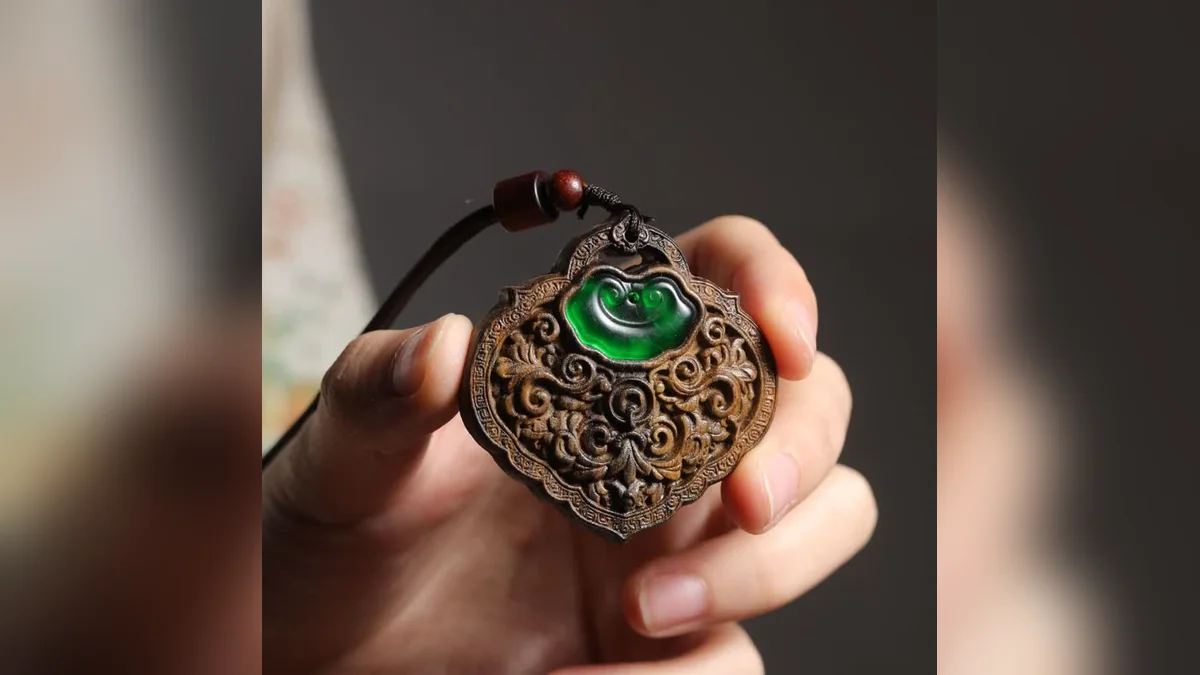
A necklace can collect dust where its hanging ornament meets the cord or chain. For everyday care, the pendant vs locket distinction starts with construction: a pendant is an ornament suspended from jewelry, while a locket is a small container that opens to hold a keepsake. A locket worn on a necklace is also a pendant. This manual explains how to inspect the attachment, clean around different materials, handle an opening compartment, and recognize when a piece needs repair.
At Buddha Stones, we recommend starting with the materials and moving parts you can identify. A decorative lock shape does not establish that an ornament opens. Check the product description before treating any design as a working locket.
Tools and materials for pendant vs locket care
Prepare a clear, dry surface before removing jewelry. A shallow tray lined with a clean cloth helps contain a loose attachment or a small paper insert. Work away from an open sink, where an accidental drop can become difficult to retrieve.
- Clean, soft cloths: Use one for the ornament and another beneath the piece. Choose plain cloths without polishing compounds.
- A soft, dry brush: A small brush can lift loose dust from accessible recesses. Use light strokes and stop if fibers catch.
- Good light: Position a lamp so you can examine cord wear, attachment gaps, and the edges of a compartment.
- Separate storage spaces: Use divided compartments or individual pouches to limit rubbing and tangles.
- Optional replacement paper: For a working photo locket, prepare a correctly sized copy of a photograph before inserting it.
Keep liquid cleaners off the work surface until you have material-specific care instructions. Wood, cord, metal, stones, finishes, and paper can require different treatment. For mixed materials, follow the most restrictive instruction that applies to the assembled piece.
A step-by-step routine from removal to storage
- Remove the piece without pulling its ornament. Release a clasp or adjustment as intended, supporting the hanging part with your other hand. Ease an elastic bracelet over your hand with minimal stretching. Remove jewelry before washing, swimming, or tasks that could snag it.
- Inspect the support first. Look along the cord, chain, or string and around the attachment loop. Check for fraying, uneven stretching, open links, and sharp edges. An ornament can look clean while the part carrying its weight needs attention.
- Identify any opening mechanism. If you have a working locket, locate its intended opening edge. Open it gently over the lined tray. If the mechanism resists or you cannot identify how it works, stop. Never assume a seam or decorative line is an opening.
- Remove loose keepsakes before cleaning. Handle paper inserts with clean, dry hands and set them aside. Leave fitted covers or internal frames alone unless you know they are removable. Make a copy of an irreplaceable photograph for regular use.
- Lift dust, then wipe lightly. Brush accessible crevices without pushing debris toward a hinge. Wipe exposed surfaces with the plain cloth, supporting the ornament rather than tugging on its cord. For wood and mixed-material pieces without further instructions, keep this routine dry.
- Check the compartment before closing. For a locket, confirm that its interior and insert are dry. Keep paper clear of the rim, hinge, and catch. Close with gentle pressure at the intended fastening point; stop if the lid will not sit correctly.
- Put it away without tension. Lay a necklace in a loose curve with its ornament supported. Give a bracelet enough space to rest without stretching. Keep storage dry and away from direct sunlight, damp bathrooms, and sources of heat.
Before wearing the piece again, check that the attachment is secure and any working locket stays closed. Position hanging jewelry so it will not repeatedly knock against buttons, zippers, or another ornament. Choose a shorter or different piece when an activity makes snagging likely.
What not to do during cleaning or wear
Do not soak an assembled ornament because one visible stone appears washable. Water may reach cord, wood, an insert, or an unidentified fastening. The same caution applies to steam and ultrasonic cleaning: use them only when care guidance confirms suitability for the complete piece.
Avoid toothpaste, abrasive powders, household sprays, and polishing cloths intended for an unidentified metal. Do not add oil or fragrance to wood or rope without specific instructions. A surface change does not automatically call for a stronger cleaner.
Never pry open a locket with a knife, force an oversized insert inside, or keep testing a loose hinge by bending it. Do not pull a pendant to tighten a knot. Remove necklaces before bed to limit tangling and accidental strain on their attachments.
When to replace a part or retire a piece
Stop wearing jewelry if a cord is visibly frayed, an elastic string remains stretched, an attachment has opened, or a stone is loose. Set it aside for assessment by a jewelry repair professional. Replacing a worn support may allow continued use, provided the ornament and its connection remain sound.
A locket that opens unexpectedly needs attention before it carries a keepsake again. A bent lid, loose hinge, or damaged catch should be assessed rather than pressed back repeatedly. Keep the insert elsewhere until the closure works reliably.
Color variation and wood patina are different from structural damage. Look for changes such as spreading cracks, splintering, or loose connections. If repair cannot provide a dependable attachment, retire the piece from wear and keep it in a suitable display or storage space.
Our products: care details to check before wearing
These examples show why construction and material details matter. None of the supplied descriptions establishes an opening keepsake compartment. Words such as Luck and Protection in product names express traditional wishes; they do not guarantee results.
Sappanwood and green agate lock necklace
Our Sappanwood Carved Green Agate Luck Lock of Good Wishes Necklace combines Sappanwood, Teak, Green Agate, and Rope. Its necklace length is Approx. 22 in / 56 cm. The care information explicitly says to avoid water exposure. Wood grain and color can vary, and a richer patina may develop over time. Use the dry routine, and treat the lock name as a design description unless opening functionality is confirmed.
Double pendant necklace options
The Natural Stone Opal Double Pendant Necklace offers options including Amethyst, Black Onyx, Clear Quartz, and Opal. Choose care instructions for the selected option and confirmed construction. The supplied specifications do not establish necklace length or fastening materials, so do not infer those details from the product name.
Sandalwood cat and black obsidian necklace
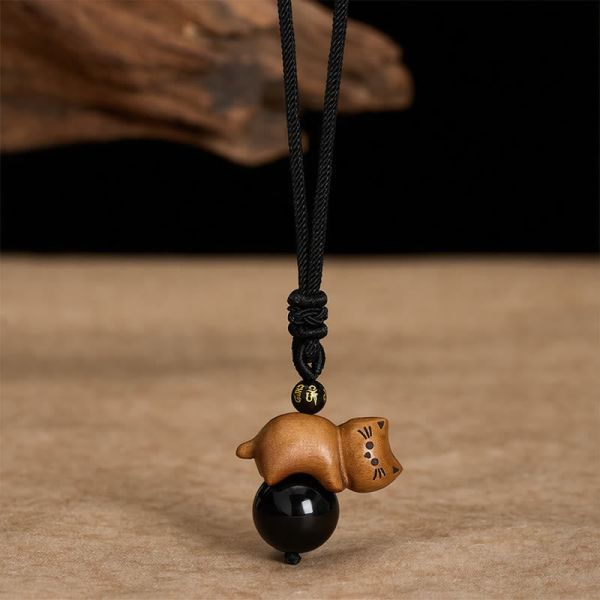
The Sandalwood Cat Black Obsidian Om Mani Padme Hum Rope Necklace uses Sandalwood, Black Obsidian, and Rope. Its necklace length is Approx. 18 in / 45 cm. Avoid water exposure as directed. The sandalwood may show variations in grain and color and develop a richer patina; check the rope separately for wear.
Citrine gourd pendant bracelet
Our Chinese Inspired Citrine Pi Xiu Luck And Abundance Gourd Pendant Bracelet is a bracelet made with Citrine, Clear Quartz, and Copper Alloy. Its band uses Premium Elastic String. Support the bracelet during wiping and avoid stretching the string to reach between beads. The word pendant in its name does not make it a necklace or establish a compartment.
Keep the routine simple and consistent
Make inspection part of putting jewelry away: check the support, remove loose dust, and give the ornament its own space. For a locket, add an interior and closure check. Let the actual materials and construction guide care, and pause wear when a connection becomes unreliable.
Shop the story
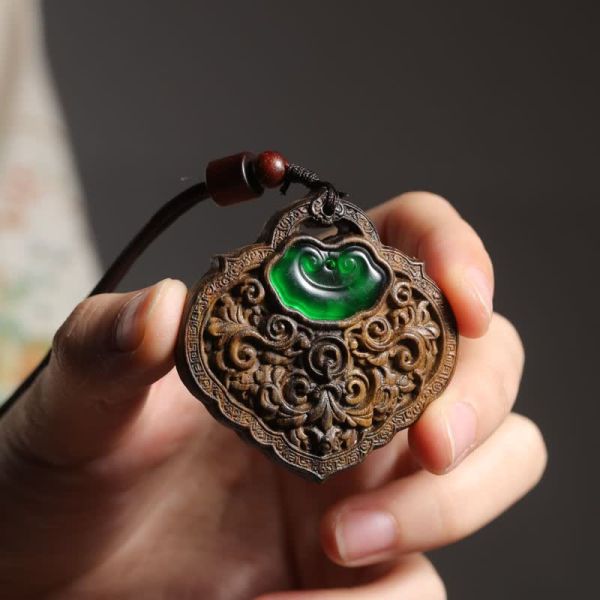 Buddha Stones Sappanwood Carved Green Agate Luck Lock of Good Wishes NecklaceSpecial Price $25.59 Regular Price $34.58
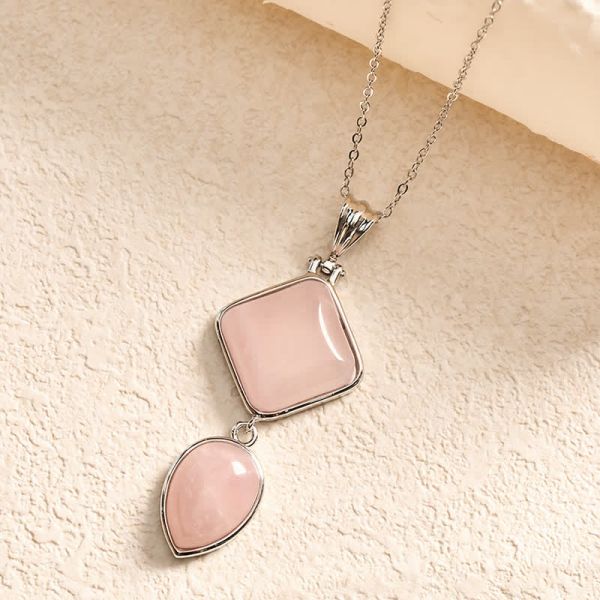 Buddha Stones Natural Stone Opal Double Pendant Calm NecklaceAs low as $25.59 Regular Price $35.54
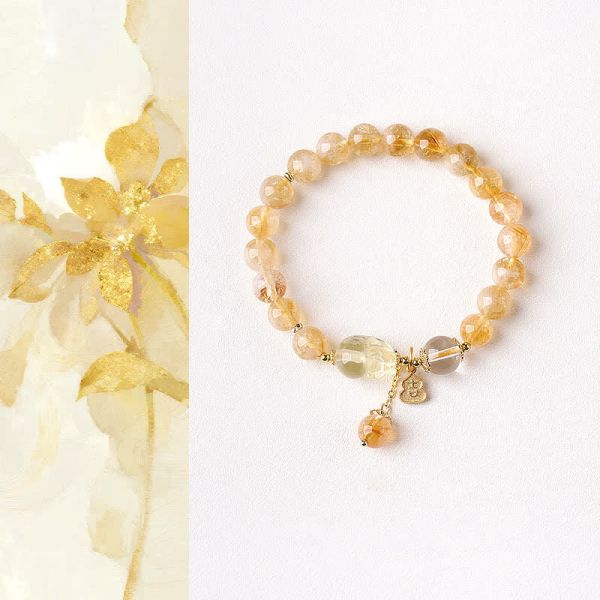 Buddha Stones Chinese Inspired Citrine Pi Xiu Luck And Abundance Gourd Pendant BraceletSpecial Price $33.59 Regular Price $45.39