
Necklace and Pendant Guide: Everyday Wear and Care
A necklace cord often shows wear where it passes through the pendant. That small contact point deserves a check before you put the necklace on. Our necklace and pendant guide explains how to inspect attachments, remove surface dust, handle cords, and put jewelry away without tangles. It also covers the signs that mean you should pause wear or replace a supporting part. Start with the materials and construction you can confirm; a stone name alone does not tell you how to care for the whole necklace.
Tools and materials for a gentle care routine
Set up a clear, dry surface before opening a clasp or moving a knot. Spread a clean cloth beneath the necklace so the pendant has somewhere padded to rest. Work away from an open sink, where a loose component can disappear down the drain.
- A clean, soft, lint-free cloth for lifting dust and wiping accessible surfaces.
- A second dry cloth or small towel to cushion the work surface.
- A divided jewelry box or individual pouch to prevent pieces from rubbing together.
- A mirror and good light for checking placement and spotting visible wear.
Leave cleaning liquids out of the routine until you have care instructions for the complete piece. A necklace can combine a pendant, cord, fittings, and finishes that need different treatment. We recommend beginning with gentle dry care when those details are incomplete.
Your necklace and pendant guide: a step-by-step routine
- Inspect before dressing. Lay the necklace flat and follow its length with your eyes. Look for fuzzy cord fibers, flattened areas, loosened knots, gaps in connectors, or a pendant opening with a chipped edge. Check the point where the cord meets the pendant especially closely. Avoid pulling hard to test strength; visible damage is already a reason to stop.
- Finish getting ready first. Apply lotions, fragrance, and hair products before putting jewelry on, and let them dry. Keep the necklace off during bathing, swimming, household cleaning, and activities where it could catch or receive a knock. Remove it before bed to limit pulling and tangling.
- Support the pendant while fastening. Hold the necklace over the padded surface, keeping the pendant supported until the closure is secure. If the design has an adjustable cord, move it gently according to its construction. Do not force a knot that resists movement or assume that a fixed cord can be adjusted.
- Check how it hangs. Use the mirror to see whether the pendant rests clear of zippers and other jewelry. Turn your head and move your shoulders normally. If the cord catches on clothing or the pendant repeatedly strikes a button, change the clothing arrangement or choose another necklace for that outfit.
- Wipe after removal. Place the pendant on the cloth and gently wipe accessible surfaces with a clean section of the lint-free cloth. Support projecting details instead of pressing against them. Stop if debris does not lift easily; do not scrape a recess or force fabric through a narrow opening.
- Arrange for storage. Let any moisture dry fully before putting the necklace away. Lay the cord in a loose curve with no tight fold at the pendant opening. Give the pendant its own compartment or pouch, and keep the storage area away from direct sunlight and heat.
Repeat the brief inspection whenever you put the necklace on. A thorough look is especially useful after a snag or drop, even if the pendant still appears intact.
What not to do with pendants and cords
Do not choose a cleaning method solely because it works on another necklace. Avoid toothpaste, abrasive powders, stiff brushes, and household cleaning sprays. Without confirmed instructions for the complete assembly, skip soaking, ultrasonic cleaning, and steam equipment.
Do not twist a pendant around its cord to straighten it while wearing it. Take the necklace off, support both parts, and untangle it on the padded surface. If a knot tightens, resist the urge to pick at it with a needle or pull the cord ends apart.
Keep symbolic practices separate from material care. Salt, smoke, liquids, or prolonged sunlight are not necessary steps in this routine. If you observe a tradition involving jewelry, choose a practice that does not expose the piece to substances or conditions its care instructions have not approved.
When to replace a part or retire a piece
Pause wear when a cord starts fraying, a knot slips, a connector opens, or a pendant develops a crack or sharp chip. Put the necklace in a separate container until the problem is assessed. Do not cover damage with glue and continue wearing it.
A sound pendant may be suitable for restringing when its cord has worn out. Have a jewelry repair professional assess the attachment opening, replacement cord, and fastening method together. A replacement must suit the pendant rather than merely fit through its hole.
Retire a pendant from wear if damage leaves it unstable or creates a rough edge that cannot be safely repaired. You can keep it as a stored keepsake. Slight color differences and surface details described as natural variation are different from a new crack, loose attachment, or other structural change.
Products: apply the routine to the stated details
Use our product descriptions to identify the information available for a particular design. Words such as Luck and Abundance in product names express traditional wishes; they do not guarantee results.
Jade fox pendant with rope
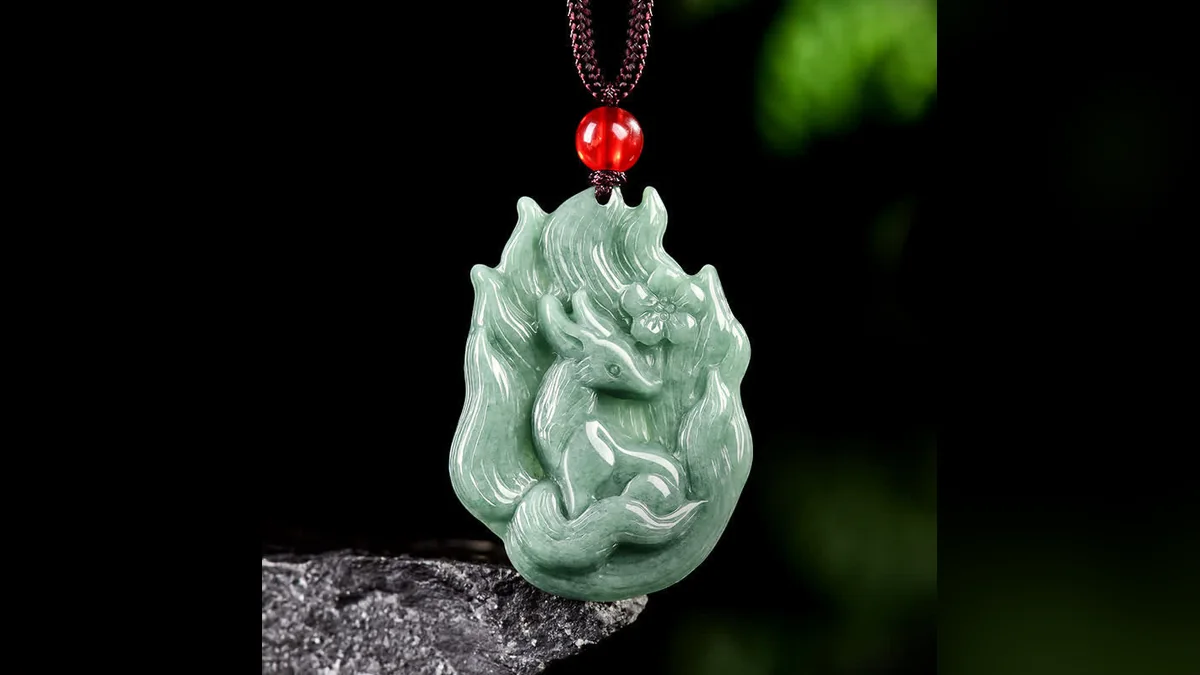
Our Jade Nine-Tail Fox Pendant Necklace uses jade and rope. Necklace length is Approx. 20 in / 50 cm; pendant size is Approx. 1.08 × 1.48 × 0.20 in / 27.5 × 37.5 × 5 mm. During inspection, support the pendant while checking the rope at its attachment. Natural materials may produce slight differences in color, details, and overall appearance.
Hetian jade goat pendant with rope
The Green Hetian Jade Chinese Zodiac Goat Pendant Necklace combines Hetian jade and rope. Necklace length is Approx. 18 in / 45 cm, and pendant size is Approx. 1.0 in × 1.1 in / 26 × 27.5 mm. Keep the rope loosely arranged during storage. Slight variation in color, details, and overall appearance can occur in the natural Hetian jade.
Double pendant necklace options
The Natural Stone Opal Double Pendant Necklace offers options including Amethyst, Black Onyx, Blue Turquoise, Clear Quartz, Goldstone, Green Aventurine, Lapis Lazuli, and Opal. Confirm the selected option before seeking material-specific cleaning advice. Those option names alone do not establish the cord material, necklace length, or suitable wet-cleaning method.
A pendant bracelet needs a different fit check
Our Citrine Pi Xiu and Gourd Pendant Bracelet is a bracelet made with citrine, clear quartz, and copper alloy, using Premium Elastic String. Its bead sizes are 8mm Citrine and 9mm Clear Quartz. Check the string for visible wear and avoid repeatedly stretching it as a strength test. A pendant bracelet should be handled according to its wrist construction.
Close the routine before putting jewelry away
Before putting a necklace away, inspect its attachments, wipe it gently, and arrange it without tension. When damage appears, pause wear and assess the affected part. A few consistent handling steps make it easier to notice changes before a cord or attachment fails.
Shop the story
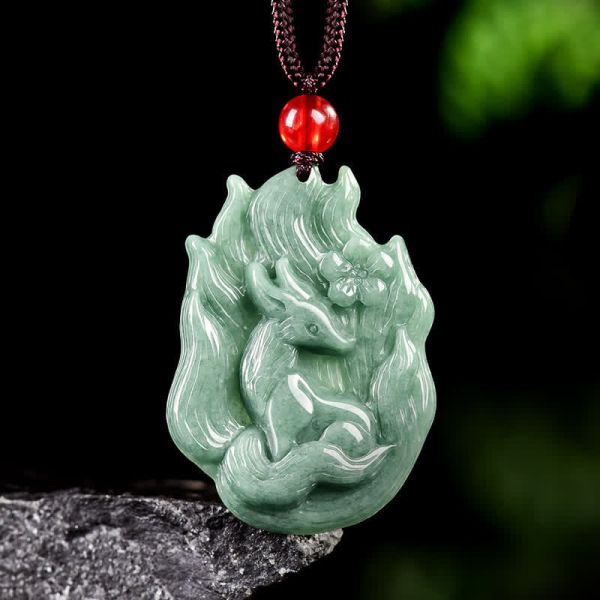 Buddha Stones Jade Nine-Tail Fox Luck Relief Carved Pendant NecklaceSpecial Price $48.59 Regular Price $65.66
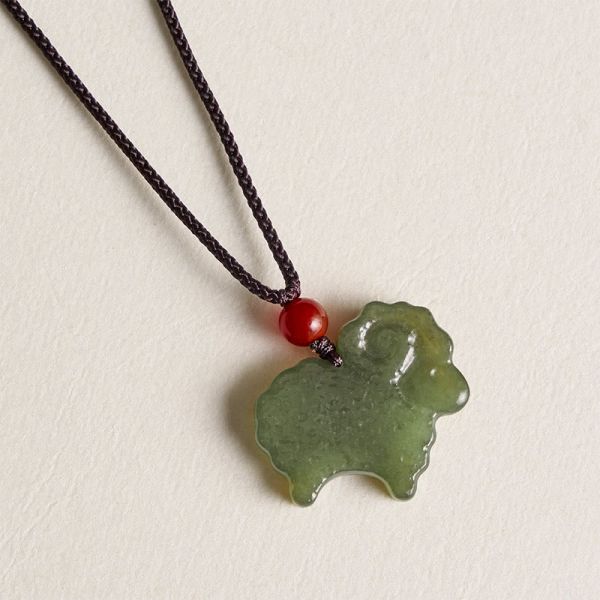 Buddha Stones Green Hetian Jade Chinese Zodiac Goat Pendant NecklaceSpecial Price $26.59 Regular Price $37.45
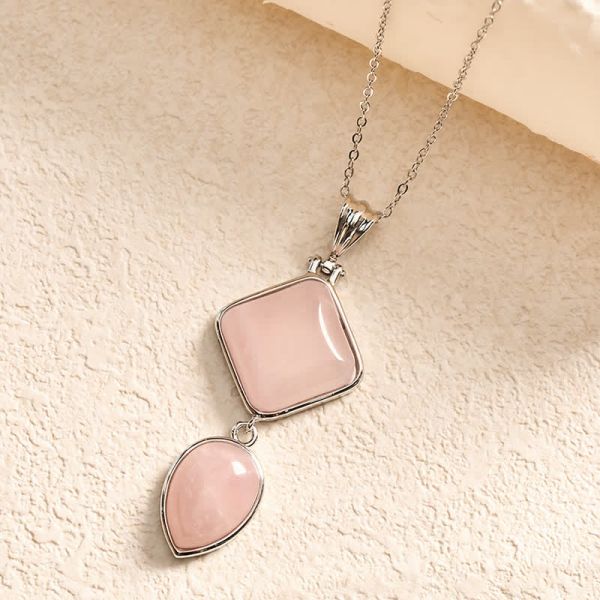 Buddha Stones Natural Stone Opal Double Pendant Calm NecklaceAs low as $25.59 Regular Price $35.54
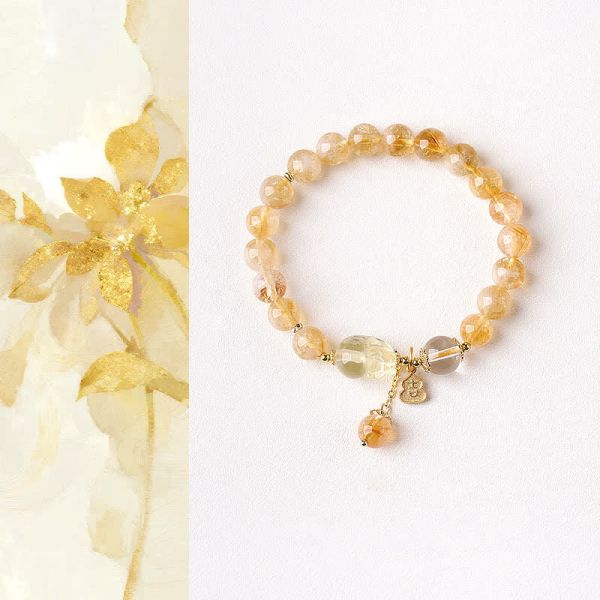 Buddha Stones Chinese Inspired Citrine Pi Xiu Luck And Abundance Gourd Pendant BraceletSpecial Price $33.59 Regular Price $45.39