Men's Scarf Fabrics: A Practical Care and Use Manual
A scarf often shows wear first where it rubs against a coat collar. This care manual explains mens scarf fabrics as the fibers named on the label, such as wool, cotton, silk, or polyester, and shows you how to use that information before cleaning. At Buddha Stones, we recommend starting with the care instructions, then checking the surface, edges, and any loose threads. The aim is a repeatable routine: inspect, clean only as permitted, dry carefully, and put the piece away without stretching it.
Tools and materials for mens scarf fabrics
Read the fiber label and care label together. Fiber content tells you what the textile contains; care instructions tell you which cleaning methods the finished piece permits. A scarf may combine fibers, dyes, trim, and construction details that need different handling. Appearance alone cannot identify its material reliably.
- A clean basin: use it only if washing is allowed.
- A suitable detergent: choose one permitted by the care instructions. For washable wool or silk, check that the detergent is intended for that fiber.
- Clean white cloths: keep these for blotting and checking for transferred color.
- Clean towels and a drying surface: prepare enough space to support the wet fabric.
- A smooth storage shelf or drawer: check for rough edges and protruding hardware.
Do not assume that polyester automatically permits machine washing, or that every wool scarf requires dry cleaning. Follow the instructions attached to the particular item. If the label is missing or unclear, ask a professional cleaner before immersing it, especially when several colors or decorative details are involved.
A step-by-step routine from removal to storage
1. Release the fabric before taking it off
Undo a knot fully instead of pulling the scarf through a tight loop. Keep the ends clear of zippers, hook-and-loop fasteners, and bag hardware. For a neck gaiter, remove it without catching rings or watch clasps in the fabric. These small handling choices limit unnecessary pulling at seams and edges.
2. Inspect before deciding to wash
Spread the dry scarf on a clean surface. Check the areas that touch the collar, then inspect hems, tassels, and seams. Look for marks, loose threads, small holes, and sections that have stretched. Remove loose surface debris gently by hand. Do not scrub a stain while the rest of the fabric is bunched underneath it.
Choose the least handling needed for the problem. A clean scarf can be aired in a dry place before storage. A localized mark may need attention without washing the entire piece, provided the care instructions allow spot cleaning. Visible dirt or a persistent odor calls for cleaning by the permitted method.
3. Check before treating a mark
For washable fabric, test the proposed cleaning solution on a concealed area first. Blot with a white cloth and allow the test area to dry before checking for a change in color or texture. Stop if color transfers or the surface changes. A successful small test does not override a care label that prohibits washing.
Blot a fresh spill rather than rubbing it outward. Avoid experimenting with household stain mixtures. If you cannot identify the mark, or it remains after gentle treatment, tell a professional cleaner what happened and what you have already applied.
4. Wash only by an allowed method
If hand washing is permitted, prepare the water and detergent according to the care label and detergent directions. Support the fabric as you lower it into the basin. Move it gently through the water without twisting, rubbing sections together, or pulling at trim. Rinse as directed until detergent residue is removed.
If machine washing is explicitly allowed, follow the stated cycle and temperature. Keep the scarf away from garments with exposed fasteners that could snag it. Use a laundry bag where appropriate, but remember that a bag does not make a prohibited machine cycle suitable.
5. Support the fabric while it dries
Lift a wet scarf with both hands so its weight does not hang from one corner. If permitted, press out water gently between clean towels without wringing. Arrange it on a suitable drying surface, easing it into shape without stretching. Separate tangled tassels with your fingers rather than combing or tugging them.
Use the drying method on the label. Keep the item away from direct heaters, and do not use an iron or tumble dryer unless its instructions permit that treatment. Check folds and thicker sections before deciding it is fully dry.
6. Fold for the next use
Put the scarf away only when it is dry. Fold loosely and avoid forcing it into an overfilled drawer. Tuck tassels inside a fold so they cannot catch as the drawer closes. For seasonal storage, inspect the piece first and choose a clean, dry location where the fabric will remain supported.
What not to do when fabric needs attention
- Do not identify fibers by touch alone. A fuzzy surface, shine, or ribbed structure does not establish the fiber content.
- Do not pull a snag. Leave the loop intact and seek repair advice if you cannot return it safely to place.
- Do not shave an unfamiliar surface immediately. A fabric shaver can catch loose structures or trim; check suitability before using one.
- Do not force out wrinkles with extra heat. Check the permitted pressing method first.
- Do not bleach a mark by guesswork. Follow the care label and the cleaning product directions.
When to repair, replace, or retire a piece
A loose hem or isolated snag may be repairable. Set the scarf aside before further wear enlarges the damage, and ask a textile repairer about the construction. Surface pilling alone does not necessarily mean the whole scarf needs replacing.
Consider retirement when holes keep spreading, seams repeatedly separate, or stretched fabric no longer holds its intended shape. Persistent stains can also change whether a piece suits its original use. Donate only items that are clean and usable; check local textile collection rules for damaged fabric.
Products: four formats to check against your routine
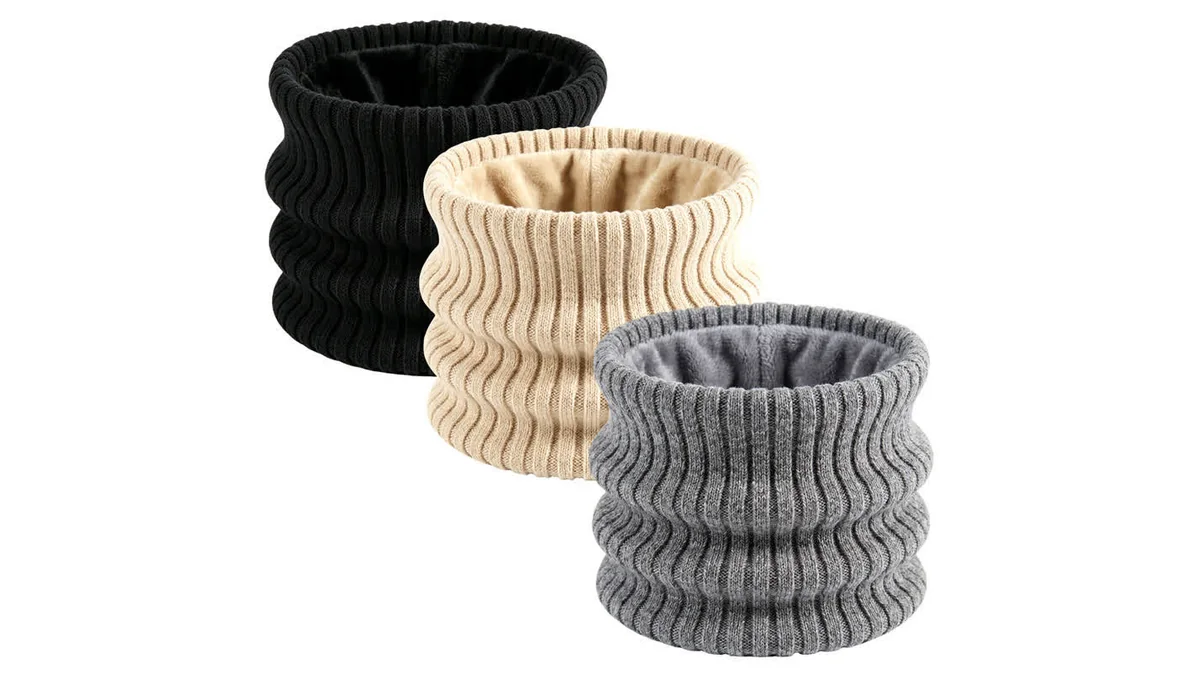
Our Winter Ribbed Knit Fleece Lined Neck Gaiter Men's Scarf is polyester and measures Approx. 26 cm × 22 cm / 10.2 in × 8.7 in. The package contains one scarf. Consult its care instructions before choosing a washing method.
The polyester Fall Winter Classic Black Gray Check Wrap Men's Scarf measures Approx. 180 cm × 30 cm / 70.8 in × 11.8 in. Choose between Big Check and Mini Check. One scarf is included; prepare sufficient drying space before washing a long piece.
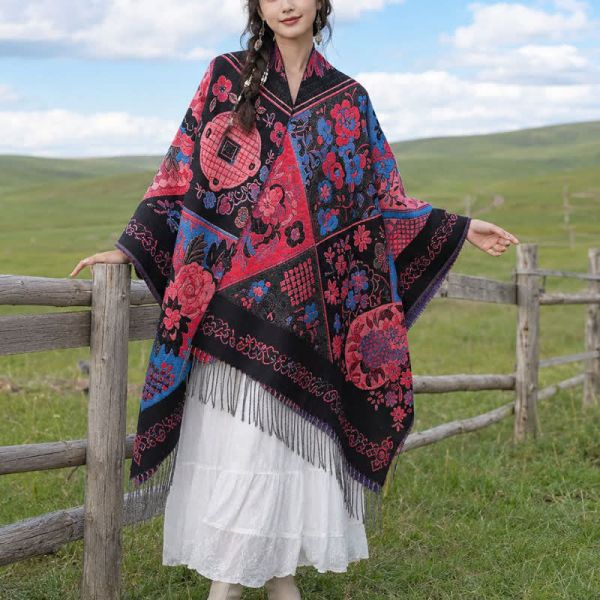
For a shawl format, our Fall Winter Boho Floral Patchwork Tassel Women's Shawl is polyester, with dimensions of Approx. 140 cm × 160 cm / 55.1 in × 63.0 in. Options are Black, DarkRed, Orange, and Tan. The package contains one shawl.
The Fall Winter Boho Wavy Stripes Tassel Style Women's Shawl is polyester and measures Approx. 51.2 in × 59.1 in / 130 × 150 cm. Color options are Crimson, Khaki, RosyBrown, and Wheat. One shawl is included. Check tassels for tangles before folding.
Keep the next care session straightforward
Keep the care label readable and note any treatment used on a stain. Before the next wear, check the edges and unfold the fabric gently. A routine built around the actual label, careful handling, and complete drying gives you a clear basis for deciding what the scarf needs next.
Shop the story
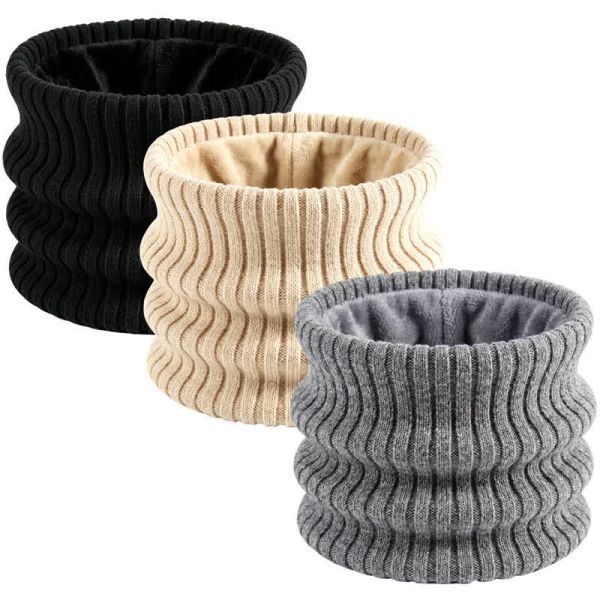 Buddha Stones Winter Ribbed Knit Fleece Lined Neck Gaiter Men's ScarfAs low as $17.59 Regular Price $24.43
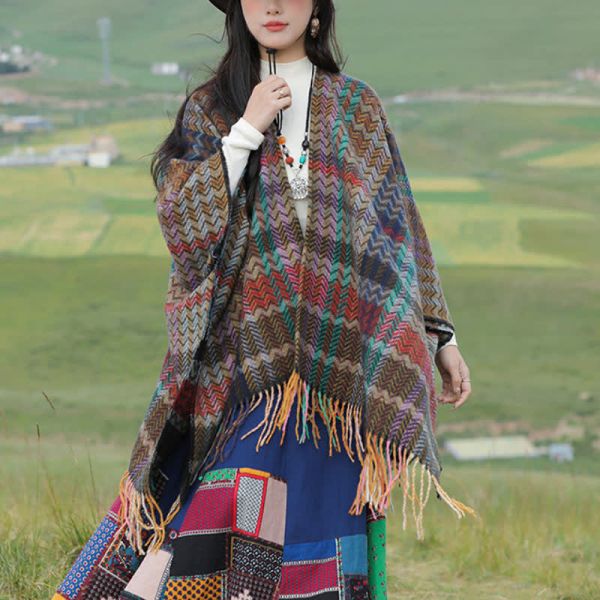 Buddha Stones Fall Winter Boho Wavy Stripes Tassel Style Women's ShawlAs low as $38.59 Regular Price $53.60
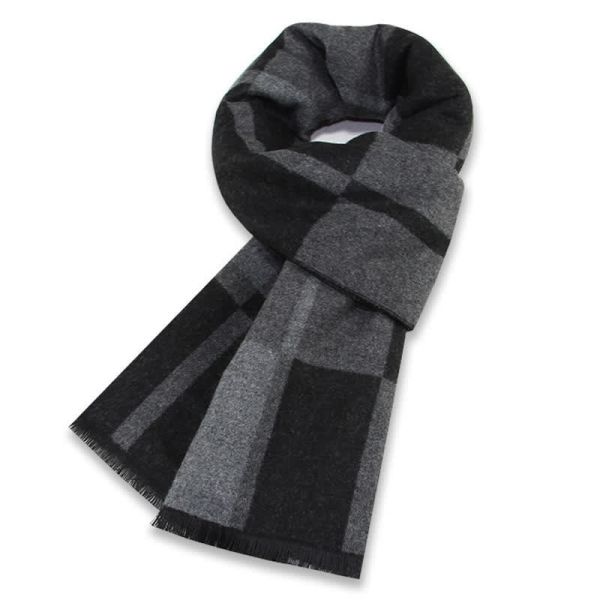 Buddha Stones Fall Winter Classic Black Gray Check Wrap Men's ScarfAs low as $21.59 Regular Price $28.79