
Meditation Mat Guide: Choose Your Size and Setup
A mat can look roomy in a product photo yet leave your ankles beyond its edge once a seat is placed on top. This meditation mat guide explains how to choose a floor layer by material, usable size, seating arrangement, and care requirements. At Buddha Stones, we suggest deciding where the mat will go and what must fit on it before choosing a color or pattern.
Start with these questions
- Where will it sit? Identify the floor surface and the space available without blocking a doorway or walkway.
- What goes on top? Allow room for your usual seated position, plus a cushion or bench if you use one.
- Will it stay out? A permanent corner and a shared room call for different storage arrangements.
- How will you clean it? Check whether the cover comes off and whether the filling has separate care instructions.
- Will you carry it? Compare the packed dimensions and closure with your available storage or bag.
Meditation mat guide: materials and construction
Read the cover, filling, and underside descriptions separately. A cotton cover tells you about the outer fabric; it does not identify the filling or tell you whether the whole mat can be washed. If the description gives only one material, check which part it refers to before buying.
A fabric mat with loose filling needs different handling from a single foam sheet. For a filled design, look for instructions about redistributing the contents and keeping them dry. For foam, check whether folding is permitted or whether the mat should be rolled or stored flat. Avoid assuming that a thicker mat will suit every setup.
Consider the underside, too. On a smooth floor, a mat that slides during setup is a poor match. On carpet, check that corners lie flat and that the surface underneath does not bunch. A washable cover may be useful in a shared room, but confirm the washing method rather than treating “removable” as permission to machine wash.
Size the usable area, then check the room
Start with the space your arrangement occupies. Mark a possible footprint on the floor with removable tape, following the floor finish manufacturer’s guidance. Place your usual seat inside that outline, then check where your knees, ankles, and feet fall. This is a fitting step you can do before selecting a mat.
Compare that outline with the seller’s length and width. Product photos can make scale difficult to judge, especially when the room contains few familiar objects. Check whether dimensions include a raised border or decorative edge. The area inside that border may be the more useful measurement for your setup.
Leave enough clear floor to approach the seat and get up without stepping over nearby objects. Check door clearance if the mat will stay out. For storage, measure the shelf, closet, or space beside a cabinet as well. A mat that fits the room when open may still be awkward to put away.
Match the mat to your seating arrangement
A floor mat and a raised seat serve different roles. The mat defines and covers the floor area beneath your setup; a cushion or bench changes the seating height. Choose the mat around the seat you intend to use instead of expecting extra mat thickness to replace it.
If you use a bench, check that its feet rest evenly and do not straddle an edge or seam. With a cushion, leave space around its base rather than letting it fill the mat. For a chair arrangement, establish where the chair legs and your feet will sit before deciding whether a floor mat is useful.
Plan cleaning and storage before purchase
Keep the care label or save the seller’s instructions. Separate guidance for the cover from guidance for the insert. Wash only the parts identified as washable, using the specified method, and let them dry completely before reassembling the mat.
For routine upkeep, remove loose dust and debris with a method suitable for the fabric. Address spills according to the care instructions; avoid saturating a filled insert unless washing it is expressly permitted. Check any cleaning product on an inconspicuous area first.
Store the mat in its recommended shape, away from damp surfaces. Do not force a filled mat into a tight roll if it is intended to lie flat. Before putting it back into use, check seams, closures, and the underside. Loose filling, an uneven insert, or a curled edge is a reason to adjust the setup before sitting down.
Optional products to keep beside your mat
The following accessories are separate purchases, not meditation mats. Choose any of them by their own dimensions and materials after settling the floor setup.
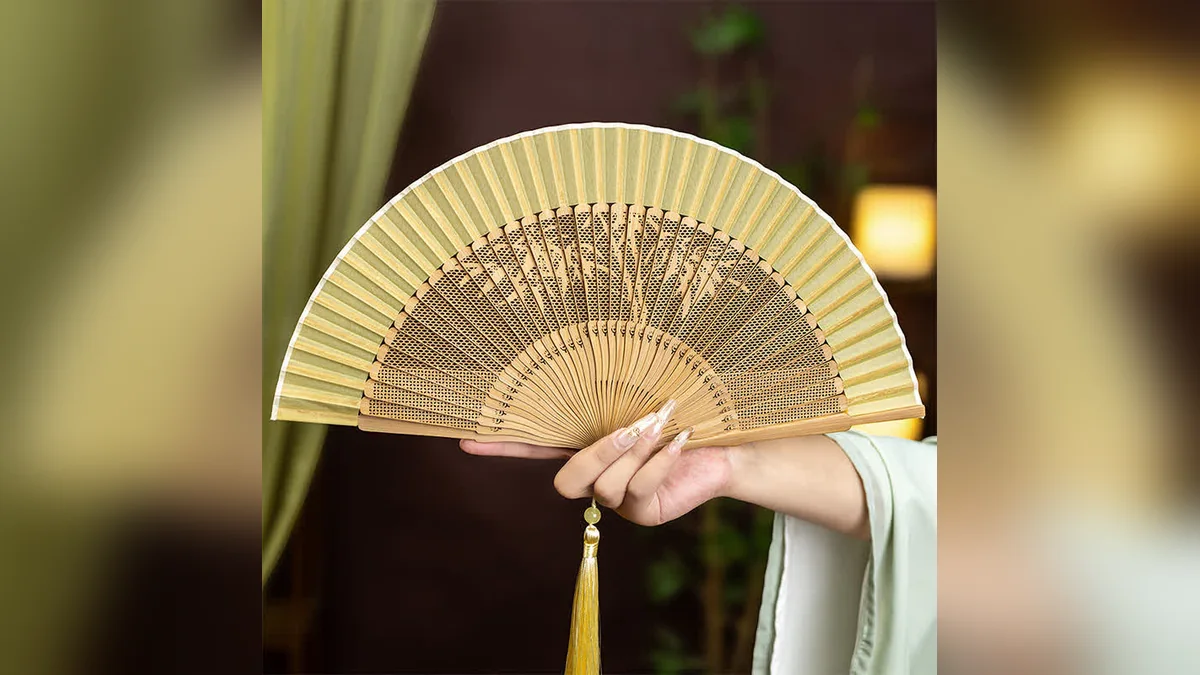
Our Vintage Hollow Carved Bamboo Butterfly Fan of Transformation has a bamboo frame and polyester surface. Its open size is Approx. 40 cm / 15.75 in, and its closed size is Approx. 22 cm / 8.66 in. The package contains 1 × Folding Fan. Allow for its open width when planning a nearby display space.
For winter travel to a class, our 3Pcs Winter Ribbed Knit Matching Gift Set Men's Scarf Hat Gloves is polyester and includes a scarf, hat, and gloves. Options include rhombus and ribbed designs in black, brown, dark gray, and navy. Set aside a place for outdoor accessories outside the mat’s usable area.
Our Natural Amethyst Inner Peace Meditation Bracelet uses amethyst, Premium Elastic String, and 8mm beads. Check its 14-16cm wrist sizing before choosing it; the product name does not determine fit.
The Natural Amethyst Purple Agate Hematite Meditation Bracelet combines those three materials with Premium Elastic String and 8mm beads. Compare its 5.9–6.3 in (15–16 cm) wrist sizing with your measurement. The package includes 1 × Bracelet, and natural materials may show slight differences in color, details, and overall appearance.
FAQ
Can I use a yoga mat for seated meditation?
You can consider one if its footprint and surface suit your arrangement. Check that your seat rests evenly, that the edges lie flat, and that there is room for your legs. A long, narrow shape may leave less space at the sides than you expect.
Should I choose the thickest mat available?
Use thickness as one comparison point alongside construction, floor surface, and storage. Check how your cushion or bench sits on the mat. A thick layer that bunches or leaves bench feet uneven is a reason to reconsider that combination.
What should I check before keeping a new mat?
Follow the seller’s return conditions while checking dimensions, seams, underside, and care instructions. Confirm that the mat fits both your seating layout and its storage place. Use this meditation mat guide as a checklist: usable area, suitable construction, clear access, and manageable upkeep should decide the purchase.
Shop the story
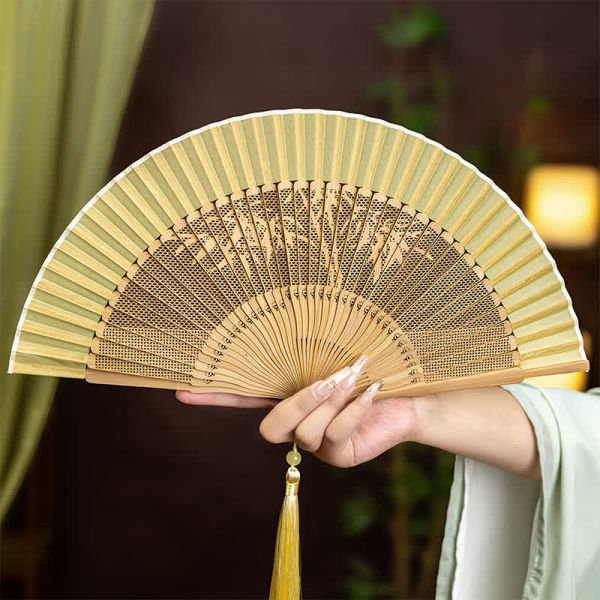 Buddha Stones Vintage Hollow Carved Bamboo Butterfly Fan of TransformationAs low as $31.59 Regular Price $42.69
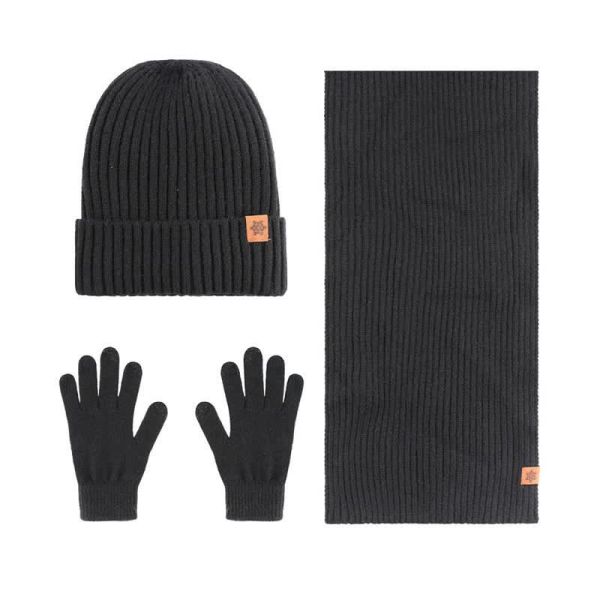 Buddha Stones 3Pcs Winter Ribbed Knit Matching Gift Set Men's Scarf Hat GlovesAs low as $41.59 Regular Price $56.97
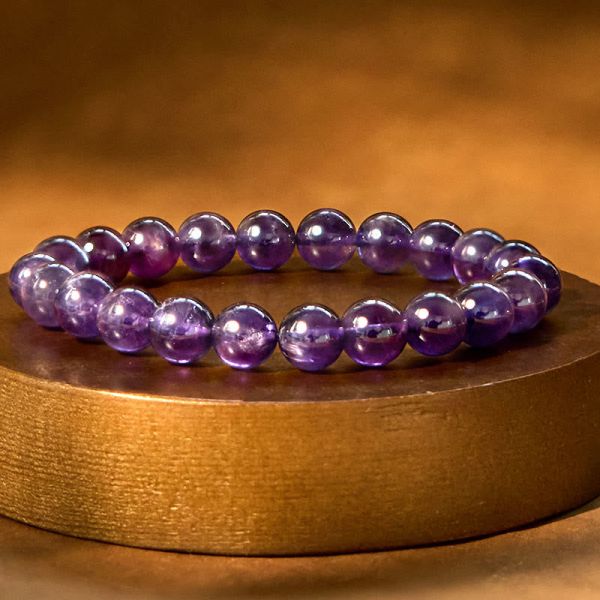 Buddha Stones Natural Amethyst Inner Peace Meditation BraceletSpecial Price $25.59 Regular Price $34.12
 Buddha Stones Natural Amethyst Purple Agate Hematite Meditation BraceletSpecial Price $25.59 Regular Price $34.12