
Mala vs Rosary Beads: How to Choose and Use Them
Your prayer practice determines which bead strand to choose. The practical distinction in mala vs rosary beads is their use: malas commonly count repeated mantras in Buddhist and Hindu traditions, while a Catholic rosary guides a particular sequence of prayers and reflection on the mysteries. Both use beads to mark repetitions, but their layouts and instructions differ. This guide explains how to identify the strand, select the appropriate words, follow its sequence, and put it away respectfully.
Step 1: Match mala vs rosary beads to your practice
Start by naming the practice you intend to follow. If you are learning a Buddhist mantra practice, look for instructions from that Buddhist tradition. If you are learning Hindu japa, or repeated recitation, follow the guidance associated with that practice. A mala can serve either context, but shared equipment does not make the teachings identical.
For the Catholic Rosary, choose a rosary and learn the prayers and mysteries together. The beads mark where you are in an established devotional sequence; they do not supply the words by themselves.
If you are choosing a gift, establish which tradition the recipient follows before selecting a strand. A preference for wooden beads or a particular color does not tell you which devotional object someone uses. At Buddha Stones, we encourage choosing by intended use before appearance.
Step 2: Identify the strand by its arrangement
Examine the bead pattern before beginning. A common full-length mala has 108 counting beads and a distinct guru bead at the meeting point of the strand. Shorter malas also exist. A tassel can help you locate that junction, but a tassel alone does not identify a strand as a mala.
A standard five-decade Catholic rosary typically has 59 beads, a crucifix, and a short section leading into the main loop. The loop contains five groups of ten beads, called decades, separated by individual beads. This arrangement corresponds to different prayers.
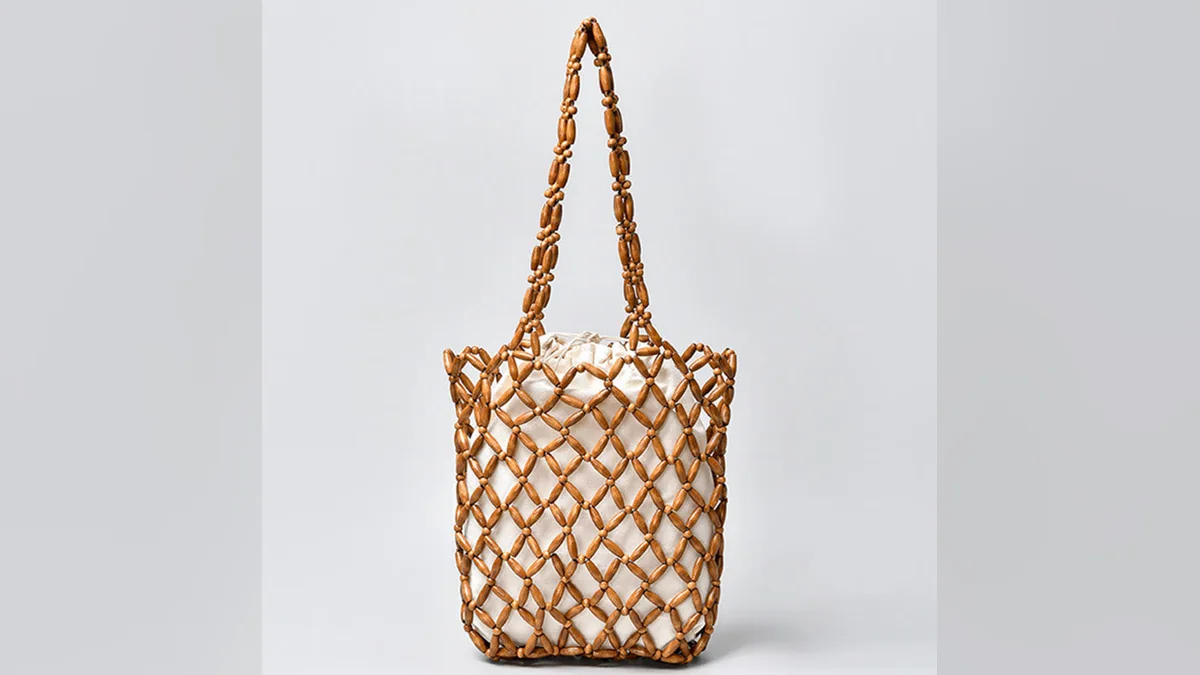
Use the layout as a clue, then confirm the intended purpose. Decorative beaded necklaces, bracelets, and bags can resemble devotional objects without having their counting structure. A cross or tassel is useful context, but the full arrangement and the accompanying description matter more than one decorative detail.
Step 3: Prepare the words before moving the beads
Choose the recitation before you start counting. For a mala, use a mantra or sacred name appropriate to the practice you are learning. Keep a written version nearby if you need it. Pronunciation and any requirements for learning a particular practice should come from a suitable teacher or community.
For a Catholic rosary, have the prayer sequence available, along with the mysteries you intend to contemplate. A beginner can read the prayers while moving through the beads. Memorization is not necessary for following a written sequence.
Decide where one session will end. That might be one round of a mala, one decade of a rosary, or another stopping point permitted by your instructions. This gives the beads a clear counting task. Avoid assuming that completing the same number of repetitions makes two different religious practices equivalent.
Step 4: Follow the sequence for your strand
Count repeated recitations with a mala
Locate the guru bead, then begin with a counting bead beside it, following your tradition’s instructions. Move one bead for each complete repetition of the chosen mantra or sacred name. Handle the strand gently, without pulling against the cord.
In many mala practices, you stop at the guru bead after completing the counting beads and reverse direction for another round rather than crossing over it. Hand position and finger use vary, so treat this as a common pattern and follow your teacher’s method where it differs.
Follow the prayer groups on a Catholic rosary
A common opening begins with the Sign of the Cross and the Apostles’ Creed at the crucifix, followed by an Our Father, three Hail Marys, and a Glory Be along the introductory section.
For each decade, announce the mystery and pray an Our Father on the separate bead. Continue through ten Hail Marys on the ten grouped beads, then pray a Glory Be. Additional prayers and concluding customs can vary by community. Use a Catholic prayer guide for the complete sequence rather than treating every bead as a cue for the same words.
Step 5: Mark your place and put the strand away
If you pause, note the bead or group where you stopped. For a rosary, record the decade and mystery as well as the bead position. For a mala, note your place in the round if keeping that count matters to your practice.
Before putting the strand away, check for a loose connection or visibly worn cord. Avoid forcing a tangled section apart. Choose a dedicated storage place where the strand will not catch on keys or other objects, and follow care instructions for its actual materials.
A small separate pouch can help keep a strand from tangling inside a larger bag. Do not assume that a bag decorated with beads is itself suitable for counting prayers.
Mistakes to avoid when choosing and counting
- Choosing by appearance alone. Confirm the bead arrangement and intended devotional use before deciding that a strand fits your practice.
- Calling every prayer strand a Catholic rosary. Different traditions use distinct names, layouts, recitations, and handling customs.
- Applying one rule everywhere. Mala finger positions and turning customs vary; rosary additions and concluding prayers can vary too.
- Rushing to finish a count. Move after completing the recitation so the bead position corresponds to the words you have said.
- Assuming a purchase includes prayer beads. Read the package contents separately from the product name and photographs.
Wooden bead bags: compare the stated specifications
The following Buddha Stones products are bags. Their specifications identify wooden beads and polyester cotton as materials, with one main pocket and one interior bag. They have non-adjustable straps and a strap-closure. The stated package contents for each are one bag. These details describe carrying accessories rather than prayer-counting layouts.
Hand-woven wooden bead shoulder bag
Our Hand-woven Wooden Beads Shoulder Bag Handbag comes in Brown, Wheat, and White options. Its dimensions are 25*6*30cm (Width*Height*Thickness), with a handle height of 28cm. The stated weight is about 350g. Keep the supplied dimension order in view when comparing it with the other bags, which use different measurement labels.
Hand-woven wooden bead bucket bag
The Hand-woven Wooden Beads Bucket Shoulder Bag Handbag has Beige, Black, Brown, and White&Black options. Its dimensions are 16.5*16.5*36cm (Length*Width*Height). The handle height is 21cm, and the stated weight is about 500g. Use both the bag dimensions and handle height when comparing its measurements with another option.
Hand-woven wooden bead bamboo handle bag
Our Hand-woven Wooden Beads Bamboo Handle Shoulder Bag Handbag is available in Black, Brown, Ivory, and Yellow. It measures 20*20*28.6cm (Length*Width*Height), with a handle height of 12.5cm. Its stated weight is about 550g.
Hand-woven round wooden bead shoulder bag
The Hand-woven Round Wooden Beads Shoulder Bag offers Black and Yellow options. Its dimensions are 20*4*20cm (Width*Thickness*Height), and its handle height is 8cm. The stated weight is about 320g. Note that thickness is the middle measurement in this product’s specification.
Choose the prayer practice first, confirm the strand’s arrangement, and learn the sequence it supports. The useful answer to mala vs rosary beads begins with knowing which words to recite and which bead comes next.
Shop the story
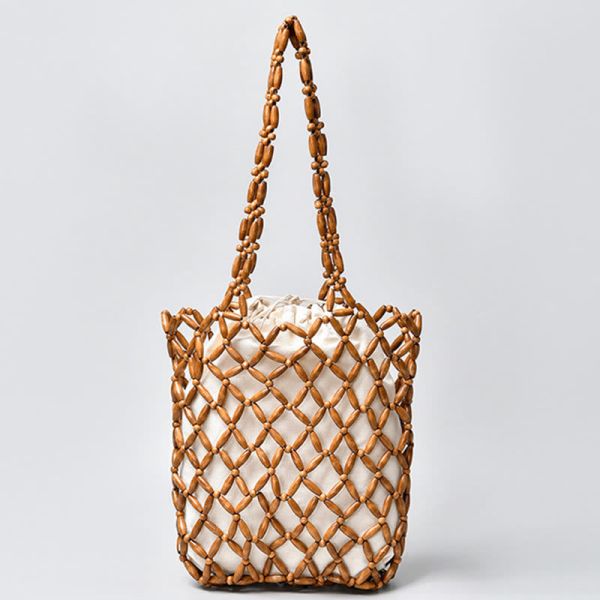 Buddha Stones Hand-woven Wooden Beads Shoulder Bag HandbagAs low as $45.59 Regular Price $60.79
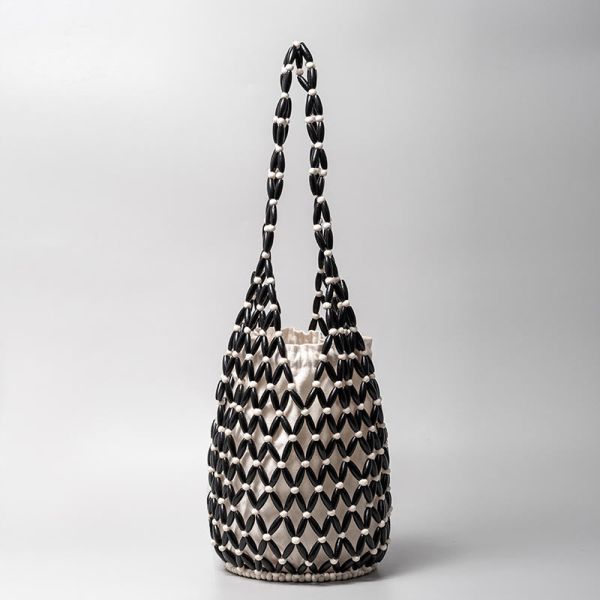 Buddha Stones Hand-woven Wooden Beads Bucket Shoulder Bag HandbagAs low as $59.59 Regular Price $83.93
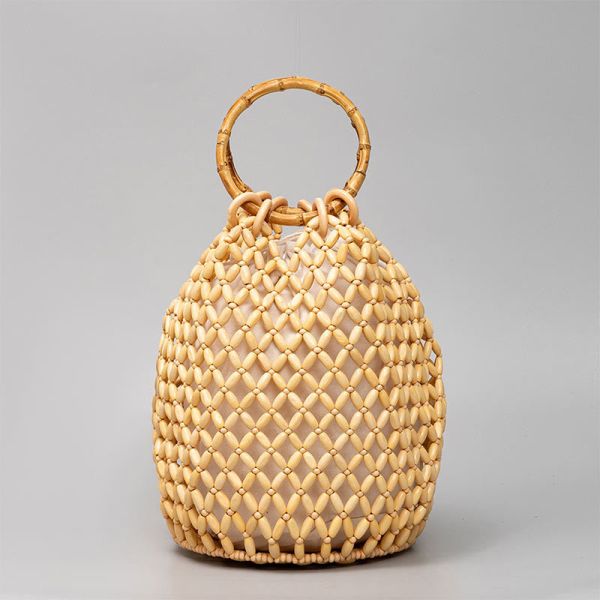 Buddha Stones Hand-woven Wooden Beads Bamboo Handle Shoulder Bag HandbagAs low as $62.59 Regular Price $83.45
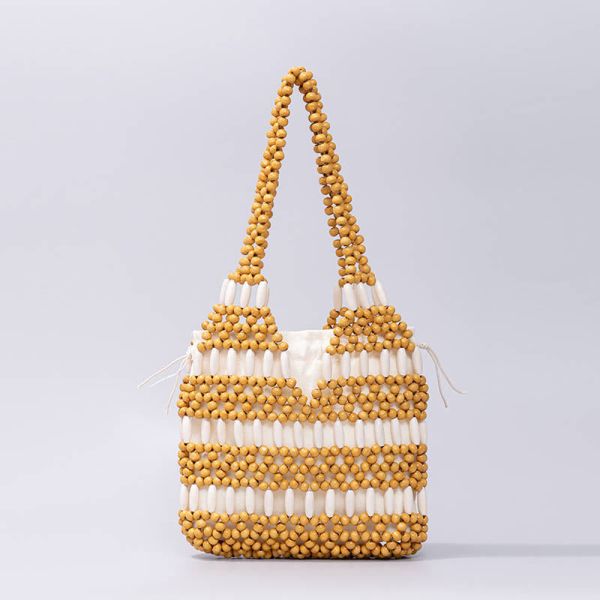 Buddha Stones Hand-woven Round Wooden Beads Shoulder BagAs low as $42.59 Regular Price $56.79