Macrame Bracelet Guide: Choose Cord, Closure, and Fit
Cord bracelets can look similar in a product photo while differing in closure, construction, and available sizing information. A neat row of knots does not tell you how far a bracelet opens or what its cord contains. This macrame bracelet guide explains how to compare knotted and braided styles, choose materials, check fit, and care for mixed-material designs.
Start with these questions
- Do you want knots or a braid? Macrame uses knots; braiding interlaces strands. The appearance can overlap, so check the description.
- How does it fasten? Look for a stated closure type rather than assuming that loose cord ends mean an adjustable fastening.
- Does the size information match your needs? Compare your measurement with the product’s sizing guidance.
- What will touch water? Plan care around the cord and any metal, seed, or wood components.
- Would a keychain suit you better? A cord accessory for keys can be an alternative when you prefer to leave your wrists bare.
Choose construction before color
Macrame creates a textile structure through knotting. Square knots are common in cord bracelets, but a photograph alone may not reveal the full construction. A braided bracelet can have a knotted closure without its main band being macrame. We use the product’s own construction terms when describing it.
For shopping purposes, examine the band, closure, and decorative center separately. Notice whether the band appears flat or rounded, where knots sit, and how the cord ends are arranged. Treat photographs as a way to assess appearance, then use specifications to confirm materials and sizing.
Decorative Chinese knotting is another cord tradition with its own forms and associations. Our Chinese knot meaning article covers that subject separately. A red cord or decorative knot does not establish that a bracelet was blessed or used in a ceremony.
Use this macrame bracelet guide to compare materials
Cord names matter more than a glossy or matte appearance in a photo. Cotton, nylon, and polyester are different fibers, and appearance alone is not a reliable way to identify them. If a description says only “string” or “cord,” leave the fiber unspecified. Do not assume that it is waterproof, stretchable, or suitable for prolonged soaking.
Look beyond the band, too. A cord bracelet may combine textile with metal or a seed component. Its care routine needs to account for that combination. A cleaning method appropriate for an isolated metal charm may be unsuitable for the assembled bracelet.
For color, consider contrast with your usual clothing and other accessories. Red can serve as a visible accent; black can create a darker outline. Those are styling choices. Traditional associations attached to red string are discussed in our red string bracelet meaning article, rather than treated as performance features.
Check the closure and fit together
An adjustable closure still has limits. A bracelet must open enough for its intended fastening method and close to a suitable wearing size. The largest opening and the recommended wrist circumference are not necessarily the same measurement.
Use your wrist measurement as the starting point, then follow the specific product’s guidance. Do not automatically add a fixed allowance: sellers may describe internal bracelet length, wrist circumference, or another dimension. Confirm which measurement is being provided before comparing numbers.
For a sliding closure, move it gently and evenly, following any supplied instructions. Stop if it resists instead of tugging on a decorative component. Check that trailing ends will not interfere with sleeves or catch on nearby objects. If closure details or sizing are missing, resolve those gaps before choosing.
Care for cord and attached details
Keep routine care gentle. Remove a cord bracelet before bathing, swimming, washing dishes, or handling cleaning products. Repeated wetting and friction can affect cord appearance and knot structure; a mixed-material bracelet also needs care appropriate to its attached parts.
For surface dust, use a dry, clean cloth with light pressure. Avoid soaking an assembled bracelet in metal-cleaning solutions. Do not apply polish across cord or seed components, and follow material-specific instructions before treating metal details.
If the cord becomes damp, let it air-dry fully away from direct heat before putting it away. Keep loose ends arranged without pulling them tight around the bracelet. Check periodically for fraying, a slipping closure, or a loose attachment. Stop wearing it if the fastening no longer holds reliably; cutting or gluing a knot can make later adjustment difficult.
Products to match your decision
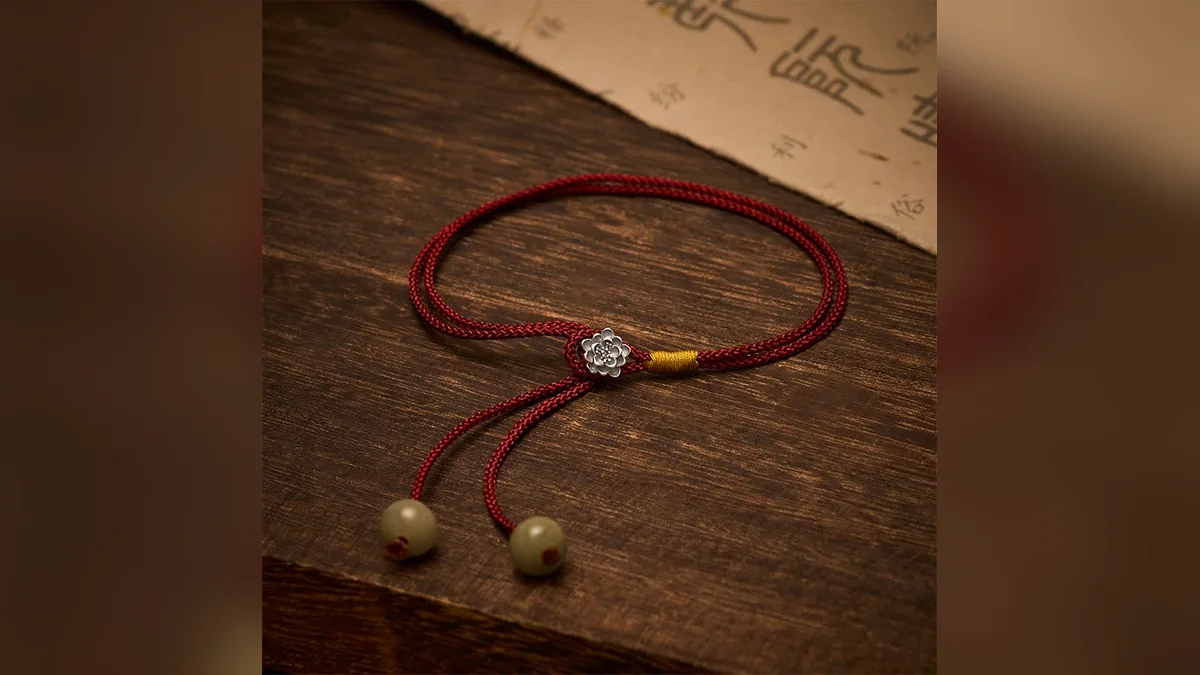
Our 925 Sterling Silver Lotus Purity Vintage Braided Red String Bracelet provides a clear starting point when sizing information matters. Its adjustable cord is intended for a wrist circumference of 5.5–7.1 in (14–18 cm). The specified materials are String, 925 Sterling Silver, and Cyan Bodhi Seed. One bracelet is included. Choose it by that size guidance and material combination, while keeping its braided description distinct from an assumption about macrame construction.
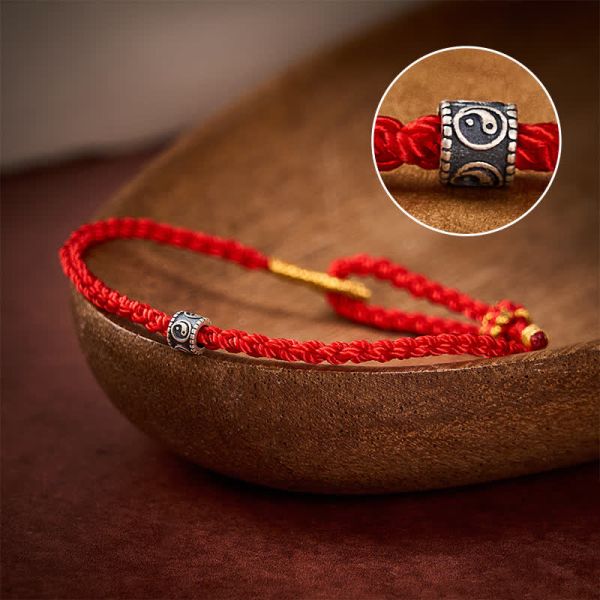
The Black Red String Yin Yang Hand-Woven Minimalist Bracelet offers option names Black Red String, Bright Red Red String, and Wine Red Red String. The supplied product information does not specify wrist measurements or a closure type. Those details need confirmation before you make a fit-based decision; the word “string” alone does not establish the fiber.
For an accessory carried off the wrist, the Brass Koi Fish Gourd Five Emperor Coins Braided Keychains include options such as Cloud Rope and Yellow String Coins Gourd. The specified materials are Copper Brass and Braided Cord. Size: Approx. 4 cm × 1.7 cm / 1.57 in × 0.67 in. Weight: Approx. 17 g. The package contains one keychain. These dimensions are not bracelet sizing.
Our Brass Koi Fish Success Braided Round Charm Keychains have Auspicious Cloud Rope and White Bead Rope options. Their specified materials are Copper Brass, Wood, and Braided Cord; one keychain is included. Choose between these keychain designs by the stated components and option names rather than expecting them to fit a wrist.
Words such as Protection, Luck, and Wealth in names express traditional wishes. They do not guarantee results. Symbolic wording also supplies no information about cord strength, fit, or fastening security.
FAQ
Is every braided cord bracelet macrame?
No. Braiding interlaces strands, while macrame builds patterns through knots. A design can combine the two techniques. Use the construction description provided for the particular bracelet rather than assigning a technique from its color or symbolism.
Does adjustable mean one size fits everyone?
No. Adjustment works within a design’s limits. Look for a recommended wrist circumference and information about how the bracelet opens. If those details are absent, “adjustable” alone cannot confirm fit.
Can I shorten the loose ends?
Avoid cutting them until you understand the closure. Ends may help you operate it, and end knots may stop cord from slipping through. Choose a design with suitable proportions, or obtain specific adjustment instructions before making a permanent alteration.
Shop the story
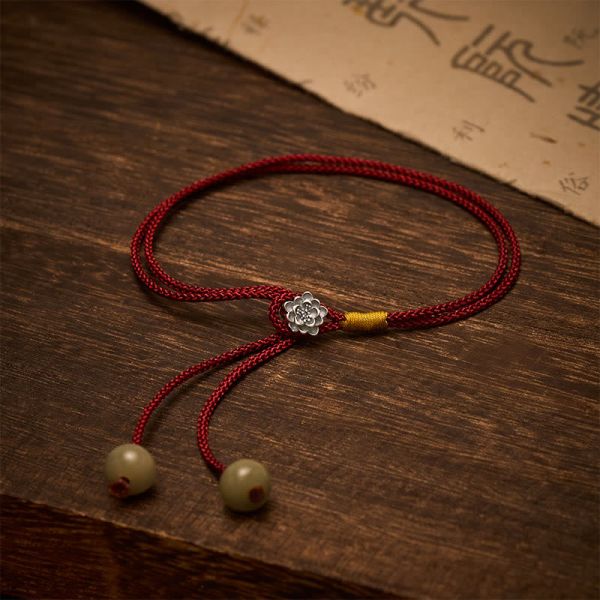 Buddha Stones 925 Sterling Silver Lotus Purity Vintage Braided Red String BraceletSpecial Price $27.59 Regular Price $37.79
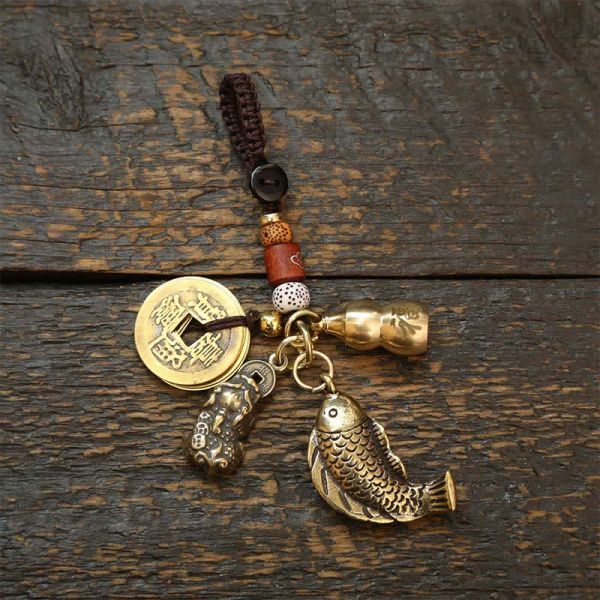 Buddha Stones Brass Koi Fish Gourd Five Emperor Coins Wealth Braided KeychainsAs low as $25.59 Regular Price $34.12
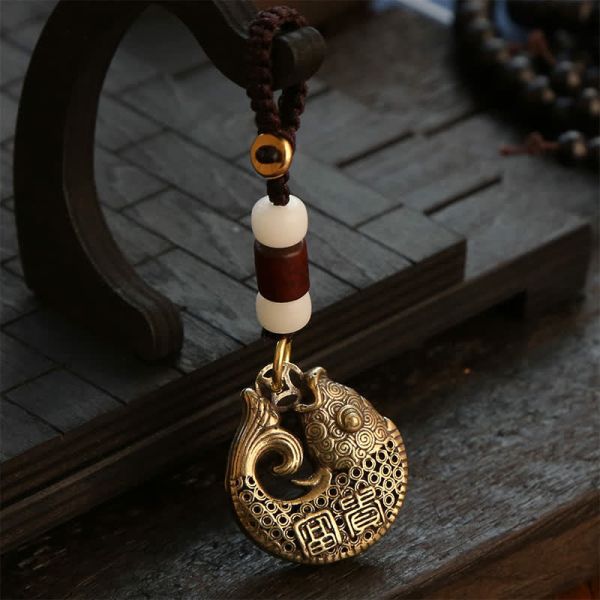 Buddha Stones Brass Koi Fish Success Braided Round Charm KeychainsAs low as $25.59 Regular Price $35.05