Lotus Gift Ideas: A Care Manual for Embroidered Bags
Dust gathers along a bag's seams, and embroidered threads can catch against rough surfaces. For practical lotus gift ideas, start with a bag you can match to the recipient's carrying habits and explain how to maintain. This manual covers choosing among four Buddha Stones bags, packing them without straining their shape, cleaning small marks cautiously, and deciding when repairs are needed. We keep the care guidance separate from product specifications: fabric names and pocket details help you choose, but they do not establish a washing method.
Set out a small fabric-care kit
Prepare a clean white cloth, a soft brush, a bowl of plain water, and a dry towel. White cloth makes transferred color easier to notice. Use a brush with gentle bristles for loose surface dust; stiff bristles can catch stitching. Keep a separate clean cloth for drying.
Check for a care label before using water or any cleaning product. Follow its directions if present. The product facts provided here do not include washing instructions, so the routine below begins with dry dust removal and limits moisture to a cautious spot test.
- Work on a clean surface away from food, ink, and open cosmetics.
- Have plain tissue ready to support the bag's shape during storage.
- Keep scissors and sharp tools away from the embroidered face while cleaning.
A step-by-step routine for embroidered bags
- Empty and inspect. Remove the contents and check the pockets available on your chosen bag. Look along the base, strap attachments, seams, and closure for loose threads or distortion. Turn an accessible pocket outward gently if its construction allows; do not force the lining out.
- Remove loose debris. Hold the opening downward over a clean surface and let crumbs fall out. Brush lightly along plain fabric, working around raised embroidery. Lift visible lint with your fingers instead of dragging an adhesive roller across threads.
- Test before treating a mark. If the care label permits damp cleaning, press a barely damp white cloth against a hidden area. Let that area dry before proceeding. Stop if color transfers, a water ring appears, or the texture changes. Do not assume matching colors on separate panels will respond identically.
- Blot a small area. If the test leaves no visible change, dab the mark gently with the cloth. Use as little moisture as possible and avoid rubbing across embroidery. Persistent stains are a reason to seek advice from a textile cleaner, especially when the fabric's care requirements remain unclear.
- Dry before refilling. Blot excess moisture with the dry cloth, then leave the bag open in a shaded, ventilated place. Support its shape without stretching it. Wait until the treated fabric and pocket interiors are fully dry before adding contents or wrapping the gift.
- Pack and adjust. Put sharp objects in a separate pouch. Arrange contents so corners do not push against the fabric or closure. Where a strap is adjustable, make changes with the bag supported and inspect the attachment afterward. Close the bag gently; resistance means you should rearrange or remove something.
For routine storage, empty the bag and loosely support it with plain tissue if needed. Lay straps without tight folds. Choose a dry shelf where the embroidered surface will not rub against hooks, exposed fasteners, or rough baskets. Avoid hanging a loaded bag by its strap for extended storage.
Habits to avoid around fabric and stitching
Do not machine wash, tumble dry, soak, bleach, or apply stain remover unless care instructions specifically allow that method. A material name alone does not tell you how dyes, embroidery, seams, and accessories will respond together. Keep irons and direct heat away when no suitable pressing instructions are available.
Avoid pulling a snagged thread. Stop using the bag if the snag is growing and ask someone experienced in textile repair to assess it. Cutting close to the surface can damage neighboring stitches, while tugging may draw more thread out.
Keep uncapped pens, leaking bottles, and loose keys away from fabric interiors. Do not force a zipper through caught cloth or use a closure to compress an overfilled bag. If fabric catches, ease the tension and free it gently before moving the closure again.
Names and decorative themes do not establish care performance. Do not treat a water-related product name as permission to immerse the entire bag or expose its contents to water.
When a bag needs repair or retirement
Inspect a bag before packing it, particularly around the points that carry weight. A separating seam, fraying strap attachment, or damaged closure needs attention before further carrying. Remove the contents and set the bag aside until the affected area can be assessed.
A small surface mark does not automatically mean a bag needs replacing. Consider repair when a seam can be restitched or a closure serviced without damaging the surrounding fabric. Ask the repairer to examine the actual construction before agreeing on a method.
Retire the bag from carrying when the fabric around an attachment is tearing, repairs repeatedly fail, or the closure no longer holds as intended. A structurally weakened bag can be kept as an empty keepsake if it is clean and dry. Avoid passing it on as a usable gift without explaining the damage.
Lotus gift ideas: four bags and their care details
Nylon fabric with adjustable carrying
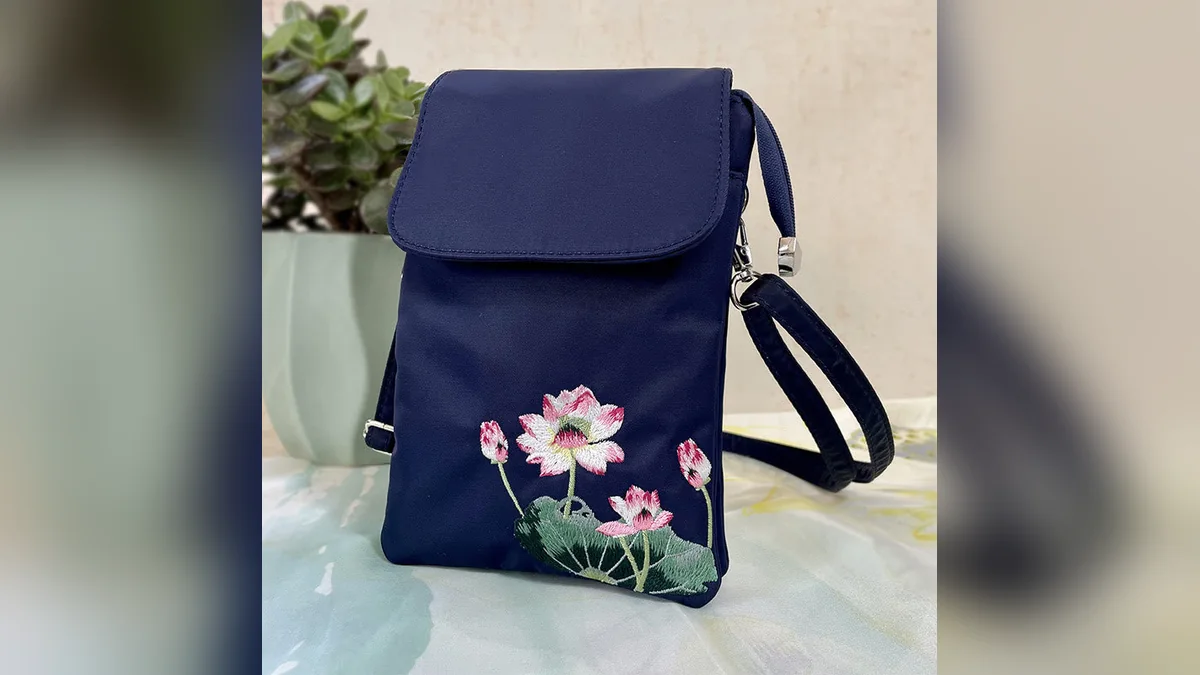
The Buddha Stones embroidered lotus cellphone bag uses Nylon Fabric and measures 20*13cm. Its strap length is 120cm, with an adjustable strap and buckle and zipper closures. The interior has one main pocket, two interior compartments, and one pocket. Blue Four Lotus and Blue Lotus Dragonfly are among the options. Empty the compartments before brushing along seams.
Canvas with several zipper pockets
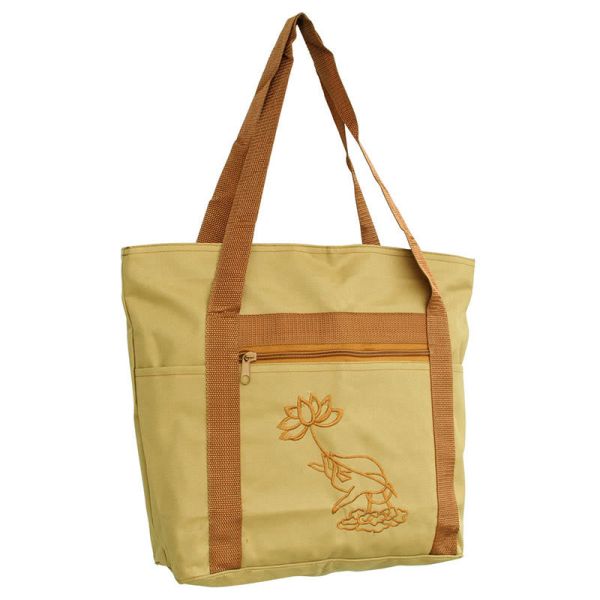
The Spiritual Mind Practice lotus canvas tote uses Canvas Fabric and measures 31*12*31CM (Length*Width*Height). Its non-adjustable straps measure 68*6cm (Length*Width). It has one main pocket, one interior zipper pocket, one front zipper pocket, and one back zipper pocket, with a zipper closure. Check the separate pockets before cleaning or storage.
Polyester with lotus-themed options
The Buddha Stones lotus and koi Hanfu bag uses Polyester, with a strap length of 100-110cm. Options include Koi Fish Lotus and Koi Fish Iris. The supplied size applies specifically to Summer Lotus: 22.3*16cm. Do not apply that dimension to other options. “Luck” in the full product name expresses a traditional wish; it promises no result.
Cotton linen with ceramic accessories
The Buddha Stones butterfly lotus cotton linen bag combines Cotton Linen Fabric with Ceramic Bead Accessories and measures 20*20*7cm. Its adjustable shoulder strap length is 130cm. It has one main pocket, one back zipper pocket, and a strap closure. Options include Light Blue Butterfly Lotus and Green Koi Fish Lotus. Handle the ceramic accessories carefully during cleaning and storage.
Send the bag with clear care instructions
Before wrapping, record the selected option and keep any supplied care information with the gift. Add a short note covering gentle dust removal, careful packing, and dry storage. Leave the bag empty and avoid tight packaging that presses against embroidery or accessories. At Buddha Stones, we encourage choosing through concrete details: the recipient's preferred strap arrangement, useful pockets, and the particular lotus design they would like to carry.
Shop the story
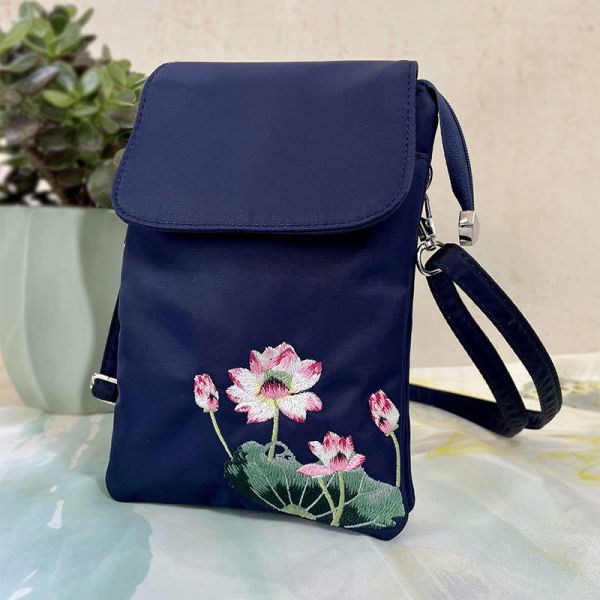 Buddha Stones Waterproof Handmade Embroidered Lotus Flowers Crossbody Bag Shoulder Bag Cellphone BagAs low as $25.59 Regular Price $34.12
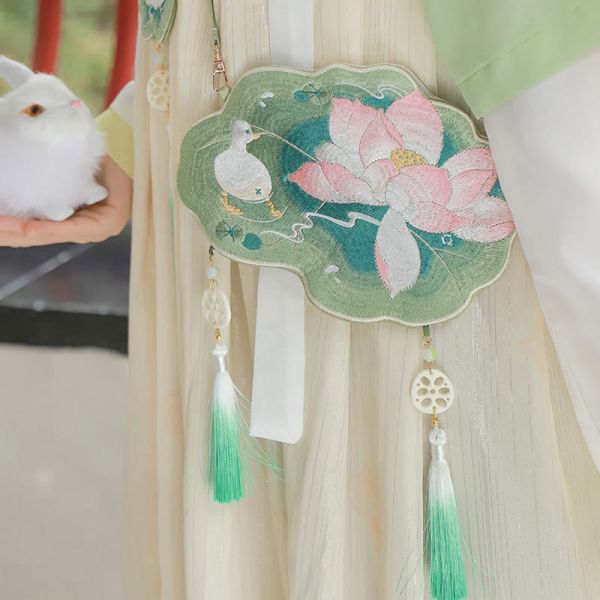 Buddha Stones Luck Embroidery Lotus Koi Fish Rabbit Flower Hanfu Bag Crossbody Bag Shoulder BagAs low as $29.59 Regular Price $39.45
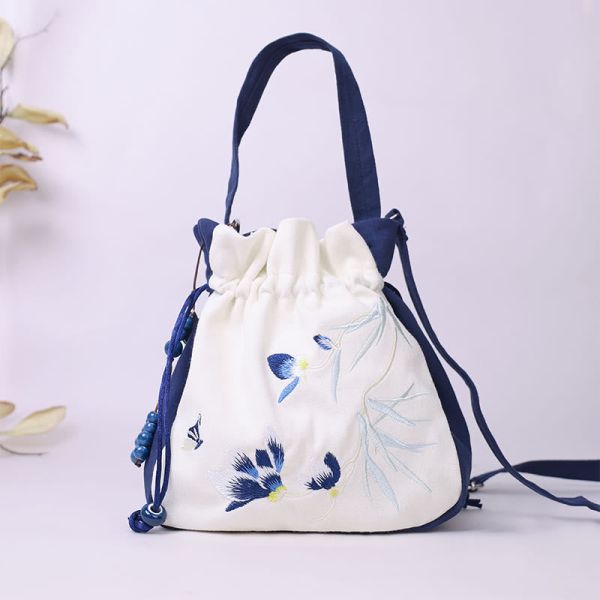 Buddha Stones Embroidered Butterfly Lotus Magnolia Cotton Linen Tote Crossbody Bag Shoulder Bag HandbagAs low as $25.59 Regular Price $35.05