Lotus Collection Guide: Caring for Embroidered Bags
Dust often gathers along a bag's lower corners and around its closure. Our lotus collection guide explains how to pack, carry, spot-clean, dry, and store lotus-patterned bags, then recognize when a strap or seam needs attention. Start with the material and construction of the bag you have, and follow any care instructions supplied with it before using the general routine below.
At Buddha Stones, our product details distinguish nylon, canvas, polyester, and cotton linen designs. Those descriptions help you identify a piece; they do not establish a shared washing method. Keep cleaning gentle, use little moisture, and give embroidered areas extra attention when checking for snags.
Tools and materials for a gentle bag-care kit
Gather a few plain supplies before starting. A clear work surface lets you inspect the fabric without dragging it across grit or catching decorative details on another object.
- A clean, white cloth for removing surface dust and checking for color transfer.
- A second white cloth, lightly dampened with water, for a small cleaning test.
- Mild soap, used sparingly and only if the care instructions allow it.
- A clean towel to support the bag while it dries.
- Plain, unprinted paper to support its shape during storage.
- A breathable fabric storage cover for protection from dust.
Avoid choosing a cleaner solely because it is labeled for fabric. Embroidery, trim, and the main fabric may respond differently. If there is no care label, begin with dry dust removal and leave persistent marks for a cleaner who can assess the construction.
Your lotus collection guide: a step-by-step routine
- Empty and inspect. Open the compartments your bag has and remove loose contents. Check corners, strap attachments, seams, and closures under good light. Look for loose threads before wiping so the cloth does not catch them. Tip out dry crumbs over a bin without pulling the bag inside out.
- Remove loose dust first. Support the fabric from underneath and gently blot or lift dust with the dry cloth. Around embroidery, use light contact rather than repeated rubbing. Do not scrape away dried deposits with a fingernail, pin, or knife.
- Test before treating a mark. If damp cleaning is permitted, touch the barely damp white cloth to a concealed area. Let that area dry before judging the result. Stop if color transfers, a ring appears, or the texture changes. Test a proposed soap solution separately before using it elsewhere.
- Work on a small area. Blot the mark without saturating the fabric. If an approved mild soap solution is needed, use a small amount, then lift residue with another barely damp section of cloth. Avoid repeated attempts when the mark is not changing; extra rubbing can damage stitching.
- Dry with support. Set the bag on a clean towel in a shaded, ventilated place. Open accessible pockets so trapped moisture can escape. Keep it away from heaters and direct sunlight. Wait until the interior, seams, and straps are dry before packing it again.
- Repack without strain. Put sharp-edged objects in a separate pouch and close liquid containers before packing them. Arrange contents so they do not push hard against the embroidery or force the closure apart. A zipper should close without needing to compress the bag with both hands.
Adjust an adjustable strap while the bag is empty, then check that it holds before adding contents. With fixed straps, use the carrying position their length permits. Lift a loaded bag by its intended straps or handles, keeping decorative cords and accessories free of the load.
After use, remove anything damp or prone to leaking. For longer storage, add loose paper support without stretching the sides, and place the bag in its dust cover. Avoid stacking heavy objects on top or hanging a loaded bag from a narrow hook.
Habits that can damage fabric and embroidery
- Do not assume machine washing is suitable. A fabric name alone does not confirm that the assembled bag can tolerate agitation, soaking, or tumble drying.
- Do not apply bleach, alcohol, or stain remover without guidance. A product suited to one surface may discolor another part of the bag.
- Do not pull a loose embroidery thread. Leave it undisturbed until you can assess the repair or ask someone familiar with embroidery.
- Do not force a stuck closure. Empty nearby contents and check for caught fabric before gently trying again. Stop if the fastening remains jammed.
- Do not treat a product name as a washing instruction. Even a bag named “Waterproof” should not be submerged based on that word alone.
Keep bags clear of lit incense, candle flames, and hot surfaces. When setting one down, choose a dry, clean spot where a strap will not trail into a walkway or catch under furniture.
When a bag needs repair or retirement
A faded motif or a small surface mark does not automatically make a bag unusable. Check the parts that carry weight and keep contents inside. Separating seams, torn strap attachments, and a closure that opens unexpectedly deserve attention before further use.
Set the bag aside if an attachment is failing, the fabric is tearing around a repair, or a broken accessory leaves a sharp edge. Ask a repair specialist whether the surrounding material can support mending. Avoid covering a structural tear with decorative stitching and assuming the load-bearing area is sound.
If repair is impractical, retire it from carrying valuables. A clean bag with a secure remaining compartment may serve as stationary storage for lightweight items. Persistent dampness or an unresolved musty odor also calls for assessment before reuse.
Lotus bags: product details to check before use
Nylon crossbody with adjustable strap
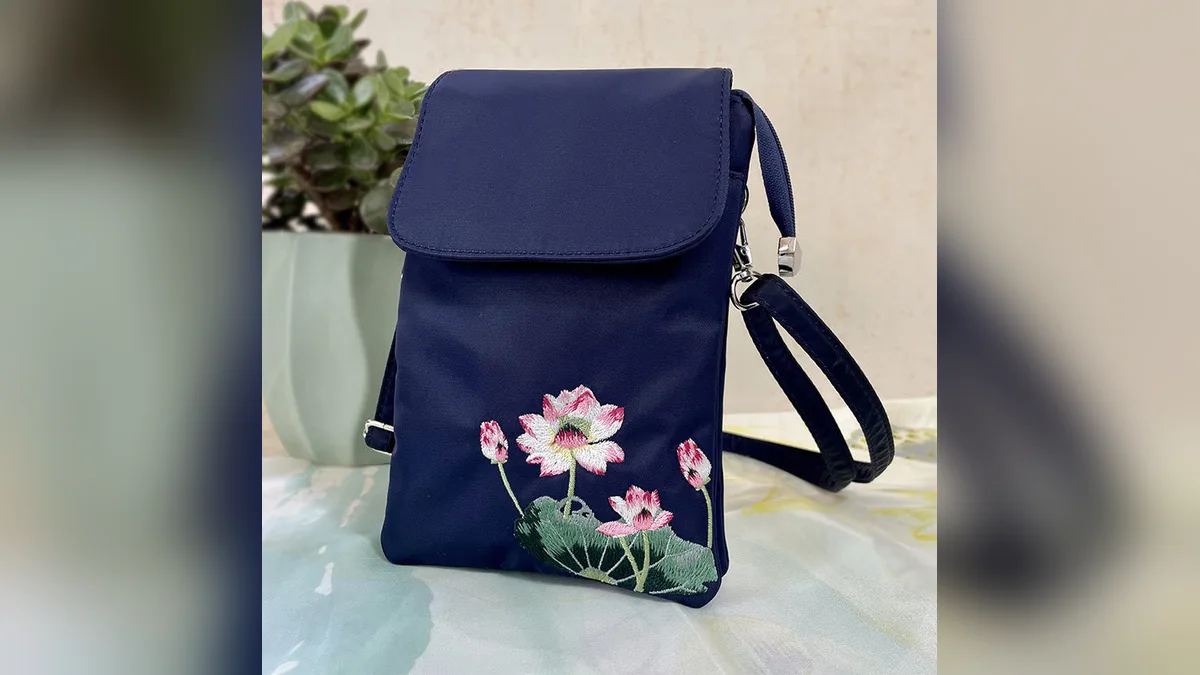
Our Waterproof Handmade Embroidered Lotus Flowers Crossbody Bag uses Nylon Fabric and measures 20*13cm. It has an adjustable strap with a stated length of 120cm, buckle and zipper closures, and a weight of 200g. Options include Blue Four Lotus and Blue Lotus Dragonfly. Check around both closure types during your inspection.
Canvas tote with fixed straps
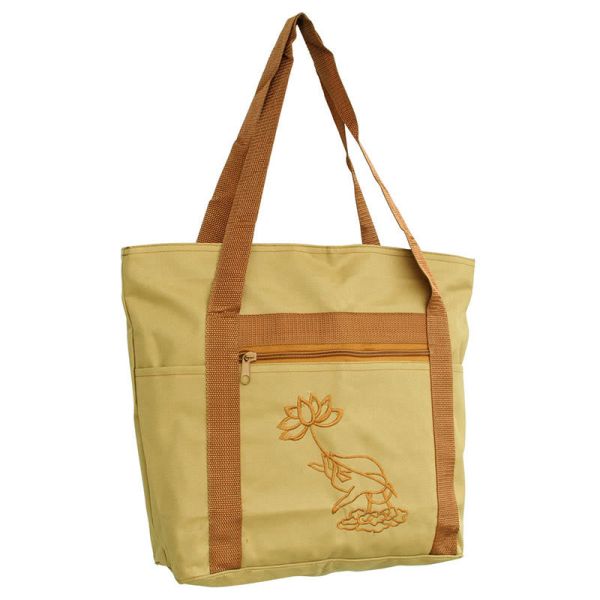
The Spiritual Mind Practice Lotus Embroidery Canvas Tote Bag uses Canvas Fabric. Its size is 31*12*31CM (Length*Width*Height), with non-adjustable straps measuring 68*6cm (Length*Width). It has one main pocket, one interior zipper pocket, one front zipper pocket, and one back zipper pocket. Empty those separate pockets before cleaning.
Polyester Hanfu bag with motif options
The Buddha Stones Luck Embroidery Lotus Hanfu Bag uses Polyester, with a stated strap length of 100-110cm and weight of 77.6g. The size entry is specifically Summer Lotus 22.3*16cm; do not apply it to other options. Koi Fish Lotus is among the motif choices. “Luck” expresses a traditional wish in the name; there is no guarantee of a result.
Cotton linen bag with ceramic accessories
The Embroidered Butterfly Lotus Magnolia Cotton Linen Bag combines Cotton Linen Fabric with Ceramic Bead Accessories. It measures 20*20*7cm and has an adjustable shoulder strap with a stated length of 130cm. Its structure includes one main pocket and one back zipper pocket, with a strap closure. Support the ceramic accessories while handling the fabric around them.
Finish with a storage check
Before putting a bag away, check that it is empty, dry, and resting without pressure on its decoration. Leave unresolved repairs visible rather than hiding them beneath packed contents. A brief inspection at the next use will help you decide whether it is ready to carry.
Shop the story
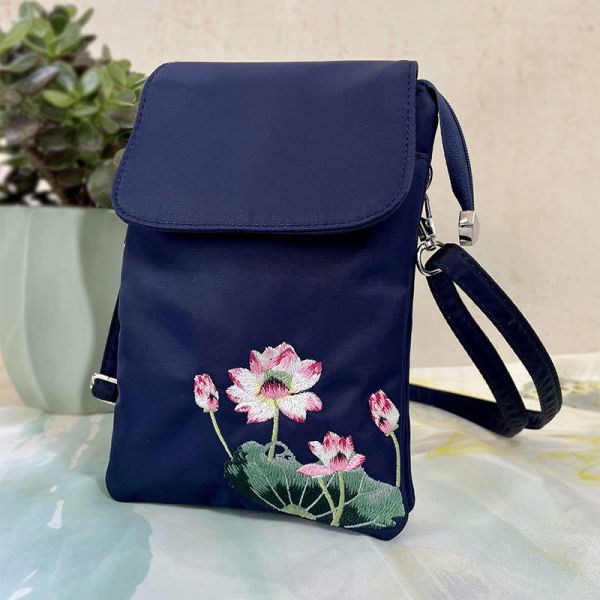 Buddha Stones Waterproof Handmade Embroidered Lotus Flowers Crossbody Bag Shoulder Bag Cellphone BagAs low as $25.59 Regular Price $34.12
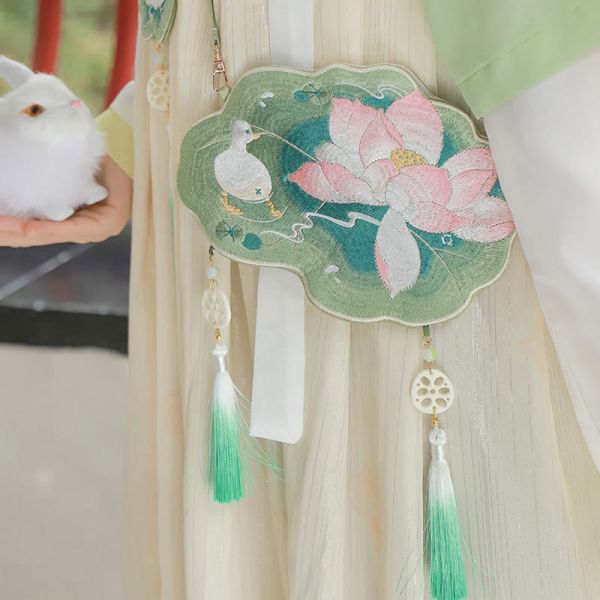 Buddha Stones Luck Embroidery Lotus Koi Fish Rabbit Flower Hanfu Bag Crossbody Bag Shoulder BagAs low as $29.59 Regular Price $39.45
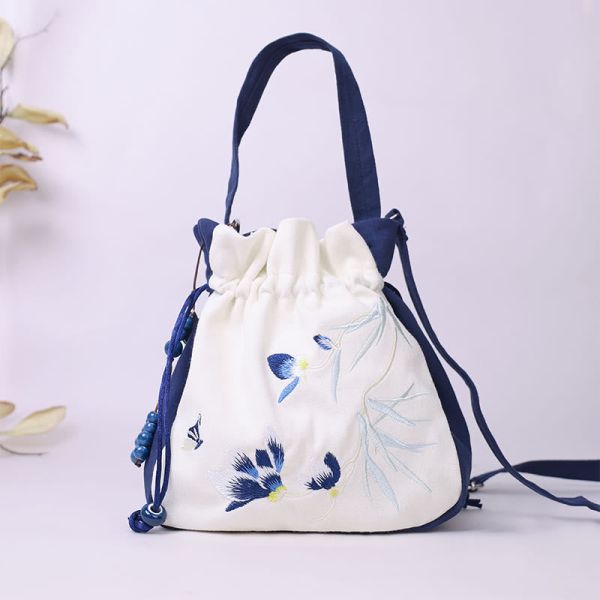 Buddha Stones Embroidered Butterfly Lotus Magnolia Cotton Linen Tote Crossbody Bag Shoulder Bag HandbagAs low as $25.59 Regular Price $35.05