Layered Necklace Guide: Arrange, Clean, and Store
Necklaces often cross near the clasp or collect residue where a pendant meets its chain. In this layered necklace guide, we explain how to arrange necklaces at different lengths, check their spacing, clean them gently, and recognize wear that needs repair. Start with two pieces and a clear surface. At Buddha Stones, we recommend a small maintenance routine: inspect before wearing, keep pendants from knocking together, and put necklaces away individually.
Tools and materials for a tidy necklace routine
Set out a few simple supplies before opening clasps or loosening an adjustable necklace:
- A clean, lint-free cloth for wiping exposed surfaces.
- A second cloth, lightly dampened with plain water, for a small patch of surface residue.
- A padded tray or folded towel to catch a dropped pendant.
- A flexible measuring tape to compare necklace lengths while they lie flat.
- A mirror and separate compartments or small pouches for storage.
Begin with dry wiping. Water should be a limited spot-cleaning aid, followed by careful drying. If you do not know a component’s material or care requirements, avoid applying a cleaning solution. A product’s stone name does not identify every fitting or treatment.
Your layered necklace guide: the step-by-step routine
- Inspect the pieces separately. Lay one necklace at a time on the padded surface. Look for open links, distorted fittings, rough edges, fraying, and cracks around attachment points. Where a clasp is present, check that it closes fully. Set aside anything questionable.
- Compare lengths and pendant positions. Place necklaces side by side without pulling them taut. Use the stated lengths as starting points, then consider pendant height and your neckline. Similar necklace lengths may place pendants together even when their shapes differ. Leave enough visible space that the pendants do not rest against one another.
- Choose two pieces first. Give one pendant a clear position above the other. Add another necklace only if the arrangement remains separated during movement. A larger pendant does not automatically belong at the bottom; its actual resting position matters more than a styling rule.
- Put on clothing before jewelry. Finish applying cosmetics or fragrance and allow them to dry. Fasten the shorter necklace, then add the longer one. Use only an adjustment method the necklace actually provides. Do not pull a fixed-length chain to create extra room or force a knot to slide.
- Check the arrangement in motion. Turn your head, look down, and move your shoulders gently. Check the back as well as the front. If chains repeatedly cross or pendants strike together, remove a layer or change the spacing where adjustment is available.
- Remove necklaces individually. Take them off before sleeping, washing, swimming, or activities where they could snag. Support the pendant while opening its fastening. If two necklaces have crossed, place them on the tray and ease them apart before pulling either over your head.
- Wipe, dry, and put away. Wipe the pendant, chain, or rope gently with the dry cloth. For a stubborn surface mark, use a barely damp corner only where the material’s care instructions permit it. Dry immediately and leave the necklace out until no moisture remains before enclosing it. Keep pendants from touching neighboring jewelry in storage.
Record a useful combination by noting which necklace sits above the other and which adjustment you used. This makes the next setup simpler without repeatedly experimenting with knots or fittings. If a different collar pushes the lower pendant upward, revise the arrangement for that garment.
What not to do when wearing or cleaning layers
Do not soak an assembled necklace to clean one dirty area. Its stone, chain, rope, and fittings may need different handling. Avoid abrasive powders, toothpaste, household cleaners, and polishing compounds unless care instructions specifically approve them. Do not use ultrasonic or steam equipment without confirmation that the complete necklace is suitable.
Keep needles, pins, and sharp tweezers away from tangles. Lay the necklaces flat, loosen the crossed section with your fingertips, and stop if a link begins to bend. Pulling opposite ends usually tightens the knot.
Do not bundle several necklaces into one pouch or hang a heavy pendant from a fine neighboring chain. Avoid fastening independent necklaces together unless a suitable accessory and compatible fittings are confirmed. An improvised connection can change how the weight rests on a clasp.
When to replace a component or retire a piece
Stop wearing a necklace if a clasp will not close securely, a link has opened, a rope is fraying near an attachment, or a pendant has a crack at its suspension point. Put it in a separate compartment and ask a jewelry repair professional to assess the damaged area.
A replaceable fastening may allow continued use, but choose a replacement that fits the attachment and supports the pendant. Do not glue a broken link or cover fraying with a decorative knot and treat it as repaired.
Color variation alone is different from structural damage. Compare a questionable mark with a clear reference photo if available. If safe repair is not practical, retire the necklace from wear and keep it as an unworn keepsake.
Products to compare by length and pendant size
Our selection below includes different lengths and pendant dimensions. Compare those details before planning a combination; matching chain lengths do not create separate tiers by themselves.
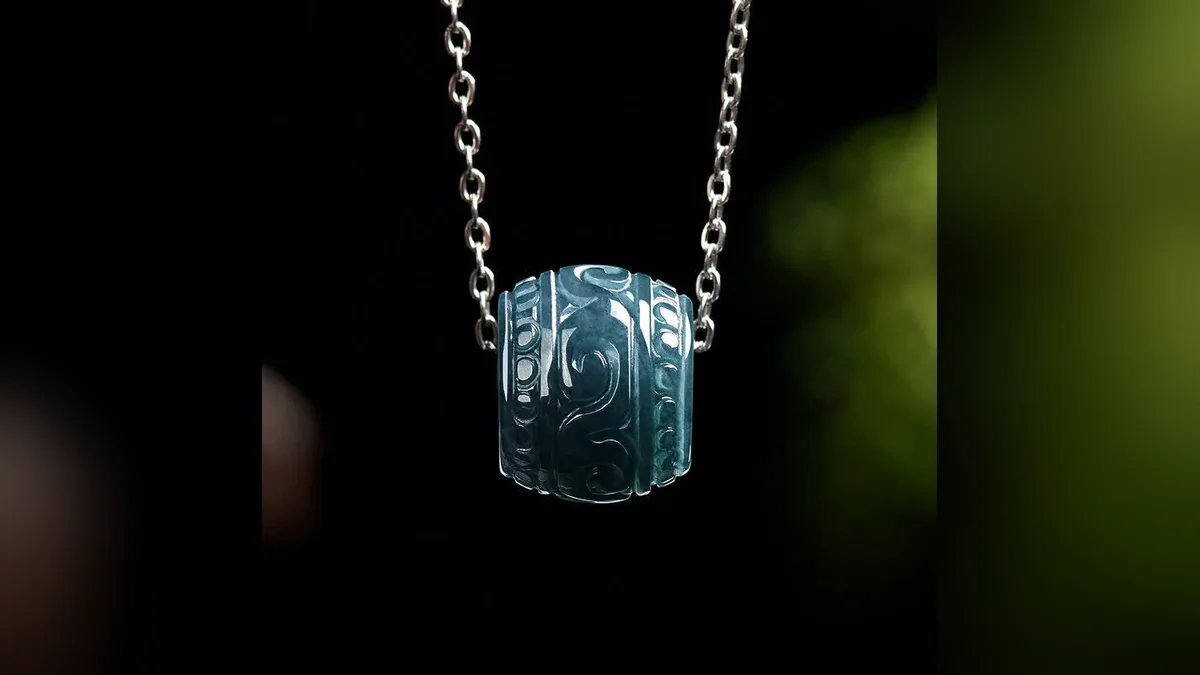
Jade barrel pendant
The Jade Engraved Harmony Barrel Pendant Necklace uses jade and a titanium steel chain. Necklace length: Approx. 20 in / 50 cm. Pendant size: Approx. 0.57 × 0.48 in / 14.5 × 12.3 mm. Jade may vary slightly in color, details, and overall appearance.
Jade square pendant
The Jade Om Mani Padme Hum Wisdom Square Pendant Necklace uses jade and a titanium steel chain. Necklace length: Approx. 20 in / 50 cm. Pendant size: Approx. 0.45 × 1.00 in / 11.5 × 25.5 mm. Its materials may show slight differences in color, details, and overall appearance.
Cyan jade peace buckle
The Natural Cyan Jade Peace Buckle Abundance Pendant Rope Necklace combines cyan jade and rope. Necklace length: Approx. 18 in / 45 cm. Pendant size: Approx. 0.9 in / 23 mm. Natural jade may vary slightly in color, details, and overall appearance. Abundance in its name expresses a traditional wish; it guarantees no result.
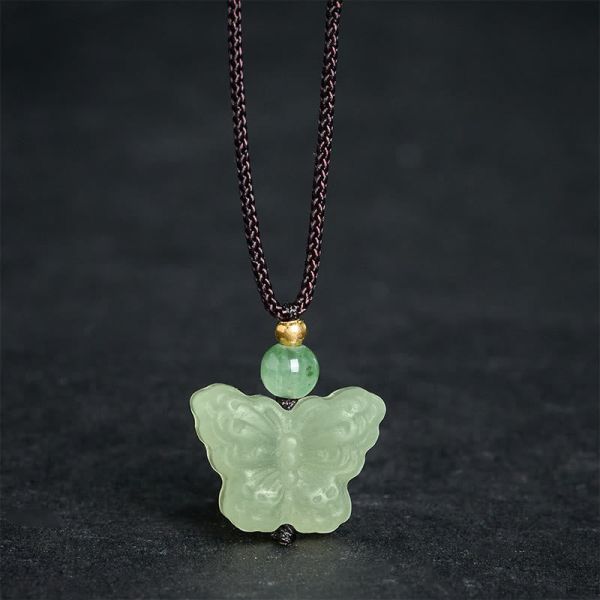
Xiuyan jade butterfly pendant
The Xiuyan Jade Butterfly Transformation Hand Carved Pendant Necklace has a necklace length of Approx. 15.7 in / 40 cm and adjustable length of +0-7.9 in / +0-20 cm. Pendant size: Approx. 0.63 × 0.79 × 0.24 in / 16 × 20 × 6 mm. The stated material is Xiuyan jade, which may vary slightly in color, details, and overall appearance.
Keep the next wear simple
Finish by checking that your necklaces are dry, separated, and ready for inspection next time. Use this routine as a repeatable checklist: choose clear spacing, watch for contact, and address worn attachments promptly. A manageable arrangement is one you can put on, remove, and care for without forcing its parts.
Shop the story
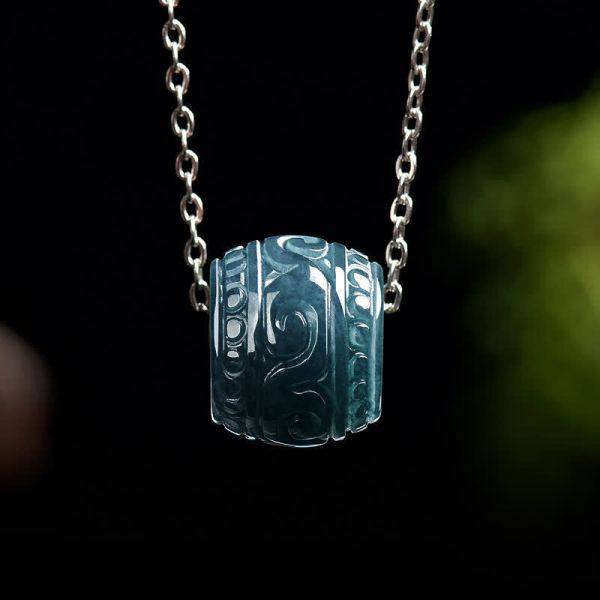 Buddha Stones Jade Engraved Harmony Barrel Pendant Titanium Steel Chain NecklaceSpecial Price $37.59 Regular Price $50.80
 Buddha Stones Jade Om Mani Padme Hum Wisdom Square Pendant NecklaceSpecial Price $34.59 Regular Price $48.72
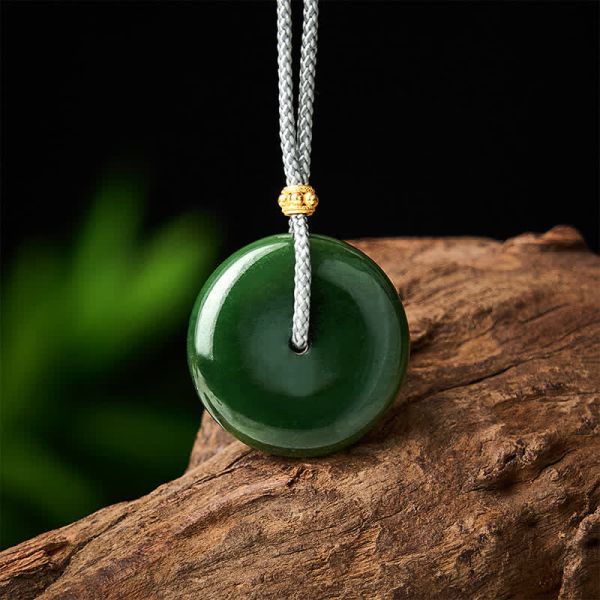 Buddha Stones Natural Cyan Jade Peace Buckle Abundance Pendant Rope NecklaceSpecial Price $25.59 Regular Price $35.54