
Lapis Care Tips: A Manual for Cleaning and Storage
Lapis jewelry can collect a dull film where it touches skin or clothing. These lapis care tips explain how to remove everyday residue, check cords and settings, and put jewelry away without unnecessary rubbing or moisture. At Buddha Stones, we recommend a gentle routine that considers the entire item: stone, cord, metal, and any other materials. Begin with a dry wipe, use a barely damp cloth only when needed, and stop if you notice loose parts or a changing surface.
Tools and materials for a gentle cleaning session
Prepare a clear work area before taking out your jewelry. A folded towel on a table helps keep small items from rolling away. Work away from an open sink, where a loose bead or ring could disappear.
- A clean, soft, lint-free cloth for lifting surface dust.
- A second clean cloth for drying.
- A small bowl of lukewarm water.
- A little mild liquid soap, reserved for residue that water alone will not lift.
- A padded compartment or fabric pouch for storage after drying.
Keep polishing compounds and household cleaners off the work surface. Check cloths for grit before using them; a dirty cloth can drag particles across the finish. You do not need a powered cleaning device.
Lapis care tips: a step-by-step routine
- Inspect before cleaning. Look at bead holes, exposed edges, knots, closures, and stone settings where present. Check for fraying, chips, or a stone that appears to have shifted. Do not pull a cord or push a stone to test its strength. Set aside anything that needs repair.
- Lift loose dust. Support the item on the towel and wipe gently with the dry cloth. Turn beads individually if they move freely. Avoid dragging the entire strand through a tightly gripped cloth, which can strain its connections.
- Try a little plain water. Dampen a corner of the cloth, then squeeze out excess water. Test an inconspicuous spot with a light touch. If color transfers or the finish changes, stop and consult a jeweler. Do not continue rubbing to investigate.
- Address remaining residue. If the surface stays unchanged, use a cloth lightly dampened with lukewarm water containing a little mild soap. Wipe the affected area briefly. Keep moisture away from cord knots and openings as much as possible, and do not immerse the item.
- Remove soap and dry. Use a fresh cloth corner barely dampened with plain water to lift soap residue. Blot with the drying cloth rather than scrubbing. Leave the jewelry flat on a clean towel until cords, crevices, and metal connections are dry before storing.
For routine upkeep, stop after the dry wipe if the surface is clean. More cleaning is not automatically better. If dirt remains in a bead hole or beneath a setting, leave it for a jeweler rather than digging with a pin or toothpick.
Before putting jewelry on, let lotions, fragrances, and other applied products dry. Remove lapis jewelry before bathing, swimming, household cleaning, or work that could knock it against a hard surface. When taking off a ring, hold its band rather than pulling on the stone.
What not to do with lapis jewelry
- Do not soak it. A long bath adds moisture to cords and joins that may be difficult to dry. Brief, controlled wiping is easier to manage.
- Skip steam and ultrasonic cleaners. Lapis requires gentler handling, and a mixed-material item must also suit its other components.
- Avoid acids, solvents, and bleach. Vinegar, lemon juice, nail polish remover, and disinfecting liquids are not substitutes for mild soap and water.
- Do not scour or buff the stone. Toothpaste, abrasive powders, rough brushes, and vigorous polishing can damage a surface rather than restore it.
- Keep heat out of the drying process. Do not use a hair dryer, radiator, oven, or hot windowsill. Allow drying at room temperature.
A silver component does not make a whole item suitable for a silver dip. Keep metal polish away from lapis and neighboring stones. If tarnish sits close to a setting, ask a jeweler to handle that area instead of coating the entire ring with a cleaning product.
When to replace a part or retire a piece
Pause wear when a cord develops visible fraying, a knot slips, a closure no longer holds, or a stone moves in its setting. A chip with a sharp edge also deserves inspection. Put the item in a small container so loose parts remain together until it can be assessed.
Repair may mean replacing a cord, securing a setting, or replacing a damaged component. Ask a jeweler what can be retained before deciding to replace the whole item. Repeatedly tightening a failing knot or bending an adjustable ring back and forth is not a lasting repair.
Familiar color variation alone is not a reason to discard lapis. A newly rough surface, fresh crack, or sudden color change calls for assessment rather than stronger cleaning. If repair is impractical, retire the jewelry from wear and keep it in a closed keepsake box.
Our lapis jewelry: details that guide care
Use the product details to plan handling and storage. The words Luck and Protection in product names express traditional wishes. Neither word promises that wearing the jewelry will fulfill those wishes.
A fine red cord bracelet
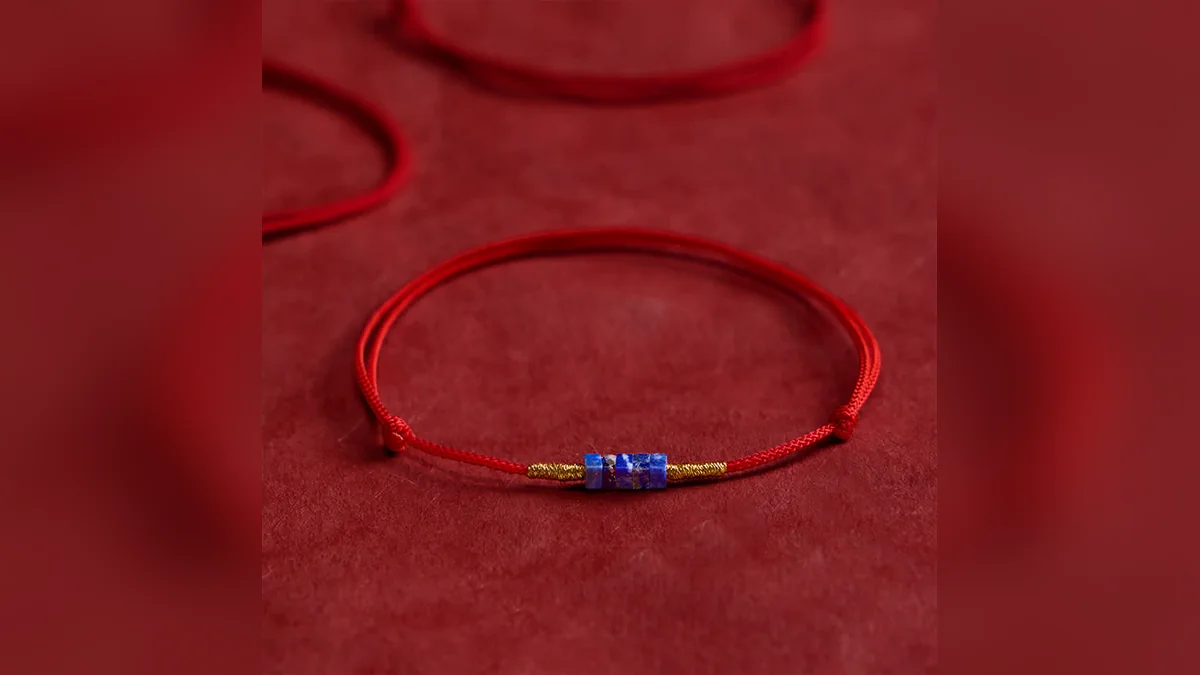
Our Hand-Woven Small Square Lapis Lazuli Red String Luck Bracelet has an adjustable cord, Approx. 3mm beads, and a wrist circumference specification of 5.9–6.7 in / 15–17 cm. Support the bracelet during wiping and keep the adjustment area from becoming saturated.
An 8mm bead bracelet with material options
The Natural Tiger Eye Lazurite Lapis Lazuli Protection Bracelet offers Lazulite, Malachite, Red Tiger'eye, and Tiger's eye options. Its specifications give 8mm beads and a length of 21cm. Confirm your selected option before choosing care instructions; the option names do not mean every bracelet combines those materials.
A necklace combining several stones
Our Tibetan Turquoise Lazurite Lapis Lazuli Zebra Jasper Balance Necklace has a size of 45cm. Its materials are Turquoise, Lapis Lazuli (Lazurite), Zebra Jasper Stone, and Amethyst. Lay the necklace out for inspection and support its length while wiping rather than letting it dangle.
A ring with sterling silver
The Natural 925 Sterling Silver Lazurite Lapis Lazuli Turquoise Adjustable Balance Ring uses 925 Sterling Silver, Lapis Lazuli (Lazurite), and Turquoise. Treat the stone areas separately from any metal polishing, and avoid repeated reshaping of the band.
Finish with a dry check before storage
Before putting lapis jewelry away, check that no damp patches remain and that connections look intact. Give it a separate padded compartment so neighboring jewelry cannot rub against it. Keep the storage area dry and away from direct heat. Gentle wiping, careful handling, and timely repairs make a practical routine you can repeat without adding unnecessary products or complicated steps.
Shop the story
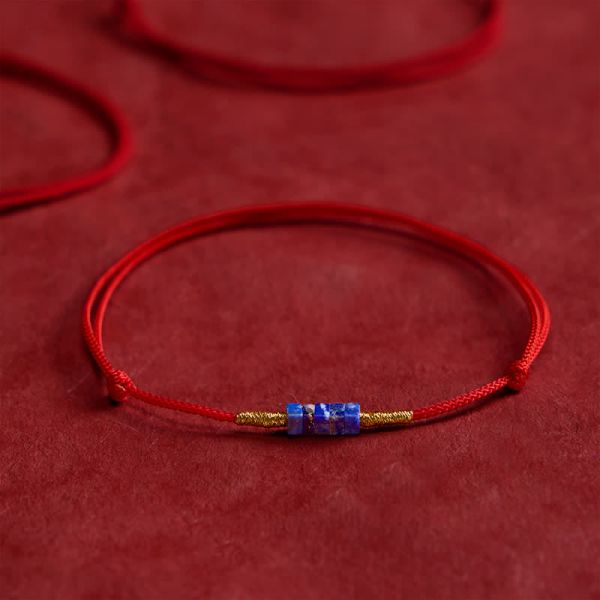 Buddha Stones Hand-Woven Ultra-fine Small Square Shape Lapis Lazuli Red String Luck BraceletSpecial Price $25.59 Regular Price $34.58
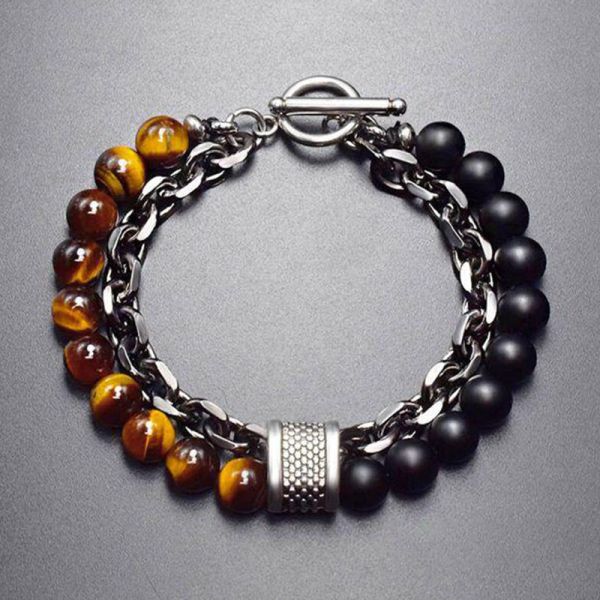 Buddha Stones Natural Tiger Eye Lazurite Lapis Lazuli Protection BraceletAs low as $25.59 Regular Price $33.67
 Buddha Stones Tibetan Turquoise Lazurite Lapis Lazuli Zebra Jasper Balance NecklaceSpecial Price $54.59 Regular Price $76.89
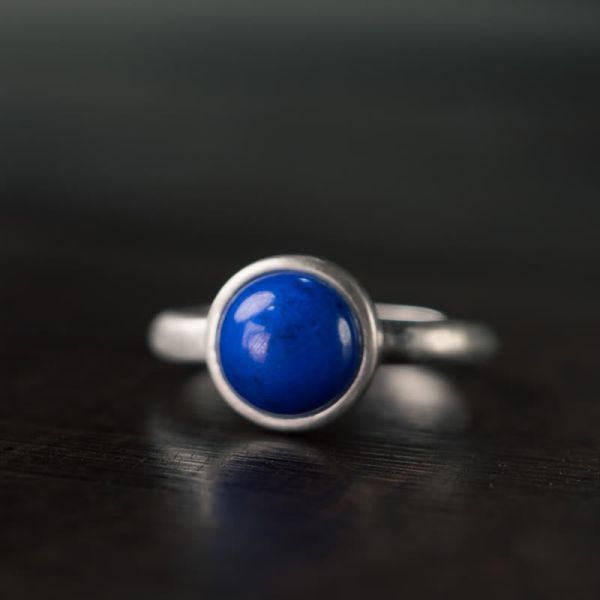 Buddha Stones Natural 925 Sterling Silver Lazurite Lapis Lazuli Turquoise Adjustable Balance RingAs low as $334.59 Regular Price $446.12