
Lapis Lazuli Bracelet Care: A Gentle Cleaning Guide
A soft cloth removes loose dust before you add moisture. Lapis lazuli bracelet care means cleaning gently, limiting contact with water and chemicals, checking the cord or setting, and putting the bracelet away dry. We recommend starting with a dry wipe, using a barely damp cloth only when needed, and avoiding soaking. The steps below explain how to handle everyday dirt without overlooking the string, metal, or other stones in your jewelry.
1. Start lapis lazuli bracelet care with an inspection
Place the bracelet on a clean towel and look over it in good light. Check for chipped edges, loose beads, worn cord, or gaps around a setting. Move the bracelet gently enough to see between the beads without pulling its string or stretching its construction.
If a bead moves unexpectedly or a cord looks frayed, pause cleaning and arrange a repair assessment. Rubbing a loose component can make the problem worse. Dirt may be removable at home, but a damaged fastening needs a different response. Keep any detached parts together rather than trying to push them back into position.
2. Prepare a small cleaning area
Use a clean, soft, lint-free cloth and a second cloth for drying. Choose a work surface away from an open sink drain. A folded towel gives the bracelet somewhere to rest and helps prevent it from rolling onto a hard floor.
Begin without a cleaning solution. Lapis lazuli needs gentle handling, and a dry wipe may be enough for light surface dust. Avoid paper towels, rough fabric, and cloths containing polishing compounds. If your bracelet includes other stones or metal, identify those components before choosing any additional cleaning method. A cleaner suitable for one material may be unsuitable for another.
3. Wipe the beads with minimal moisture
Support one bead at a time and wipe it lightly with the dry cloth. Work around its accessible surfaces without dragging the entire bracelet through a tightly gripped cloth. This keeps unnecessary tension off the cord and connections.
For dirt that remains, moisten a clean corner of the cloth with lukewarm water and wring it out thoroughly. It should feel barely damp, not drip. Wipe the affected area briefly, then follow with the dry cloth. Do not submerge the bracelet or hold it under running water.
If a greasy mark persists, a tiny amount of mild soap diluted in water can be used on the cloth. Remove the residue with a separate barely damp corner. Stop if color transfers or the surface changes, and ask a jeweler familiar with lapis lazuli for advice. Avoid repeated scrubbing to chase a stubborn spot.
4. Give cords and settings separate attention
Clean around knots and bead holes with the edge of the cloth. Do not push needles, toothpicks, or stiff brush bristles into small openings. Keep moisture away from the cord as much as possible, and never pull a knot apart to reach trapped dirt.
For jewelry containing silver, keep silver dips and polishing compounds away from lapis lazuli and any neighboring stones. If exposed silver needs attention, ask a jeweler about a method appropriate for the complete piece. Do not assume a treatment intended for plain silver jewelry is suitable for a ring or bracelet with stone components.
5. Dry completely before putting it away
Blot away remaining moisture with the dry cloth, including around bead holes and connections. Rest the bracelet on a clean towel at room temperature until the cord and other components are dry. Turn it gently if needed so damp areas are not pressed against the towel throughout drying.
Skip hair dryers, radiators, and direct sunlight as drying shortcuts. Do not seal a damp bracelet inside a pouch or jewelry box. If it becomes wet accidentally, remove it, blot it promptly, and let it dry before deciding whether it needs further attention.
6. Build care into wearing and storage
Put the bracelet on after lotions, perfume, and other cosmetics have dried. Remove it before showering, swimming, washing dishes, exercising, or using household cleaners. Set it aside before work that could knock the beads against tools, counters, or hard edges.
Reserve a fabric-lined compartment or an individual soft pouch for the dry bracelet. Arrange it so neighboring jewelry cannot rub against the beads or catch the cord. Keep the storage area away from heat and persistent dampness. Before wearing it again, check the fastening and cord rather than tugging the bracelet to test its strength.
Mistakes that make gentle cleaning harder
- Soaking the whole bracelet: prolonged wetting also reaches the cord, knots, and spaces around settings. Use controlled wiping instead.
- Using ultrasonic or steam cleaners: these methods are unsuitable for lapis lazuli. Keep cleaning gentle and manual.
- Trying acidic household mixtures: vinegar and lemon juice are poor choices for lapis lazuli. Avoid bleach and other harsh cleaners too.
- Scrubbing with abrasives: toothpaste, scouring powders, and rough pads can damage a polished surface.
- Cleaning by a fixed calendar: inspect the bracelet and respond to visible dirt. An unnecessary wet cleaning adds handling without a clear purpose.
- Forcing a repair during cleaning: stop if a knot loosens, a setting shifts, or a bead cracks. Save the cleaning for after the problem is assessed.
Four Buddha Stones pieces and their stated details
Our product specifications identify the sizes and materials below. The words “Luck” and “Protection” in the bracelet names express traditional wishes. A name cannot guarantee luck or protection.
A small square red string bracelet
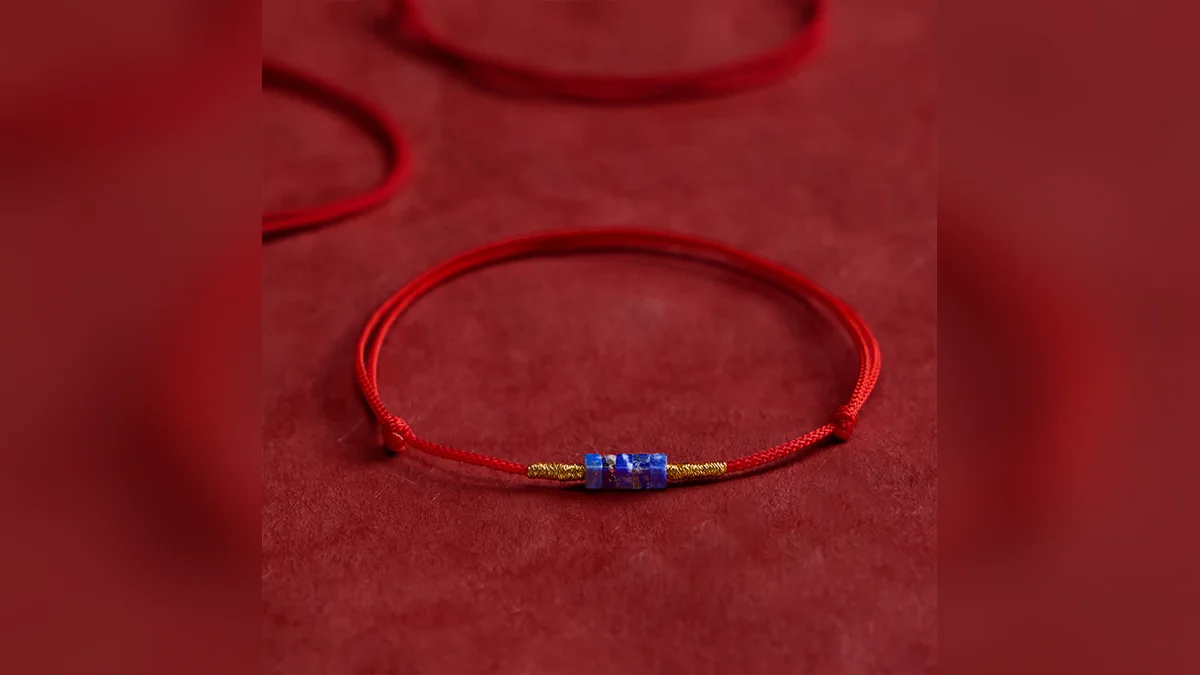
Our Hand-Woven Small Square Lapis Lazuli Red String Bracelet has an adjustable cord. Its wrist circumference specification is 5.9–6.7 in / 15–17 cm, and its bead size is Approx. 3mm. The specified material is String. The package contains 1 × Bracelet. Its SKU is BS225026C0A15.
A bracelet with named stone options
The Tiger Eye Lazurite Lapis Lazuli Bracelet offers Lazulite, Malachite, Red Tiger'eye, and Tiger's eye options. Its specifications give 8mm beads, a length of 21cm, and wrist circumference of 7.09-7.87 in (18–20 cm). It is unisex. The material entry includes Tiger Eye, Lapis Lazuli (Lazurite), Red Tiger'eye, and Malachite. Its SKU is BSP-BS02389744A2.
A necklace with several stone materials
The Tibetan Turquoise Lazurite Lapis Lazuli Zebra Jasper Necklace has a size of 45cm. Its specified materials are Turquoise, Lapis Lazuli (Lazurite), Zebra Jasper Stone, and Amethyst. This item is a necklace, with SKU BS1114542713.
A silver ring with two style options
Our 925 Sterling Silver Lazurite Lapis Lazuli Turquoise Adjustable Ring offers A Style(About 9*9mm) and B Style(About 9*9mm). Its ring size field reads About 0.35*0.35in(9*9mm). The specified materials are 925 Sterling Silver, Lapis Lazuli (Lazurite), and Turquoise. Its SKU is BSP-BS13775B4D990.
Keep your cleaning cloth beside your jewelry storage so a quick inspection and gentle wipe are easy to remember. Use moisture sparingly, wait for complete drying, and let a repair professional handle loose or damaged components. A careful routine gives the bracelet the attention its condition requires.
Shop the story
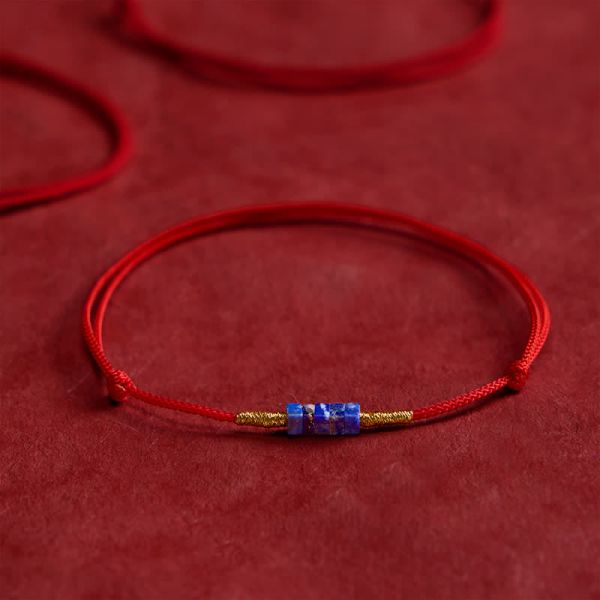 Buddha Stones Hand-Woven Ultra-fine Small Square Shape Lapis Lazuli Red String Luck BraceletSpecial Price $25.59 Regular Price $34.58
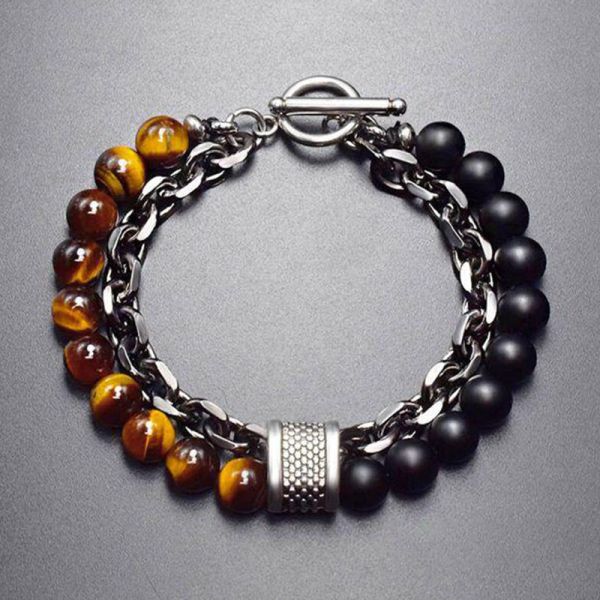 Buddha Stones Natural Tiger Eye Lazurite Lapis Lazuli Protection BraceletAs low as $25.59 Regular Price $33.67
 Buddha Stones Tibetan Turquoise Lazurite Lapis Lazuli Zebra Jasper Balance NecklaceSpecial Price $54.59 Regular Price $76.89
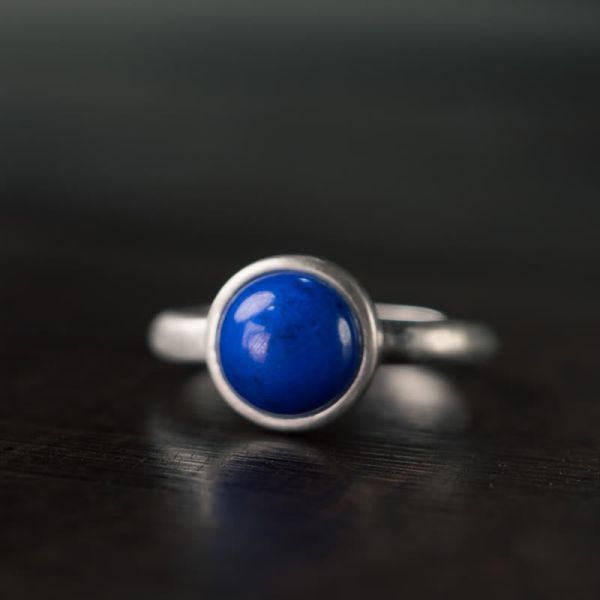 Buddha Stones Natural 925 Sterling Silver Lazurite Lapis Lazuli Turquoise Adjustable Balance RingAs low as $334.59 Regular Price $446.12