Koi Jewelry Guide: Daily Care for Cords and Details
Cord bracelets often collect dust where the string meets a metal detail. That small junction is a useful place to begin a care check. Our koi jewelry guide explains how to inspect an adjustable bracelet, remove loose dirt gently, check its fit, and recognize when a cord or fitting needs attention. It also covers handling a koi-patterned shawl and folding fan alongside jewelry. The practical rule is to match your care method to the materials, then stop if cleaning would require force or an unverified treatment.
Tools and materials for a gentle care check
Clear a dry surface with enough room to lay the bracelet flat. Good light helps you distinguish loose lint from a damaged strand. Gather a few simple supplies:
- A clean, soft, lint-free cloth for dry wiping.
- A second cloth to place beneath the bracelet while you inspect it.
- A small tray to keep the piece away from the edge of the surface.
- A separate pouch or compartment for storage after inspection.
Keep cleaning liquids aside at first. An alloy description alone does not establish a suitable chemical cleaner or reveal every surface finish. If your item has a care label or supplied instructions, consult those before attempting anything beyond gentle dry care.
Your koi jewelry guide: a step-by-step routine
- Remove the bracelet before wet or messy tasks. Take it off before washing, swimming, applying lotion, or handling household cleaners. Place it in a dry spot away from the sink. This avoids having to remove soap, residue, or trapped moisture from the cord afterward.
- Inspect before you adjust. Lay the bracelet down and look along the cord, especially near the metal detail and sliding adjustment. Check for thinning, broken strands, loose connections, or a knot that has begun to come apart. Do not pull on a questionable section to test its strength.
- Wipe the visible surfaces lightly. Support the metal detail from underneath and pass the dry cloth over it without tugging the cord. Use a clean section of cloth as you work. Lift away loose lint with the cloth rather than digging into narrow spaces with a pin.
- Leave stubborn marks alone until the care method is clear. A mark that remains after dry wiping does not automatically need stronger cleaning. Avoid experimenting with kitchen ingredients or metal polish. Ask a jewelry repair professional about the specific piece if residue cannot be removed gently.
- Adjust through the cord mechanism. Hold the adjustment area and move the cord gradually. Avoid using the koi detail as a handle. Set the fit so the bracelet can move a little without sliding off; do not force a small opening over your hand.
- Put it away only when dry. If the bracelet becomes damp, blot it gently and leave it in a ventilated place away from direct heat. Wait until the cord is dry before enclosing it. Keep the adjustment loose enough that storage does not leave the cord under tension.
Make a brief visual check before putting the bracelet on again. Cleaning need not become a full treatment after every wear: a dry wipe is enough when the only issue is loose surface dust. Visible damage calls for a different decision, not a more vigorous cleaning session.
Handle accompanying textiles and folding accessories separately. Remove a bracelet before arranging a shawl if its details catch on fabric. Move a folding fan by its frame, opening and closing it gently instead of pulling on the fabric surface or tassel. Follow any textile care label before washing a shawl; its fiber percentages alone do not settle every washing question.
What not to do around cords and metal details
Do not soak a mixed-material bracelet to reach dirt beneath its fittings. Water can remain in cord and narrow gaps after the exposed surface looks dry. Avoid steam, ultrasonic equipment, abrasive powders, toothpaste, and polishing compounds unless a qualified professional has confirmed their suitability for that particular piece.
Do not trim a loose cord end simply because it looks untidy. It may be part of the adjustment or knot. Likewise, avoid adding glue or melting an end with a flame: the cord composition and construction may be uncertain, and these actions can make later repair harder.
Keep the bracelet away from hooks, open zippers, and crowded storage where it can snag. For the fan, never force a resistant fold. For the shawl, free a caught thread gently rather than pulling the fabric against the bracelet.
When to repair, replace, or retire a piece
Pause wear when the adjustment slips open, a connecting part separates, or the cord becomes visibly thin at a load-bearing point. A sharp or rough metal edge also needs attention. Set the piece aside so it cannot catch on clothing while you decide whether repair is practical.
A color change alone is different from structural damage. Compare it with the condition of the cord and fittings instead of assuming the whole bracelet has failed. Conversely, a surface that still looks bright does not make a frayed cord dependable.
Ask a repair professional whether the affected part can be replaced without compromising the remaining construction. If repair is not practical, you can retire the bracelet from wear and keep it as a stored keepsake. There is no universal replacement schedule; condition and the way the adjustment functions are more useful checks than age alone.
Our koi pieces: materials and handling priorities
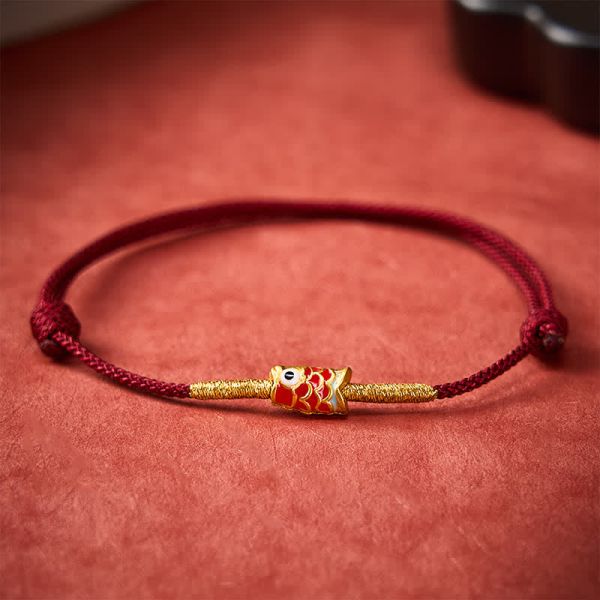
Red cord bracelet
The Buddha Stones Koi Fish Luck Hand-Woven Red String Bracelet combines rope and alloy with an adjustable cord. Its wrist circumference specification is 5.9-7.5 in / 15-19cm, with Dark Red and Red options. Keep inspection focused on the rope near the metal and adjustment. The word “Luck” expresses a traditional wish; it does not guarantee a result.
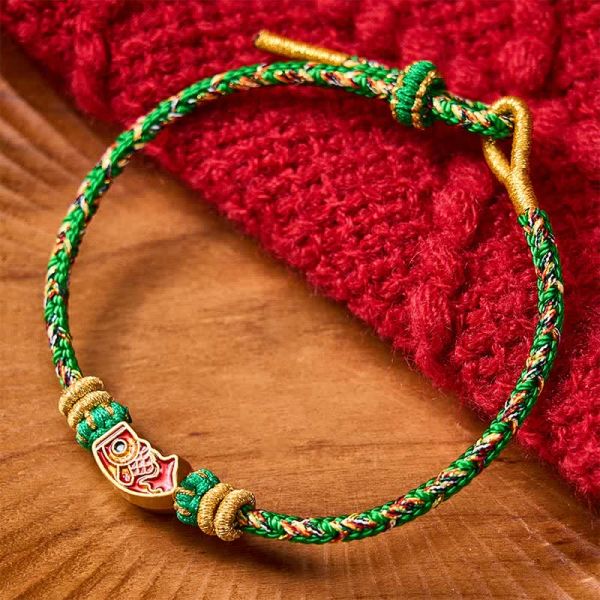
Multicolored cord bracelet
The Buddha Stones Hand-Woven String Koi Fish Strength Rope Bracelet uses string and copper alloy, with an adjustable cord for a wrist circumference of 5.9-7.1 in / 15-18cm. Options are Blue, Green, and Red. The multicolored cords can differ slightly between batches in tone, shade, and pattern distribution. Those stated production variations should not be confused with new fraying or a failing knot.
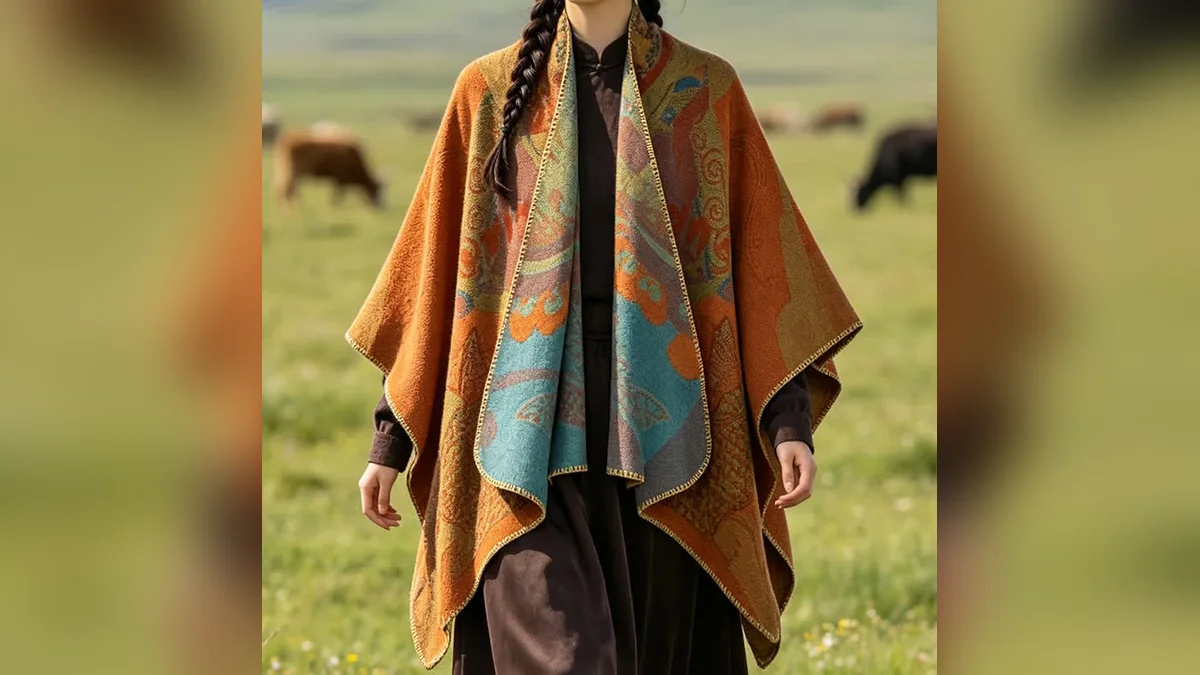
Koi and cloud shawl
The Buddha Stones Fall Winter Koi Fish Clouds Oriental Draped Soft Shawl is 50% polyester and 50% acrylic. Its size is Approx. 130 cm × 150 cm / 51.2 in × 59.1 in. Available colors are Black, CadetBlue, DarkOliveGreen, DimGray, Peru, and Tan. Give the fabric room when arranging or storing it beside jewelry so a cord or fitting does not become tangled in a fold.
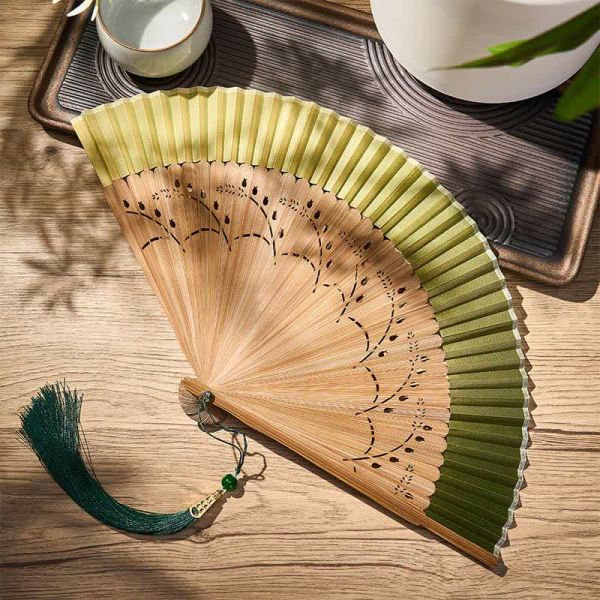
Koi and aquatic plants fan
The Buddha Stones Vintage Small Koi Fish Aquatic Plants Pattern Success Bamboo Cotton Linen Folding Fan has a bamboo frame and cotton linen surface. Its open size is Approx. 38 cm / 15.0 in; closed size is Approx. 21 cm / 8.3 in. Beige and Green options include a complimentary tassel whose color may vary. Keep that tassel clear of bracelet cords during handling.
Finish with a condition check
Before putting anything away, check three things: the bracelet adjustment holds, the cord shows no new damage, and the piece is dry. Leave unresolved marks for appropriate advice, and set damaged pieces aside for repair assessment. A short, consistent routine keeps care manageable while giving you clear reasons to continue wearing a bracelet or retire it.
Shop the story
 Buddha Stones Fall Winter Koi Fish Clouds Oriental Draped Soft ShawlAs low as $41.59 Regular Price $57.76
 Buddha Stones Vintage Small Koi Fish Aquatic Plants Pattern Success Bamboo Cotton Linen Folding FanAs low as $23.59 Regular Price $32.32
 Buddha Stones Hand-Woven String Koi Fish Strength Rope BraceletAs low as $25.59 Regular Price $35.54