
Koi Care Tips: A Step-by-Step Pond Upkeep Guide
A pond water test comes before adding koi. These koi care tips explain how to check your water, maintain filtration, manage feeding, and plan routine pond upkeep. Begin by recording the pond's size and equipment, then build a schedule you can follow through changing seasons. Consistent observation gives you a useful record when you need to decide what to clean, adjust, or investigate.
1. Adapt koi care tips to your pond
Write down your pond's water volume, filter model, pump model, and current fish count. Use the actual water volume when following product directions; the pond's outside dimensions alone can give a misleading estimate. Allow for shelves, rocks, and other features that displace water.
Plan stocking around adult koi and the capacity of the entire pond system. A young fish's current size is an incomplete guide to its future space requirements. Before buying koi, ask an experienced pond supplier to review the pond's dimensions, filtration, and intended fish count.
Keep equipment instructions together. Identify the pump shutoff, electrical disconnect, drain routes, and water supply before maintenance begins. Outdoor electrical equipment should have appropriate ground-fault protection and installation suitable for wet locations.
2. Test water and record the results
Use a pond water test kit according to its instructions. Include ammonia, nitrite, nitrate, and pH in your routine, and note the water temperature. Record the date and results so that a change is visible across several readings, rather than relying on memory.
Establish biological filtration before introducing koi to a new pond. Clear water alone cannot tell you whether that process is complete. Do not add fish while ammonia or nitrite is detectable, and investigate unexpected results before changing several things at once.
Prepare replacement water with a conditioner suitable for the chlorine or chloramine in your supply, following its directions. Aim for a similar temperature when adding it. Avoid large, abrupt changes, and check the pond after maintenance rather than assuming the work is finished when the hose is removed.
3. Keep water moving through the filter
Check that the pump is running and water is reaching the filter and returning to the pond. Look for clogged intake screens, folded hoses, and reduced flow. A waterfall's appearance is useful to observe, but it does not replace checking the equipment itself.
Mechanical filter sections collect debris and need cleaning according to the manufacturer's schedule. Biological media needs a different approach: avoid washing it under untreated tap water or replacing the entire supply during routine cleaning. Follow the filter instructions for rinsing and maintenance.
Keep aeration equipment operating as appropriate for your setup. Check air lines and outlets during the same inspection. Unplug equipment before handling it, and have damaged electrical components repaired or replaced by a qualified person.
4. Match feeding to the pond's conditions
Choose food intended for koi and follow the package directions for water temperature and portion size. Measure temperature with a thermometer instead of judging the water by the weather. Seasonal feeding decisions should reflect the pond's actual conditions.
Offer a small portion and watch what happens. Remove uneaten food rather than adding another handful. If food remains, reduce the next portion and review the feeding instructions. Extra food adds to the material your pond system must process.
Keep food dry in a securely closed container, and follow its storage and expiration guidance. Avoid introducing a new food, increasing portions, and adding fish together; separate changes make your pond records easier to interpret.
5. Remove debris with a measured routine
Skim fallen leaves and other loose debris before they accumulate. Check skimmer baskets and pump intakes regularly, especially during leaf fall or after windy weather. Use tools reserved for pond work, and keep household soaps and cleaners away from the water.
Schedule partial water changes around test results, stocking, and your system's instructions. Mark a reference water level so you can distinguish ordinary evaporation from an unusual drop. Topping up replaces missing water; it does not remove the substances left behind as water evaporates.
Watch the hose throughout a refill and turn it off promptly. Keep lawn treatments, fertilizer runoff, and wash water from entering the pond. Inspect the surrounding ground after rain to see where runoff travels.
6. Prepare for seasonal changes in advance
Review your routine before temperatures change substantially. Check feeding guidance, clear leaves, and inspect exposed pipes and equipment. In freezing climates, winter operation depends on pond depth, local conditions, and the system design; arrange a suitable plan with a local pond specialist.
Avoid striking ice on the pond. Use equipment intended for winter pond operation according to its instructions. During warmer weather, check water level, circulation, and aeration more frequently, and keep the temperature record alongside your water tests.
Mistakes that make pond upkeep harder
- Adding fish too quickly: Review space and filtration capacity before changing the fish count.
- Judging water by appearance: Keep testing even when the water looks clear.
- Cleaning everything at once: Follow separate maintenance instructions for mechanical and biological filter sections.
- Feeding by habit alone: Check temperature, food directions, and leftover portions.
- Making several corrections together: Record one adjustment and reassess before introducing another.
Koi-themed accessories from Buddha Stones
Our koi-themed selection includes a bag, a shawl, and two bracelets. Luck and Protection in product names refer to traditional wishes; no result is guaranteed.
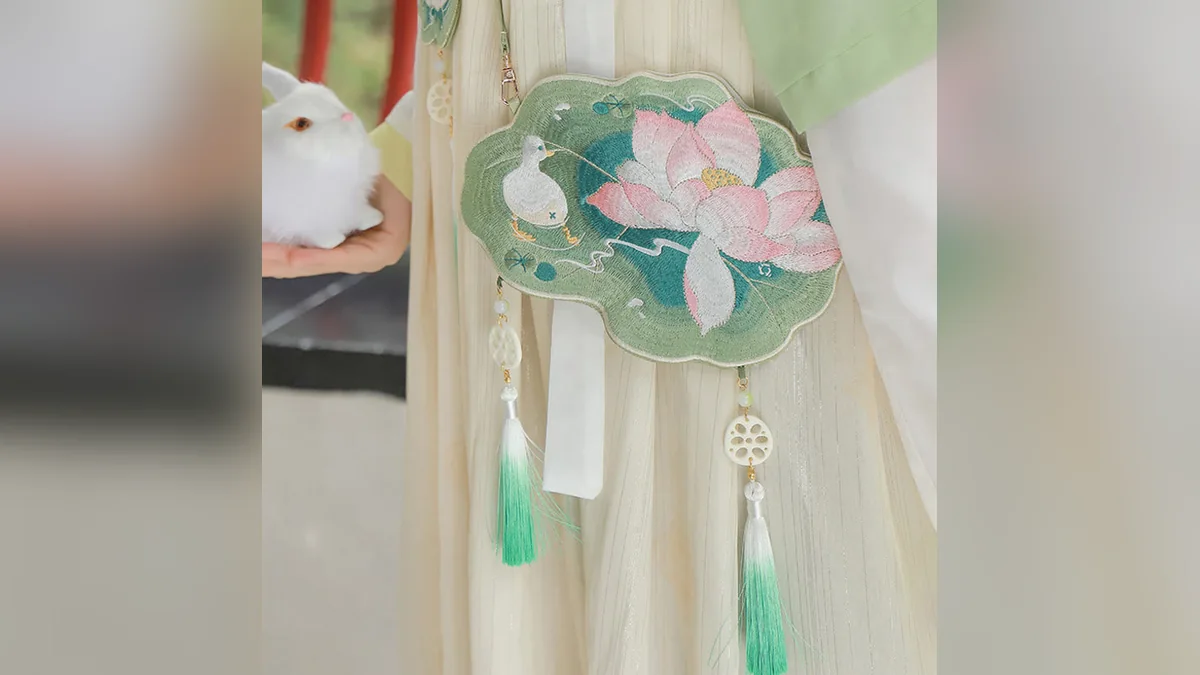
Embroidered Hanfu bag
The Buddha Stones embroidered koi Hanfu bag is polyester. Some options are Koi Fish Flowers And Birds, Koi Fish Iris, Koi Fish Lotus, and Koi Fish Peony. The Summer Lotus size is 22.3*16cm; the strap length is 100-110cm and the weight is 77.6g. The package contains one bag.
Koi fish and clouds shawl
The Buddha Stones Koi Fish Clouds shawl combines 50% Polyester and 50% Acrylic. Its size is Approx. 130 cm × 150 cm / 51.2 in × 59.1 in. Color options are Black, CadetBlue, DarkOliveGreen, DimGray, Peru, and Tan. One shawl is included.
Obsidian peace buckle bracelet
The Buddha Stones Golden Sheen Obsidian koi peace buckle bracelet uses Golden Sheen Obsidian, Black Obsidian, and Copper Alloy, with Premium Elastic String. Wrist circumference is 5.9–6.3 in (15–16 cm), and bead size is Approx. 8mm. One bracelet is included. The natural stone may vary slightly in color, details, and overall appearance.
Jade and Fu character rope bracelet
The Buddha Stones Hand-Woven Koi Fish Fu Character jade bracelet has an Adjustable Cord and comes in Dark Red or Red. Wrist circumference is 5.9–8.3 in / 15–21 cm. Materials are String, Hetian Jade, Copper Alloy, and Copper Plated Gold Bead. The package contains one bracelet. Jade color, details, and overall appearance may vary slightly.
Put these koi care tips into a written routine: observe the pond, test the water, maintain equipment, and adjust feeding to conditions. Keep your notes where you can consult them before the next maintenance task.
Shop the story
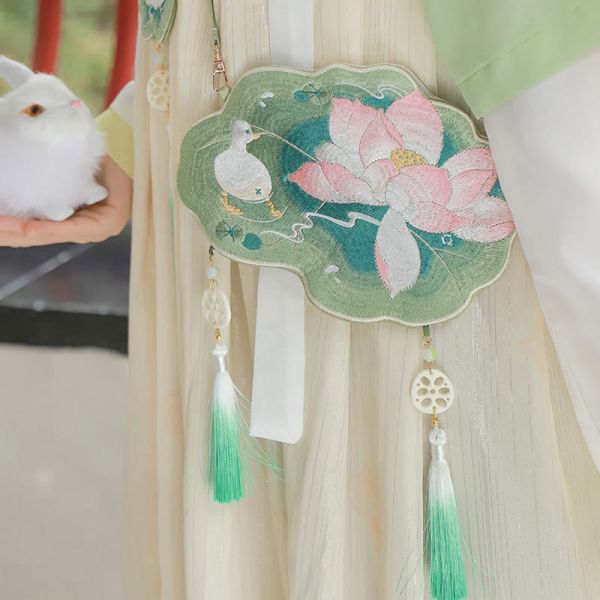 Buddha Stones Luck Embroidery Lotus Koi Fish Rabbit Flower Hanfu Bag Crossbody Bag Shoulder BagAs low as $29.59 Regular Price $39.45
 Buddha Stones Fall Winter Koi Fish Clouds Oriental Draped Soft ShawlAs low as $41.59 Regular Price $57.76
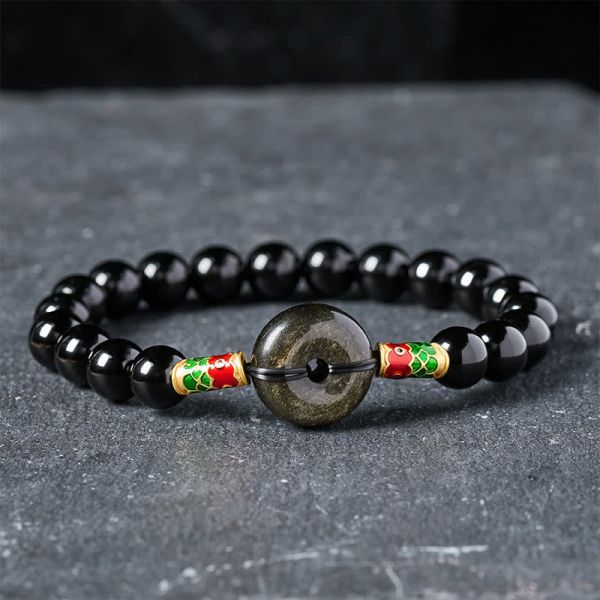 Buddha Stones Golden Sheen Obsidian Peace Buckle Black Obsidian Koi Fish Protection Round Bead BraceletSpecial Price $25.59 Regular Price $34.58
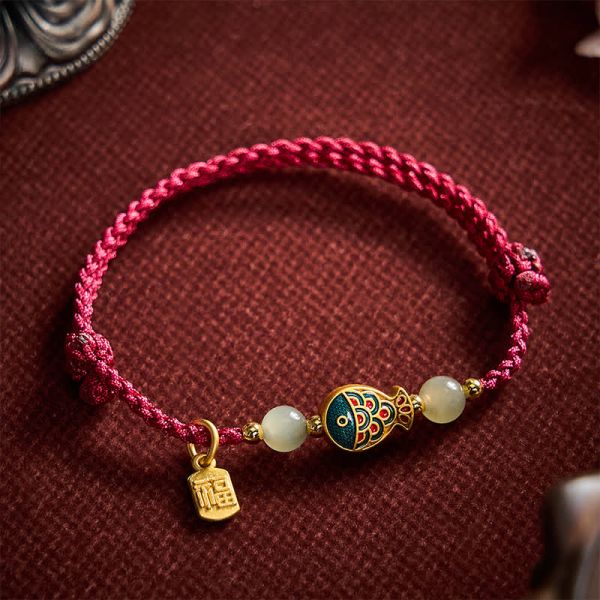 Buddha Stones Hand-Woven Koi Fish Fu Character Jade Beads Protection Rope BraceletAs low as $25.59 Regular Price $34.12