
Kitchen Feng Shui Basics: Set Up a Practical Space
A pot sits on the stove, a cutting board rests on the counter beside it, and the route to the sink stays clear. Kitchen feng shui basics start with this arrangement: usable surfaces, orderly storage, and thoughtful placement around the stove and sink. In traditional feng shui, the stove represents fire and household nourishment, while the sink represents water. You can acknowledge those associations through layout and upkeep without expecting a particular outcome. At Buddha Stones, we approach the kitchen as a working room first, with decoration fitted around its daily tasks.
Step 1: Map the route from storage to serving
Start at the refrigerator or pantry and trace the path to your preparation counter, sink, and stove. Open the doors and drawers you use during cooking. Move floor baskets, spare stools, and other obstacles that interrupt those routes or prevent a door from opening fully.
Give ingredients a landing place near the preparation area and reserve a separate spot for finished dishes. In a small kitchen, these can be different sections of one counter. Traditional placement advice should work within the room you have. A rented apartment does not need a new floor plan to become orderly, and a narrow kitchen does not need extra furniture to look complete.
Step 2: Apply kitchen feng shui basics at the stove
Traditional feng shui gives the stove particular attention because it is where food is cooked. Begin with ordinary upkeep: remove splashes after the surface has cooled, put away unrelated objects, and keep controls accessible. Follow the appliance instructions for cleaning and clearance.
Some traditions favor a cooking position with a view of the entrance. If your stove faces a wall, treat that as an existing feature rather than a defect demanding a remedy. Keep the approach open and make sure the work area has useful lighting. Avoid adding a mirror behind the burners simply to imitate a placement rule; a reflective decoration also needs cleaning and a suitable mounting location. There is no need to rearrange plumbing or appliances for a symbolic preference.
Step 3: Give the sink and preparation counter distinct jobs
In the traditional five-element framework, water and fire have different associations. This is why kitchen advice often discusses the relationship between sink and stove. Treat the idea as a prompt to organize wet work and cooking, rather than as a prediction about your household.
Where the layout allows, keep an unobstructed preparation surface between those tasks. Where the sink and stove sit close together, leave the available gap clear instead of filling it with a decorative object. Put dishwashing supplies near the sink and cooking utensils where you can reach them without crossing the room. Dry and return items after washing so the preparation counter remains available. A fixed layout can still have clearly assigned places for its tools.
Step 4: Place color and decoration beyond the work surface
Choose decoration after you have assigned space for food preparation, dishes, and appliances. A wall or dining-side shelf can hold a small decorative grouping without taking over the counter. Keep frequently handled items in front and occasional display pieces farther back, provided the shelf can support them.
Five-element traditions associate colors and materials with symbolic categories. Use those associations as optional design references, not requirements for buying particular objects. You might repeat a green accent already present in the room or keep the palette close to the cabinetry. Leave room around a display so its outline remains visible. Our home decor category can provide ideas for a separate display area once the practical layout is settled.
Step 5: Make a home for belongings and close the kitchen
A kitchen counter often becomes the nearest place to drop a bag, scarf, mail, or keys. Assign those belongings a hook, drawer, or shelf outside the preparation area. In an open-plan room, use the entry or dining side, away from the stove and sink. Keep hanging straps and fabric clear of appliance doors and walking routes.
Before finishing for the evening, return tools to their assigned places, clear the sink, and wipe the preparation surface. Check which objects repeatedly return to the counter. If the same item keeps appearing, give it a more convenient storage place. This final pass helps reveal whether the arrangement fits your routine or merely looks orderly when everything is put away.
Common mistakes when arranging a working kitchen
- Starting with symbolic objects: Decide where chopping, washing, cooking, and serving happen before choosing a display.
- Filling the sink-to-stove gap: Preserve usable counter space instead of placing an ornament between appliances.
- Treating a compass direction as a demand: Traditional schools differ; fixed plumbing and workable access deserve practical consideration.
- Using scarves as kitchen decor: Store personal textiles outside cooking and washing areas, rather than draping them over appliance handles.
- Expecting placement to deliver results: Symbolic arrangements do not guarantee prosperity, luck, or any other outcome.
Our accessories for storage beyond the cooking area
The following personal accessories belong in the storage plan for your arrival and departure. Choose a place outside the kitchen work area before considering a color or pattern.
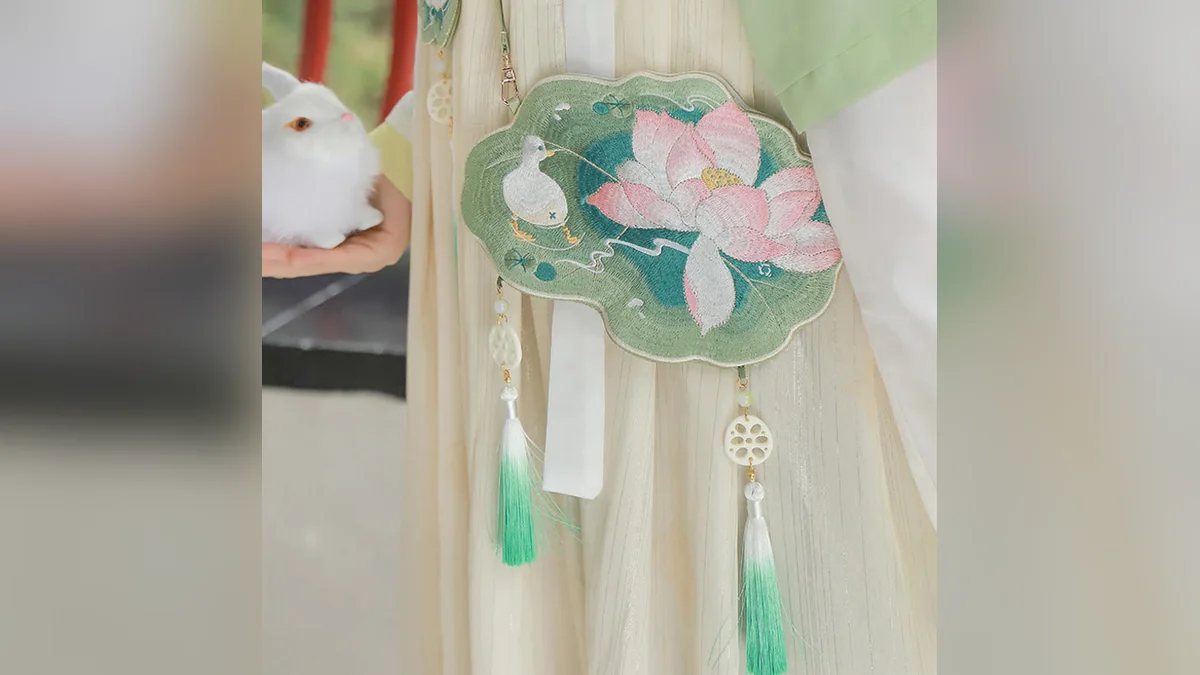
Our lotus and koi Hanfu bag is polyester, with a strap length of 100-110cm. Options include Blue Kite Flower, Green Flower Rabbit, and Koi Fish Lotus. The stated Summer Lotus size is 22.3*16cm; that measurement should not be assumed for another option. The word “Luck” in its full name expresses a traditional wish, not a promised result. Give the bag a designated hook or shelf beyond the preparation counter.
The Spring Fall Artful Textured Everyday Men's Scarf is viscose. Its size is Approx. 200 cm × 70 cm / 78.7 in × 27.6 in, with Beige, Black, and SteelBlue among the color options. Reserve an entry drawer or closet space for it instead of using a kitchen chair as permanent storage.
The polyester Tibetan Wavy Striped Tassel Shawl has a stated size of About 130*150cm. Color options include Black Gray, Green Brown, and Pink Green. Keep its storage separate from dishes and cooking utensils.
Our Tibetan Cashew Jacquard Flower Print Shawl is polyester, measures 70*190cm, and weighs About 200g. Options include Black 190*70cm and Gold 190*70cm. Assign it space in a drawer or wardrobe outside the cooking zone.
FAQ: Working with the kitchen you have
Does the stove have to face a particular direction?
No single direction applies across every feng shui school and home layout. Traditional advice varies. Keep the existing stove accessible and follow its installation requirements rather than moving it to satisfy a general rule.
What if the sink is directly beside the stove?
Keep the available counter space clear and organize washing and cooking tools separately. You do not need to squeeze a plant, textile, or ornament into the gap as a symbolic correction.
Can a small kitchen work without decorative objects?
Yes. Defined storage, clear preparation space, and an open route through the room can form the entire setup. Add a decorative object only when there is a suitable place for it after everyday tasks have been accommodated.
Shop the story
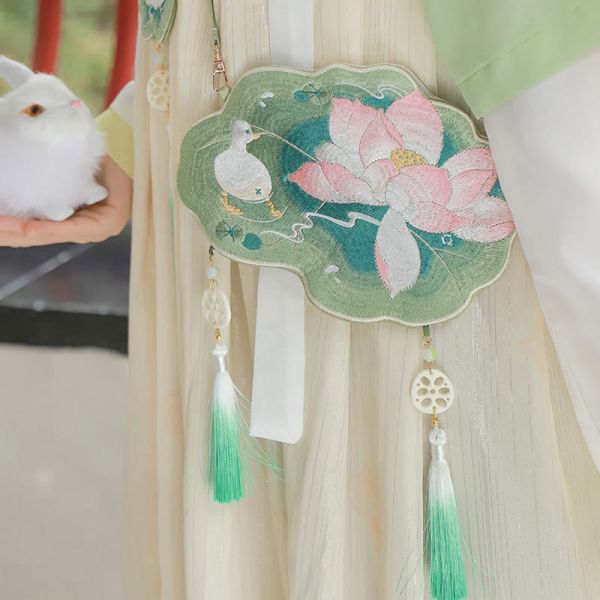 Buddha Stones Luck Embroidery Lotus Koi Fish Rabbit Flower Hanfu Bag Crossbody Bag Shoulder BagAs low as $29.59 Regular Price $39.45
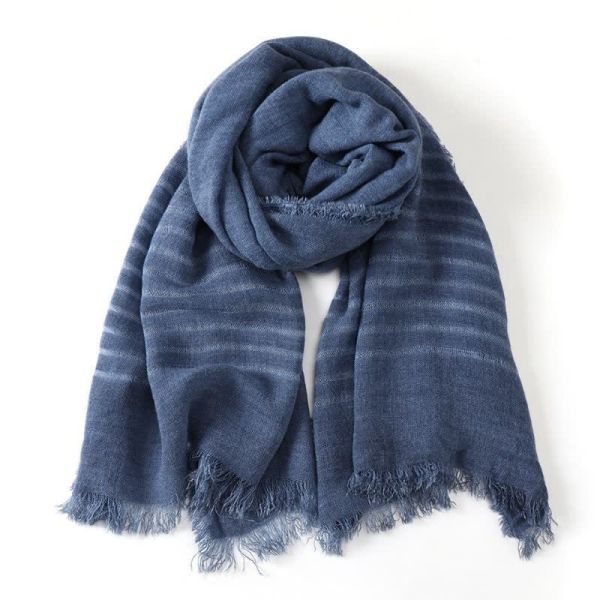 Buddha Stones Spring Fall Artful Textured Everyday Men's ScarfAs low as $22.59 Regular Price $31.38
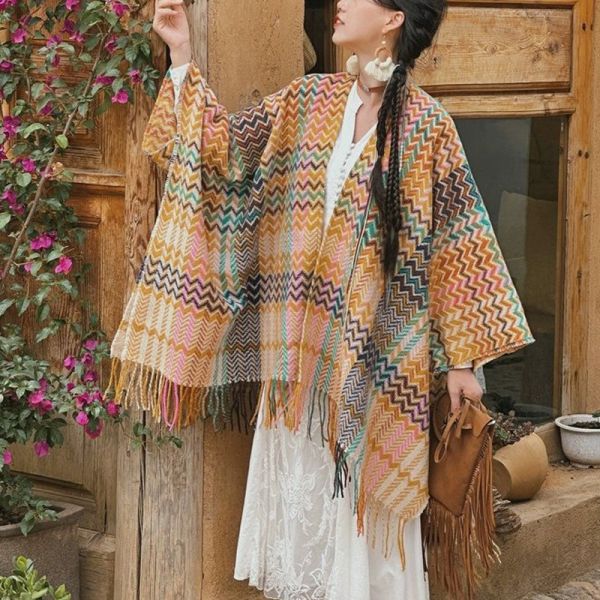 Buddha Stones Tibetan Shawl Colorful Wavy Striped Shapes Tassels Winter Cozy Travel Scarf WrapAs low as $43.59 Regular Price $61.39
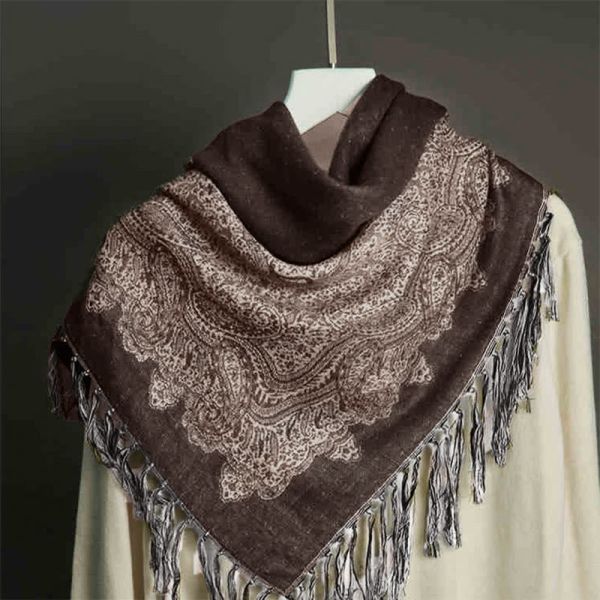 Buddha Stones Tibetan Cashew Jacquard Colorful Flower Print Tassels Shawl Fall Winter Soft Warm Scarf WrapAs low as $20.59 Regular Price $27.82