
Keychain Care Guide: Choose, Carry, and Clean Yours
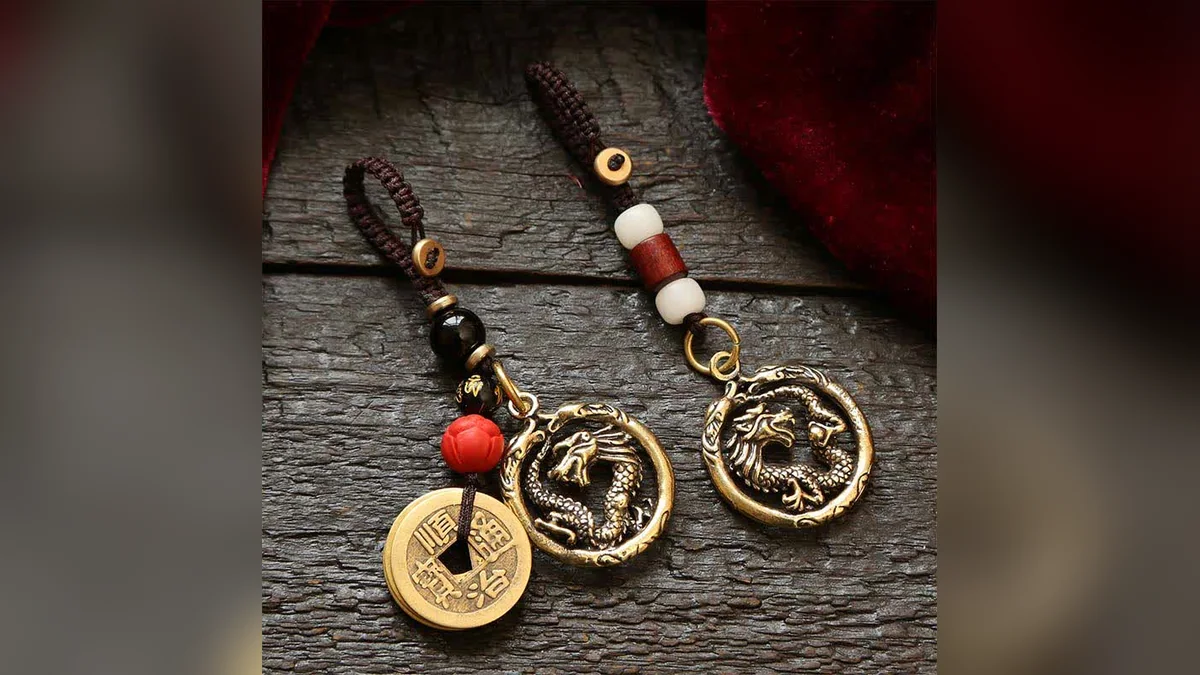
A keychain can fit a key ring yet still be too bulky for a front pocket. Before choosing a decorative design, consider where it will hang and what will rub against it. This keychain care guide explains how to compare stated materials and dimensions, check an attachment, and clean mixed components gently. At Buddha Stones, we suggest making those practical decisions first, then choosing the symbol or color you prefer.
Start with these questions
- Where will you carry it? A pocket, an inside bag loop, and an outside bag attachment create different limits on space and exposure. Decide on the location before comparing designs.
- How much is already on your ring? Count the keys and accessories you actually need. Removing unused items gives you a clearer idea of the bulk you can accommodate.
- Which materials are specified? Metal, cord, wood, and resin call for different handling. For a mixed-material accessory, choose a cleaning method that suits its more delicate components.
- Are dimensions and weight available? Use stated measurements for comparison. A close-up photograph cannot establish the total size, thickness, or weight of an accessory.
- Does the attachment suit your intended use? Check how it joins your existing key ring or bag hardware. Do not assume decorative knots or cords are attachment points.
Match your cleaning method to the materials
Start with the specifications rather than the product name. Copper alloy is not a statement that an item is pure copper, and the broad term alloy does not identify its exact composition. Neither description alone tells you what finish or surface treatment may be present. Avoid choosing a metal polish solely because its label mentions copper or brass.
For braided cord or rope, pay attention to friction and loose fibers. Repeated rubbing against key teeth can wear a braid. Keep decorative sections clear of sharp edges where possible, and avoid pulling on a knot to lift a loaded key ring. An option name such as White Bead Cord identifies a choice; it does not establish the bead material.
If wood and resin appear in the specifications, favor dry cleaning first. Do not apply oil, wax, solvent, or a household cleaning spray without instructions confirming suitability. When several materials meet, liquid can collect around joins even if the exposed metal looks dry.
Check the size against your pocket or bag
Choose your carrying position before judging the silhouette. For a pocket, compare the stated dimensions with the available space, allowing room for the keys themselves. For a bag, consider how far a hanging accessory could swing and whether it could catch on a zipper or brush against the bag's surface.
To assess a published measurement, mark that length and width on paper and place it beside your intended storage space. This gives you a scale reference, but it cannot show thickness, flexibility, or how the attachment sits. If a dimension is unavailable, do not infer it from another product's photograph.
Weight deserves a separate check. A published accessory weight does not represent the complete weight of your keys and other attachments. Keep the arrangement manageable, and avoid attaching decorative accessories where they could interfere with a lock, handle, control, or moving mechanism.
A keychain care guide for cleaning and storage
Use visible dirt and wear to decide what needs attention. Frequent washing is unnecessary when a dry wipe removes surface dust. Before cleaning, separate the accessory from keys or electronic fobs if the connection allows it; do not cut cord or undo decorative knots to do so.
- Inspect before wiping. Check the attachment, joins, and braid for openings, cracks, fraying, or loose parts. If the connection looks unreliable, move your keys to a sound ring before continuing.
- Remove dry dust gently. Use a clean, soft cloth with light pressure. Work around raised details without scraping them, and avoid dragging grit across a metal surface.
- Use moisture sparingly. For a mark on exposed metal, try a barely damp cloth on a small, inconspicuous spot. Stop if color transfers or the surface changes. Keep moisture away from wood, braids, and joins.
- Let damp areas dry fully. Blot away moisture, then leave the accessory in a ventilated place away from direct heat. Do not use a hair dryer or put a damp braid straight into a closed pouch.
- Store without pressure. Choose a dry compartment or pouch where keys cannot scrape the decorative surface. Keep loops from catching on nearby hardware, and avoid compressing knots beneath heavy objects.
Skip soaking, abrasive pads, chemical dips, and ultrasonic cleaners unless instructions specifically approve them for the complete accessory. Darkening or a color change does not automatically call for polishing. If gentle wiping does not resolve a mark, seek material-specific care instructions before trying a stronger method.
Choose among our keychain designs
Use these specifications to narrow your choice. Words such as Wealth and Protection in product names express traditional wishes. They do not guarantee luck, financial results, safety, or any other outcome.
Our Copper Dragon braided round keychain specifies copper alloy and braided cord. Choose between the Five Emperor Coins and White Bead Cord options. Those option names do not supply dimensions or identify a bead composition, so base your material care on the stated specifications.
The Braided Chinese Zodiac Fu Character keychain combines alloy and braided rope. Options include Dog, Dragon, Goat, Horse, Monkey, Ox, Pig, and Rabbit. Choose the animal you prefer, while keeping the braid clear of key teeth during carrying and storage.
For a choice with stated dimensions, the Red String Chinese Zodiac Five Emperor Coins keychain has a stated size of Approx. 2.3 cm × 9.5 cm / 0.9 in × 3.7 in and weighs 25g. Its specified material is alloy. Options include Dog, Dragon, Goat, Horse, Monkey, Ox, Pig, and Rabbit.
The Dragon Ruyi Five Emperor Coins keychain specifies copper alloy, braided cord, resin, and wood. Its options are BlackRed Beads and Red String. Let the combination of materials guide your care: start dry and avoid soaking the accessory.
FAQ
Can I wash a braided keychain under running water?
Start with dry wiping instead. Water can enter a braid and remain around joins, while a mixed-material design may include components that should stay dry. If a spill occurs, blot it promptly and allow thorough air drying before enclosing the accessory.
Does a darker metal surface mean the keychain needs replacing?
Color alone does not tell you whether an attachment is sound. Inspect for cracks, deformation, loose connections, and worn cord separately from surface appearance. Do not scrub aggressively to restore a brighter color when the finish is unspecified.
What should I check before using it again?
Confirm that the attachment closes properly, no key is caught in the braid, and any damp area has dried. Replace an unreliable connection before carrying keys. Make the attachment check part of adding or removing keys, when the hardware is already easy to inspect.
Shop the story
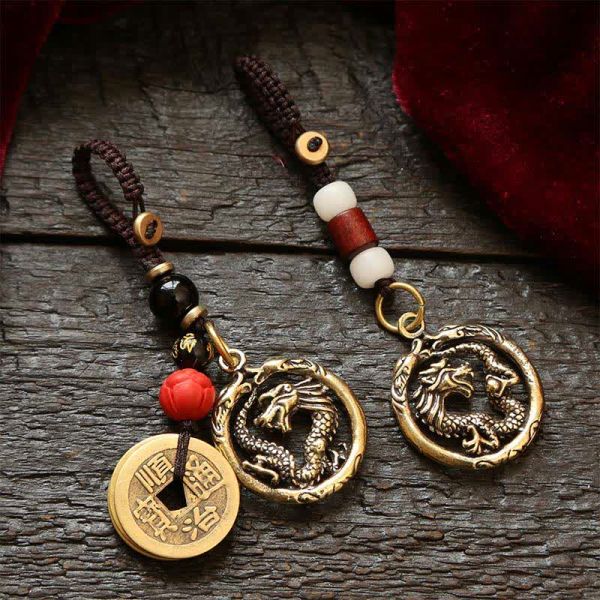 Buddha Stones Copper Dragon Wealth Braided Round KeychainsAs low as $25.59 Regular Price $35.54
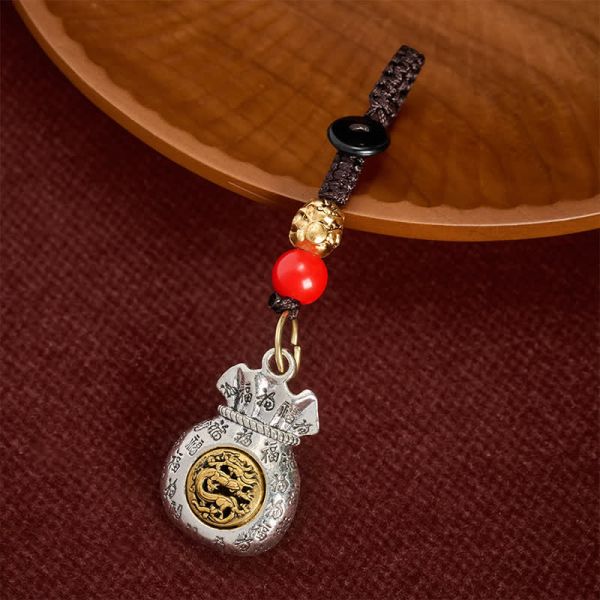 Buddha Stones Braided Chinese Zodiac Fu Character Fortune KeychainsAs low as $25.59 Regular Price $34.12
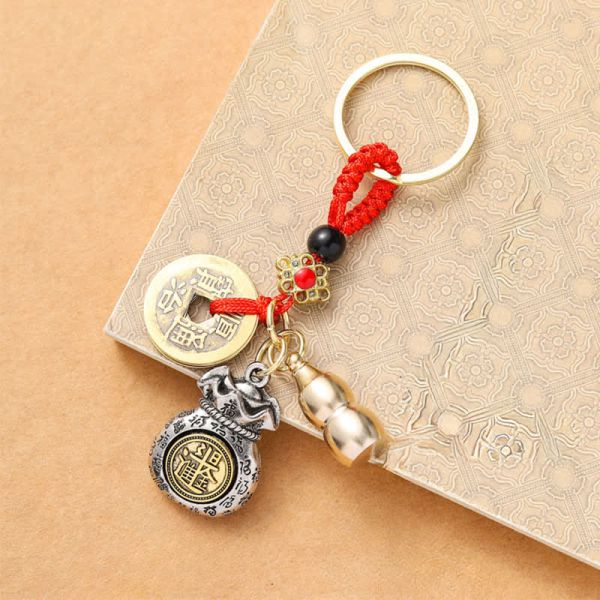 Buddha Stones Braided Red String Chinese Zodiac Five Emperor Coins Protection KeychainsAs low as $25.59 Regular Price $35.54
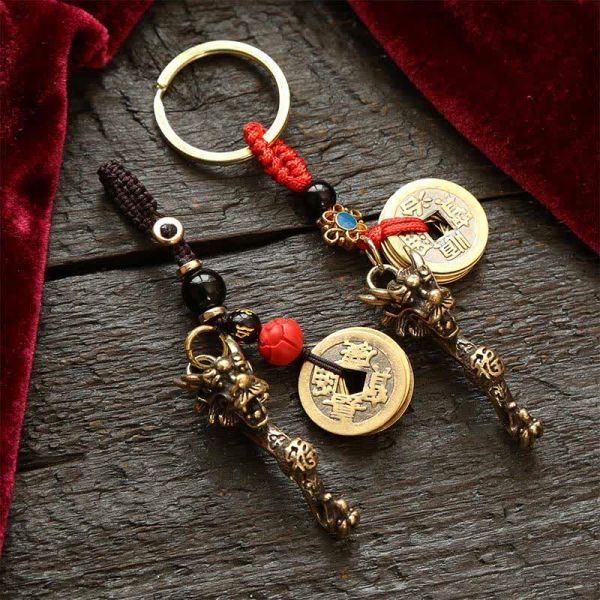 Buddha Stones Brass Dragon Ruyi Five Emperor Coins Success KeychainsAs low as $25.59 Regular Price $35.05