Jade vs Aventurine: A Bracelet Care and Use Manual
Lotion and dust can leave a dull film around bracelet beads. For everyday care, jade vs aventurine starts with a material distinction: jade refers to jadeite or nephrite, while aventurine is a variety of quartz. You will learn how to clean their surfaces gently, handle different bracelet bands, and recognize wear that needs attention. The surrounding cord, elastic, and metal matter when choosing a cleaning method. At Buddha Stones, we recommend beginning with a dry wipe and checking the whole bracelet before adding moisture.
Jade vs aventurine: tools and materials
Prepare a clear surface away from a sink edge. A folded towel keeps a bracelet from sliding and catches any loose parts during inspection. Gather:
- A clean, soft, lint-free cloth for the initial wipe.
- A second cloth for drying.
- A small bowl of lukewarm water to dampen the cleaning cloth.
- A separate pouch or lined compartment for storage.
Plain water is a conservative starting point when a bracelet combines stone with string or metal. Wring out the cloth so it feels barely damp. This lets you wipe a bead without soaking its band. If the surface has an unknown coating or treatment, ask a jeweler about suitable care before attempting anything beyond gentle wiping.
Green color alone cannot establish a stone’s identity or treatment history. Avoid home identification tests involving blades, chemicals, or heat. Our care routine assumes you are maintaining a labeled piece, rather than trying to identify an unknown stone.
A step-by-step routine from removal to storage
- Remove the bracelet before messy or wet tasks. Take it off before applying lotion, washing dishes, bathing, or using household cleaners. Put it somewhere dry instead of on the rim of the sink. Remove it before bed so the band is not caught or pulled against bedding.
- Open or stretch the band carefully. Loosen an adjustable cord at its sliding closure instead of forcing your hand through a tight opening. For elastic, use only the stretch needed to pass over your hand. Avoid pulling on a single bead or metal detail.
- Inspect the dry bracelet. Turn it slowly over the towel. Check the cord near knots, elastic visible between beads, and the edges of metal components. Look for fraying, slackness, chipped edges, or a connection that has begun to separate. If something seems loose, stop before cleaning.
- Wipe off surface dust. Support the beads in your hand and pass the dry cloth over them gently. Rotate the bracelet as you work. Do not pull it taut to reach between beads; that places extra strain on the band.
- Use a damp cloth only where needed. Wipe remaining surface residue with light pressure. Keep moisture away from knots, closures, and metal joins as far as practical. If residue remains, leave it for professional assessment instead of scrubbing harder or adding an unfamiliar cleaner.
- Dry before putting it away. Blot with the second cloth, then leave the bracelet on the towel until the band and spaces between beads are dry. Keep it away from direct heat. Place it in its own compartment so other jewelry cannot rub against it.
Repeat the dry wipe when you notice fingerprints or surface buildup; a bracelet does not need a water-based cleaning after every wear. Before putting it back on, check that an adjustable closure holds and that elastic returns without leaving obvious gaps.
What not to do with stone and string bracelets
Do not soak the assembled bracelet. A cleaning method suitable for a loose stone may be unsuitable for its cord, elastic, or metal fittings. Keep the whole construction in mind, even when the beads look sturdy.
Skip steam cleaners, ultrasonic machines, abrasive powders, toothpaste, and metal polish across an assembled piece. Do not use vinegar or household disinfectants as jewelry cleaners. These introduce unnecessary uncertainty when treatments and component finishes are unknown.
Avoid sudden temperature changes and hot-water rinses. Never speed drying with a hair dryer or leave a wet bracelet on a radiator. For storage, choose a dry place away from prolonged direct sunlight.
During wear, avoid trapping beads between your wrist and a hard work surface. Remove the bracelet before lifting rough objects or doing tasks that could snag its band. If you stack bracelets, check that projecting metal details do not scrape adjacent beads.
When to repair, replace, or retire a piece
A worn band does not automatically mean the stones must be discarded. Frayed cord, elastic that stays stretched, a slipping closure, or a loose metal connection calls for a pause in wear and a repair assessment. A jeweler can advise whether restringing or replacing a component is practical.
Stop wearing a bracelet with a sharp chip or a newly visible crack until it has been examined. Do not glue a damaged bead while it remains on the bracelet. Adhesive can spread into the band and make later repair harder.
Natural color variation differs from damage that develops during use. Compare an area you are concerned about under ordinary light, without scratching or bending it. If repair is impractical, retire the bracelet from wear and keep it in a labeled pouch rather than leaving loose parts in a jewelry box.
Four Buddha Stones bracelets and their care priorities
The following details help connect the routine to specific band types. Words such as Luck and Protection in product names express traditional wishes; they guarantee no result.
Green agate and aventurine turtle bracelet
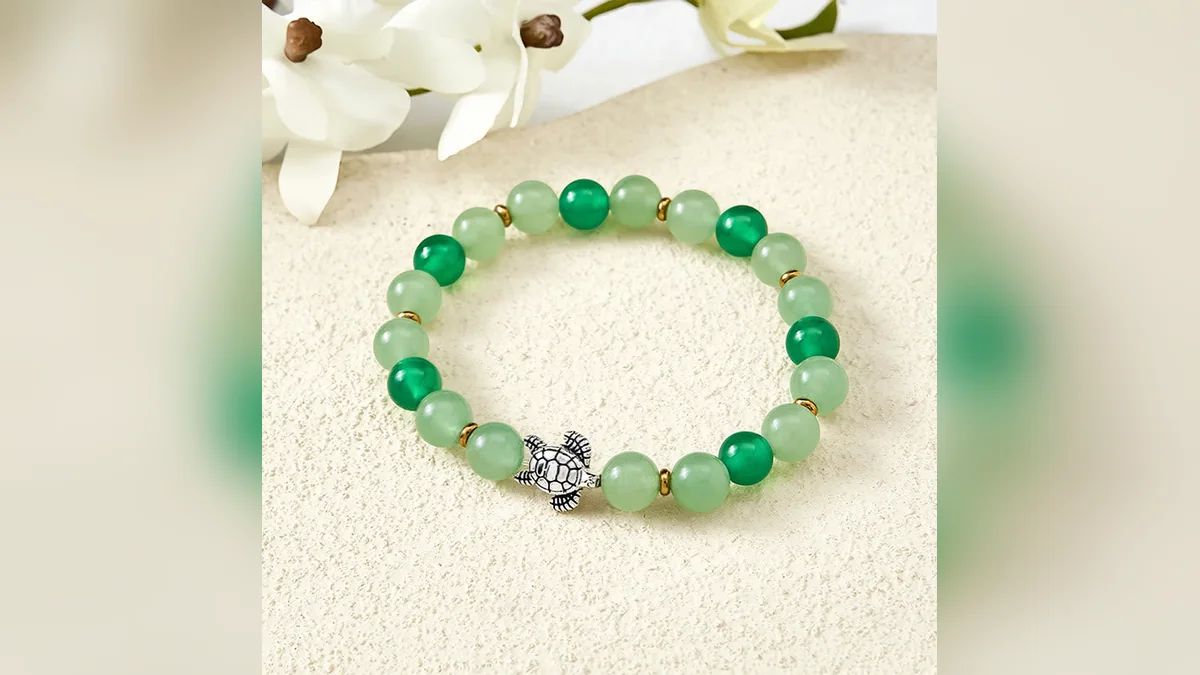
Our Green Agate and Green Aventurine Turtle Design Bracelet combines green agate, green aventurine, and copper alloy on premium elastic string. Its green agate and green aventurine beads are 8mm. Wrist circumference: 5.9–6.3 in (15–16 cm). Support the beads during wiping and inspect the elastic before stretching it over your hand.
Minimalist aventurine cord bracelet
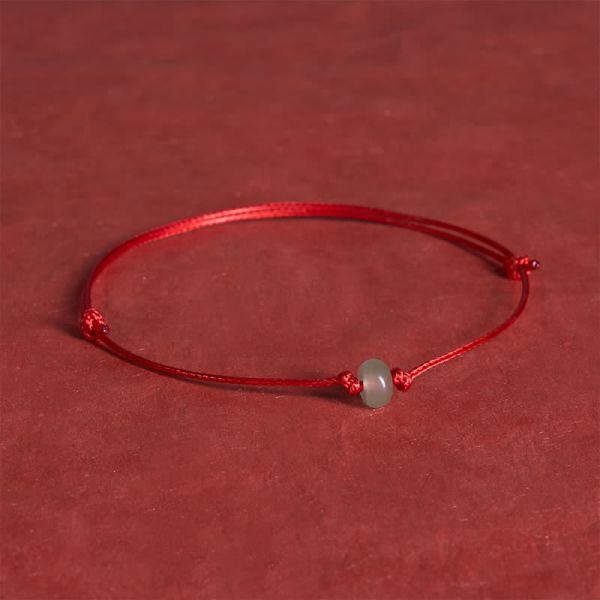
The Minimalist Green Aventurine Braided String Bracelet uses string and green aventurine with an adjustable cord. Black String, Green String, and Red String options are available. Wrist circumference: 6.3–7.1 in (16–18 cm). Loosen the closure before removal and keep the cord out of cleaning water.
Barrel-shaped bead bracelet options
The Blue Spot Jasper Green Aventurine Barrel-Shaped Beads Bracelet offers Blue Spot Jasper, Emperor Stone, Green Aventurine, Shoushan Stone, and Tiger Eye options. It uses premium elastic string; bead size is Approx. 4mm. Wrist circumference: 6.3–6.7 in (16–17 cm). For the Green Aventurine option, check the elastic between beads without pulling them apart.
Hetian jade and turtle cord bracelet
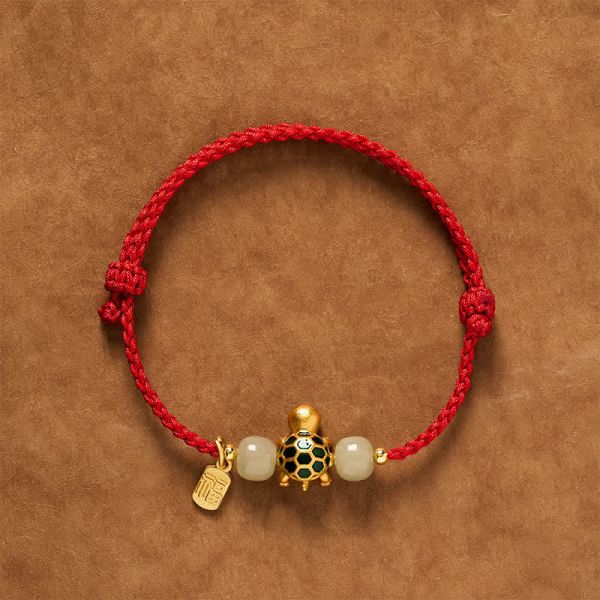
Our Copper Turtle Hetian Jade Fu Character String Bracelet specifies red string, Hetian jade, and copper alloy, with an adjustable cord. Green and Red options are offered. Wrist circumference: 5.5–7.1 in (14-18 cm). Use localized wiping around the stone and metal, then allow the cord to dry fully before storage.
Make the final check part of putting it away
Before closing the pouch, look once more at the band and surface. A clean, dry bracelet with a secure closure is ready for storage. If a knot slips, elastic sags, or an edge feels sharp, set the piece aside for assessment. Gentle wiping and timely repairs give you a practical routine for either material.
Shop the story
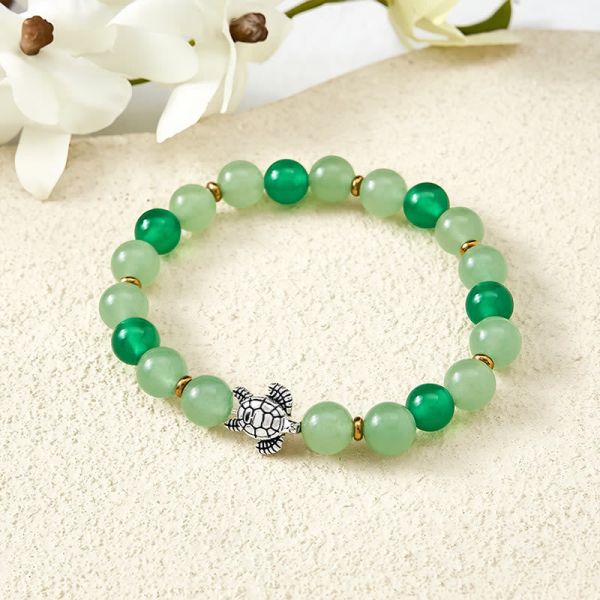 Buddha Stones Natural Green Agate Green Aventurine Turtle Design Success Beaded BraceletSpecial Price $25.59 Regular Price $35.54
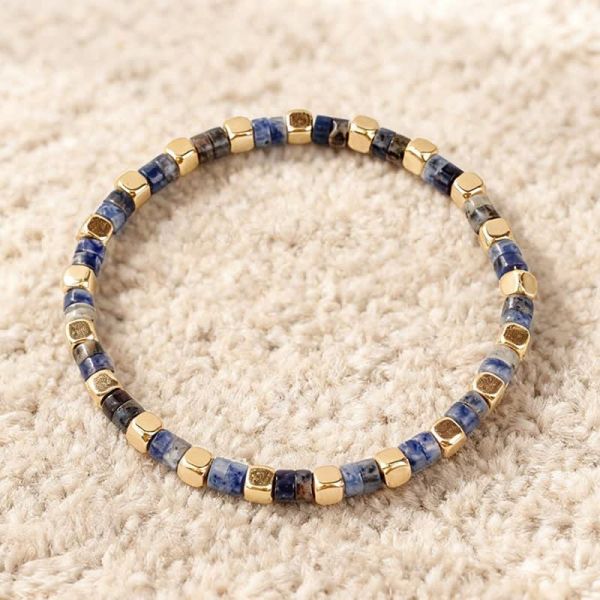 Buddha Stones Blue Spot Jasper Green Aventurine Natural Barrel-Shaped Beads Strength BraceletAs low as $25.59 Regular Price $35.54