
Jade Pendant Buying Guide: Wear, Clean, and Store
Jade pendants can collect lotion residue where the stone meets the cord or metal fitting. A careful wipe begins with checking those connections. This jade pendant buying guide explains what to check before choosing a piece, how to wear and clean it, and when to stop using a worn attachment. We also show how to read the material and size information for several jade rings and a bracelet from Buddha Stones.
Start with a simple rule: choose jewelry whose construction and care requirements you understand. Color alone cannot establish authenticity, treatment, or condition. If those details matter to your purchase, request clear information before deciding.
Jade pendant buying guide: tools and materials
Prepare a small care area before taking off your jewelry. A padded surface helps keep a dropped pendant from striking a hard countertop. Work away from an open sink, and keep cleaning supplies within reach so you do not leave a loose piece near an edge.
- Two clean, soft cloths: keep one for wiping and the other for drying.
- A small dish of lukewarm water: dampen the cloth without holding jewelry beneath a running faucet.
- A padded tray or folded towel: use it beneath your hands during inspection.
- A separate pouch or lined compartment: give the pendant a place where other jewelry cannot knock against it.
- The seller's care instructions: check guidance for the stone, cord, adhesive, and metal components before using any cleaner.
Before buying, look for information about the jade type, any disclosed treatment, pendant dimensions, and the suspension method. Ask whether a chain or cord is included; photographs alone do not settle that question. Check that the opening will accommodate your intended attachment. If an answer is missing, leave it unresolved until the seller confirms it.
A step-by-step routine before and after wear
- Inspect the pendant over your padded surface. Look around the edge, suspension hole, and any metal loop. Check for a new chip, a loose connection, or a line that has changed since your last inspection. Do not bend or pull components to test their strength. Put the piece aside if something appears unstable.
- Check the attachment separately. Examine cord near knots and contact points for fraying. Check that a clasp closes fully and that connecting rings have no visible gap. A sound-looking stone still needs a dependable attachment; replace worn fittings before wearing the pendant again.
- Put it on after applying personal products. Allow lotion, perfume, and hair products to dry first. Arrange the pendant so it does not repeatedly strike another necklace. Remove it before washing, swimming, household cleaning, or work that could knock it against a hard surface.
- Begin cleaning with a dry cloth. Support the pendant in your hand and wipe gently. Pay attention to the edge and the area beside its attachment, where residue may gather. Avoid tugging on a cord or using the chain as a handle.
- Use a lightly dampened cloth when needed. Wipe remaining surface residue with lukewarm water, keeping moisture away from components that should stay dry. Use mild soap only when the seller's instructions permit it for the complete piece. Remove any soap residue with a separate damp cloth.
- Dry before putting it away. Blot gently, then allow damp cord or narrow connections to dry fully before closing the storage compartment. Keep the piece away from direct heat. Lay a chain without tight tangles and avoid folding cord sharply against the pendant.
Repeat the brief attachment check whenever you put the pendant on. Clean according to visible residue and the care instructions, rather than an arbitrary calendar. If a mark does not lift with gentle wiping, ask for advice before trying stronger products.
What not to do during cleaning or wear
Do not use toothpaste, abrasive powders, scouring pads, or metal tools to remove dirt. These are poor substitutes for patient wiping. Keep bleach and household cleaning sprays away from jewelry, and avoid steam or ultrasonic cleaning unless a qualified jeweler has confirmed that the complete piece is suitable.
Do not soak an assembled pendant simply because its main component is jade. A cord, setting, coating, or adhesive may require different care. Avoid sudden temperature changes, boiling water, and drying on a radiator. Never use a scratch test, flame, or impact test to investigate authenticity; those methods can damage the object you are trying to assess.
Skip oils and waxes intended to make a surface look more glossy unless the supplier specifically recommends them. A changed shine does not establish quality. For buying decisions, rely on clear documentation and disclosed information rather than a home experiment.
When to replace an attachment or retire a piece
A frayed cord, loosening knot, unreliable clasp, or opening connector is a reason to pause wear. Have the attachment replaced or repaired before returning the pendant to use. If the stone has a fresh chip, a sharp edge, or a changing crack, keep it aside for a jeweler to assess.
Retiring a pendant from wear does not require discarding it. A piece that cannot be securely repaired can remain in a padded keepsake box. Do not glue a broken suspension point at home and assume it can carry the pendant again. Let its physical condition determine whether it remains wearable.
Our jade rings and bracelet: details to compare
The following pieces are rings and a bracelet. Use their specifications to practice checking materials and fit; pendant attachments require their own assessment. Words such as Luck in a product name express traditional wishes; the jewelry cannot guarantee good fortune.
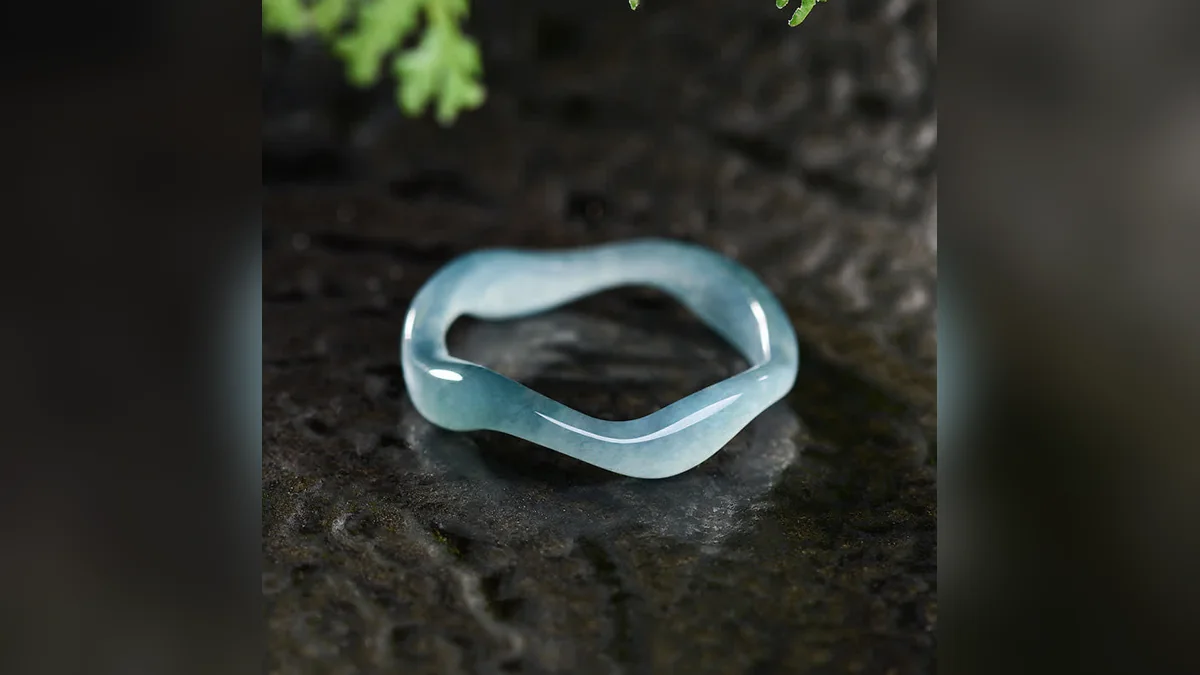
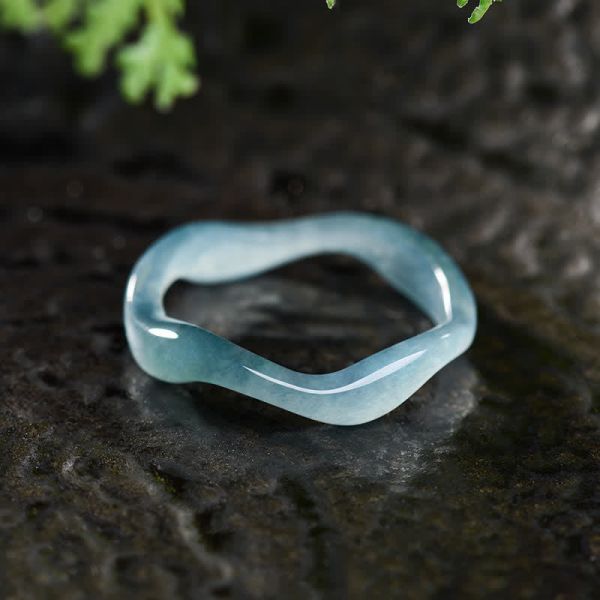
Jade Luck Irregular Ring
Our Buddha Stones Jade Luck Irregular Ring has jade as its material. Options run from US5 (16mm) through US12-13 (22mm), with approximate inner diameters of 16 mm, 17 mm, 18 mm, 19 mm, 20 mm, 21 mm, and 22 mm. Measure the widest part of your finger, including the knuckle, before choosing. Consider sizing up between sizes.
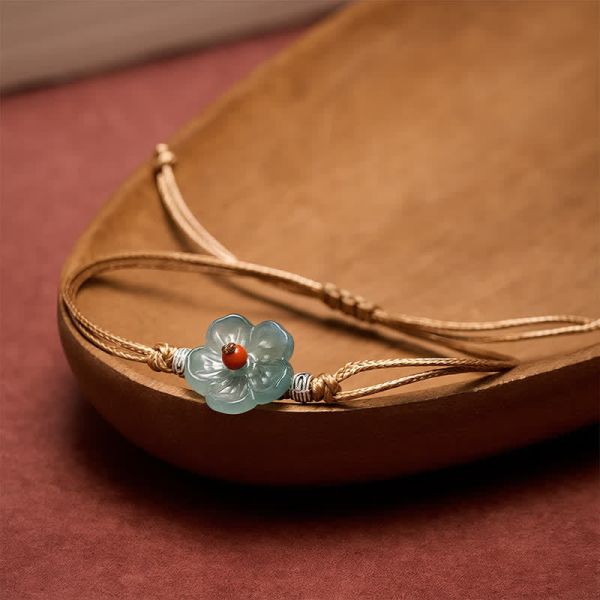
Natural Jade Hand-Woven Floral Harmony Bracelet
The Buddha Stones Natural Jade Hand-Woven Floral Harmony Bracelet combines jade and string with an adjustable cord. Its wrist circumference specification is 5.9–7.1 in (15–18 cm). Slight differences in color, details, and overall appearance may occur in its natural jade. Include the cord in your regular condition checks.
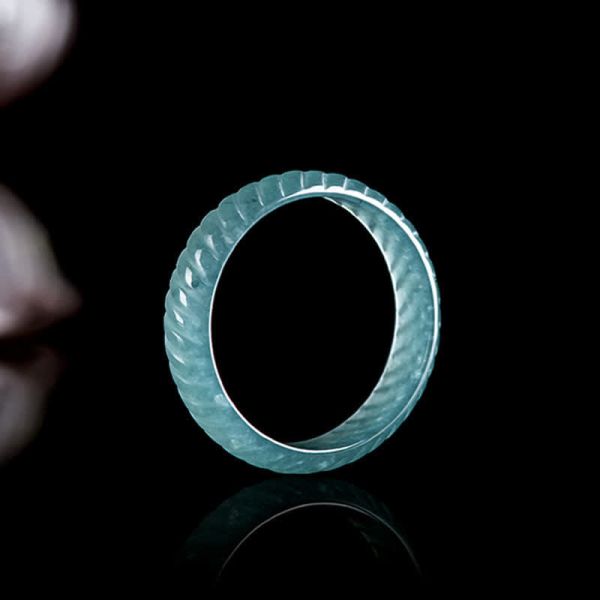
Translucent Jade Dragon Scale Power Ring
Our Buddha Stones Translucent Jade Dragon Scale Power Ring is jade, with sizes US4-5 (15mm), US5 (16mm), US6 (17mm), US7-8 (18mm), US9 (19mm), US10 (20mm), and US11 (21mm). The corresponding inner diameters are approximate. Check the option itself rather than assuming another ring's size label has the same measurement.
Vintage Green Jade Fu Character Pattern Ring
The Buddha Stones Vintage Green Jade Fu Character Pattern Ring uses jade and copper alloy. Sizes US 7, US 8, US 9, US 10, and US 11 correspond to approximate inner diameters of 17.3 mm, 18.1 mm, 18.9 mm, 19.8 mm, and 20.6 mm. Follow care guidance suitable for both materials.
Finish by checking, drying, and putting it away
Keep the routine manageable: inspect the attachment, wipe only as needed, dry thoroughly, and return the pendant to its own compartment. When choosing another piece, give construction, disclosed materials, and maintenance the same attention as appearance. Clear information before purchase makes the care routine easier to follow afterward.
Shop the story
 Buddha Stones Jade Luck Irregular RingAs low as $29.59 Regular Price $41.10
 Buddha Stones Natural Jade Hand-Woven Floral Harmony BraceletSpecial Price $25.59 Regular Price $35.54
 Buddha Stones Translucent Jade Dragon Scale Power RingAs low as $34.59 Regular Price $48.72
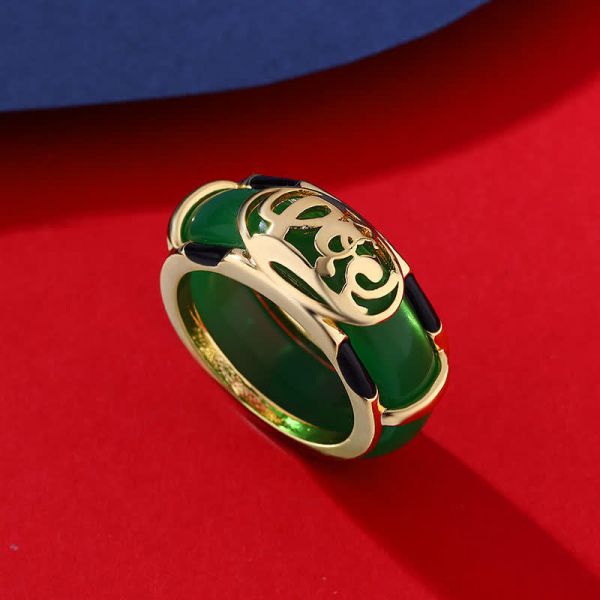 Buddha Stones Vintage Green Jade Fu Character Pattern RingAs low as $25.59 Regular Price $34.12