
How to Use a Backflow Incense Burner: The Right Way
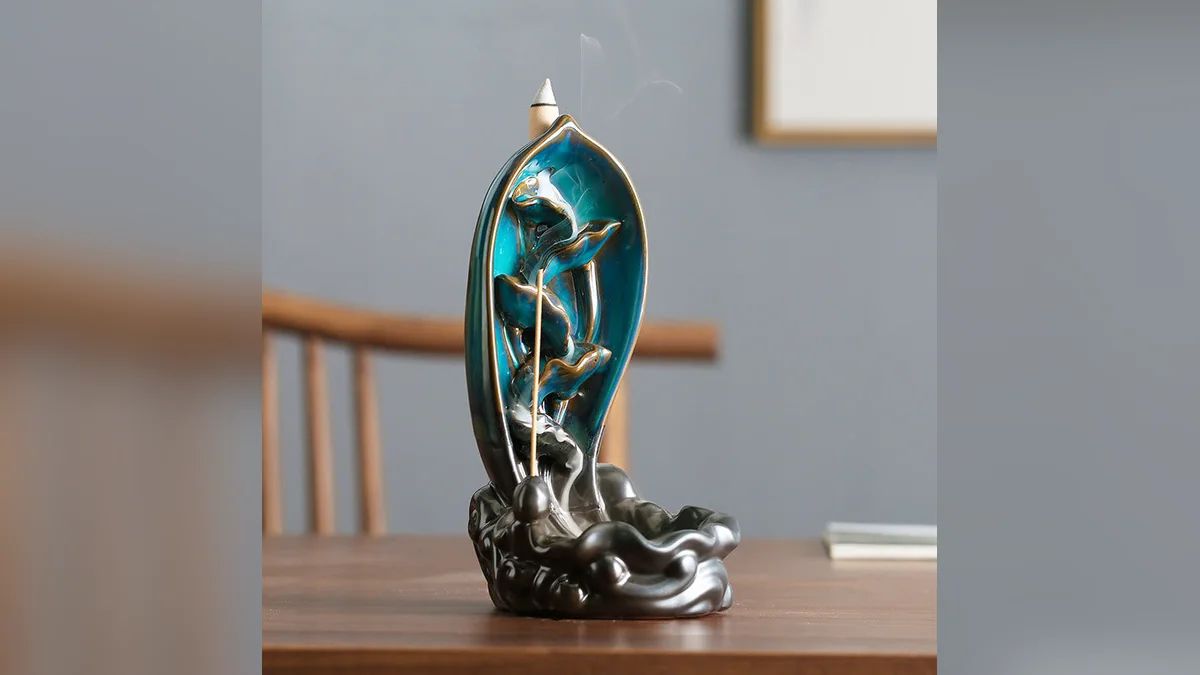
Backflow incense burners look simple enough: light the cone, set it on top, and watch the smoke pour downward like a miniature waterfall. The first attempt often goes differently. The smoke rises straight up instead, drifting away the same way it would from any ordinary stick or cone, and the burner just sits there looking decorative. This is one of the most common frustrations with the style, and it almost always comes down to one detail: the cone has to be a backflow cone, hollow through the middle, not a solid one. Learning how to use a backflow incense burner really just means understanding that one requirement and a handful of small habits around it, from where you set the burner down to how you light the tip.
Why the Smoke Flows Down: The Simple Physics
A backflow cone is molded with a narrow channel running through its center, open at the tip and at the base. Ordinary incense burns into smoke that rises because hot smoke is lighter than the surrounding air. A backflow cone routes the smoke through that internal channel first, where it loses some of its heat before reaching open air. Cooler smoke is heavier than warm air, so instead of rising, it sinks. It drops out through the hole in the burner’s platform and spills over the carved channels, peaks, or waterfall shapes below it, pooling and drifting along whatever path is lowest, which is why these burners are usually sculpted with tiers for the smoke to travel over.
Incense also has a simple role in Buddhist practice beyond this visual effect. Lighting it is a traditional offering, a small gesture of respect rather than a step expected to change anything about the room or the person lighting it.
How to Use a Backflow Incense Burner Step by Step
Once you have a genuine backflow cone, the process itself is short.
- Place the burner on a stable, heat-safe surface, away from drafts, fans, open windows, curtains, and pets.
- Light the tip of the backflow cone and let it burn with an open flame for a few seconds.
- Blow out the flame so the tip glows like an ember, rather than leaving it to burn with a visible flame.
- Set the cone on the burner’s platform so the hole in its base lines up with the opening or channel beneath it.
- Wait a minute or so. The smoke needs a short moment to cool before it starts flowing downward instead of up.
- Never leave a lit cone unattended, even after the flow has started and the effect looks settled.
Troubleshooting Common Problems
Smoke Goes Straight Up
If the smoke rises instead of falling, check the cone first. Solid incense cones, the kind meant for open censers, don’t have the hollow core a backflow burner needs, so they will never flow downward no matter how they’re placed. Next, check alignment: the hole in the cone’s base has to sit directly over the opening in the burner. Even a proper backflow cone will smoke upward if it’s sitting off to one side.
The Cone Keeps Going Out
A cone that extinguishes partway through is usually underlit. Give the tip a few more seconds of open flame before blowing it out, long enough that it’s glowing rather than just blackened at the surface. A cone resting in leftover ash from a previous session can also smother itself, so clear the platform before setting a new one down.
Residue Builds Up on the Burner
Backflow burners collect a fine layer of soot and ash around the base and along the channels where smoke travels. This is normal and doesn’t mean anything is wrong with the piece. Brush loose ash away between sessions so it doesn’t block the opening, and give the burner a more thorough clean on occasion.
A Draft Keeps Disrupting the Flow
Moving air is the main obstacle to a visible backflow effect. A ceiling fan, an open window, or someone walking past can scatter the smoke before it has a chance to pool and travel downward. Set the burner somewhere still, and give it that first minute without moving it or walking too close.
Cleaning and Caring for Your Burner
Let the burner cool completely and let any ash finish settling before you clean it. Ceramic backflow burners can be flushed with water to remove the staining that builds up on the censer over time, then left to dry fully before the next use. Material matters here, since ceramic and purple clay don’t necessarily want the same handling, so it’s worth checking the care notes on the page for the specific piece you own before cleaning it.
Choosing a Burner by Material, Size, and Look
All four of these burners create the same downward-flowing effect, but they differ enough in material, scale, and shape that the choice usually comes down to where the piece will sit and what it will share a shelf with. If you want to compare more styles first, our incense burners collection covers the wider range.
The Waterfall Incense Burner is ceramic and measures about 12.5 by 22 by 9 centimeters, among the larger pieces here. It’s built to take both backflow cones and ordinary incense sticks, so it switches between the cascading effect and simple stick burning depending on what you’re in the mood for. It ships without incense included, so you’ll want cones or sticks on hand separately.
The Mountain River burner is also ceramic, but noticeably smaller and lower to the table, around 11.8 by 4.4 centimeters or 10.5 by 3.7 centimeters depending on the option you pick. Its sculpted landscape of peaks and a winding river gives the smoke several paths to travel, which makes for a slower, more layered flow across a compact footprint. You can find it at our Mountain River incense burner page.
The Elephant burner is made of purple clay rather than ceramic, with a size of about 12 by 11 by 13 centimeters. The elephant form carries its own symbolism in several traditions, associated with strength and wisdom, and it reads more as a standalone decorative figure than the flatter, landscape-style burners above.
The Owl burner is ceramic, compact at about 9.2 by 7.9 by 13.8 centimeters, and shaped like a round-eyed owl rather than a landscape scene. It comes with the option of 50-cone packs in either a random mix of scents or sandalwood, with each cone about 1 by 2.5 centimeters and a burn time of roughly 10 minutes, which makes it an easy pick if you’d rather have cones included than sourced separately.
Whichever burner you choose, the technique for using it stays the same: a hollow backflow cone, a steady surface, and a minute of patience for the smoke to start falling.
- Set the burner on a stable, heat-safe surface away from paper, fabric, and clutter.
- Burn away from drafts, open flames, curtains, and the reach of children or pets.
- Never leave a lit cone unattended, even once the smoke is flowing.
- Let the burner cool fully before touching, moving, or cleaning it.
- Keep a clear space around and below the burner so falling ash has somewhere to land.
Shop the story
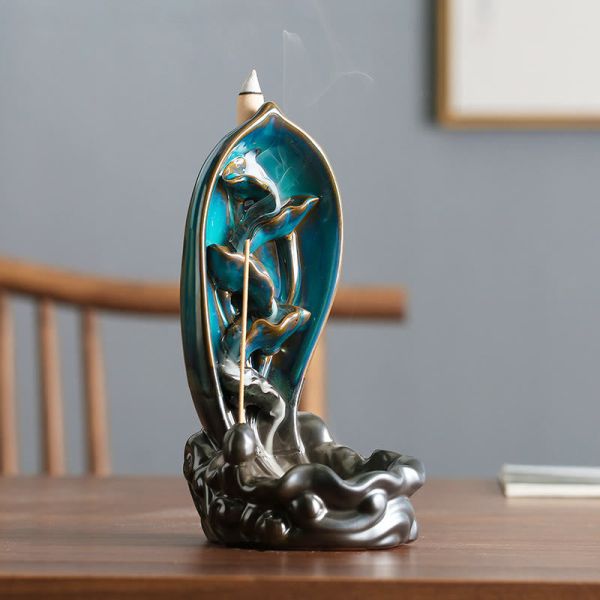 Buddha Stones Waterfall Incense Burner Backflow Incense HolderAs low as $59.59 Regular Price $79.45
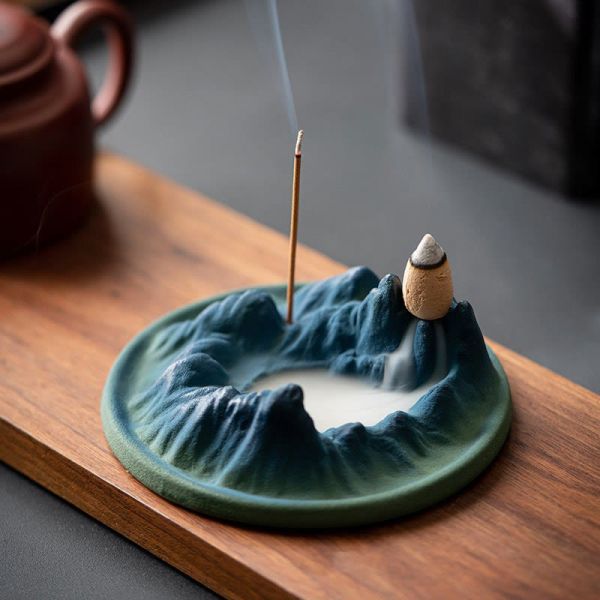 Creative Mountain River Ceramic Healing Backflow Incense BurnerAs low as $43.59 Regular Price $60.54
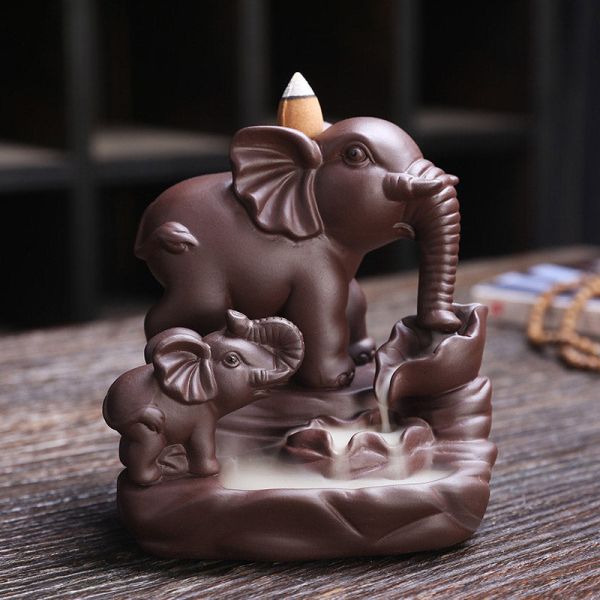 Tibetan Elephant Purple Clay Backflow Smoke Fountain Protection Incense Burner DecorationSpecial Price $69.59 Regular Price $95.33
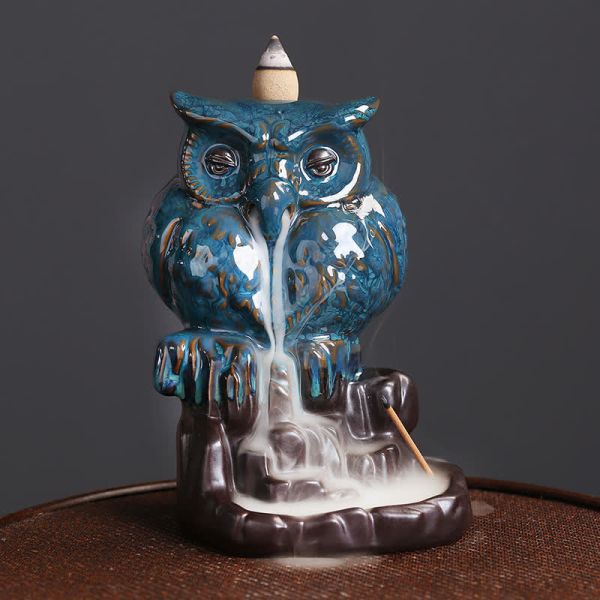 Buddha Stones Cute Owl Ceramic Backflow Smoke Fountain Meditation Healing Incense Burner DecorationSpecial Price $55.59 Regular Price $74.12