How to Set Up a Buddhist Altar at Home: 6 Steps
A home altar does not need a dedicated room. For many Buddhist households it is a single shelf, a corner of a bookcase, or a low table set against one wall. Tibetan, Chinese, Japanese, and Theravada homes can look quite different on this point — some favor a cabinet crowded with statues and offering bowls, others keep just a framed image and a candle. What they share matters more than what separates them, and that shared ground is where learning how to set up a buddhist altar at home usually begins: where to put it, what to lay it on, what sits at the center, and what you choose to offer.
How to Set Up a Buddhist Altar at Home
The steps below follow an order common across traditions, though each one is a starting point rather than a fixed rule. Adjust based on your own practice, your space, and whatever customs your family already follows.
Step 1: Choose a Quiet, Clean, Raised Place
Start with location. Most traditions look for a spot that is calm, out of the main traffic of a room, and easy to keep tidy — a quiet corner of a bedroom or living room usually works. Height matters too: many households raise the altar above seating level, since a spot where people step over it, sit higher than it, or pass by at close range is generally avoided. The floor itself is rarely used as a base, and areas near a bathroom or the foot of a bed are commonly skipped as well. None of this is fixed law — treat it as custom rather than requirement, and choose what feels respectful in your own home. Our sacred space collection has a range of shelf-sized pieces if you are starting from an empty corner.
Step 2: Lay a Cloth or Mat to Define the Space
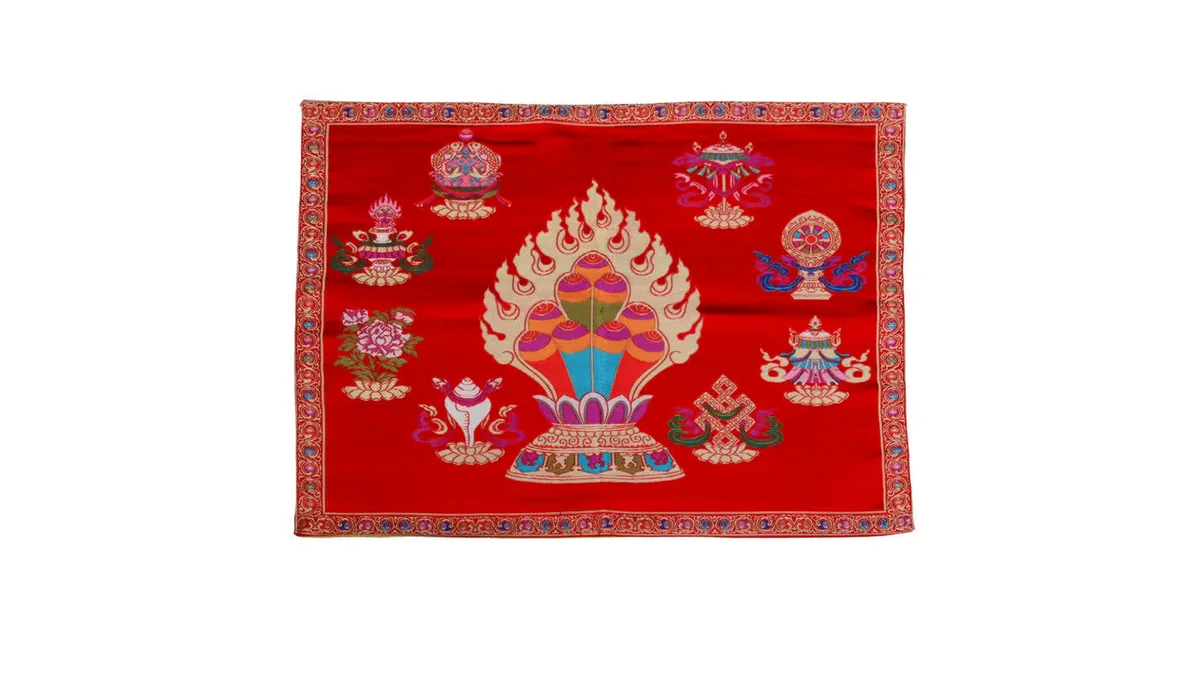
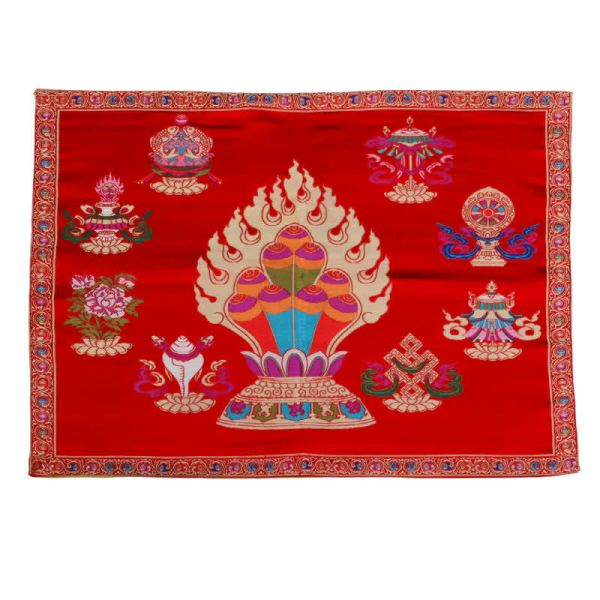
Once you have a surface, mark it as separate from everyday use. A cloth or mat sets a visual boundary between the altar and the rest of the shelf or table, and it protects the surface underneath from wax, ash, or spilled water. Our Eight Auspicious Symbols altar mat is sized for a smaller altar at 48 by 68 centimeters, made of a chemical fiber fabric, with the Knot of Eternity and the eight symbols worked into the pattern. A plain cloth does the same job if you would rather keep things simple — the point is a clear edge, not a particular design.
Step 3: Place the Central Image at the Highest Point
The focal point sits above everything else on the altar. This might be a statue of the Buddha, a bodhisattva such as Avalokiteshvara or Tara, a thangka painting, or a text treated with respect, such as a sutra. Give it the top tier if your altar has levels, or set it slightly back and raised on a small stand if it is a single shelf. Everything else — candles, bowls, incense — is arranged below or in front of the central image, never above it.
Step 4: Arrange the Offerings
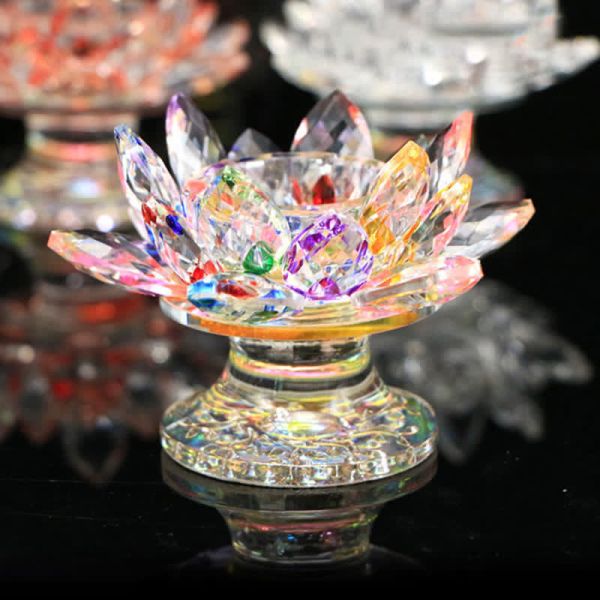
Offerings are the part of the altar that changes most often. Across traditions, a handful are common: light, incense, flowers, water, and food. Each is traditionally said to stand for something plain — light for clarity, incense for a pleasant atmosphere, flowers as a reminder that nothing stays the same, water as a simple and unadorned gift, food as a gesture of generosity. A lotus shape is a frequent choice for candle holders on Buddhist altars; our lotus crystal glass candle holder measures 6.5 by 8 centimeters and weighs 524 grams. For incense, a small tray keeps ash contained and the surface underneath protected — see the copper offering tray, sold on its own or with 250 grams of incense included, or browse our wider range of incense burners for other shapes.
Never leave burning candles or incense unattended, and keep them well away from cloth, curtains, and anything else flammable.
In Tibetan practice, water offerings are sometimes set out as a row of seven bowls, filled and emptied in a set order each day rather than left standing indefinitely. None of this needs to happen all at once — a single candle and a cup of water is already a complete offering, and you can add to it gradually as you learn what feels right.
Step 5: Add Ritual Objects Only if They Mean Something to You
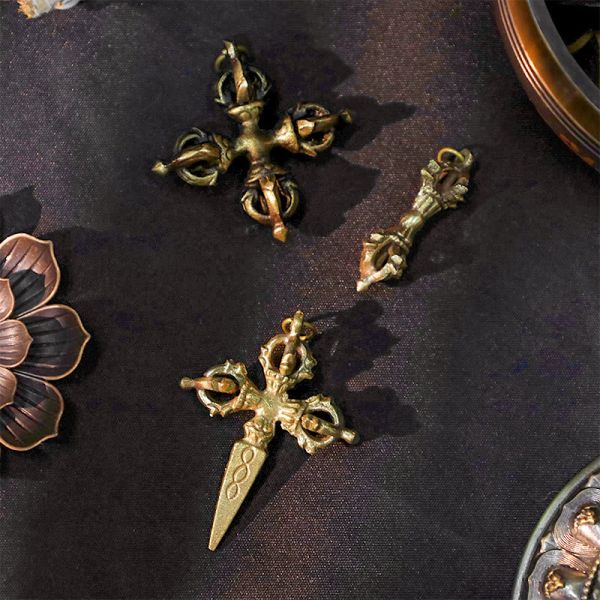
Not every altar needs ritual implements beyond the offerings above, and stopping after Step 4 is entirely reasonable. If you do want to add something, a vajra — also called a dorje — is worth understanding before bringing one home. In Vajrayana Buddhism, the vajra represents indestructible method and skillful means, traditionally paired with a bell representing wisdom, the two held in opposite hands during certain practices. Our Nepal handmade double dorje copper vajra comes in three styles — five-prong, cross, and double dorje — each only about 4 to 5 centimeters tall, so it fits a small shelf altar as easily as a larger one. For more pieces along these lines, our altar and prayer items collection covers a few other options. If a vajra, bell, mala, or any other object does not already carry meaning for you, there is no obligation to include it. An altar works with as few or as many pieces as suit the person using it.
Step 6: Keep It Clean and Refresh the Offerings
An altar is maintained, not assembled once and left alone. Change water daily rather than letting it sit and go stale. Remove flowers as soon as they wilt instead of leaving them past their best days. Empty incense ash once it has cooled, and wipe down the tray or holder before residue builds up. Dust the central image and surrounding objects on a regular schedule, even if it is only a quick pass once a week. This upkeep is really the second half of knowing how to set up a buddhist altar at home — the setup matters less than whether the space stays cared for afterward.
Quick Reference Checklist
- Pick a quiet, raised spot, away from the floor, bathrooms, and seating areas
- Lay down a cloth or mat to mark the space as separate from everyday use
- Set the central image — statue, thangka, or text — at the highest point
- Add light and incense, with a tray or holder underneath to catch wax and ash
- Offer flowers and water, changing both on a regular basis
- Include food offerings if that fits your own practice
- Add a vajra, bell, or other ritual object only if it already holds meaning for you
- Clean the altar and refresh offerings on a steady schedule
However it ends up arranged, the altar matters less for how closely it follows any single tradition and more for whether it stays a place in the home that gets noticed and tended to.
Shop the story
 Prayer Altar Mat Healing Meditation 8 Auspicious Symbols MatAs low as $63.59 Regular Price $84.79
 Lotus Flower Crystal Candle Holder Home Office Offering DecorationAs low as $54.59 Regular Price $75.82
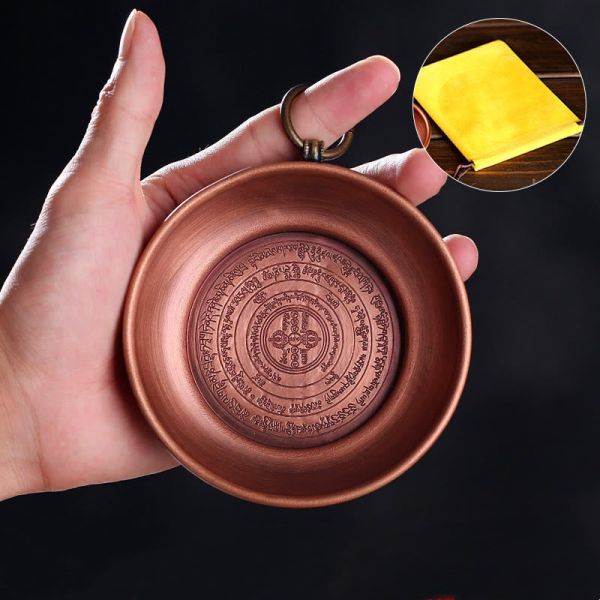 Buddha Stones Small Copper Prayer Altar Portable Burning Holder Incense Sage Smudging Rituals Use ItemsAs low as $79.59 Regular Price $106.12