
How to Clean Turquoise: A Practical Care Manual
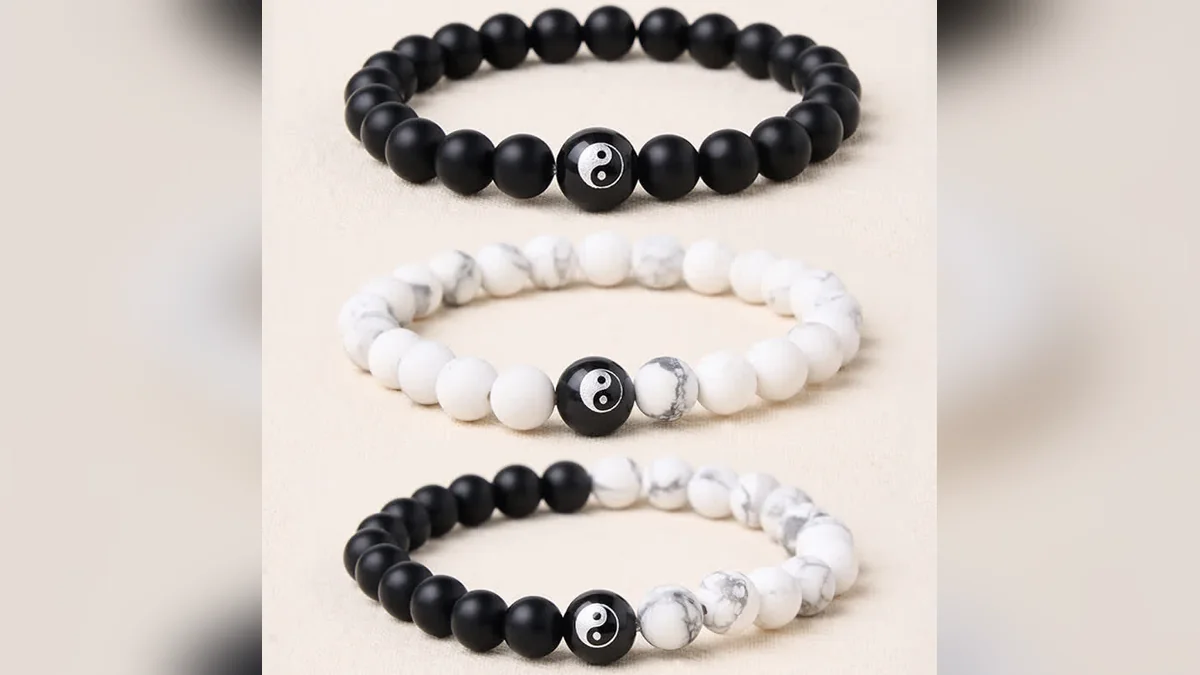
Bracelet beads can collect lotion residue and dust around their stringing holes. If you are wondering how to clean turquoise, start with a soft cloth, use only a little lukewarm water when needed, and dry the surface promptly. This manual explains how to remove everyday surface dirt, handle mixed materials, and recognize damage that needs repair. At Buddha Stones, we recommend beginning with the gentlest approach: brief, light wiping, careful drying, and a check of the cord, elastic, or setting before the piece returns to use.
Tools and materials for gentle surface care
Set up on a clear table covered with a clean towel. A padded surface helps prevent chips if a bead or pendant slips from your hand. Keep the jewelry away from an open sink drain.
- Two soft, lint-free cloths: use one for wiping and keep the other dry.
- A small container of lukewarm water: dampen the cloth without dipping the jewelry.
- A clean towel: support the piece during cleaning and drying.
- Good light: inspect bead holes, knots, metal edges, and surface cracks.
Check the material description before starting. Turquoise jewelry may contain treated stones, synthetic components, plated metal, or several bead materials together. A color name alone does not establish composition. If the finish or treatment is unknown, begin with a dry cloth and keep moisture minimal.
How to clean turquoise, step by step
- Inspect before wiping. Look for loose settings, chipped bead holes, stretched elastic, or fraying cord. If something is unstable, set the jewelry aside for repair. Cleaning can move a damaged part or pull at an already weakened connection.
- Lift away loose dust. Support the piece in your palm or on the towel. Pass a clean, dry cloth lightly over the surface. Do not grind visible grit against a bead or force the cloth between tightly packed components.
- Dampen a fresh area of cloth. Use lukewarm water and squeeze the cloth thoroughly. It should feel barely damp and leave no droplets. Keep the bracelet itself out of the water container.
- Wipe a small section. Gently turn each accessible bead while supporting the stringing beneath it. Avoid pulling beads apart to reach their holes. On a pendant or ring, keep the damp cloth on accessible surfaces without pushing moisture beneath the setting.
- Dry as you go. Follow with the second cloth to remove surface moisture. Lay the piece on the towel in a shaded, ventilated place until the beads and stringing are dry. Leave the storage pouch or box open during this stage.
- Check the result. Examine the piece again under the same light. If residue remains, stop and ask a jeweler familiar with turquoise about further cleaning. Persistent discoloration may not be removable surface dirt.
For ordinary wear, a brief dry wipe after removal is a useful habit. Damp cleaning is for visible residue; it does not need to become a daily wash. If color transfers to the cloth, stop immediately and avoid further rubbing.
What not to do during cleaning or wear
Turquoise can absorb oils and other substances, and its surface can scratch. Unknown treatments add another reason to keep cleaning simple. Avoid these methods:
- No soaking: prolonged wetting also exposes cord, elastic, and concealed joins to water.
- No steam or ultrasonic cleaners: these are unsuitable choices for turquoise jewelry.
- No household cleaning mixtures: skip vinegar, lemon juice, bleach, alcohol, and other solvents.
- No abrasive polishing: toothpaste, baking soda pastes, scouring pads, and polishing compounds can damage the surface.
- No forced drying: avoid hair dryers, radiators, and direct sunlight.
Remove jewelry before showering, swimming, washing dishes, or using cleaning sprays. Apply lotion, perfume, and cosmetics before putting it on, and allow those products to dry first. During storage, give the piece its own padded compartment or pouch so loose metal edges and neighboring jewelry cannot rub against the beads.
Do not oil or wax turquoise to make it look brighter. An unfamiliar surface coating can complicate later care.
When to repair, replace, or retire a piece
Pause wear if elastic remains stretched, cord fibers separate, knots loosen, or a clasp no longer closes securely. A jeweler may be able to replace the stringing while retaining sound beads. Keep any detached parts together in a small container.
A chipped bead hole needs attention because its edge may rub against the string. A crack that opens, a loose stone, or a broken metal connection also calls for repair before further use. Do not test a questionable connection by repeatedly pulling it.
Color variation alone does not mean a piece must be discarded. Compare visible changes under similar lighting, and avoid trying to scrub away marks that may belong to the material. If repair is impractical, retire the piece from wear and keep it in a labeled box. Do not restring visibly damaged beads without professional assessment.
Care details for four Buddha Stones bracelets
Our product descriptions identify different combinations of beads and stringing. Use those details when choosing where to wipe and what to inspect. Luck and Protection in product names express traditional wishes; they do not guarantee a result.
Black onyx and white turquoise options
The Black Onyx White Turquoise Yin Yang Bracelet offers Black Onyx, Black Onyx And White Turquoise, and White Turquoise options. Its specifications name Black Onyx, White Turquoise, and Black Obsidian, with premium elastic string. Bead sizes are 8mm and 10mm; wrist circumference is 5.9–6.3 in (15–16 cm). Support the string during wiping and avoid stretching it to reach between beads.
Adjustable turtle and Fu cord bracelet
The Hand-Woven Turquoise Turtle Fu Character Jade Beads Luck Rope Bracelet combines string, Hetian Jade, synthetic turquoise, copper alloy, and a copper plated gold bead. Its adjustable cord accommodates 5.9–8.3 in / 15–21 cm. Keep wiping localized around the beads and metal components, then check that the cord is dry before storage.
Picture jasper and tiger eye mix
The Picture Jasper Turquoise Tiger Eye Mix And Match Bracelet contains Picture Jasper, synthetic turquoise, and Tiger Eye. It uses premium elastic string with 8mm beads and a wrist circumference of 15-17cm. The synthetic turquoise designation does not establish a cleaning method for the entire assembly. Keep the routine gentle and inspect the elastic before wear.
Tiger eye, cyan jade, and turquoise
The Tiger Eye Cyan Jade Turquoise Beaded Bracelet combines Tiger Eye, Cyan Jade, and Turquoise on premium elastic string. Its beads are 8mm, and wrist circumference is 5.9–6.3 in (15–16 cm). Slight variations in color, details, and overall appearance may occur. Treat a visible variation as something to inspect before deciding that more cleaning is needed.
A short check before putting jewelry away
Finish by checking three things: the surface is dry, the stringing or setting is secure, and the storage space prevents rubbing. Leave stubborn marks for professional assessment. Gentle handling, limited moisture, and timely repairs give you a repeatable care routine without unnecessary polishing or repeated washing.
Shop the story
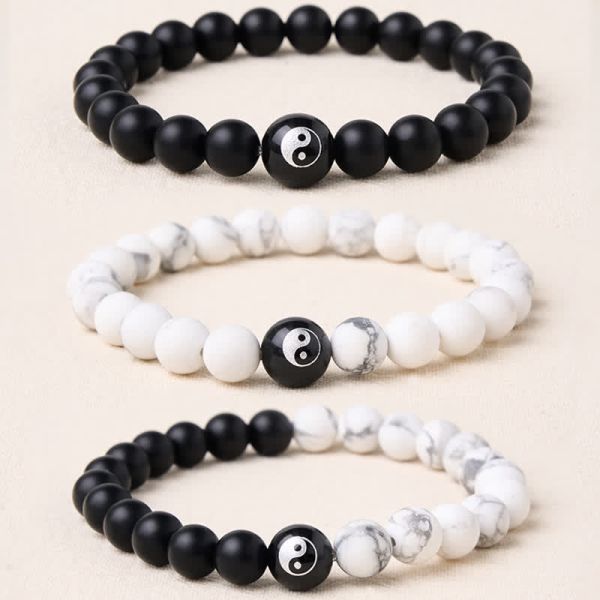 Buddha Stones Black Onyx White Turquoise Yin Yang Black Obsidian Round Bead Balance BraceletAs low as $25.59 Regular Price $35.05
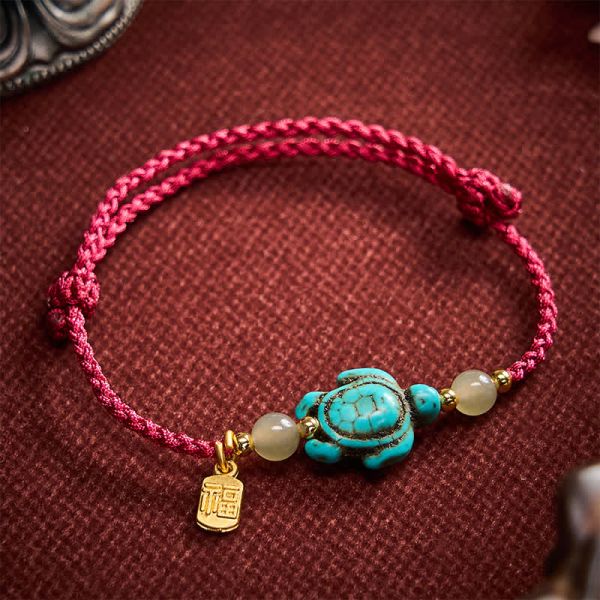 Buddha Stones Hand-Woven Turquoise Turtle Fu Character Jade Beads Luck Rope BraceletAs low as $25.59 Regular Price $34.58
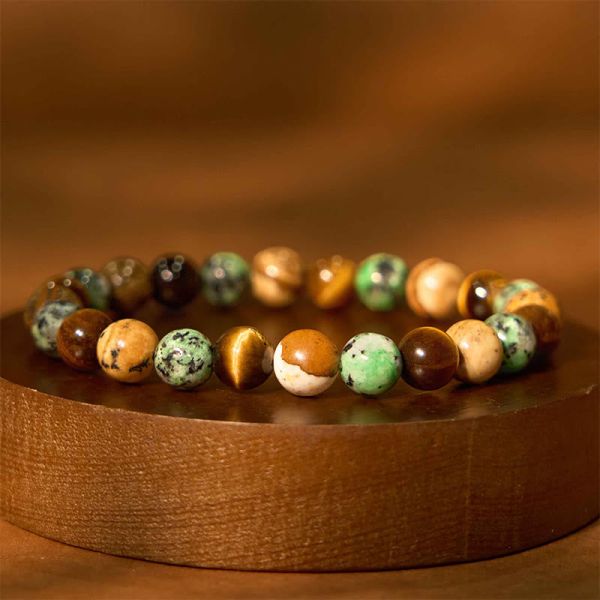 Buddha Stones Natural Picture Jasper Turquoise Tiger Eye Mix And Match Beads Protection BraceletSpecial Price $25.59 Regular Price $36.04
 Buddha Stones Natural Tiger Eye Cyan Jade Turquoise Beaded Protection BraceletSpecial Price $25.59 Regular Price $36.04