How to Clean Phoenix Bags and Burners: Care Manual
Dust gathers along embroidered edges, and ash collects inside an incense burner after use. If you are asking how to clean phoenix pieces, this manual explains how to remove loose dirt, spot-clean suitable fabric, and clean wood-and-alloy surfaces with dry tools without scrubbing the motif. The phoenix is the design; the material determines the cleaning method.
At Buddha Stones, our phoenix options include bags and incense burners with different care needs. Start by identifying your item and checking any care instructions supplied with it. The product specifications below do not establish that a piece can be machine washed, soaked, or treated with a particular cleaner.
Tools and materials for gentle surface care
Prepare a clear work area before opening a bag or emptying a burner. Keep tools used for ash separate from those used on fabric. A cloth carrying dark residue can transfer it onto a pale bag.
- Clean white cloths: Keep one dry for dusting and another available for a small fabric cleaning test.
- A soft brush: Choose soft bristles without sharp edges. Use light strokes around embroidery and accessible burner details.
- Room-temperature water: Use a small amount only when a fabric test supports proceeding.
- Mild liquid soap: Reserve a weak solution for localized fabric marks when the care label permits it.
- A clean towel: Support a bag while blotting and drying.
- A noncombustible container: Collect fully cooled incense ash away from your fabric cleaning supplies.
Avoid assembling a large set of cleaning chemicals. Begin with dry dust removal, then decide whether the remaining mark needs further attention.
How to clean phoenix bags and burners step by step
1. Inspect before adding moisture
Empty the bag and open its main pocket. Look for loose threads, stressed strap attachments, damaged closures, and marks near embroidery. Check an incense burner for cracks, loose components, or scorch damage only after the incense is extinguished and the entire burner has cooled.
Take note of existing fading or uneven color before cleaning. These observations help you distinguish an old mark from a change caused by treatment. Stop if gentle handling already causes material to shed or a seam to open.
2. Lift loose dust and debris
Hold an empty bag over a clean surface and gently tip out loose contents. Support embroidered areas from beneath while brushing lightly along the surface. Keep the brush above loose threads rather than dragging through them. Wipe ceramic bead accessories with a dry cloth while supporting their attachment.
For a cooled burner, carefully tip accessible loose ash into the prepared container. Brush away what releases easily, then wipe reachable surfaces with a dry cloth. Do not force apart joined sections or pry into an opening to reach residue.
3. Test fabric before treating a mark
If the care label allows spot cleaning, test a barely damp white cloth on a small, inconspicuous area. Check for color transfer, spreading color, or a change in texture. Let the test area dry before judging it. Test again before introducing a weak soap solution.
If the test changes the fabric, stop. Otherwise, blot the mark with minimal moisture while supporting the fabric on a towel. Work with small touches, without rubbing across embroidered threads. Blot away soap with a separate barely damp cloth, then press gently with a dry towel.
Keep routine burner cleaning dry. Peach wood and alloy do not establish a known finish or coating, so do not assume a household polish, solvent, or wet cleaning method is suitable. Leave firmly attached residue alone if removing it would require scraping.
4. Dry, check, and return to use
Let a spot-cleaned bag air-dry with its pocket open, supported in its usual shape. Choose shade and airflow, away from a heater. Leave it unpacked until the treated area and surrounding fabric are completely dry.
Before carrying it again, check the straps and closure. Before using a burner again, confirm that it is stable, intact, and free of loose ash that could spill. Follow the instructions supplied for the burner and incense, and never leave burning incense unattended.
What not to do around stitching, wood, or alloy
- Do not soak the complete item. Mixed materials and their attachments may respond differently to water.
- Do not machine wash or tumble dry without explicit care instructions. Material names alone do not establish washability.
- Do not use bleach, abrasive powders, or stiff brushes. Aggressive treatment can damage color, fibers, and surface finishes.
- Do not apply metal polish across a mixed-material burner. A product intended for one surface may be unsuitable for the neighboring wood.
- Do not pull a snagged thread. Support the area and seek a repair assessment if stitching is coming loose.
- Do not empty warm ash into household trash. Wait until the contents and burner have fully cooled.
More pressure is rarely a useful response to a stubborn mark. If gentle cleaning makes no progress, pause before adding moisture or a stronger cleaner.
When repair, replacement, or retirement makes sense
A faded motif or a persistent cosmetic mark does not automatically make a bag unusable. Focus on function: a splitting strap attachment, opening seam, or unreliable closure deserves attention before you carry belongings again. A textile repair professional can assess whether the affected area can be repaired.
Retire an incense burner from burning use if it becomes unstable, develops cracks, or has loose parts that prevent it from supporting incense securely. Do not hide structural damage beneath ash or attempt another burn to check it. An intact-looking exterior alone does not confirm that a damaged burner is suitable for reuse.
Phoenix products and the details that guide care
Cotton linen bag with ceramic bead accessories
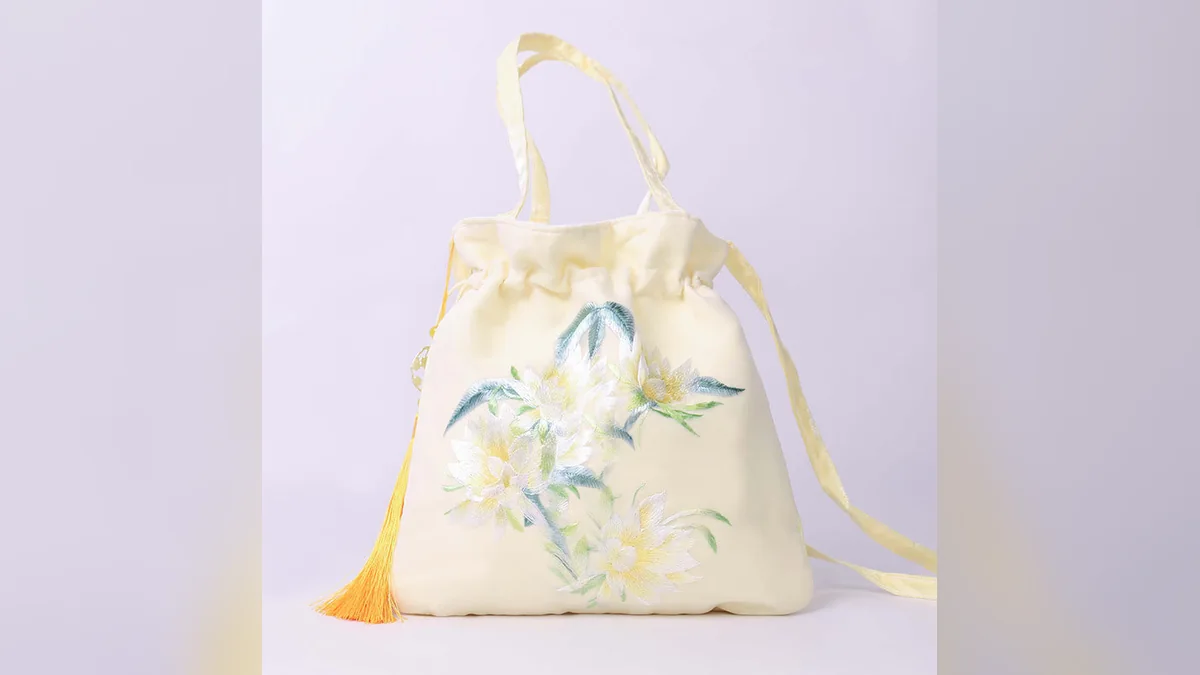
Our Lotus Peony Epiphyllum Phoenix Suzhou Embroidery Bag uses Cotton Linen Fabric and Ceramic Bead Accessories. Yellow Golden Phoenix 21*22cm is one option. The bag has one main pocket, an adjustable strap, a strap closure, and a shoulder bag strap length of 130cm. Support the accessories when dusting their surfaces.
Canvas handbag with a zipper closure
The Money Tree Peony Phoenix Apple Blossom Double-Sided Embroidery Handbag includes a Double Phoenix option. Its materials are Cotton, Canvas Fabric, and Polyester. It has one main pocket, a zipper closure, and non-adjustable straps. Empty the pocket before cleaning and avoid forcing the zipper if fabric or thread catches.
Round bag incense burner
The Peach Wood Dragon Phoenix Luck Round Bag Incense Burner uses Peach Wood and Alloy. Dragon Phoenix is one available option. It accommodates stick, cone, or spiral incense; incense is not included. Because it is handmade, slight variations in color, shape, and size may occur.
Square incense burner
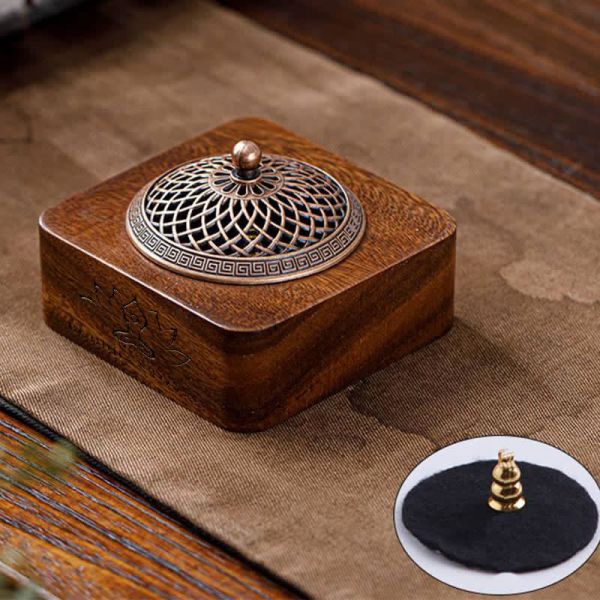
Our Peach Wood Dragon Phoenix Protection Square Incense Burner uses Peach Wood and Alloy and offers a Dragon Phoenix option. It accommodates stick, cone, or spiral incense; incense is not included. Its handmade construction may produce slight differences in color, shape, and size. Luck and Protection in these burner names express traditional wishes; neither term guarantees an outcome.
Keep the next cleaning simple
Check for loose dirt before storing a bag, and remove cooled ash before putting a burner away. Keep fabric away from ash-handling tools. A brief inspection, gentle dust removal, and patient drying give you a repeatable routine suited to the material.
Shop the story
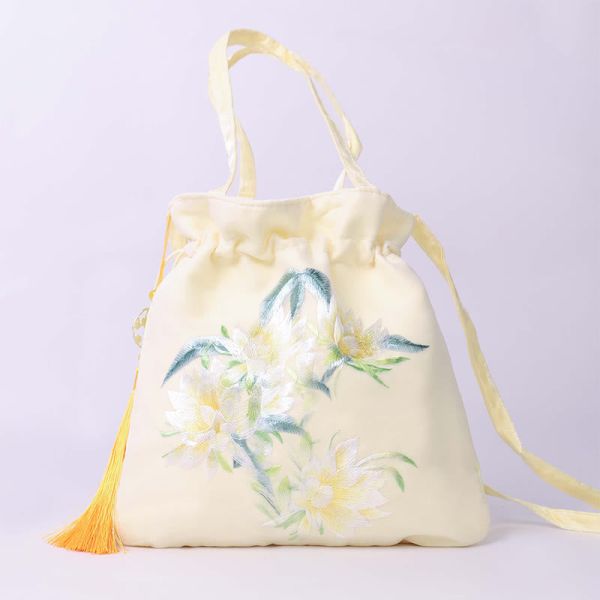 Buddha Stones Lotus Peony Epiphyllum Phoenix Suzhou Embroidery Cotton Linen Tote Crossbody Bag Shoulder Bag HandbagAs low as $22.59 Regular Price $32.27
 Buddha Stones Money Tree Peony Phoenix Apple Blossom Double-Sided Embroidery Cotton Canvas Shopping Purse HandbagAs low as $19.59 Regular Price $27.21
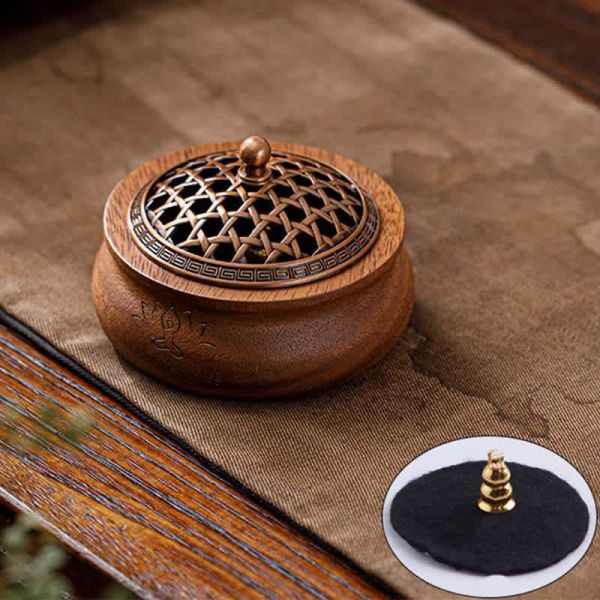 Buddha Stones Peach Wood Dragon Phoenix Luck Round Bag Incense BurnerAs low as $38.59 Regular Price $51.45