
How to Clean Koi Accessories: A Practical Guide
Dust gathers along bag seams, and bracelet cords can collect residue during regular wear. If you are wondering how to clean koi accessories, start with the material carrying the fish motif. This manual covers removing surface dirt from koi-patterned fabric and jewelry, limiting moisture around cords and metal, drying carefully, and checking for damage before reuse. Here, koi refers to decorative motifs on accessories. At Buddha Stones, we recommend identifying the fabric, beads, and fittings before choosing a cleaning method.
Tools and materials for gentle care
Prepare a clean work surface with enough room to lay fabric flat and support a bracelet without stretching it. Keep the cleaning supplies simple:
- Two soft, white, lint-free cloths: one for cleaning and one for drying.
- A clean towel to support damp fabric and absorb moisture.
- Room-temperature or lukewarm water for lightly dampening a cloth.
- A small amount of mild detergent for textile cleaning, only when the care label permits it.
- A shallow container for diluted detergent, kept separate from jewelry.
Read any attached care label first. A fiber description alone does not establish whether a finished bag or shawl can be washed. Embroidery, seams, dyes, and attached details also matter. If instructions are missing, begin with dry surface cleaning and seek textile-care advice before attempting a full wash.
How to clean koi accessories step by step
-
Inspect before adding moisture.
Empty the bag and look along its seams and strap attachments. Spread the shawl out to check for snags or loose threads. Examine bracelet cords, elastic, knots, and metal connections without pulling them apart. Set aside anything with a cracked bead, damaged fitting, or weakened string; cleaning should wait until the damage has been assessed.
-
Lift away loose surface dirt.
Use a dry cloth with light pressure. Support fabric from underneath while wiping, and avoid catching embroidered threads. For bracelets, support the strand in your palm or on a towel and wipe accessible bead surfaces. Do not pull the beads apart to reach the string. Shake crumbs gently from an empty bag instead of scraping inside its seams.
-
Test fabric before treating a mark.
If the label permits damp cleaning, test a concealed area with a barely damp white cloth. Check for color transfer and let the test area dry before continuing. If color transfers, the surface changes, or a ring appears, stop. Do not assume that a successful test on one color establishes how another colored section will respond.
-
Clean only the area that needs attention.
Blot a fabric mark gently, working from its edge inward. When permitted, use diluted mild detergent sparingly, then blot with a separate cloth dampened with plain water to remove residue. Avoid saturating embroidery or seams. On mixed-material bracelets, begin with a dry wipe; use a barely damp cloth on bead surfaces only if needed, keeping moisture away from string and metal connections.
-
Wash textiles only when their instructions allow it.
Follow the care label for detergent, water temperature, and washing method. Support the fabric throughout handling. Avoid twisting or wringing it to remove water. Press gently between clean towels instead. Do not extend washing time to tackle a stubborn mark; repeated rubbing or soaking can create a larger problem than the original stain.
-
Dry completely before putting anything away.
Reshape permitted washable fabric gently and dry it according to its label. When flat drying is appropriate, spread it on a clean towel without stretching the edges. Blot moisture from jewelry and leave it on a dry cloth in a ventilated place. Wait until cords, seams, and folds are fully dry before storage.
What not to do during cleaning
A koi motif does not determine a cleaning method. Avoid treating a fabric bag, a blended-fiber shawl, and a stone-and-metal bracelet as though they have the same requirements.
- Do not immerse mixed-material bracelets. Water can remain around bead holes, knots, and fittings.
- Do not use abrasive cleaners or scouring pads. Scrubbing can scratch surfaces and catch textile threads.
- Do not apply bleach, solvents, or metal polish across an assembled piece. A cleaner suitable for one component may damage another.
- Do not use steam, ultrasonic equipment, or direct heat without explicit care guidance. Finished accessories contain components that may require different treatment.
- Do not pull a snag or stretch a bracelet during cleaning. Support the material and leave repairs for a separate step.
For oily stains, persistent discoloration, or an unfamiliar finish, stop experimenting and consult an appropriate textile or jewelry repair professional.
When to repair, replace, or retire a piece
Look for changes that affect how securely an accessory can be used. A bag strap separating at its attachment needs repair before carrying belongings. A shawl with an expanding hole or unraveling edge should be assessed before further washing or wear. Loose threads are a reason to inspect the surrounding fabric, not to trim indiscriminately.
For bracelets, watch for fraying cord, elastic that stays stretched, slipping knots, loose fittings, or chipped beads with sharp edges. Stop wearing the bracelet until a repair professional can evaluate it. Replacing a damaged cord may preserve usable components; it does not require discarding the whole bracelet.
Minor surface wear alone does not require retirement. If a repair cannot restore secure use, keep the item for display or retain suitable components rather than continuing to wear or carry it.
Products: match the routine to the materials
These selections from our store show why the material check comes first. Words such as Luck and Protection in product names express traditional wishes; they offer no guarantee of good fortune, safety, or other outcomes.
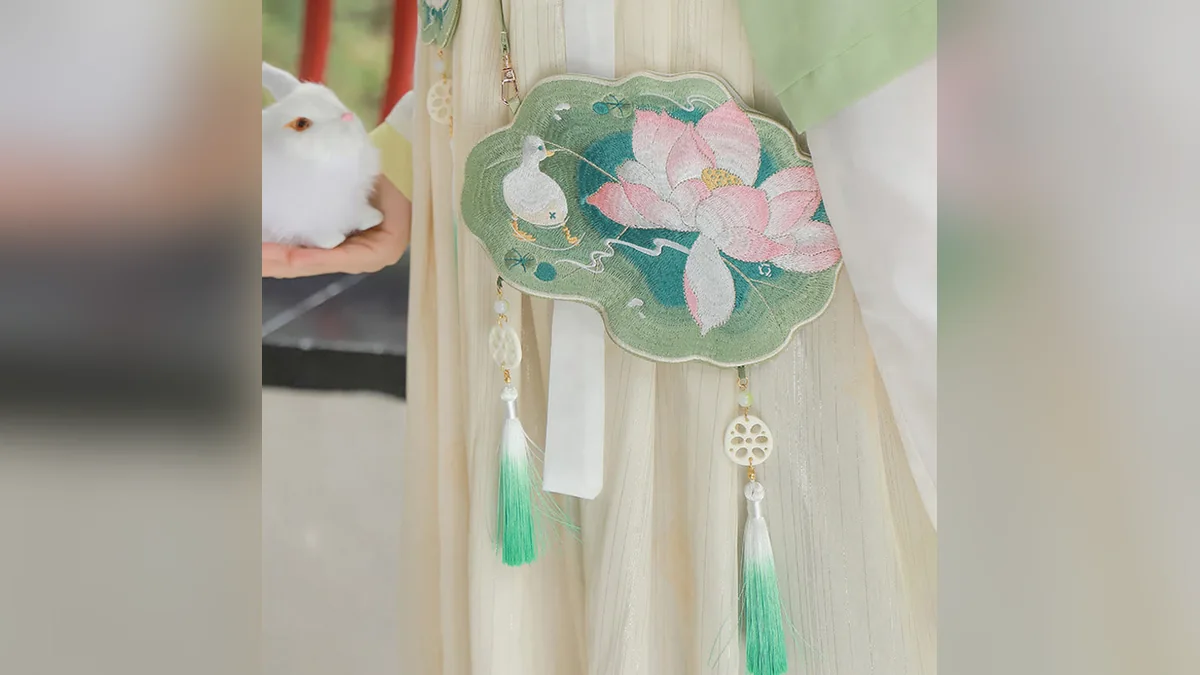
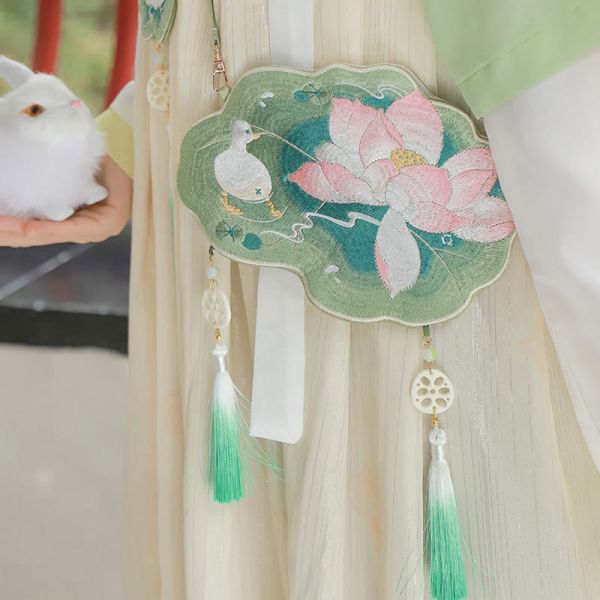
Embroidery Hanfu bag
The Buddha Stones Embroidery Hanfu Bag is polyester. Some options feature koi, including Koi Fish Iris, Koi Fish Lotus, and Koi Fish Peony. Begin with dry dust removal and inspect the embroidered areas before attempting label-approved spot cleaning. The polyester specification alone should not be treated as permission to machine wash the finished bag.
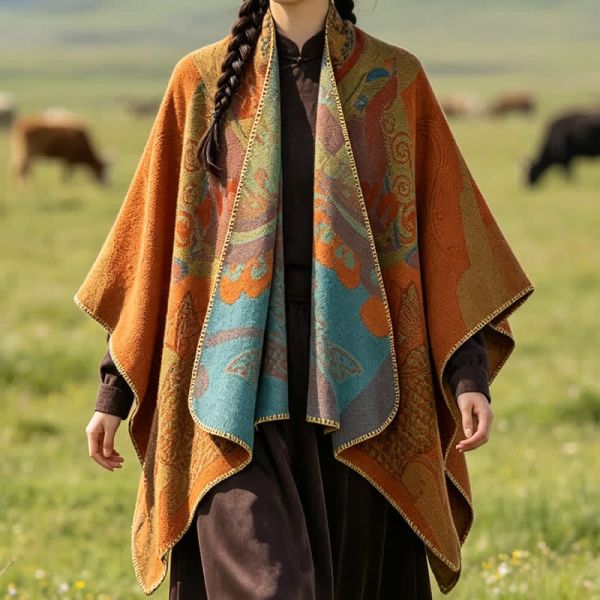
Koi fish and clouds shawl
The Buddha Stones Koi Fish Clouds Shawl contains 50% Polyester and 50% Acrylic. Its size is Approx. 130 cm × 150 cm / 51.2 in × 59.1 in. Prepare sufficient drying space before any permitted washing, and support the fabric when lifting it damp. Check its care instructions before choosing a washing method.
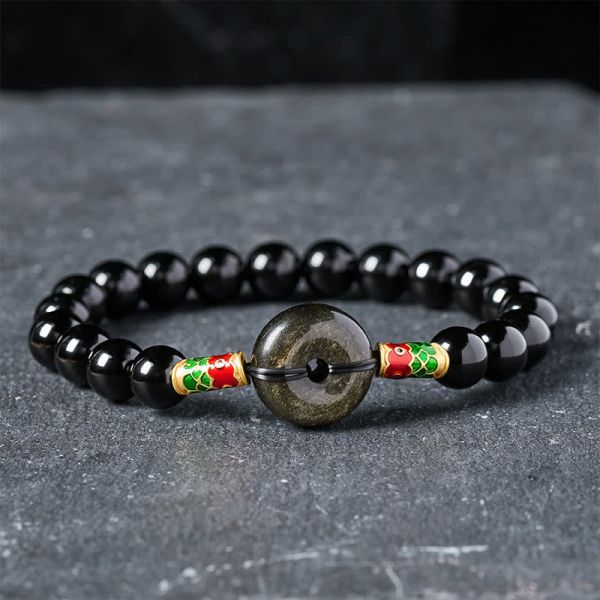
Obsidian koi bead bracelet
The Buddha Stones Golden Sheen Obsidian Koi Bracelet combines Golden Sheen Obsidian, Black Obsidian, and Copper Alloy, with Premium Elastic String. Favor careful surface wiping over immersion. Inspect the elastic without stretching it unnecessarily, and avoid applying metal-cleaning products across the assembled bracelet.
Jade and cord koi bracelet
The Buddha Stones Hand-Woven Koi Fish Fu Character Jade Bracelet uses String, Hetian Jade, Copper Alloy, and a Copper Plated Gold Bead. Its band is Adjustable Cord. Keep cleaning localized and gentle around the metal details. Check the cord and adjustment points before reuse, and avoid forcing the adjustment while damp.
Put clean accessories away with care
After drying, return the bag empty to storage, fold the shawl without compressing it under heavy objects, and place bracelets where their cords will not catch. Keep accessories away from damp storage areas and direct heat. A brief inspection before use, followed by light cleaning when needed, helps you notice damage early and choose the next care step deliberately.
Shop the story
 Buddha Stones Luck Embroidery Lotus Koi Fish Rabbit Flower Hanfu Bag Crossbody Bag Shoulder BagAs low as $29.59 Regular Price $39.45
 Buddha Stones Fall Winter Koi Fish Clouds Oriental Draped Soft ShawlAs low as $41.59 Regular Price $57.76
 Buddha Stones Golden Sheen Obsidian Peace Buckle Black Obsidian Koi Fish Protection Round Bead BraceletSpecial Price $25.59 Regular Price $34.58
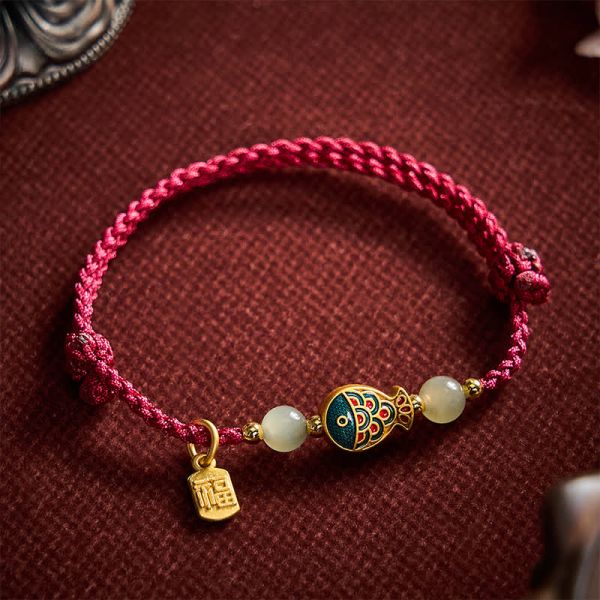 Buddha Stones Hand-Woven Koi Fish Fu Character Jade Beads Protection Rope BraceletAs low as $25.59 Regular Price $34.12