
How to Clean Fish: A Clear Guide to Whole-Fish Prep
A stable cutting board gives you a firm surface for preparing a whole fish. Learning how to clean fish means removing scales when needed, taking out the internal organs and gills, and clearing the cavity before cooking. This guide covers a whole, scaled food fish purchased for the kitchen. Check what your fishmonger has already done: a fish may arrive scaled, gutted, or both, which lets you skip those steps.
Choose your recipe before making cuts. Cooking a fish whole calls for different preparation from making fillets, and leaving the skin on usually means removing the scales first.
1. Set up your tools before you start
Gather a fish scaler or the back of a sturdy knife, a sharp kitchen knife, kitchen shears, disposable towels, and a bowl for scraps. Place a damp towel beneath the cutting board so it stays in position. Keep the scrap bowl close enough that you can transfer waste without carrying it across the counter.
Clear other food and serving dishes from the work area. Remove bracelets and move loose sleeves away from your hands. Keep the fish refrigerated until your tools are ready, then work through the preparation without unnecessary pauses. A slippery fish is easier to hold with a folded disposable towel around its tail.
2. How to clean fish: remove the scales first
Lay the fish on its side and hold the tail firmly. Move a scaler or the back of a knife from the tail toward the head, working against the direction of the scales. Use short strokes and moderate pressure. Keep your holding hand away from the tool’s path.
Work across the flank, then check the belly, the area near the fins, and the patch behind the gill cover. Turn the fish over and repeat. Run your fingers gently from tail toward head to find rough patches. Remove any remaining scales before opening the belly so loose scales do not collect inside.
3. Open the belly with a shallow cut
Position the fish with its belly facing you and the knife pointing away from your holding hand. Find the vent, the small opening on the underside near the tail end of the belly. Insert just the tip of the knife and make a shallow cut forward toward the head.
Lift the belly wall slightly as you work. You are opening the skin and thin muscle beneath it, so there is no need to push the blade deep into the cavity. Stop at the base of the gill area. If the opening needs widening, use small, controlled cuts instead of forcing the knife through resistance.
4. Remove the organs and gills carefully
Open the cavity and loosen the internal organs with your fingers. Lift them out into the scrap bowl. Use the knife tip or shears only where tissue remains attached, keeping your fingers clear of the cutting edge. Avoid squeezing the organs or puncturing the small gallbladder, which can spill bitter fluid onto the flesh.
If you are keeping the head for whole-fish cooking, lift the gill cover and cut the gill attachments with kitchen shears. Remove the gills carefully; the edges around this area can be sharp. If your recipe calls for a headless fish, remove the head with a suitable knife at the point just behind the gill covers.
5. Clear the cavity and check the surface
Inspect the inside along the backbone. A dark strip of kidney tissue may remain there after the organs are removed. Scrape it out gently with a small spoon, then wipe away loose tissue and blood with a damp disposable towel. Check the cavity folds and the area near the head for anything left behind.
Wipe scales from the outside as well. If loose debris requires rinsing, use a gentle stream of cold water and keep splashing to a minimum. Do not soak the fish or use soap, salt scrubs, or household cleaning products on its flesh.
6. Dry the fish and finish the work area
Pat the outside and cavity dry with fresh disposable towels. Follow your recipe for trimming fins, scoring the skin, or cutting portions. Gutting does not remove the bones, so a cleaned whole fish still needs careful handling when portioned and served.
Put the prepared fish in a clean, covered container and return it to the refrigerator if you are not cooking immediately. Bag the scraps and discard them. Wash the knife, shears, board, sink, and surrounding counter with appropriate cleaning products, following their directions. Wash your hands before handling other food or putting jewelry back on.
Mistakes to avoid during preparation
- Starting without checking the fish: Ask which preparation steps are already complete so you do not scrape a fish that has already been scaled.
- Using the cutting edge to scrape scales: Choose a scaler or the back of a sturdy blade, and keep your fingers outside its path.
- Making a deep belly cut: A shallow opening gives you access without slicing through the organs.
- Leaving the backbone strip untouched: Inspect this area separately after removing the main organs.
- Putting prepared fish on a dirty plate: Have a clean container ready before you begin.
- Treating cleaning as filleting: Removing scales and organs leaves the skeleton in place. Filleting is a separate cutting task.
Koi-themed accessories from Buddha Stones
Our koi-themed accessories include the following bag, shawl, and bracelets. Words such as “Luck” and “Protection” in their names refer to traditional wishes; they cannot guarantee a particular result.
A bag offered in named koi patterns
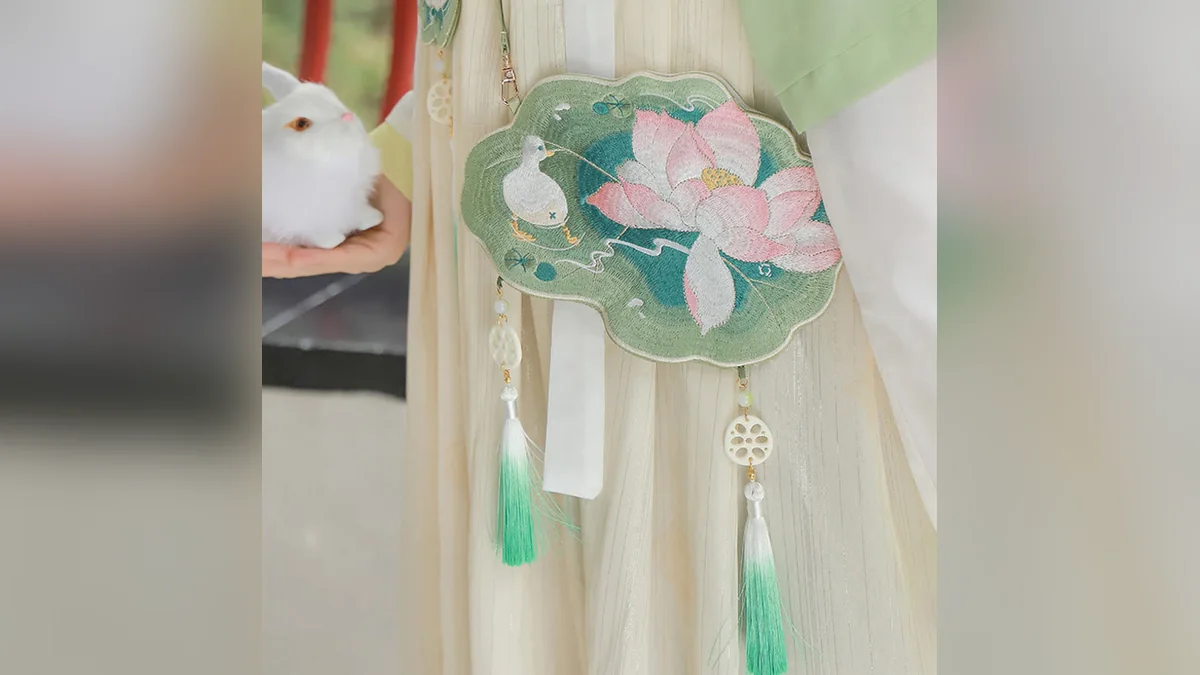
The Buddha Stones Embroidery Hanfu Bag is polyester. Some options are Koi Fish Flowers And Birds, Koi Fish Iris, Koi Fish Lotus, and Koi Fish Peony. Its strap length is 100-110cm, and its weight is 77.6g. The size entry applies to Summer Lotus: 22.3*16cm. The package contains one bag.
A polyester-acrylic shawl in six colors
The Buddha Stones Koi Fish Clouds Shawl contains 50% Polyester and 50% Acrylic. Its size is Approx. 130 cm × 150 cm / 51.2 in × 59.1 in. Color options are Black, CadetBlue, DarkOliveGreen, DimGray, Peru, and Tan. One shawl is included.
Golden sheen and black obsidian on elastic string
The Buddha Stones Obsidian Peace Buckle Koi Fish Bracelet combines Golden Sheen Obsidian, Black Obsidian, and Copper Alloy on elastic string. Wrist circumference is 5.9–6.3 in (15–16 cm), with Approx. 8mm beads. The package contains one bracelet. Natural stone can vary slightly in color, details, and overall appearance.
Hetian jade with an adjustable cord
The Buddha Stones Hand-Woven Koi Fish Fu Character Jade Bracelet has an adjustable cord and a wrist circumference of 5.9–8.3 in / 15–21 cm. Materials are String, Hetian Jade, Copper Alloy, and Copper Plated Gold Bead. Dark Red and Red options are available. One bracelet is included, and the jade may show slight differences in color, details, and overall appearance.
Finish with one careful inspection
Check the scales, cavity, and gill area once more before moving on to your recipe. A steady sequence makes the work easier to follow: prepare the surface, scale, gut, inspect, dry, and clean up.
Shop the story
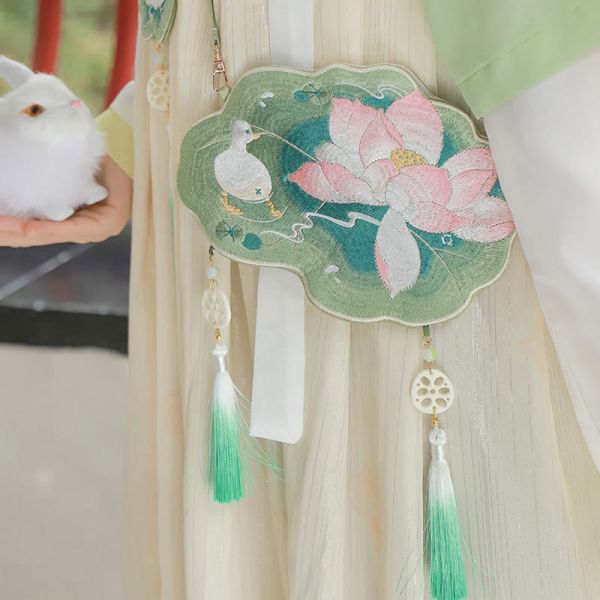 Buddha Stones Luck Embroidery Lotus Koi Fish Rabbit Flower Hanfu Bag Crossbody Bag Shoulder BagAs low as $29.59 Regular Price $39.45
 Buddha Stones Fall Winter Koi Fish Clouds Oriental Draped Soft ShawlAs low as $41.59 Regular Price $57.76
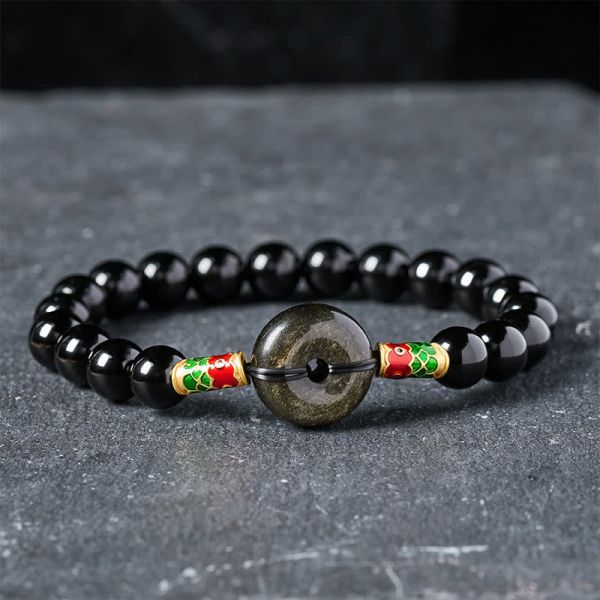 Buddha Stones Golden Sheen Obsidian Peace Buckle Black Obsidian Koi Fish Protection Round Bead BraceletSpecial Price $25.59 Regular Price $34.58
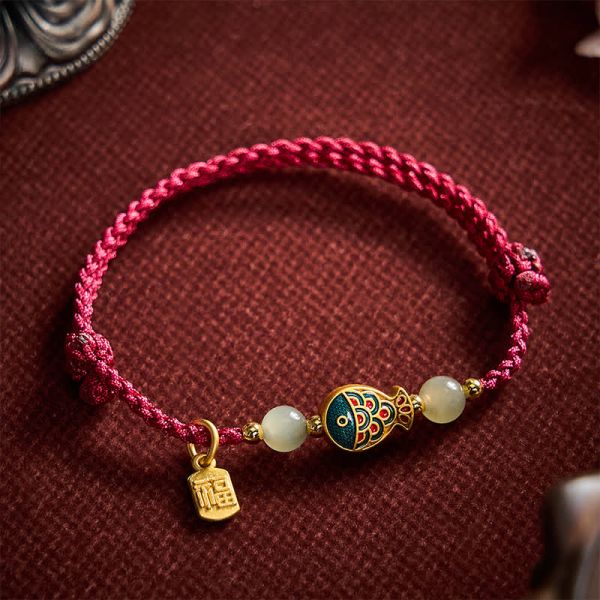 Buddha Stones Hand-Woven Koi Fish Fu Character Jade Beads Protection Rope BraceletAs low as $25.59 Regular Price $34.12