
How to Clean Chrysanthemum Flowers Without Damage
Clean chrysanthemum stems and leaves with a gentle rinse of cool water when they carry visible dirt. Learning how to clean chrysanthemum means identifying what needs attention, lifting away loose debris, rinsing only where necessary, and letting excess water drain before arranging the flowers. Fresh blooms, dried flowers, and chrysanthemum-patterned objects need different care. At Buddha Stones, we keep that distinction clear: a flower motif tells you about the design, while the material determines how you handle the object.
1. Choose how to clean chrysanthemum by its form
Start by separating fresh cut flowers from potted plants, dried blooms, and decorative objects. This guide focuses on fresh chrysanthemums intended for display, with separate pointers for the other forms. Do not apply a flower-rinsing routine to a fabric bag, metal ornament, or ceramic cup simply because it has a chrysanthemum design.
Check fresh flowers for dust, soil splashes, fallen leaves, and damaged petals. Look beneath the flower heads and along the stems. If a bloom is already clean, leave its petals alone. Extra handling can crease them, and a full wash is unnecessary when only the lower stem is dirty.
For dried chrysanthemums sold for tea, follow the preparation directions on the package. Do not use the steps for decorative flowers as food-preparation instructions. Keep dried display flowers separate from anything intended for drinking.
2. Prepare a clear washing area
Use a clean basin or sink, cool water, a clean pair of scissors, and a towel for catching drips. Clear away dishes and cleaning products before bringing the flowers over. A basin gives you more control than a strong running faucet, especially when the flower heads are large or densely packed.
Wash the vase separately and rinse away any detergent before filling it. Keep soap, household sprays, and polishing products off the flowers. Support the stems as you move the bunch so that the flower heads do not drag across the sink or work surface.
Divide a large bunch into smaller groups. You should be able to see the stems and turn them without pressing several blooms together. Leave any wrapping aside until you have checked for trapped leaves and loose debris.
3. Remove loose debris before adding water
Hold a stem gently below its flower head and turn it to inspect the bloom. Pick away loose leaves and obvious bits of plant debris with your fingers. Remove detached material caught between stems without pulling at the petals. Work from the outside where you can see what you are touching.
Remove damaged outer petals only when they come away easily. Do not dig into the center of a flower or pull apart a tight bloom to make it look cleaner. Cleaning should remove unwanted material while preserving the flower’s shape.
Take off leaves that would sit below the waterline in your vase. Use clean scissors if a leaf does not detach neatly. For a potted chrysanthemum, remove fallen debris from the soil surface separately; there is no need to uproot the plant or wash its roots for routine tidying.
4. Rinse dirty areas with gentle water flow
Direct a gentle stream of cool water along dirty stems and leaves, keeping the flower heads supported. Turn the stems so water reaches the affected surfaces. Avoid aiming a forceful spray into the centers of the blooms, where petals overlap and water can collect.
If a flower head has visible loose dirt, try a light rinse while holding it at an angle so the water runs away. Stop if the petals begin to bend or detach. Do not scrub them with a cloth or brush. Soil on a lower stem can usually be rinsed without wetting the entire flower.
Replace basin water when it becomes dirty. Do not keep moving clean stems through cloudy water. If a mark remains on a petal after gentle rinsing, leave it rather than escalating to detergent, hot water, or vigorous rubbing.
5. Drain the flowers and arrange them carefully
Hold the flowers over the basin and allow water to drip away. Rest the stems on a towel if needed, keeping the flower heads free from pressure. Do not rub petals dry or squeeze the blooms inside a towel.
Use clean scissors to refresh the cut ends before placing the stems in a clean vase with fresh water. Check the waterline again and remove any remaining submerged leaves. Give the flower heads room instead of forcing them tightly through a narrow opening.
Check the arrangement regularly for fallen leaves and deteriorating flowers. Replace dirty vase water and clean the container when residue develops. For potted plants, let rinsed foliage drain without leaving the pot standing in collected water. Routine attention to loose debris often makes another full rinse unnecessary.
Mistakes to avoid during chrysanthemum cleaning
- Washing every bloom automatically: Inspect first and clean only the areas that need it.
- Using household cleaners on petals: Keep flower care separate from cleaning the vase or work surface.
- Scrubbing between petals: Pulling apart a flower head can damage its shape without removing the mark.
- Packing wet blooms together: Allow dripping water to escape before making a dense arrangement.
- Wetting dried display flowers: Start with gentle dry dusting; soaking can alter their shape.
- Choosing care by the pattern: A chrysanthemum design does not identify the object’s material or washing requirements.
Chrysanthemum designs in our burners, bags, and teacups
Our product details distinguish materials, dimensions, and available options. The following chrysanthemum-themed objects belong to different product types; their specifications do not establish a shared cleaning method.
Alloy incense burner
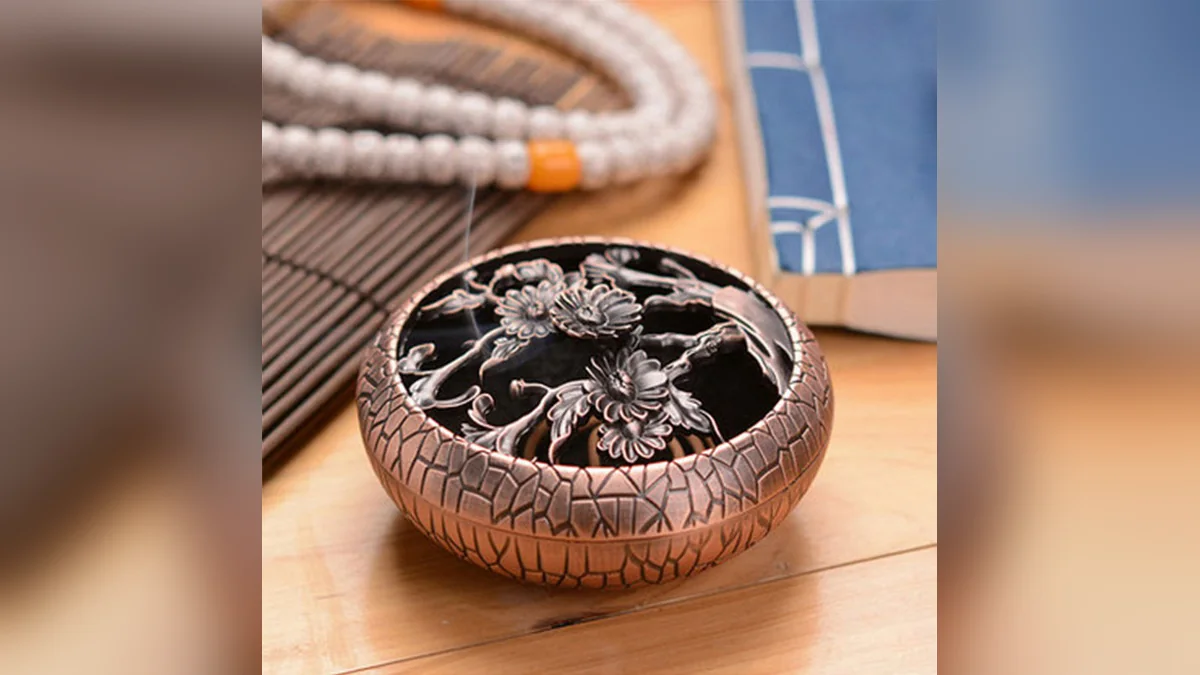
The Plum Flower Orchid Chrysanthemum Pattern Peace Incense Burner Decoration is an alloy decoration, ornament, and incense burner weighing 300g. Its options are Chrysanthemum, Orchid, and Plum Flower. The package contains one incense burner without incense.
Canvas and polyester shoulder bag
The Galsang floral embroidery canvas shoulder bag comes in a Phoenix Chrysanthemum option among its floral choices. Its materials are Canvas Fabric and Polyester, and its size is 36*9*34cm(Length*Width*Height). It has one main pocket, one interior pouch, a zipper closure, and nonadjustable straps. The bag weighs 245g; the package includes one bag.
Ceramic cups with four size options
The Vintage Lotus Peony Plum Blossom Chrysanthemum Ceramic Teacup has these size options: 5.8cm*4cm*65ml, 5.8cm*6.1cm*95ml, 7.5cm*5cm*140ml, and 7.8cm*5cm*120ml. The material is ceramic, with cup capacities spanning 65-140 milliliters.
Chrysanthemum kung fu tea cup
The Vintage Plum Orchid Bamboo Chrysanthemum Lotus Koi Fish Ceramic Teacup includes a Chrysanthemum option measuring 8.5cm*3.5cm*60ml. The cup is ceramic and holds 60 milliliters. Accessories pictured with the cup are for display and are excluded from the purchase.
Keep the routine simple: inspect, remove loose debris, rinse fresh flowers only where needed, and let water drain. When you decide how to clean chrysanthemum, first distinguish the flower itself from an object bearing its pattern. That first check keeps the next step appropriate to what you have.
Shop the story
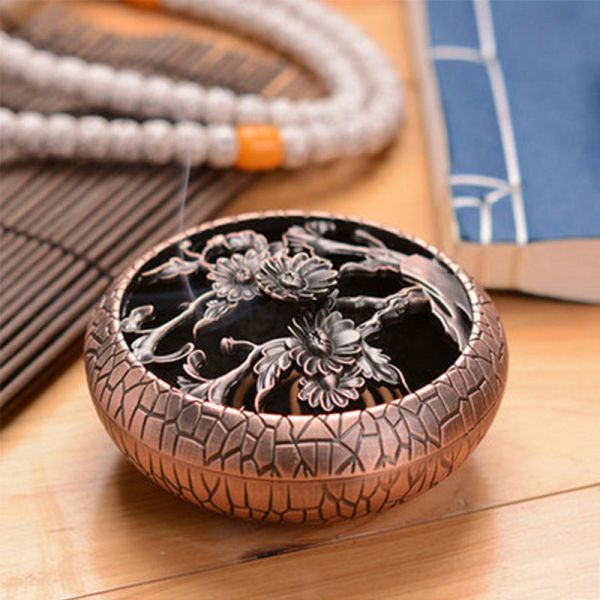 Plum Flower Orchid Chrysanthemum Pattern Peace Incense Burner DecorationAs low as $50.59 Regular Price $70.26
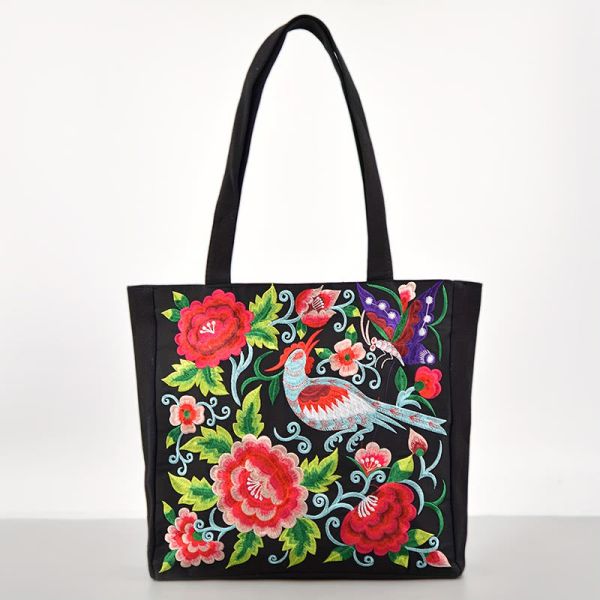 Buddha Stones Galsang Magpie Peony Camellia Chrysanthemum Embroidery Canvas Shopping Purse Handbag Shoulder BagAs low as $23.59 Regular Price $32.32
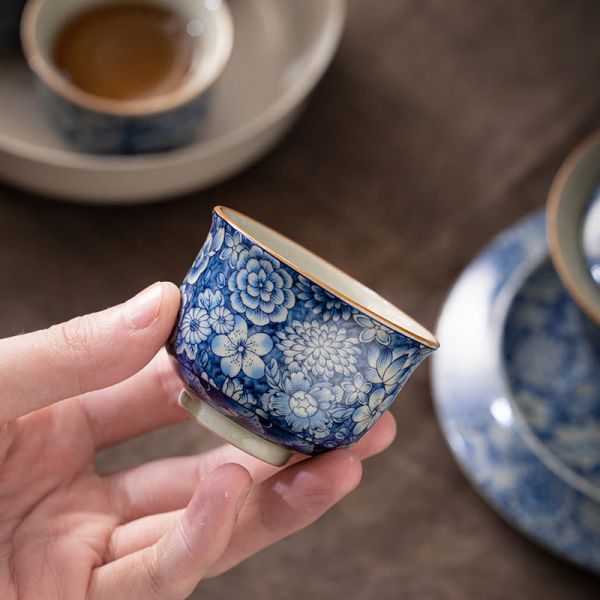 Buddha Stones Vintage Lotus Peony Plum Blossom Chrysanthemum Ceramic Teacup Tea CupsAs low as $21.59 Regular Price $29.58
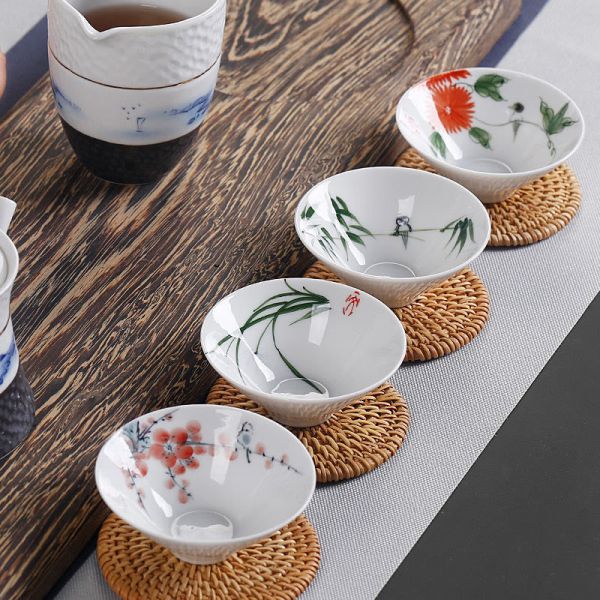 Buddha Stones Vintage Plum Orchid Bamboo Chrysanthemum Lotus Koi Fish Ceramic Teacup Kung Fu Tea CupsAs low as $21.59 Regular Price $30.41