
How to Clean Butterfly Bags: A Practical Care Manual
Dust often gathers along a bag's seams and around its closure. This guide explains how to clean butterfly bags: remove loose dirt, check the care instructions, treat marks only as permitted, and store the bag without straining its fabric or fittings. We focus on bags with butterfly patterns, including designs that combine fabric with metal, leather, or ceramic accessories. A butterfly motif does not determine the cleaning method; the construction and care directions do.
Start with a dry inspection. If a label prohibits washing, follow that restriction. When instructions are missing, keep routine care dry and ask a professional bag cleaner about persistent stains.
Tools and materials for controlled cleaning
Prepare a clear surface covered with a clean towel. Good lighting helps you distinguish loose dust from a worn patch before you start rubbing.
- White, lint-free cloths: Keep one for fabric and another for fittings so dirt does not move between surfaces.
- A soft brush: Choose clean, flexible bristles for loose dust. Skip brushing wherever threads are raised or fabric is fraying.
- Plain white tissue: Use a loose amount to support an empty bag during storage, without stretching it.
- Optional cleaning supplies: Set out water or a suitable fabric cleaner only if the bag's care directions permit their use.
A product's fiber content alone does not establish that the finished bag is washable. Dyes, trim, lining, and attached fittings can require different handling. Keep household stain removers out of the routine unless the care instructions specifically approve them.
How to clean butterfly bags, step by step
- Empty and open the bag. Remove the contents and check accessible pockets. Open zippers or buckles gently. Hold the bag over a clean surface and tip out loose debris without shaking it forcefully or pulling the lining outward.
- Inspect the construction. Look at strap attachments, seams, closures, and decorated areas. Identify loose threads, lifted edges, cracked trim, or an unstable fitting before cleaning. Set aside a bag with damage that could worsen under handling.
- Lift loose surface dirt. Support the fabric from underneath. Use light strokes with the dry cloth or soft brush, moving dust away from seams. Work around raised decoration instead of dragging bristles across it. Do not dig into stitching with a pointed tool.
- Assess the mark. For a fresh spill, blot gently with a dry white cloth; do not spread it by wiping. For dried residue, lift only material that releases without resistance. Leave an unidentified, oily, or embedded stain for a professional assessment.
- Test any permitted damp treatment. Follow the label's method on a concealed area first, keeping moisture away from adjacent trim. Let the test area dry completely. Stop if color transfers, a ring appears, or the surface changes. A successful test does not authorize soaking the bag.
- Treat locally, if allowed. Use the smallest amount of moisture needed and blot rather than scrub. Follow the approved cleaner's directions for removing residue. Never assume a product intended for plain fabric is suitable for leather, metal, or decorated sections.
- Finish and inspect again. If moisture was permitted and used, leave the bag open in a shaded, ventilated place until fully dry. Support its shape without packing it tightly. Check the closure and strap attachments before returning the contents.
For routine use, keep pens capped and liquids inside a separate closed pouch. Avoid filling the bag until its closure needs force. Before putting it away, remove crumbs and check for dampness; a short inspection is easier than dealing with dirt pressed into a seam.
What not to do around fabric and fittings
Do not default to machine washing or immersion. A fabric exterior can be attached to parts that respond differently to water. Cleaning the whole bag as though it were an undecorated cotton cloth can damage its shape or finish.
- Do not use bleach, abrasive powders, or stiff scrubbing brushes.
- Do not apply alcohol, perfume, or household disinfectant as a stain treatment.
- Do not use jewelry polish on bag hardware when its finish is unknown.
- Do not press patterned or decorated areas with an iron to flatten them.
- Do not speed drying with a hair dryer, radiator, or direct sunlight.
- Do not pull a snagged thread or force a sticking zipper or buckle.
Keep metal straps from dragging over fabric while you work. Avoid letting cleaner collect around a fitting or seam, where residue can be difficult to remove.
When to repair, replace, or retire a bag
Fading or a small surface mark does not automatically require replacement. First decide whether the bag still holds its contents securely and opens and closes without force.
Pause use if a strap attachment is separating, a seam is opening, or a fitting has a sharp edge. A repair professional can assess whether stitching or hardware can be repaired without damaging nearby material. Cleaning cannot restore a failed attachment.
Retire the bag from carrying duties if it can no longer hold contents securely or cannot be repaired reliably. Avoid donating a damaged bag as ready to use; describe its condition accurately if offering it for repair or material reuse.
Our butterfly bag designs and their care details
Embroidered butterfly and lotus option
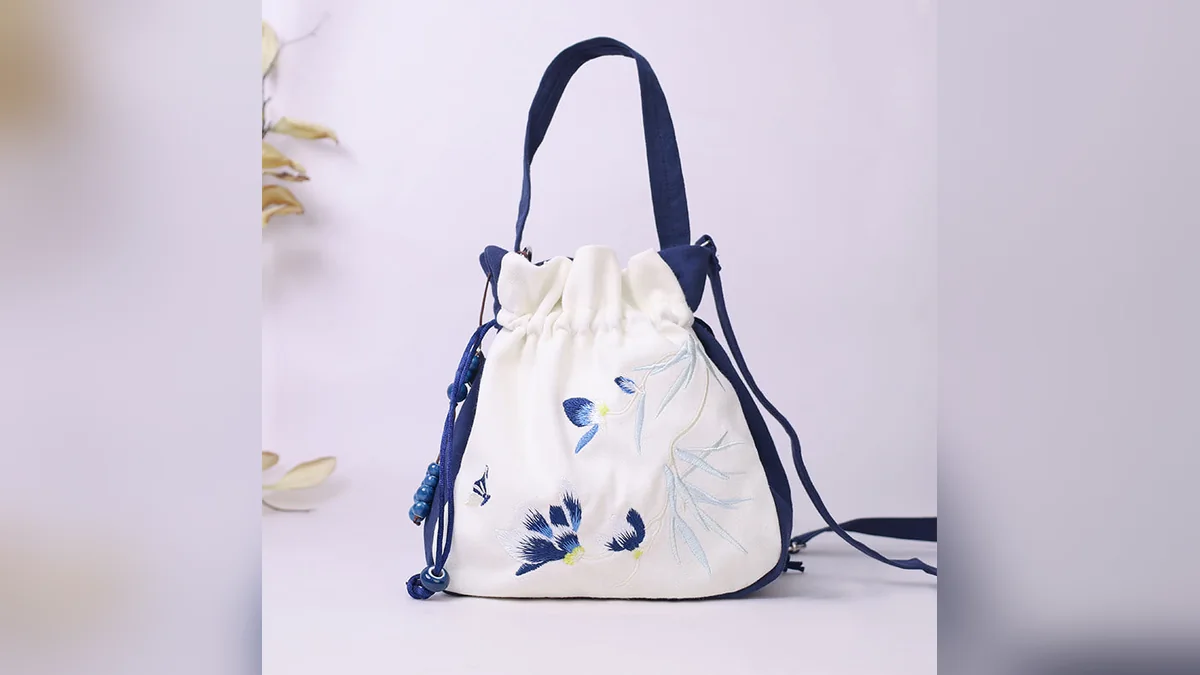
Our Embroidered Butterfly Lotus Magnolia Bag uses cotton linen fabric with ceramic bead accessories. Light Blue Butterfly Lotus is one available option. The size is 20*20*7cm, with an adjustable strap and a stated shoulder strap length of 130cm. Its main pocket and back zipper pocket give you two areas to check for debris. Handle attached accessories gently during dry dust removal.
Vintage butterfly shoulder bag option
The Vintage Bamboo Magpie Peony Butterfly Shoulder Bag comes in a Dark Purple Butterfly option. Materials include cotton linen, cotton, polyester, leather, metal, and tassels, with polyester lining. It has a buckle closure and a non-adjustable strap. Its supplied maintenance directions prohibit washing, bleaching, and ironing. Keep its routine to careful dry dust removal, and refer stains requiring further treatment to a professional.
Small peony and butterfly chain bag
The Small Green Peony Butterfly Metal Chain Bag combines polyester, cotton, and metal, including a metal chain strap; the lining is cotton. Its size is 20*16*4cm(Width*Height*Thickness), and its non-adjustable chain strap is 110cm long. The maintenance directions say not to wash, bleach, or iron it. Rest the chain beside the bag during inspection rather than pulling it across the fabric.
Triangle bag with a butterfly flower option
The Flowers Letters Butterfly Geometry Print Triangle Shoulder Bag includes White Red Butterfly Flower among its options. Cotton fabric, polyester, leather, and metal are the stated materials. It measures 58*52cm and has one main pocket, a non-adjustable strap, and a buckle closure. Support the fabric as you remove loose dust, and check any attached care instructions before considering a damp treatment.
Put the bag away ready for its next use
Store the empty, dry bag without folding decorated areas sharply. Add loose white tissue if it needs shape support, and position the strap so it does not pull on its attachments. Leave room around the bag instead of compressing it beneath other belongings. At Buddha Stones, we recommend letting the care directions guide treatment and addressing wear before it becomes structural damage.
Shop the story
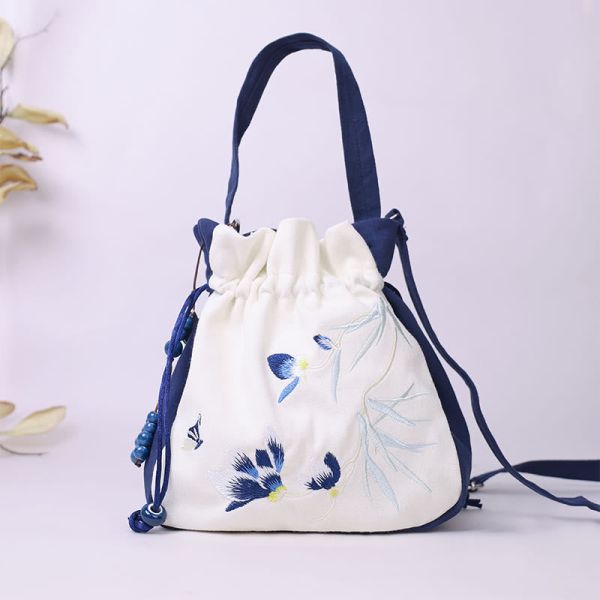 Buddha Stones Embroidered Butterfly Lotus Magnolia Cotton Linen Tote Crossbody Bag Shoulder Bag HandbagAs low as $25.59 Regular Price $35.05
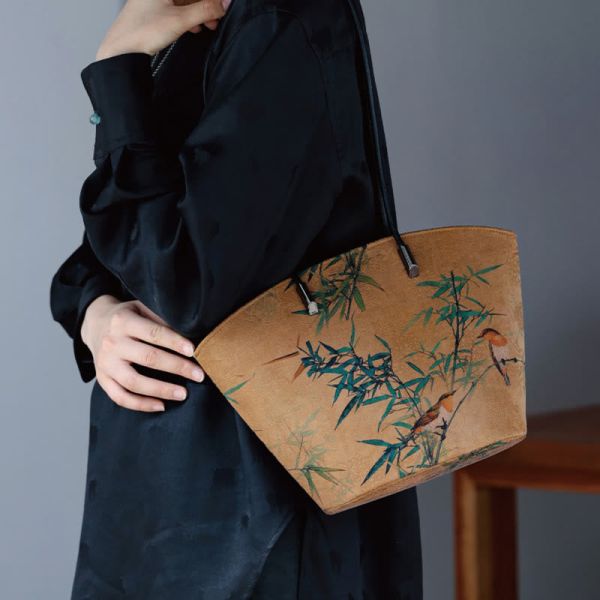 Buddha Stones Vintage Bamboo Magpie Peony Butterfly Large Capacity Shoulder Bag HandbagAs low as $189.59 Regular Price $263.32
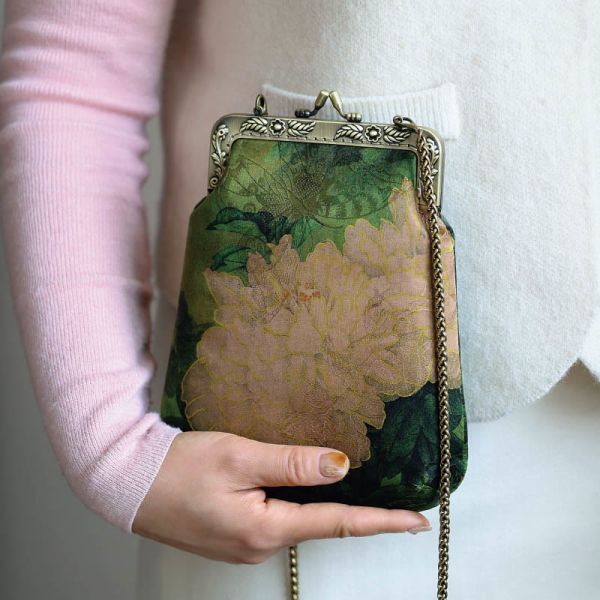 Buddha Stones Small Green Peony Butterfly Metal Chain Crossbody Bag Shoulder Bag Cellphone BagSpecial Price $79.59 Regular Price $112.10
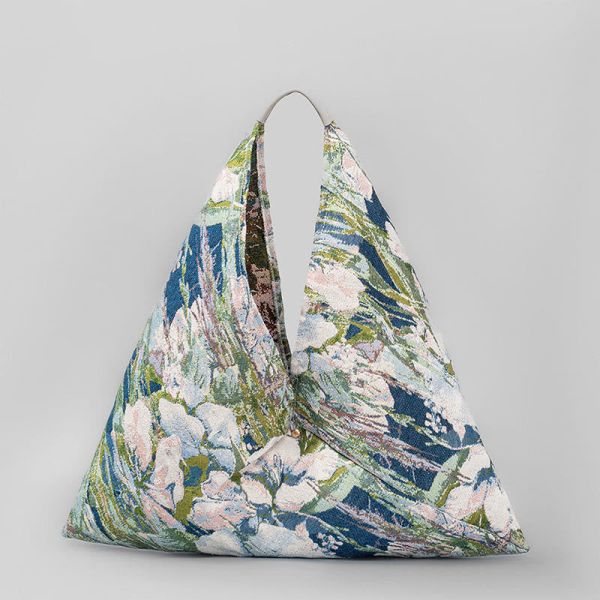 Buddha Stones Flowers Letters Butterfly Geometry Print Underarm Triangle Shoulder BagAs low as $36.59 Regular Price $49.45