
Hoop Earring Guide: Daily Wear, Cleaning, and Care
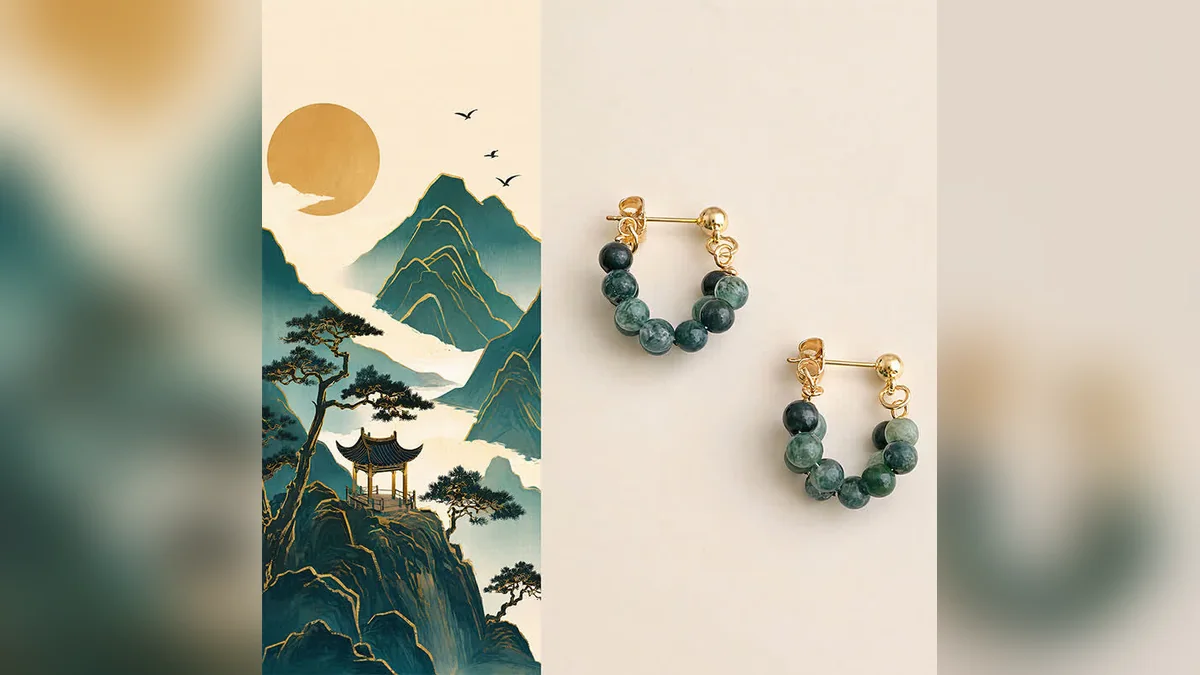
Hoop earrings can collect traces of hair products around their posts and edges. This hoop earring guide explains how to check a pair before wearing it, handle its closure, remove surface residue, and recognize damage that calls for repair or retirement. At Buddha Stones, we recommend starting with the materials and measurements on the product page, then choosing a care method that suits the whole earring. A post, decorative front, and attached beads may need different handling, even when they belong to the same design.
Gather a small care kit and check the materials
Set up on a clear table with good light. Cover the surface with a clean towel so a loose back cannot roll away. Work away from an open sink, and keep earrings out of reach of household cleaners.
- A clean, lint-free cloth: Choose an untreated cloth for ordinary wiping. Keep a second dry section available for finishing.
- A small dish: Use it to hold removable backs while you work.
- Plain water: If surface residue needs more than dry wiping, barely dampen a corner of the cloth. Do not prepare a soaking bath.
- A divided jewelry box or separate pouches: Give earrings enough room that their posts and decorative parts are not pressed together.
Check the stated materials before choosing any additional cleaner. A product described with copper posts does not establish the composition of every visible metal part. Likewise, a silver post does not make the entire earring silver. If a finish, attachment method, or component is unspecified, keep routine care gentle and ask a jeweler about stubborn marks.
Your hoop earring guide: a repeatable routine
- Inspect before opening. Hold the earring over the towel and look at the post, closure, joins, and decorative parts. Check for a bent section, a gap that seems uneven, a loose bead, or a sharp edge. Put a questionable piece aside before trying to wear it.
- Identify how the closure works. Hoop styles can use different fastenings, so inspect yours rather than pulling at random. Support the part beside the fastening while you open it. If you cannot tell how it releases, stop before bending anything. Do not assume a design has a hinge or latch from its name alone.
- Finish dressing first. Apply hair products and fragrance before putting on earrings, and let those products dry. Check whether a scarf, high collar, or loose knit could catch the hoop. Leave earrings off during activities where they might snag or be struck.
- Put them on without pulling the decoration. Use a mirror and support the earring near its post or fastening. Guide the post gently and secure the closure according to its design. If it will not align, remove the piece and inspect it instead of forcing it into place.
- Check the fastening once. Confirm visually that the back or closure is seated. Make sure attached parts hang freely and are not caught in clothing. Repeatedly opening and closing a fastening to test it adds handling without resolving an alignment problem.
- Remove before washing or sleeping. Open the fastening while supporting the earring, then place it on the towel. Avoid tugging a hoop downward or using its beads as a handle. Keep removable backs in the dish until the pair is ready for storage.
- Wipe and put away. Begin with the dry cloth, using light strokes and supporting attached details from underneath. For accessible surface residue, use the barely damp corner without wetting joints or openings. Finish with the dry section and allow any remaining moisture to dry before closing the storage box.
Use visible residue as your cue for extra attention. There is no need to polish every surface after every wear. If a mark remains after gentle wiping, stop and identify what it is before choosing another method.
Habits and cleaning shortcuts to avoid
Do not soak an assembled earring because one of its materials seems suitable for water. Beads, shell, metal parts, and their connections need to be considered together. A material description alone does not confirm that an assembled earring can be immersed.
- Skip toothpaste, baking soda scrubs, scouring pads, and stiff brushes. Abrasive cleaning can mark a finish or decorative surface.
- Do not use vinegar, lemon juice, metal dips, or household cleaners as a general solution for mixed materials.
- Avoid steam and ultrasonic cleaning unless suitability has been confirmed for the complete piece.
- Keep pliers away from a misaligned post or fastening. Repeated bending can weaken a small metal part.
- Do not pile earrings into a crowded compartment or close a box lid against an upright post.
When a piece needs repair or retirement
Set an earring aside if its closure no longer holds reliably. A missing back, persistent misalignment, moving attachment, or cracked decorative part needs attention before further wear. Keep loose components together in a labeled pouch so a jeweler can assess the complete assembly.
A surface color change alone does not tell you whether a piece needs replacing. Inspect the structure as well as the appearance. Chips that leave sharp edges, a split post, or a fastening that repeatedly fails are reasons to stop using it. If a suitable repair is unavailable, retire the earring from wear. Do not pass a damaged piece along as ready to use.
Our earring products: materials and measurements
Use these specifications to plan handling and compare dimensions. Measurements do not establish weight or closure type.
Indian agate and copper posts
Our Indian Agate Copper Hoop Earrings have Indian Agate and Copper Posts, with an earring size of Approx. 4.9 × 1.8 cm. The length runs from the top of the hook or post to the bottom of the pendant. Natural Indian Agate may vary slightly in color, details, and overall appearance.
Agate, jasper, and shell
The Multicolor Agate, Blue Spot Jasper, and Shell Earrings combine Agate, Blue Spot Jasper, Shell, and Copper Posts. Their earring size is Approx. 2.7 × 2.4 cm, with length measured from the top of the hook or post to the pendant bottom. Natural material variations can affect color, details, and overall appearance.
Black onyx and tiger eye
The Black Onyx Tiger Eye Hoop Earrings use Black Onyx, Tiger Eye, and Copper Posts. Their earring size is Approx. 3.6 × 3.2 cm. Slight differences in color, details, and overall appearance may occur because of the natural materials. The word Protection in the full name refers to a traditional wish. The earrings cannot guarantee protection.
Koi fish earrings with silver posts
Our Copper Koi Fish Sterling Silver Post Earrings use Copper Alloy and 925 Sterling Silver Posts. Their earring size is Approx. 16.2mm X 6.8mm. The sizing guidance concerns the stud front, measured across its widest point. Keep that measurement separate from the hanging lengths above when comparing designs.
Leave the next wear easy to prepare for
Return an inspected, dry pair to its own space, with removable backs kept together. Leave anything awaiting repair apart from ready-to-wear jewelry. We suggest keeping the product material details with your care supplies so you can check them before changing cleaners. A short inspection and gentle handling give you a practical routine to return to whenever your earrings come out of their box.
Shop the story
 Buddha Stones Indian Agate Copper Handmade Cleansing Hoop EarringsSpecial Price $25.59 Regular Price $35.54
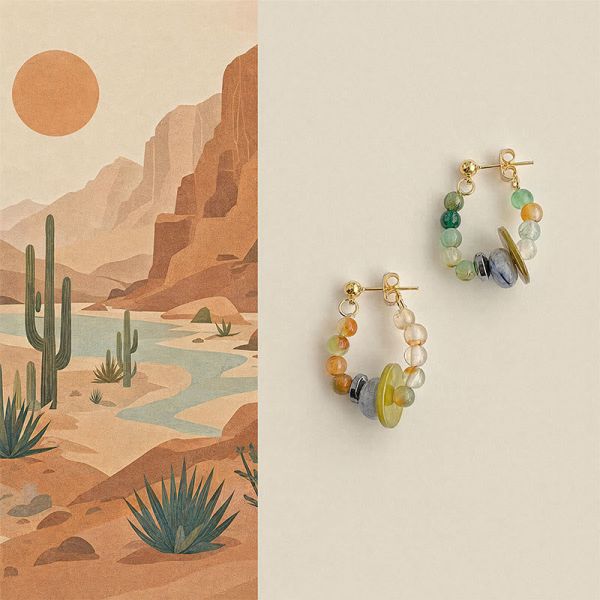 Buddha Stones Multicolor Agate Blue Spot Jasper Shell Geometric Beaded Peace EarringsSpecial Price $25.59 Regular Price $35.54
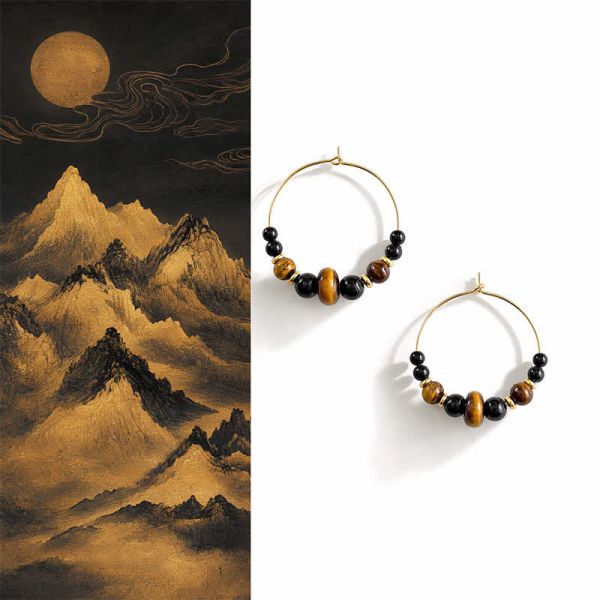 Buddha Stones Black Onyx Tiger Eye Protection Hoop EarringsSpecial Price $25.59 Regular Price $34.12
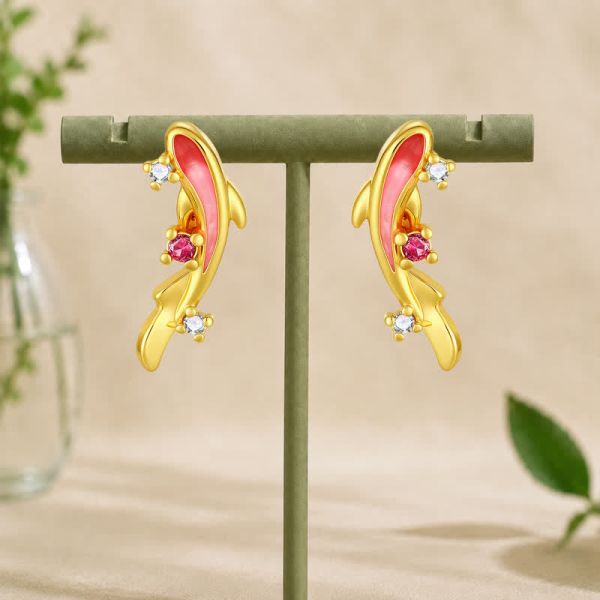 Buddha Stones Copper Koi Fish Success 925 Sterling Silver Post EarringsSpecial Price $25.59 Regular Price $35.54