
Home Decor Figurines Guide: Arrange a Thoughtful Space
A figurine stands toward the back of a clear shelf, leaving room in front for its outline to be seen. A hanging decoration occupies the wall beside it without touching the cabinet below. This home decor figurines guide explains how to build that kind of arrangement: choose a suitable surface, check dimensions, secure hanging pieces, and leave room for ordinary household use. Traditional placement often gives sacred figures a clean, raised position treated with respect, although customs differ. At Buddha Stones, we encourage you to consider an object's cultural context alongside its place in your room.
Home decor figurines guide: Step 1, choose your display area
Choose one display area before selecting objects. A sideboard, bookcase shelf, or section of wall gives you a defined space to work with. Decide what still needs to happen there: a hallway cabinet might hold keys, while a dining room sideboard may need space for serving dishes.
Keep that working area separate from the display. A figure should not need moving whenever you open a cupboard or set something down. For a sacred image, choose a position where it will receive respectful treatment. If you follow a particular religious tradition, let that practice guide the choice of location.
Step 2: Measure the surface and the space around it
Record the usable width and depth of your shelf, then check the height to the shelf above. For a wall decoration, measure the full drop from the proposed attachment point. Include the space that fabric or feathers will occupy below the central design.
Mark the proposed outline with removable paper before committing to the arrangement. This helps you judge scale without assuming that an online photograph represents actual size. Leave enough clearance for doors, drawers, curtains, and nearby switches. A long hanging piece needs an uninterrupted vertical space; a tabletop figure needs a stable base with room around its edges.
Step 3: Position one focal object, then add a companion
Start with the figure or hanging piece you want to notice first. Place it where its outline remains readable against the background. A busy patterned wall may compete with a detailed object; an open section of shelf can give the same object a clearer setting.
Add a second element only after the first has a settled position. Compare height, shape, and color rather than trying to fill every gap. A vertical hanging decoration can sit beside a horizontal cabinet display without being directly above it. Keep small figures visible from the room's usual viewing position, and avoid crowding their bases with unrelated household items.
Step 4: Secure the arrangement and preserve access
Match wall fixings to your wall type and the object's actual weight. Do not infer a safe load from an item's appearance or dimensions. Check any supplied hanging point and follow the instructions for the fixing you choose. If weight or installation details are unavailable, obtain those details before mounting.
Place freestanding objects away from shelf edges and unstable stacks of books. Keep trailing fabric clear of walkways and beyond the reach of children and pets. Leave space around outlets and keep decorative textiles and feathers away from candles, incense, radiators, and cooking areas. A display should remain easy to reach for inspection and dusting.
Common mistakes to catch before finishing
- Buying from a photograph alone. Compare stated dimensions with the space you measured, including the full hanging length.
- Using an everyday storage spot for a fragile arrangement. Leave keys, bags, and frequently handled objects their own space.
- Hanging decor across a moving door. Check the complete opening movement before choosing the attachment point.
- Assigning one placement rule to different traditions. A decorative arrangement does not establish a shared religious meaning for its contents.
- Filling the shelf to its edges. Preserve enough access to lift an object without knocking its neighbor.
- Ignoring a loose fixing. Take the hanging piece down while you resolve the attachment problem.
Products to match with your planned display
Our home decor selection includes freestanding and hanging formats. The following details help you compare the space these particular designs require. Choose according to the location you have prepared and the traditions you want to acknowledge.
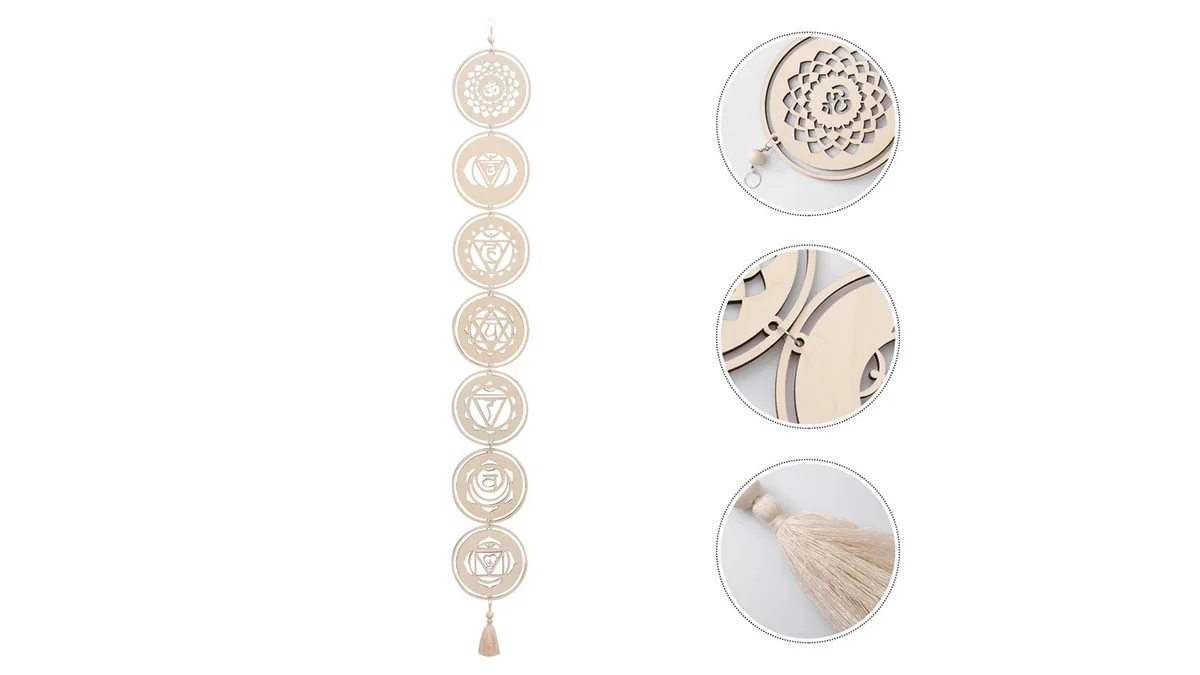
The Buddha Stones Chakra Balancing Wall Hanger Home Decor is wood, with a Circle - 7 Chakra pattern. Its width is about 5.85in (15cm), and its length is about 46.8in (120cm). Use the full length when planning its position beside furniture or beneath an existing wall feature.
For a shelf arrangement, the Buddha Stones Tibetan Ganpati FengShui Decoration is resin and measures 8*6*12.5cm. Compare those dimensions with your available surface and overhead clearance. Keep its place within the arrangement respectful of the religious figure it represents.
The Buddha Stones Tibetan Lucky Blessing 5 Colors Khata Decoration is polyester, measures 240cm*43cm, and weighs 70g. Color options are Blue, Green, Red, White, and Yellow. These are choices, so select the color you intend to display. Khatas are ceremonial scarves in Tibetan Buddhist traditions; consider that context before using one decoratively. Lucky and Blessing express traditional wishes in the name. There is no guarantee that those wishes will be fulfilled.
The Yin Yang Dream Catcher Circular Net with Feathers Balance Decoration combines feathers, wooden beads, polyester thread, and a metal circle. Options are #1 and #2. Its dimensions are Total 19" long, Circle Diameter 5.9", Feather 3.9-5.5inch. The product information identifies it as handicraft and notes that minor defects are inevitable. Leave enough clearance for the feathers to hang without brushing against nearby furniture.
FAQ
Can I display objects from different traditions together?
You can arrange objects in a shared room while acknowledging their distinct contexts. Do not describe the grouping as a traditional religious setup unless it follows the practice concerned. If a figure or ceremonial textile has a devotional role for you, give that role priority over matching colors or achieving a symmetrical shelf.
Does a figurine need to face a particular direction?
There is no single compass direction that applies to every decorative figure. Specific customs can vary with the figure and the household's practice. For an ordinary decorative arrangement, prioritize a stable surface, a clear view, and respectful handling. For devotional placement, consult guidance within the tradition you follow.
How do I keep the arrangement easy to maintain?
Leave access around the bases and beneath hanging details so you can inspect the display without dismantling it. Follow any care instructions supplied for the particular object and its materials. Check attachments periodically and after furniture moves. Return an item to its place only when the surface and support are ready for it.
Shop the story
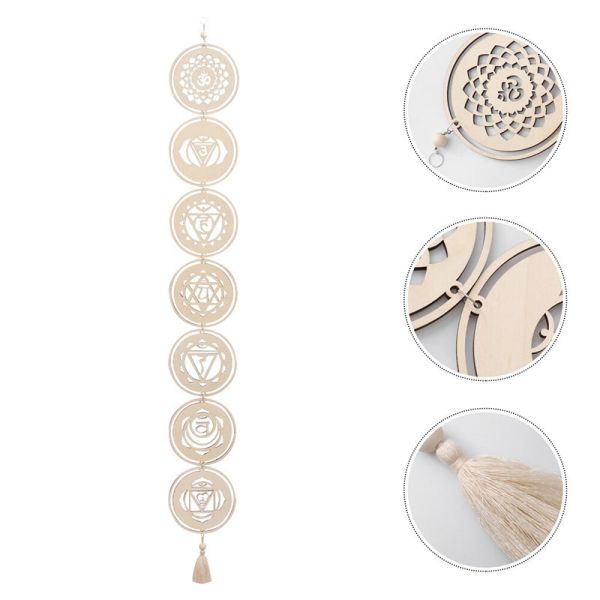 Buddha Stones Chakra Balancing Wall Hanger Home DecorSpecial Price $49.59 Regular Price $66.12
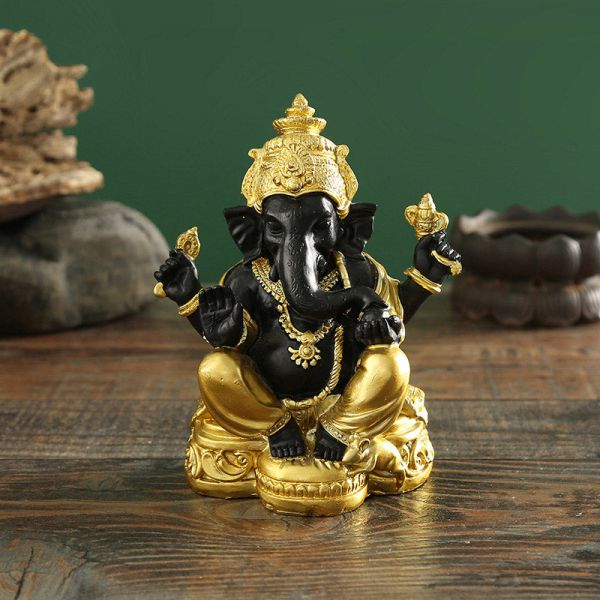 Buddha Stones Tibetan Ganpati FengShui DecorationSpecial Price $30.59 Regular Price $40.79
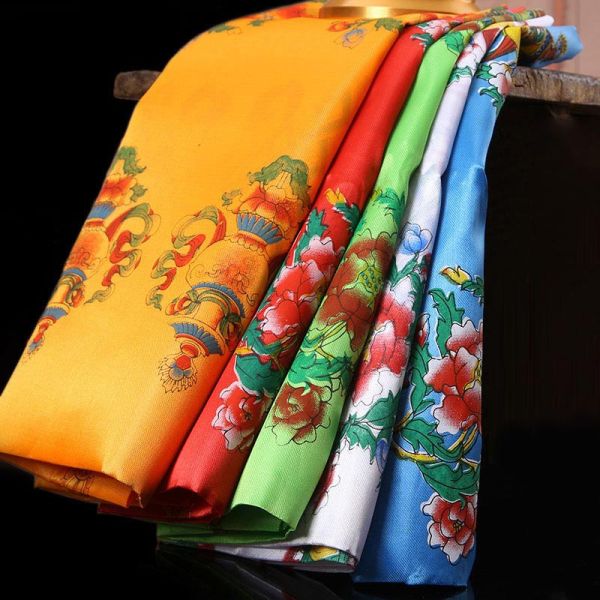 Buddha Stones Tibetan Lucky Blessing 5 Colors Khata DecorationAs low as $19.59 Regular Price $26.12
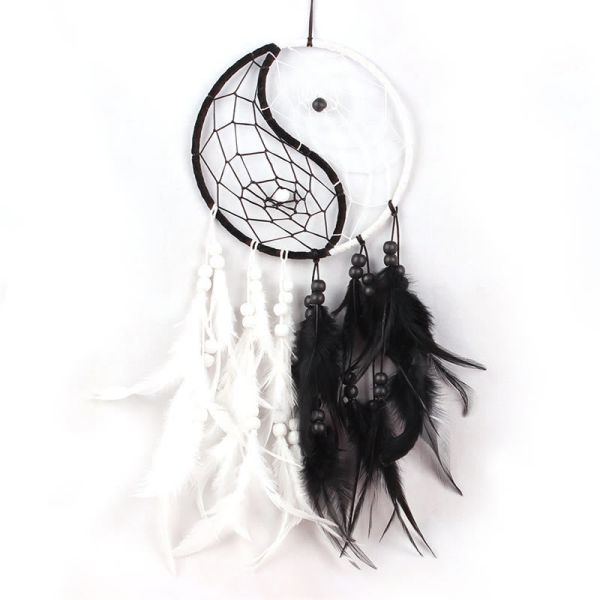 Yin Yang Dream Catcher Circular Net with Feathers Balance DecorationAs low as $25.59 Regular Price $33.23