
Hetian Jade Care: A Practical Wear and Cleaning Manual
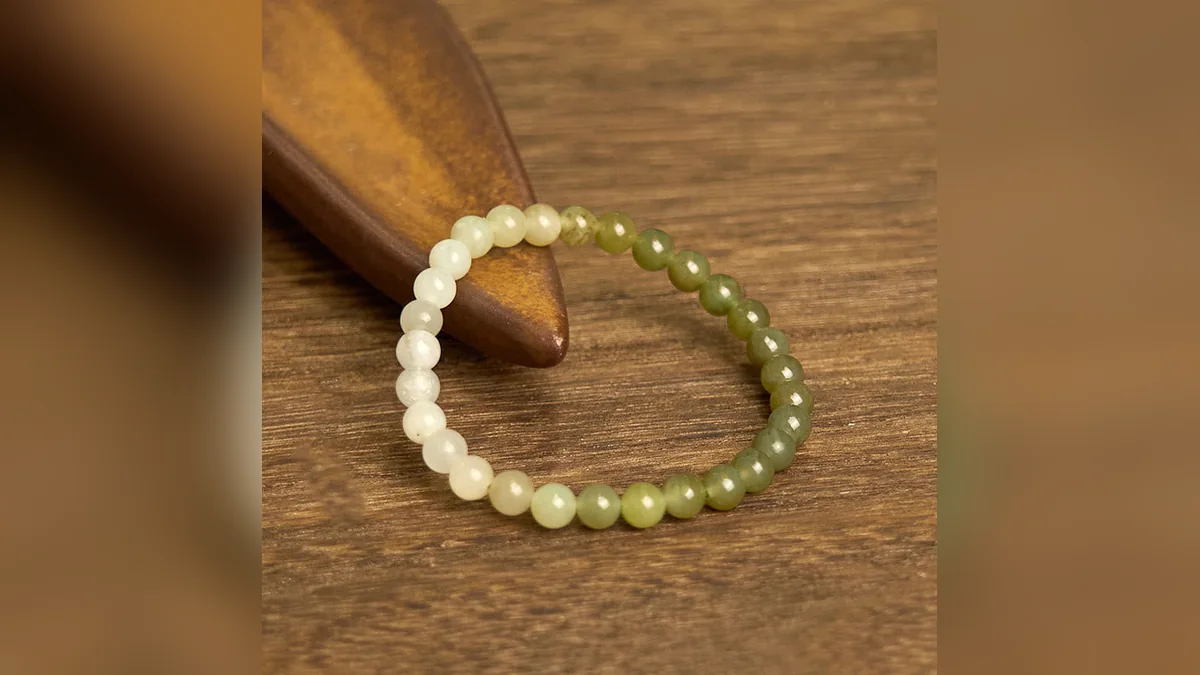
A bracelet can collect lotion and dust between its beads during ordinary wear. Hetian jade care means removing that residue gently, drying the whole bracelet, and checking the string and fittings before wearing it again. Here, we explain the tools to use, a cleaning routine, habits to avoid, and signs that a piece needs repair or retirement.
Start with the complete bracelet, rather than the jade alone. Metal details, pearls, elastic string, and adjustable cords need consideration too. At Buddha Stones, we recommend choosing a cleaning method that suits the materials present in your particular piece.
Tools and materials for Hetian jade care
Prepare a clean, padded surface away from the edge of a counter. A folded towel gives small beads somewhere to land if a string breaks during inspection. Work in good light so you can see residue around bead holes and check the cord without pulling it tight.
- Two soft, clean cloths: Use one barely damp for wiping and keep the other dry. Choose cloths without rough seams or embedded grit.
- A small container of lukewarm water: Use it to dampen the cloth, rather than to soak the bracelet.
- A separate storage pouch or lined compartment: Give the bracelet its own space so loose jewelry cannot knock against it.
Plain water on a cloth is a useful starting point for light surface dirt. If residue remains, check the maker's instructions before adding a cleaner, especially when finishes or treatments are unknown. A household cleaning product does not become suitable for jewelry simply because it is labeled gentle.
A step-by-step routine from removal to storage
- Remove the bracelet carefully. Ease an elastic bracelet over your hand with as little stretching as practical. For an adjustable cord, loosen the adjustment before taking it off. Avoid pulling on a decorative element to move the bracelet.
- Inspect before wiping. Lay the bracelet on the towel. Look for a newly chipped edge, loose fitting, frayed cord, or elastic that stays stretched. Stop if a bead is broken or the string appears close to failing; cleaning can wait until the piece is secure.
- Wipe the exposed surfaces. Dampen a cloth and wring it out until it cannot drip. Support a bead between your fingers and wipe gently, turning the bracelet a little at a time. Use a clean section of cloth as dirt transfers onto it.
- Work around joins without forcing them. Fold the cloth to reach between beads, but do not stretch the bracelet to create gaps. Do not push a needle into a bead hole or scrape around metal details. Leave stubborn deposits for a jeweler to assess.
- Dry the bracelet thoroughly. Blot visible moisture with the second cloth, then lay the bracelet flat on a dry towel in a shaded, ventilated place. Give damp cord and spaces between beads time to dry before putting the piece away.
- Check and store. Once dry, check that the adjustment works normally and that the string has no visible damage. Place the bracelet in its own pouch or compartment without tension on the band. Keep its product information nearby for future repairs.
After ordinary wear, a dry wipe may be enough; use the damp-cloth steps when there is visible residue. Clean according to condition instead of following an aggressive daily washing schedule. If the bracelet gets wet accidentally, remove it, blot it, and let it dry before storage.
What not to do while cleaning or wearing jade
Do not soak a mixed-material bracelet. The cleaning needs of jade do not automatically apply to its cord, metal, or other beads. Avoid showering, swimming, dishwashing, and household cleaning while wearing it. Put it on after lotion, perfume, and similar products have dried.
Skip steam cleaners, ultrasonic machines, boiling water, and sudden changes between hot and cold water. Do not speed up drying with a hair dryer, radiator, or direct sun. Keep bleach, abrasive powders, toothpaste, and metal polishing compounds away from the assembled bracelet.
Do not add oil or wax as a routine shine treatment. If the surface looks dull after a careful wipe, investigate the cause instead of coating it. Avoid twisting a cord, repeatedly stretching elastic to test it, or letting beads strike a countertop. Remove the bracelet before sleep, lifting weights, or tasks where it could catch or receive a hard knock.
When to repair, replace, or retire a piece
A string problem does not necessarily mean the beads must be discarded. Stop wearing a bracelet if elastic remains loose, a cord develops broken fibers, or an adjustment slips unexpectedly. A jeweler familiar with bead stringing can assess whether restringing or a replacement cord is appropriate.
A new sharp chip, a loose component, or a crack that has visibly changed also calls for inspection. Do not glue a broken bead back into a wearable bracelet or file an edge at home. Keep any loose parts together in a small container and bring the product details when requesting repair.
Color differences alone are not a reason to retire a piece; some product descriptions allow for natural variation. Compare a suspected change with an earlier photograph if available. When repair cannot provide a secure wearable piece, retire it from wear. You can keep it as a personal object in a closed box without continuing to strain its damaged parts.
Our bracelet options and their care details
These examples show why it helps to check the full material description before cleaning. Words such as Luck and Abundance in product names express traditional wishes. They do not guarantee good fortune, prosperity, or another result.
A gradient of Hetian jade beads
Our Hetian Jade Gradient Color Abundance Bracelet combines Hetian jade beads in a smooth color gradient. Its specifications give 6mm beads, Premium Elastic String, and a wrist circumference of 14-16cm. Include the elastic in your inspection and avoid stretching the band to clean between beads.
Green jade, red agate, and copper alloy
The Spinach Green Hetian Jade Red Agate Luck Bracelet contains Hetian Jade, Red Agate, and Copper Alloy. It has 6mm beads and Premium Elastic String. Wipe around the metal gently and dry the joins carefully; avoid applying metal polish to the assembled bracelet.
Jade and copper on an adjustable cord
Our Hetian Jade Fu Character Copper Cat Red String Bracelet has an Adjustable Cord, with String, Jade, and Copper specified as its materials. Loosen the cord before removal, keep washing water away from it, and check for fraying around the adjustment.
A gradient bracelet that includes pearl
The Natural Hetian Jade Luck Gradient Round Bead Bracelet combines Hetian Jade, Red Agate, Amethyst, and Pearl on Premium Elastic String. The pearl makes abrasive cleaning particularly unsuitable. Use gentle cloth wiping, avoid immersion, and allow the string to dry before storage.
Keep the routine gentle and consistent
Good Hetian jade care is a short cycle: inspect, wipe when needed, dry, and store without pressure on the band. Leave repairs to someone equipped to handle the damaged part. Paying attention to the cord and fittings alongside the beads gives you a practical basis for deciding when the bracelet is ready to wear again.
Shop the story
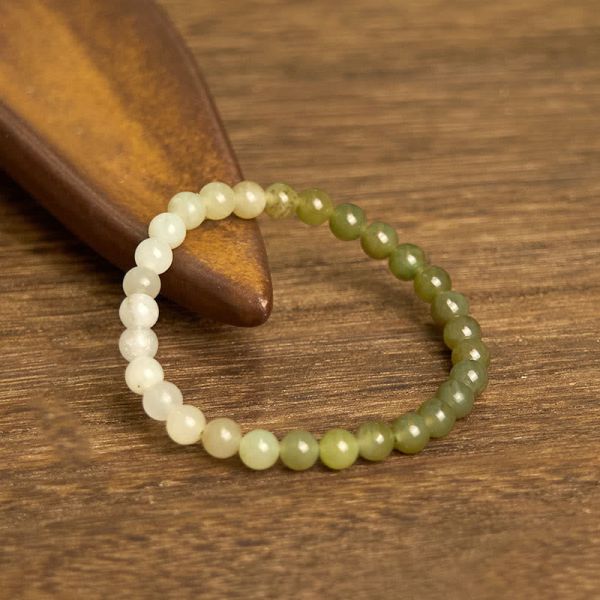 Buddha Stones Hetian Jade Gradient Color Abundance BraceletSpecial Price $25.59 Regular Price $34.12
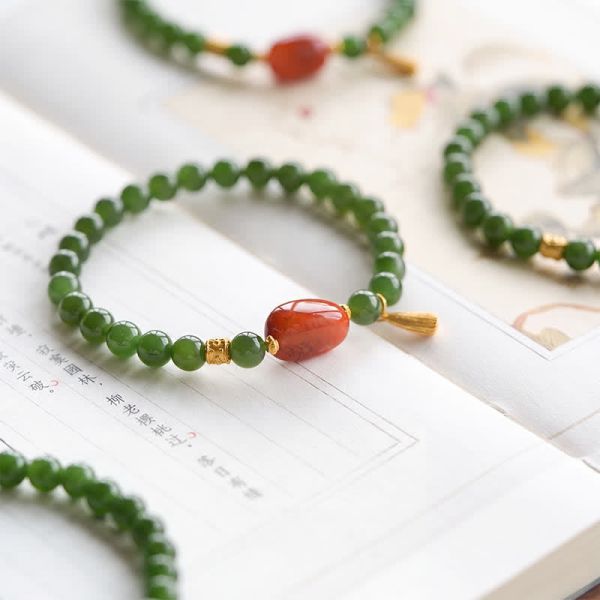 Buddha Stones Spinach Green Hetian Jade Red Agate Luck BraceletSpecial Price $62.59 Regular Price $85.74
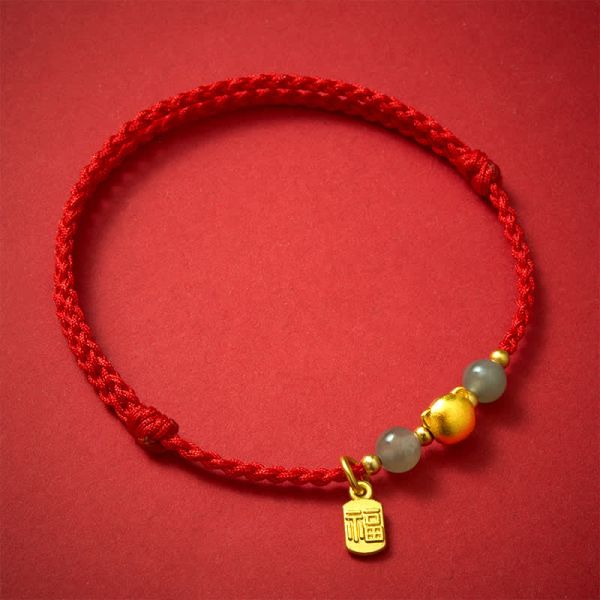 Buddha Stones Hetian Jade Fu Character Copper Cat Red String BraceletSpecial Price $25.59 Regular Price $34.12
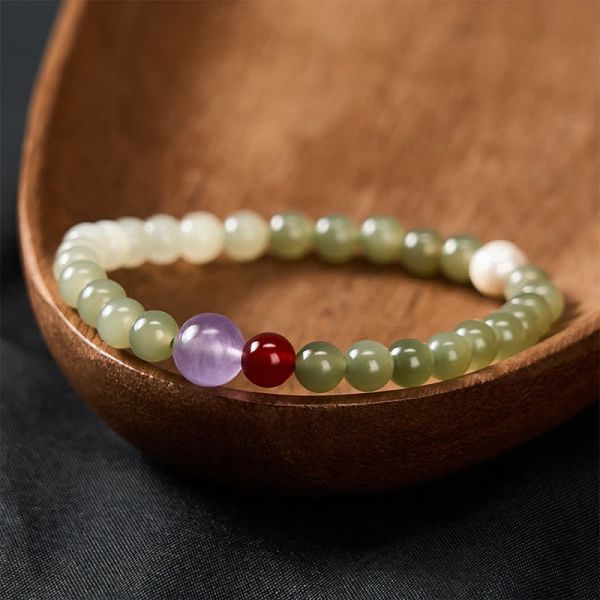 Buddha Stones Natural Hetian Jade Luck Gradient Round Bead BraceletSpecial Price $43.59 Regular Price $58.91