Hairpin Materials Guide: Care, Cleaning, and Storage
Hair product residue can collect on a hairpin after ordinary wear. Removing it takes more care when a piece combines a shaft, beads, and hanging decoration. This hairpin materials guide explains how to read material descriptions, choose gentle cleaning tools, handle mixed materials, and recognize when a piece needs repair or retirement. We recommend beginning with a dry inspection and light wiping, then stopping if dirt remains around a loose attachment. A clean appearance should never come at the expense of a finish or connection.
Hairpin materials guide: tools and materials to prepare
Set a folded towel on a clear surface before handling a hairpin. It gives small decorations somewhere to rest and helps keep the piece from rolling. Work in good light so you can distinguish loose dust from a scratch, a worn finish, or residue around a joint.
- Plain, soft cloths: Keep one for wiping and another for laying the piece down. Choose cloth without polishing compounds or cleaning additives.
- A small, very soft brush: Reserve it for loose dust on accessible, stable surfaces. Skip brushing around loose beads, fine links, or attachment points.
- A divided box or individual pouch: Give a shaft and its decoration enough room to lie without being forced into a bend.
- The product description: Check the materials before choosing any cleaner. A decorative name alone does not establish the material or finish.
For mixed materials, let the component that needs the gentlest handling determine the routine. Pearl, wood, stone, and plated metal should not automatically receive the same treatment. A cleaner intended for one exposed surface may reach another through a seam or attachment.
Plating is a surface layer, so abrasive rubbing can remove it. Wood should not be soaked. Pearls need gentle handling, while a stone name alone does not tell you about possible treatments or the construction around it. When those details are unavailable, keep routine care dry and avoid experimenting with cleaners.
A step-by-step routine from removal to storage
- Clear the surrounding hair. Before removing the piece, check whether strands have caught around a charm or connection. Free them gently. Hold the main body close to its insertion point instead of pulling on beads, a bow, or a hanging ornament.
- Support the decoration. As the shaft comes free, guide any hanging section onto your palm or the towel. Do not let it swing against a countertop. If the piece resists removal, pause and loosen the surrounding hair instead of twisting the decoration.
- Inspect before cleaning. Look along the shaft for bends, rough spots, or cracks. Check visible connections for gaps and decorations for unexpected movement. Do not flex the piece to test its strength; a visual check and gentle handling are enough for routine inspection.
- Lift away loose dust. Use light passes with a dry cloth. Support the part you are wiping so pressure does not travel through a joint. Brush only where loose dust is easy to reach without disturbing the assembly.
- Address residue conservatively. Wipe accessible surfaces gently, changing to a clean part of the cloth as needed. If a mark does not lift, stop. Do not assume it needs stronger rubbing or a liquid cleaner; it may be finish wear rather than dirt.
- Arrange the piece for storage. Lay hanging elements beside the shaft, with space between them. Close a pouch only after checking that nothing catches in its closure. In a divided box, keep the decoration out of the lid’s path.
Before the next use, apply hair products first and let your hair dry. Handle the hairpin with clean, dry hands. Use an appropriate separate fastener if your hairstyle needs more support; forcing a decorative piece to take extra strain can bend a shaft or loosen an attachment.
Repeat the brief inspection after an accidental drop or a snag. A piece may still look presentable while a connection has shifted. Put it aside if you cannot tell whether an attachment remains secure.
What not to do when a surface looks dull
Dullness can come from residue, tarnish, scratches, or worn plating. These conditions call for different responses, and polishing is not a universal answer. We suggest identifying the likely cause before doing more than a light dry wipe.
- Do not soak an assembled hairpin. Water can reach wood, attachments, and enclosed areas that are difficult to dry.
- Do not use toothpaste, scouring powders, or abrasive pads. Scrubbing can scratch surfaces and wear away plating.
- Do not apply silver dip to a mixed-material piece. A silver-colored surface does not establish solid silver construction or suitability for that cleaner.
- Do not use ultrasonic or steam cleaning without specific care instructions. Material names alone do not confirm that an assembled decoration can tolerate these methods.
- Do not straighten a shaft by bending it repeatedly. Repeated adjustment can weaken the metal or damage nearby attachments.
Keep perfume and hairspray away from the piece, and remove it before washing your hair. Avoid adding household oil to wood or glue to a loose ornament without repair advice suited to its materials.
When to replace a part or retire the hairpin
Stop wearing a piece if its shaft has a sharp burr, a visible crack, or a bend that makes insertion difficult. Set it aside if a bead moves unexpectedly, an attachment opens, or a hanging section catches repeatedly. Pulling harder is not a useful test.
A qualified jewelry repairer may be able to assess a connection or replace a damaged component. Describe the known materials and point out any finish you want preserved. Ask what the repair involves before agreeing to polishing, heat, or a replacement adhesive.
Cosmetic wear alone does not always require retirement. A stable piece with a worn finish may remain usable, while a shiny piece with a failing connection should be put away. If repair is unsuitable, keep it as a display item only where loose parts will remain contained.
Our hairpin options and their care priorities
The specifications below establish materials and dimensions for these options. They do not establish which cleaning chemicals are suitable. The gentle routine above is a starting point for ordinary handling.
Pearl and copper alloy
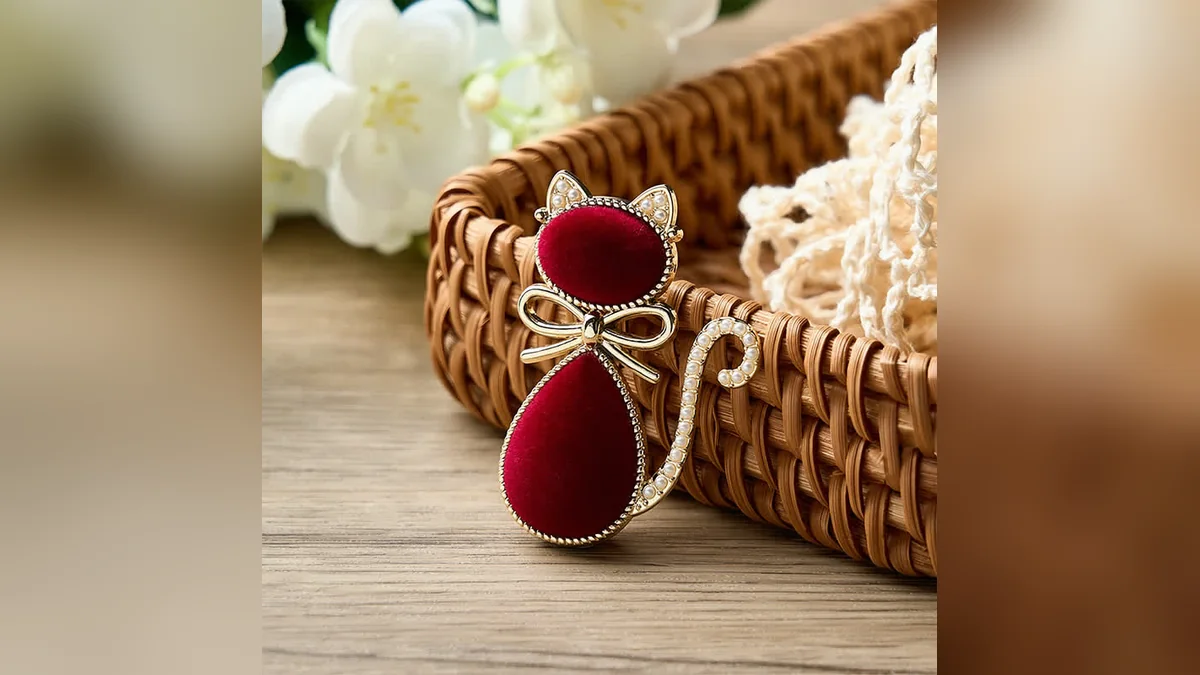
The Buddha Stones Pearl Velvet Cat Bow Transformation French Vintage Hair Stick combines Copper Alloy and Pearl. Its length is Approx. 1.9 in / 4.8 cm, and its decoration size is Approx. 1.9 × 1.5 in / 4.8 × 3.8 cm. Support the decoration while wiping instead of using it as a handle.
Turquoise with agate and aventurine
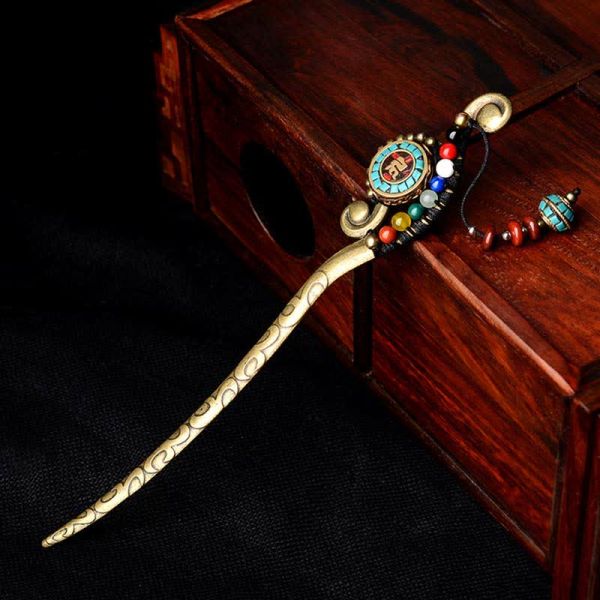
The Tibetan Turquoise Agate Protection Hairpin Decorations has a hairpin length of 16.2cm and a hairpin charm of 5.8cm. Its materials are Turquoise, Aventurine, Yellow Agate, and Agate; the specified bead sizes are Aventurine 4mm and Yellow Agate 4mm. Lay the charm beside the shaft before closing its storage compartment.
Red sandalwood with stone and copper
The Red Sandalwood Amethyst Aventurine Protection Hairpin Decoration combines Red Sandalwood, Amethyst, Aventurine, and Copper. Its hairpin length is 17cm, and its hairpin charm is 9cm. Keep cleaning dry, and support the hanging section during removal and storage.
Silver-plated alloy
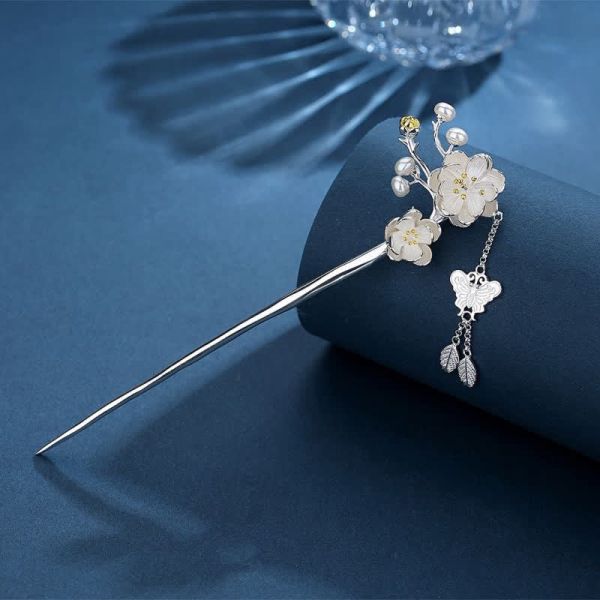
The Buddha Stones Plum Blossom Butterfly Love Tassel Hairpin has a hairpin length of 14cm and a material specification of Alloy Plated with Silver. Avoid abrasive polishing, which can wear through a plated surface.
“Protection” and “Love” in product names express traditional wishes. These names do not guarantee protection, love, or other outcomes.
Make the final check part of putting it away
Finish with the shaft supported, the decoration untangled, and the storage space dry. Leave stubborn marks for a material-specific assessment instead of increasing pressure. The useful habit is simple: inspect, wipe gently, and put the piece aside whenever its condition makes continued wear uncertain.
Shop the story
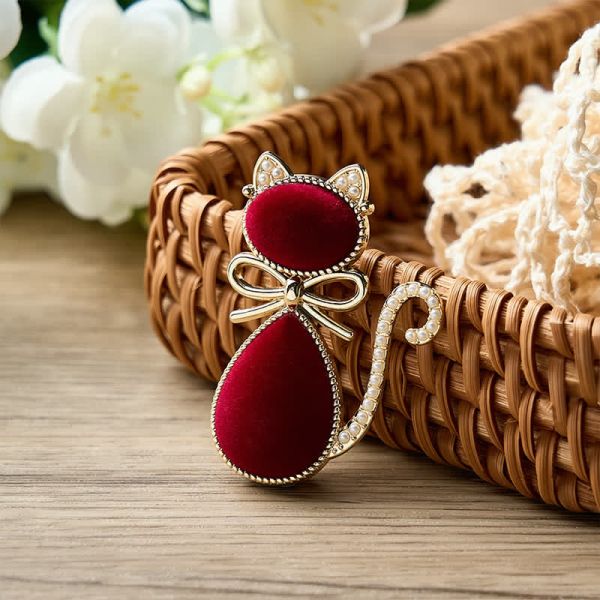 Buddha Stones Pearl Velvet Cat Bow Transformation French Vintage Hair StickSpecial Price $25.59 Regular Price $34.58
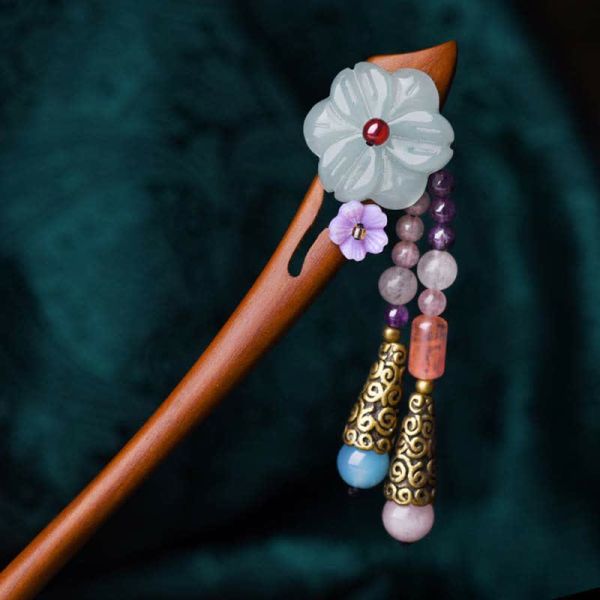 Red Sandalwood Amethyst Aventurine Protection Hairpin DecorationSpecial Price $28.59 Regular Price $38.12