Green Tara Meaning: A Vow Carried Into Jewelry
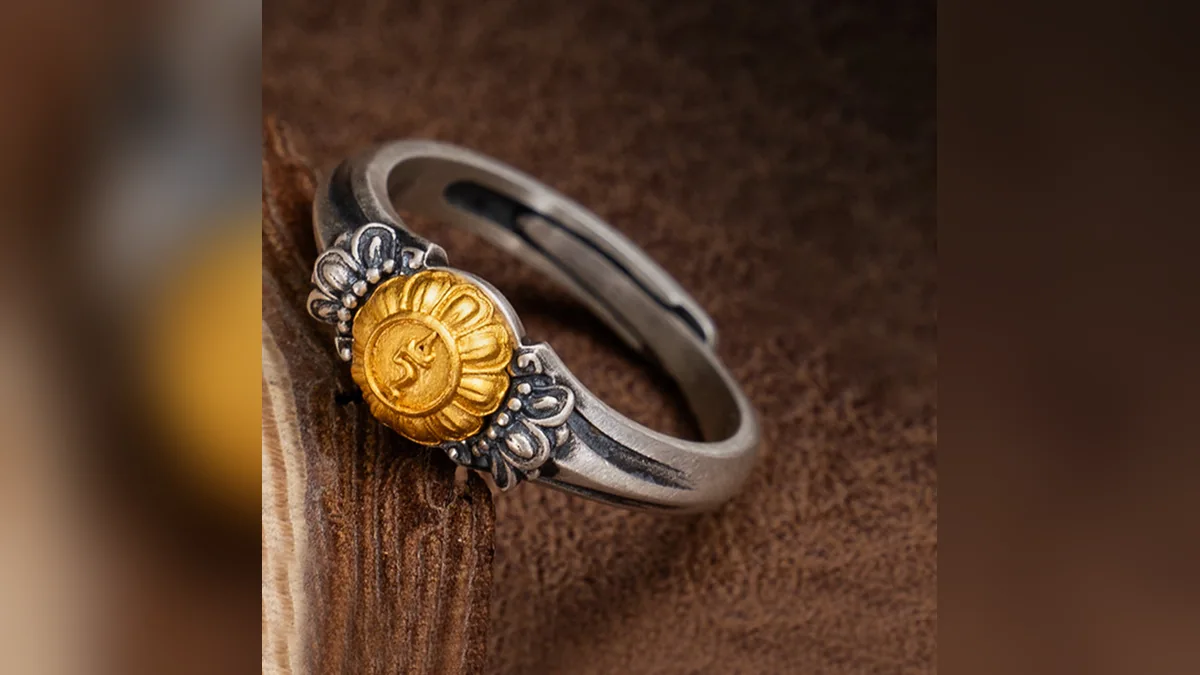
Yeshe Dawa made offerings before the Buddha and vowed to serve living beings in female form. In this Buddhist legend, she refused the suggestion that she should seek rebirth as a man. Her promise belongs to Tara’s origin story. The traditional green tara meaning is compassion expressed through swift, helpful action. Devotees also associate her with protection and overcoming obstacles. These are religious beliefs; jewelry cannot guarantee protection, luck, wealth, or any other result.
Green Tara Meaning Begins with a Promise
Tara is revered in Tibetan Buddhism as a female Buddha, though the term bodhisattva also appears in descriptions of her. Her story gives the female form a central place in Buddhist devotion. Yeshe Dawa’s vow is a commitment to the welfare of others, carried through successive lives in the telling. Geshe Ngawang Tenley recounts this tradition in Noble Tara, the Liberating Mother.
Read as a story, the vow gives Tara’s compassion a particular character. It involves a decision, followed by a continuing responsibility. For someone learning about her image, that is a useful starting point: look beyond the color and consider what she represents within Buddhist practice.
At Buddha Stones, we describe those associations as tradition. A Tara motif can express devotion, admiration for compassionate conduct, or a wish offered to another person. The meaning belongs to that context; it does not establish what an object will do for its owner.
The Craft Traditions That Keep Her Recognizable
In Himalayan Buddhist painting and sculpture, Tara’s posture carries part of the story. Green Tara commonly sits with her right leg extended downward, while her left leg remains folded. Her right hand reaches outward in a giving gesture, and her left often holds a flower stem. The Rubin Museum’s Green Tara collection entry describes these features and the devotional belief in her swift assistance.
Artists work within a recognizable visual language. A hand position, a flower, or the arrangement of the legs can distinguish one sacred figure from another. The details deserve attention before a viewer treats the image as decoration. Painted color can identify Green Tara directly; a metal representation requires attention to other features and its stated subject.
Traditional paintings and sculptures also give the figure room for a full composition. A small jewelry motif has far less space. That change of scale matters: a compact representation cannot always show every feature of a larger devotional image. Reading the product description alongside the image is therefore more useful than identifying a figure from color alone.
This craft tradition provides context for modern jewelry, but it does not establish how a particular retail item was made. We keep historical art practices separate from the materials and construction actually specified for our products.
When Tara’s Image Becomes Personal Jewelry
On a ring or a strand of beads, Tara’s image enters an everyday setting. Its religious context still matters. You might choose the motif because you practice Buddhism, because the vow has significance for you, or because you want to understand the figure before giving a gift. Those reasons can be expressed plainly without assigning a promised result to the jewelry.
A gift message can stay close to the story: “Tara’s vow made me think of your care for others.” That expresses an association without suggesting that the recipient will receive supernatural assistance. If the recipient follows a Buddhist tradition, their own preferences about sacred imagery should guide the choice.
Names need similar care. Words such as Protection or Blessing describe traditional wishes when used in jewelry names. Hope, Calm, and Manifestation are naming language, too; they do not demonstrate an effect on the wearer. We distinguish those words from concrete information such as material, bead count, and dimensions.
Practical selection begins with the form you want: a ring, a mala, or a bracelet. Then compare the supplied measurements. An adjustable ring still has a stated inner perimeter, and a bead size option is not a finished bracelet circumference. Where a measurement is absent, leave it unknown rather than estimating from a photograph.
Tara Rings, a Bodhi Seed Mala, and Green Agate Beads
Our Buddha Stones Tara Protection Adjustable Ring specifies 925 Sterling Silver and 925 Sterling Silver Plated Gold. Its ring inner perimeter is 68mm(Adjustable). Protection in the name expresses a traditional wish, rather than an assurance of safety. The material specification and perimeter provide the factual basis for comparing it with another ring.
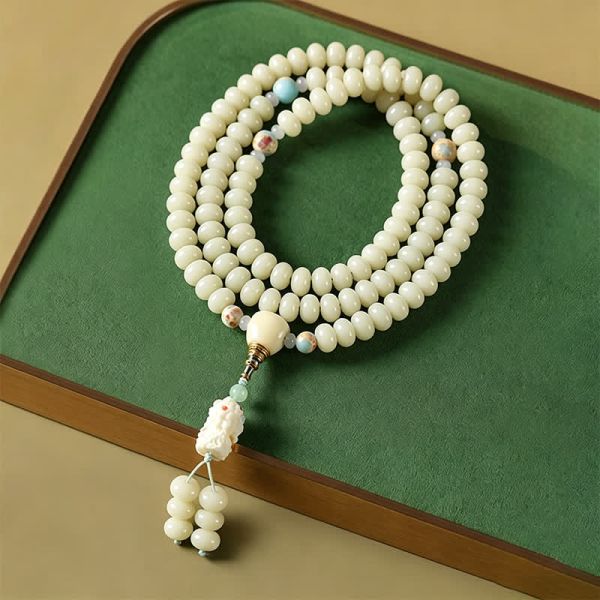
The Buddha Stones White Bodhi Seed Tara Hope 108 Bead Mala uses White Bodhi Seed and Premium Elastic String. Its bead size is 7.5 x 11mm, and its wrist circumference is Approx. 5.5–6.3 in (14–16 cm). The supplied wrap description says it typically wraps 2–4 times around the wrist, depending on bead size and wrist circumference.
The package contains 1 × Mala. Natural Bodhi Seed may show slight differences in color, details, and overall appearance. The supplied care instructions advise avoiding water contact. Those variations are relevant when comparing the product photograph with a particular piece; they should not be interpreted as different symbolic meanings.
For green beads, our Buddha Stones Natural Green Agate Green Tara 108 Bead Bracelet specifies Green Agate and a Liuli Glass Pendant. It has 108 beads on premium elastic string, with bead size options of 6mm, 8mm, and 10mm. Select the bead size as an option, without treating it as a statement of bracelet length. The Manifestation wording in its full name does not promise an outcome.
Our Buddha Stones 925 Sterling Silver Tara Calm Adjustable Ring specifies 925 Sterling Silver and a ring inner perimeter of 70mm(Adjustable). Calm is part of its name, not a claim about how wearing it will make someone feel. Compared with the Protection ring above, its stated material and inner perimeter differ; these specifications deserve attention alongside the shared Tara subject.
Questions About Tara’s Meaning and Jewelry
Is Green Tara a wealth symbol?
Compassionate action is central to her traditional meaning. Some devotional prayers include wishes for prosperity, but that religious context does not make Tara jewelry a guarantee of wealth or luck.
Does a Tara ring need to be green?
No. A Tara subject can appear in metal jewelry without a green surface. The subject identified in the product name and the visible design should be considered together.
Does wearing Tara jewelry replace Buddhist practice?
No. Jewelry can carry a sacred image, but wearing it is different from studying teachings or participating in a religious practice. Tara’s story centers on a vow to serve others; that commitment gives the image its context.
Shop the story
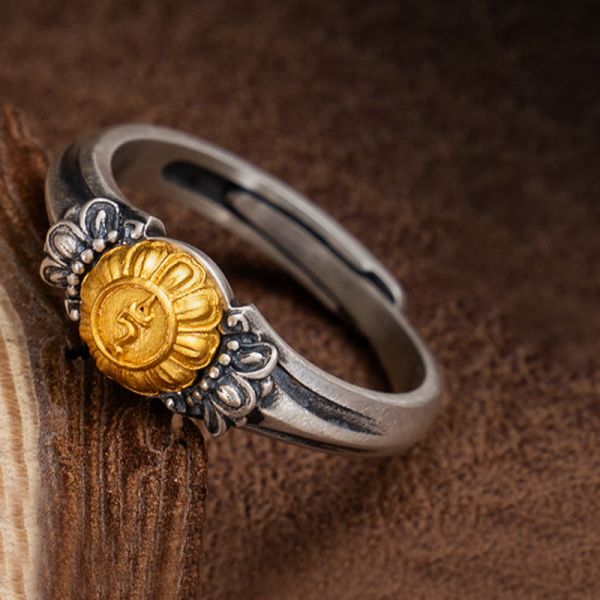 Buddha Stones 925 Sterling Silver Plated Gold Bodhisattva Tara Protection Adjustable RingSpecial Price $252.59 Regular Price $336.79
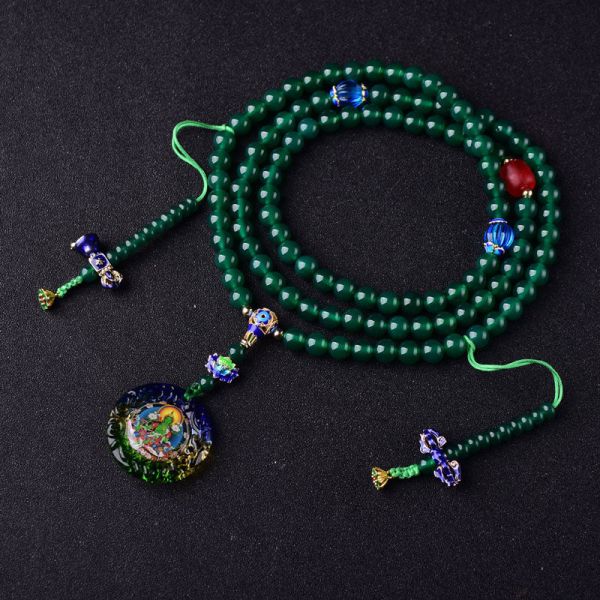 Buddha Stones 108 Mala Beads Natural Green Agate Bodhisattva Green Tara Manifestation Charm BraceletAs low as $68.59 Regular Price $91.45
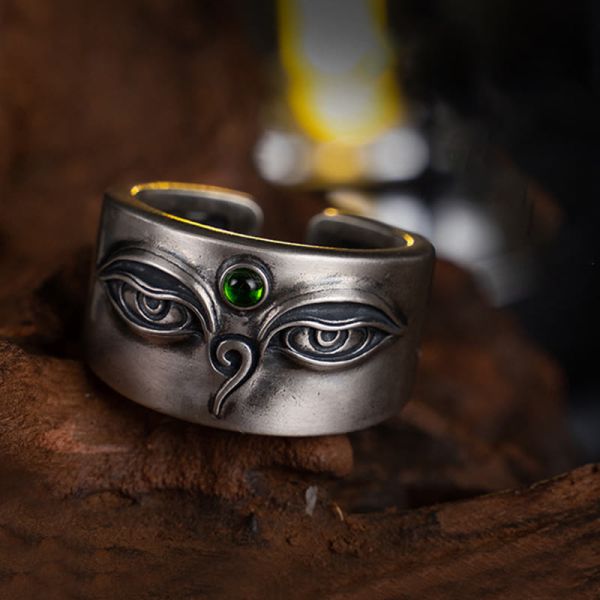 Buddha Stones 925 Sterling Silver Bodhisattva Tara Calm Adjustable RingSpecial Price $1,578.59 Regular Price $2,104.79