
Father's Day Bracelet Gifts: A Practical Care Manual
Dust often gathers between bracelet beads and around a clasp. For fathers day bracelet gifts, a useful care manual explains how to inspect a piece, remove everyday surface dirt, put it away, and recognize when it needs repair or retirement. The right routine depends on its materials and construction, so begin with the information supplied for the actual bracelet.
At Buddha Stones, we suggest keeping those details with the gift. A short care card can tell the recipient which cleaning instructions apply and where to find them later. Start with gentle handling, then use the steps below to organize care without guessing about an unfamiliar finish, cord, or bead.
Tools and materials for a careful inspection
Set up a clear workspace before opening a clasp or examining a strand. A plain, light-colored cloth makes loose parts easier to spot. Work away from sink drains and the edge of a counter.
- A clean, lint-free cloth: Choose one without polishing compounds or cleaning residue.
- A shallow tray: Keep the bracelet contained while inspecting it.
- Good lighting: Look closely at attachment points, knots, and bead openings.
- The original product information: Keep material details and any care instructions accessible.
- A separate storage compartment: Give the bracelet enough room to rest without catching on other jewelry.
Water, detergent, brushes, and polishing products are optional tools only when the bracelet's care instructions permit them. A cleaning method suitable for one component may be unsuitable for another. If the construction includes several materials, use instructions that account for the complete piece.
A step-by-step routine for fathers day bracelet gifts
-
Identify the construction before cleaning. Read the product information and check how the bracelet closes. Note whether it uses a clasp, an adjustable knot, or a stretch cord. If a material or finish is unidentified, keep the cleaning step dry until you obtain suitable guidance. Appearance alone cannot establish what a bead or coating is.
-
Inspect it while it rests on the cloth. Look for loose connections, visible cord wear, a knot that has shifted, or a clasp that does not close fully. Turn the bracelet gently to view different sides. Avoid pulling the strand taut to reveal hidden cord; that adds tension during an inspection.
-
Remove loose surface dirt. Support a small section with one hand and wipe lightly with the clean cloth. Move to an unused area of the cloth as it picks up dirt. Do not force fabric into narrow gaps or scrape around bead openings. Persistent deposits need a material-specific method.
-
Follow any permitted wet-cleaning instructions exactly. Check whether they apply to the whole bracelet or only a removable component. If damp cleaning is allowed, follow the specified drying method before storage. Do not add a soaking stage because a brief wipe seems insufficient.
-
Put the bracelet on using its intended opening. Open a clasp fully or loosen an adjustable closure before moving it over the hand. For stretch designs, avoid pulling one section sharply away from the rest. If putting it on requires force, stop and check the fit and construction.
-
Make removal and storage part of the routine. Take the bracelet off before tasks that could catch, strike, or heavily soil it. After removal, check for visible residue and wipe as appropriate. Place it in its own compartment with the closure and strand resting loosely.
Keep a care note brief enough to use: identify the bracelet, record its permitted cleaning method, and include any repair instructions. If packaging holds that information, retain it rather than relying on memory.
What not to do during wear or cleaning
Do not treat an unknown bracelet as waterproof. Remove it before showering, swimming, or washing dishes unless its own instructions explicitly permit that exposure. Keeping it away from these activities also avoids contact with products that may require separate cleaning guidance.
Avoid household cleaners, abrasive powders, toothpaste, and unapproved jewelry dips. Do not assume a polishing cloth is suitable merely because it feels soft; some contain compounds intended for particular metals. Use an untreated cloth for the basic dry wipe.
Do not tug at a snag, tighten an unfamiliar knot, or apply household glue to a loose part. Set the bracelet down and identify the problem first. Avoid hanging it from its cord during storage or letting it become tangled with chains. A bracelet should also be removed before handling equipment that could catch jewelry.
When to repair, replace, or retire a piece
Pause wear when a closure repeatedly opens, a connection separates, or the supporting cord shows fraying or an obvious change in shape. A cracked bead, sharp edge, or loose decorative element also calls for assessment before further use. Cleaning cannot correct a structural fault.
Place a damaged bracelet in a small container so detached parts stay together. Record where the problem appears, and ask a qualified jewelry repairer whether the construction can be repaired. Do not keep testing a weak connection by pulling it.
Retirement does not have to mean disposal. If repair is unsuitable, you can keep a sentimental gift as a stored keepsake. Remove it from the regular jewelry rotation and label the container so it is not put back into use accidentally. There is no universal replacement schedule: condition and construction provide more useful guidance than the calendar.
Products: four optional replacement bag straps
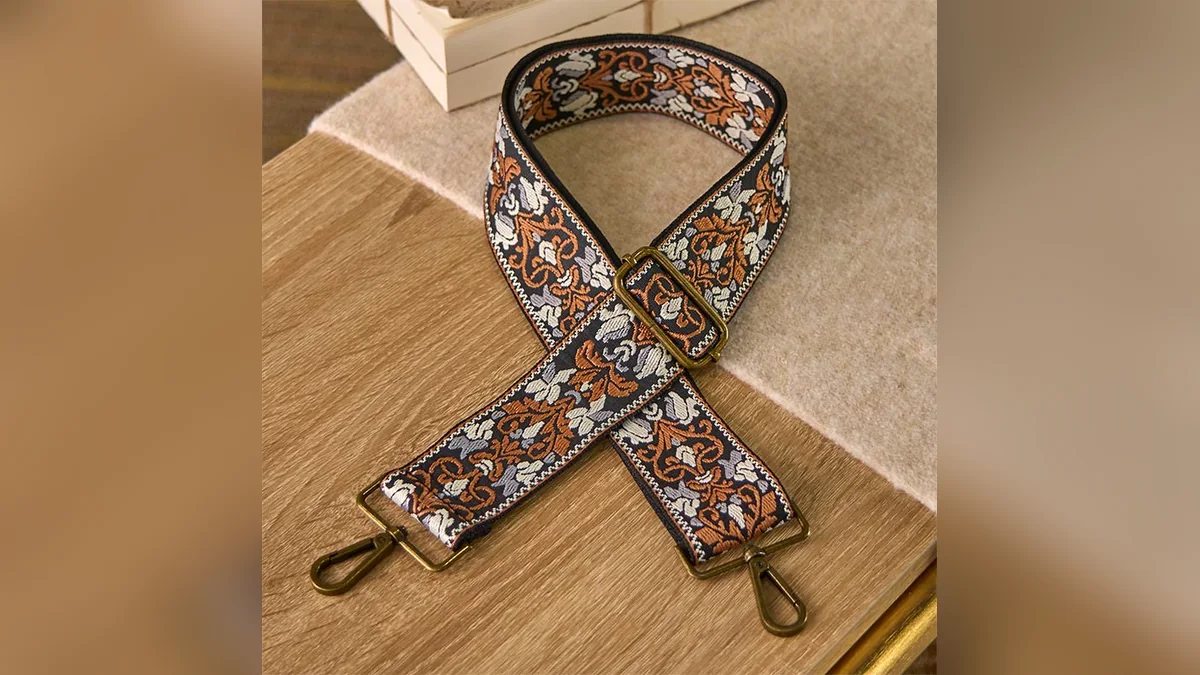
If your Father's Day gift also includes a bag accessory, keep its specifications alongside its own care information. The following Buddha Stones products are replacement bag straps. Check the intended bag's attachment requirements separately before selecting one.
The specifications shared by these four straps are: polyester material; adjustable strap type; Strap Length: About 27.56-53.15 in (70-135 cm); and Strap Width: About 1.97 in (5 cm). The package for each contains 1 Pc Bag Strap. Pattern placement is random.
Brown flower vine
The Buddha Stones Bohemian Brown Flower Vine replacement bag strap has SKU BS17194EB6640. Use that identifier when keeping its product details with a gift.
Brown flower geometric
For the Buddha Stones Boho Brown Flower Geometric replacement bag strap, the SKU is BS17195EB6640. Record the complete pattern name to distinguish it from the flower vine option.
Maple leaf flower geometric
The Buddha Stones Boho Maple Leaf Flower Geometric replacement bag strap carries SKU BS17196EB6640. Its name identifies the maple leaf and flower geometric option.
Navy blue flower geometric
The Buddha Stones Boho Navy Blue Flower Geometric replacement bag strap has SKU BS171979D1AF2. Keep this identifier with the navy blue option's specifications.
Keep the care instructions with the gift
A useful bracelet care routine starts with knowing the piece and ends with putting it away carefully. Keep the product details, inspect connections before wear, and choose cleaning methods supported by the actual materials. If something loosens or changes shape, pause use and arrange an assessment. Include those simple instructions with a Father's Day gift so the recipient has a clear reference whenever care or repair becomes necessary.
Shop the story
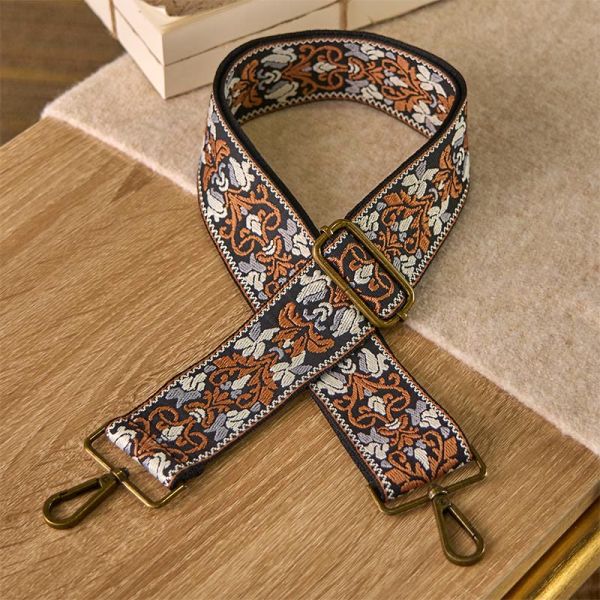 Buddha Stones Bohemian Brown Flower Vine Adjustable Handbags Crossbody Shoulder Bag Straps ReplacementSpecial Price $21.59 Regular Price $30.41
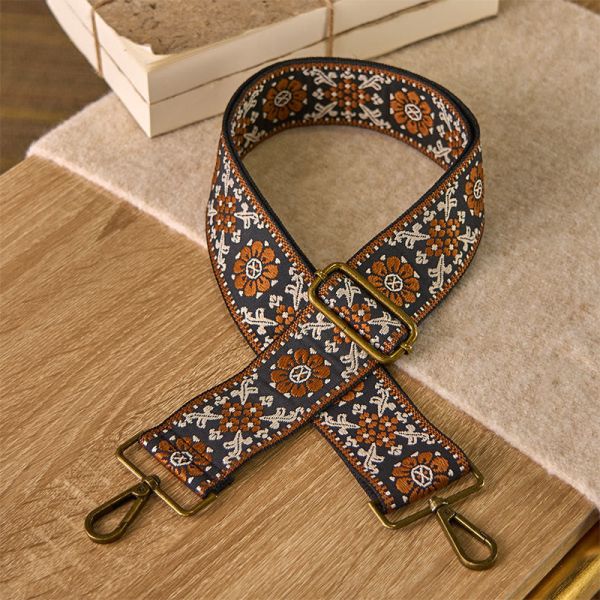 Buddha Stones Boho Brown Flower Geometric Adjustable Handbags Crossbody Shoulder Bag Straps ReplacementSpecial Price $21.59 Regular Price $28.79
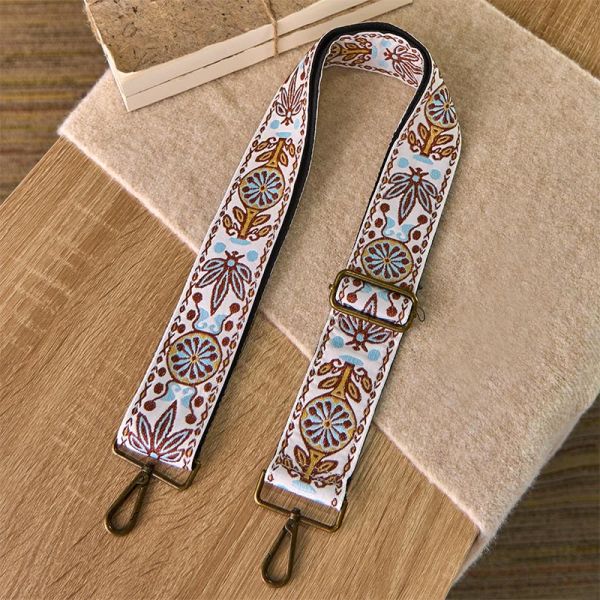 Buddha Stones Boho Maple Leaf Flower Geometric Adjustable Handbags Crossbody Shoulder Bag Straps ReplacementSpecial Price $21.59 Regular Price $29.18
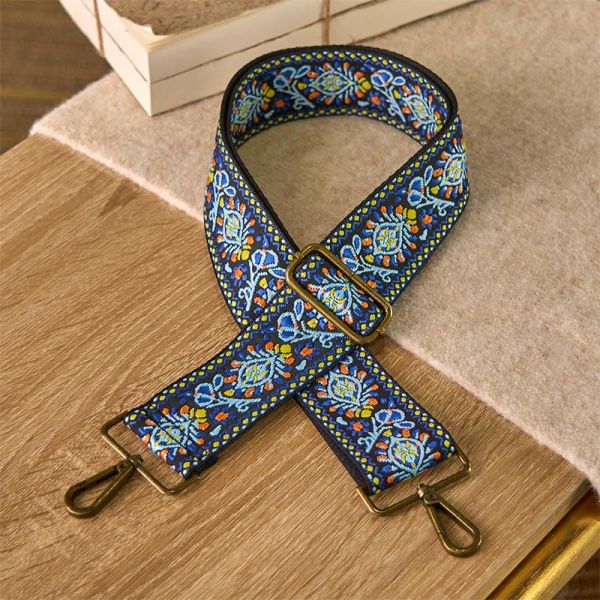 Buddha Stones Boho Navy Blue Flower Geometric Adjustable Handbags Crossbody Shoulder Bag Straps ReplacementSpecial Price $21.59 Regular Price $29.58