
Evening Tea Ritual Guide: Care, Use, and Simple Steps
Tea often leaves a brown ring inside a cup after the last pour. Rinsing that ring before it dries is a useful place to begin an evening tea ritual guide: a practical sequence for setting out utensils, brewing and serving tea, then washing and storing the pieces. At Buddha Stones, we approach this routine through ordinary care. You will learn how to arrange a usable surface, handle ceramic cups, keep cup mats dry, and recognize damage that calls for retiring a piece.
Tools and materials for a washable tea setup
Gather a cup, tea, drinking water, a kettle, and a brewing vessel or infuser suited to your tea. Keep the tea package nearby for its water temperature, quantity, and steeping instructions. Different teas call for different preparation; one fixed recipe will not suit everything.
For serving and cleanup, prepare:
- A level surface with enough room to lift and set down the cup.
- A cup mat that supports the cup base without rocking.
- A spoon or strainer if your brewing method requires one.
- Mild dish soap, a soft sponge, and a clean drying towel.
- A place for used leaves and a clear route to the sink.
Leave decorative objects outside the pouring area. If you include a lotus ornament, give it a separate dry spot. Decoration does not need to share the tray where water collects. Keep the kettle cord clear of the cup, and arrange handles so you can reach them without passing over another vessel.
Evening tea ritual guide: the pouring and washing sequence
1. Check the cup before adding water
Inspect the rim, interior, base, and any handle under good light. Look for chips, cracks, or a loose attachment. Place the empty cup on its mat and check that it sits steadily. A cup that rocks needs a different support or closer inspection before you pour.
2. Prepare only the amount you intend to serve
Use the tea package instructions to choose your leaf quantity and water temperature. Match the amount of brewed tea to the cups you have set out. A stated cup capacity describes volume; leave space below the rim so you can move the cup without spilling.
If you plan several small pours, keep the brewing vessel within easy reach. Do not assume a smaller cup needs a shorter steep. Brewing instructions belong to the tea and method, while the cup determines how much you serve at once.
3. Keep temperature changes gradual
Avoid taking a cold ceramic cup straight into contact with very hot water. Let refrigerated or unusually cold teaware return to room temperature first. Follow any care instructions supplied with your cup; do not assume that ceramic alone establishes microwave or dishwasher suitability.
4. Pour over the clear part of the surface
Set the cup down before filling it. Pour slowly, keep the vessel steady, and stop below the rim. Return the kettle or brewing vessel to a stable resting place before lifting the cup. Wipe up drips when they occur instead of allowing water to pool beneath the mat.
5. Keep the serving routine consistent
For repeated servings, use the same place for the cup, brewing vessel, and used utensils. This makes it easier to notice a wet mat or an obstructed pouring area. Set a spoon on a small dish rather than balancing it across a cup that you will lift.
A plain arrangement is enough. You can mark the end of serving by putting away the dry tea and emptying the brewing vessel. No incense, fragrance, or additional accessory is required.
6. Wash cups and treat mats separately
Let ceramic cups cool before washing. Empty the remaining tea, rinse away loose residue, and wash with mild dish soap and a soft sponge. Pay attention to the inner rim and the base, then rinse thoroughly. Remove leaves from the infuser or brewing vessel before washing it according to its own care directions.
Wipe rattan areas with a lightly damp cloth and dry them promptly; avoid prolonged soaking. A cup mat with mixed materials needs care suited to its less water-tolerant parts. Do not put it in the sink with the cups by habit.
7. Dry before putting anything away
Dry accessible surfaces with a clean towel, then allow remaining moisture to evaporate. Check the underside of the cup and mat before returning them to a shelf. Give cups enough room that their rims do not knock together when you reach for one.
What not to do during pouring and cleanup
Do not scrub away a tea ring with a metal pad. Begin with ordinary washing and a soft sponge. If residue persists, consult the cup's care directions before choosing a stronger cleaning method. A stain alone does not tell you that a surface needs aggressive treatment.
Do not leave wet rattan beneath a cup overnight. Lift the cup after use, wipe away drips, and dry the mat separately. Avoid enclosing damp pieces in a drawer or stacking them while moisture remains.
Do not use decorative objects as brewing equipment. A name containing “fragrance jar” does not establish that an object can hold drinking water, accept fragrance oil, or withstand a flame. Use only functions supported by its supplied instructions. Keep ornaments away from the kettle spout and washing water.
Do not make cleaning depend on the next serving. Leaving tea residue in place creates another task before you can brew again. Finish by emptying, washing, and drying the equipment you used.
When to replace or retire a tea piece
Retire a cup from drinking use if the rim chips, a crack develops, or a handle becomes loose. Do not test a damaged vessel by filling it with hot water. Household glue is not a substitute for a sound drinking vessel.
Replace a mat if it no longer lies flat, sheds loose material, or cannot support the cup steadily. Persistent musty odor or visible mold is also a reason to stop using it beneath teaware. Check the shelf where it dries before introducing a replacement.
For an ornament, loose components or a damaged base call for removal from the tea area. Discoloration and tea stains deserve inspection, but they are different from structural damage. Judge continued use by the condition of the piece and its intended function, not by a fixed replacement calendar.
Products to match the serving arrangement
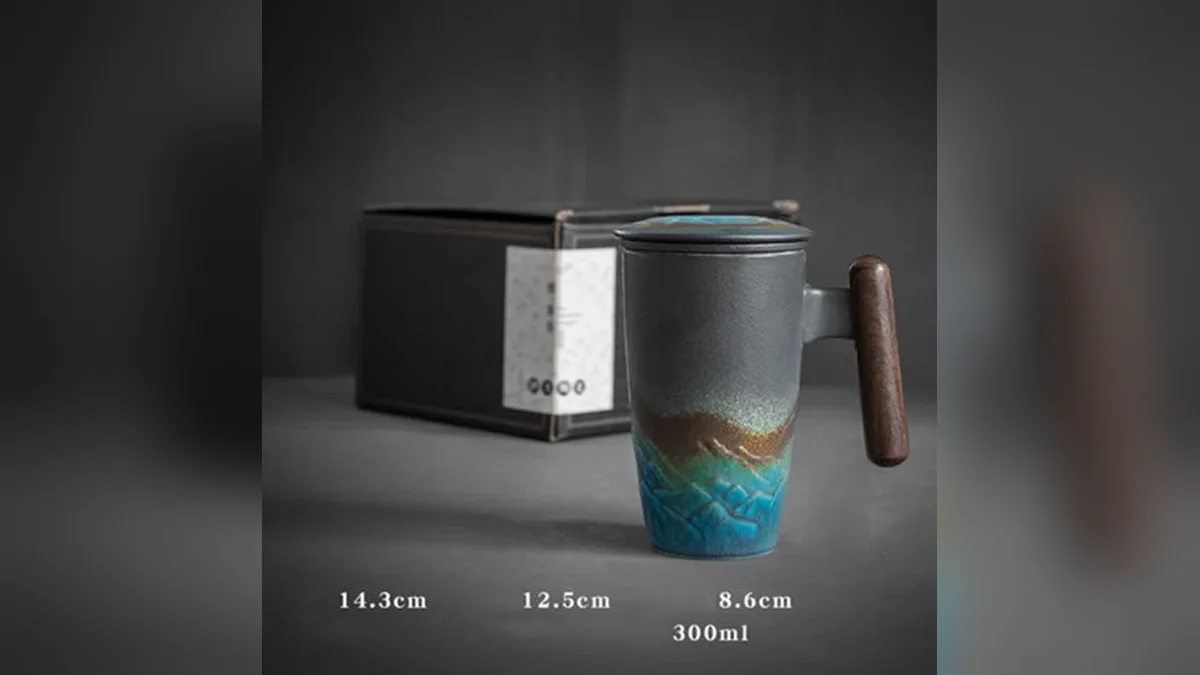
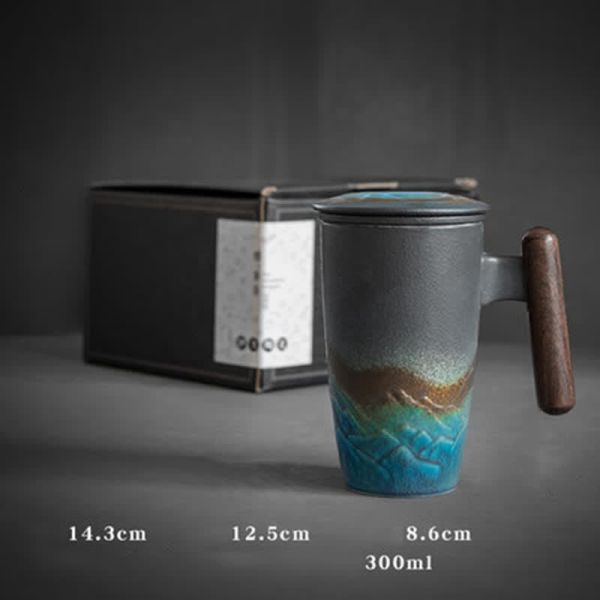
Our Vintage Mountain Sea Ceramic Teacup has a stated capacity range of 290-350 milliliters across its options. It is ceramic, with Black, Black White, and Blue options among the choices. Check the selected option's capacity when planning your serving quantity.
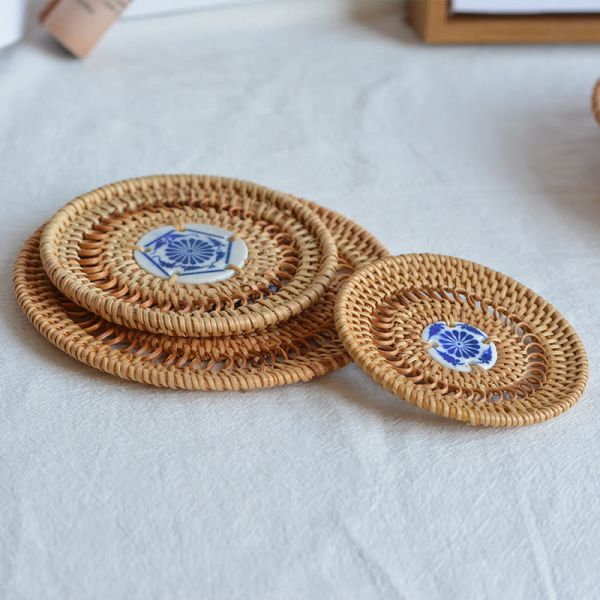
The Ceramic Flower Pattern Rattan Cup Mat comes in diameter choices of 8cm, 10cm, 13cm. The materials are ceramic and rattan, and the package contains one cup mat. Available options include Ceramic Coaster, Hollow Coaster, and Spiral Coaster; compare the selected option with your cup base.
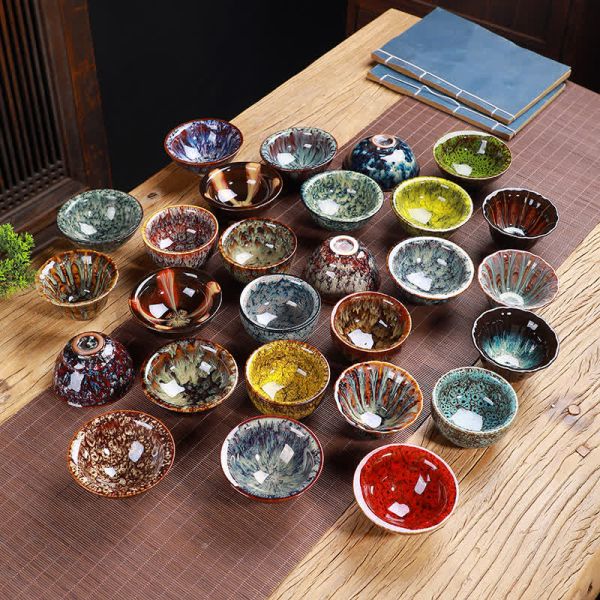
For smaller servings, our Colorful Ceramic Teacup has a stated capacity of 100-110 milliliters and a weight of 50g. Color options include AliceBlue, Aqua, Azure, Brown, and BurlyWood. Plan the amount poured around that smaller capacity.
Our Resin Lotus Purity Teardrop Decor uses resin, iron wire, and acrylic. Options include Blue, Green, One Lotus, and Two Lotuses. One decor item is included. Because it is handmade, slight differences in color, shape, and size may occur. Treat it as decoration beside the serving area.
Leave the setting ready for next time
Close the routine with an empty brewing vessel, clean cups, and a dry mat. Put the tea away according to its package directions, and return utensils only after they have dried. Before the next evening's first pour, repeat the brief inspection. This care sequence gives your tea setting a clear beginning and end, with maintenance built into the time you already spend preparing and serving.
Shop the story
 Buddha Stones Vintage Mountain Sea Ceramic Teacup Tea CupsAs low as $85.59 Regular Price $114.12
 Ceramic Flower Pattern Rattan Cup Mat Tea Cup CoasterAs low as $25.59 Regular Price $34.12
 Buddha Stones Colorful Ceramic Teacup Home Office Tea CupsAs low as $21.59 Regular Price $29.99
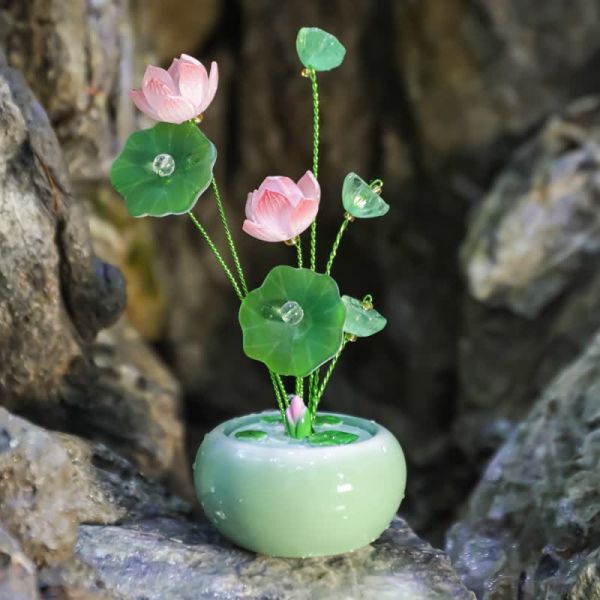 Buddha Stones Resin Lotus Purity Teardrop Fragrance Jar Mindful Living DecorAs low as $25.59 Regular Price $35.54