
Elastic vs Cord Bracelet: How to Choose Your Fit
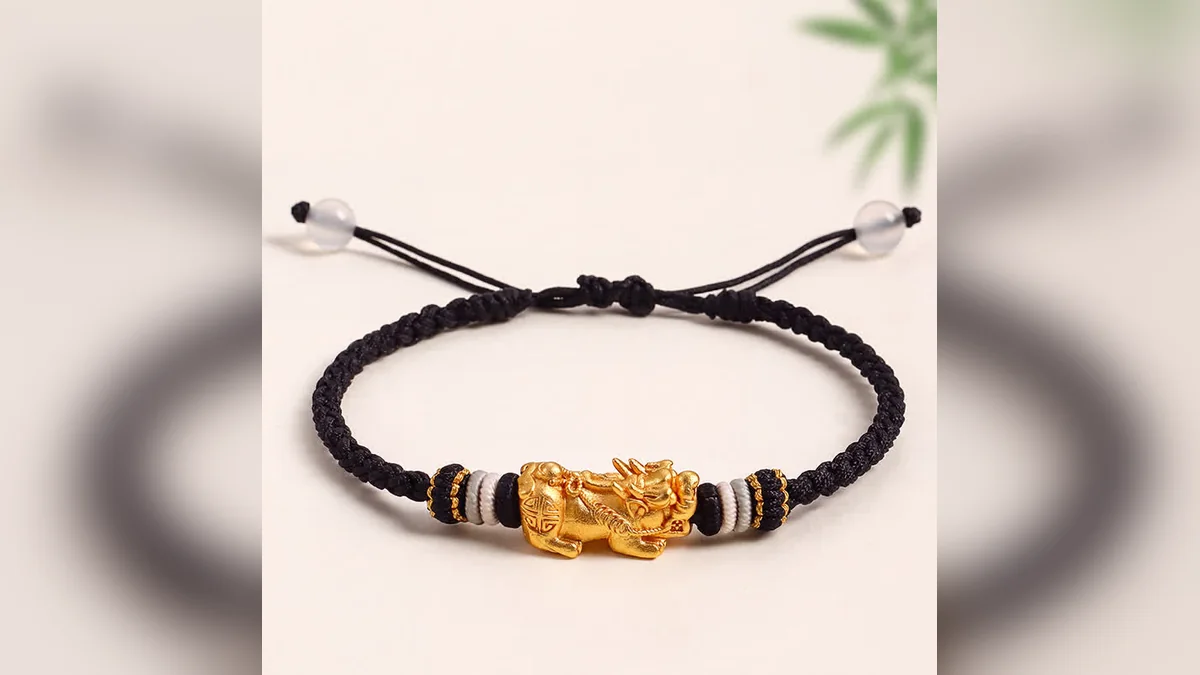
The band determines how a bracelet opens and fits. An elastic bracelet stretches over your hand, while an adjustable cord bracelet changes its opening through a fastening mechanism, often a sliding knot. The elastic vs cord bracelet choice starts with those two actions: stretching or adjusting. This guide explains how to compare the construction, check the advertised wrist measurements, put the bracelet on, and inspect the band. At Buddha Stones, we recommend starting with the band specification before choosing by color or decoration.
1. Identify the band in an elastic vs cord bracelet comparison
Read the band description before interpreting a product photograph. Beads can hide much of the string, and a visible knot alone does not tell you whether a bracelet stretches. Look for an explicit description such as Premium Elastic String or Adjustable Cord.
Elastic construction usually forms a continuous loop. You expand that loop briefly to pass it over your hand, then allow it to return around your wrist. Adjustable cord construction changes the opening by moving part of the fastening. Its adjustment method should come from the product instructions or a clear view of the closure.
Do not assume that every string bracelet stretches or that every braided bracelet adjusts. If the mechanism remains unclear, leave that question unresolved until you have reliable instructions. Pulling a band to discover how it works can put unnecessary force on its knots.
2. Match the advertised measurements to your wrist
Keep your wrist measurement beside the product specifications. Check the full interval rather than reading only its larger number. A bracelet described as adjustable still has a defined fit range; the word adjustable does not mean unlimited adjustment.
For elastic construction, distinguish between the advertised wrist fit and the temporary expansion needed to pass over your hand. Stretch is part of putting the bracelet on. It is not a reason to choose a size outside the advertised measurements.
Also separate bead size from wrist sizing. A bead measurement describes the bead, not the bracelet opening. Avoid calculating fit from a photograph or estimating it from bead count. If you need a broader selection checklist after checking the band and measurements, our bracelet selection guide covers other details to consider.
3. Use the opening method that matches the construction
Put on an elastic bracelet by bringing your fingers together and easing the loop over your hand. Guide several beads at a time instead of pulling one bead far away from the rest. Use only the expansion needed to move the bracelet into place. If substantial force seems necessary, stop and reconsider the fit.
For adjustable cord, identify the closure before pulling anything. Where the bracelet uses a sliding knot, hold the fastening and move the cord gradually according to its design. Open it enough to pass over your hand, then adjust it at your wrist. Avoid using a decorative element as a handle.
Reverse the same process for removal. Open an adjustable band before taking it off. Ease an elastic loop back over your hand without sharply tugging the string.
4. Check the fit during ordinary hand movements
Once the bracelet is in position, turn your wrist, bend your hand, and move your sleeve over it. Check whether the band sits where you want it and whether any loose cord ends catch on the cuff. These checks help you decide whether the fastening and your clothing work together.
With adjustable cord, make small changes instead of tightening it as far as possible. Leave enough room for ordinary movement without allowing the bracelet to slip over your hand. With elastic construction, assess the resting fit after the band has returned from stretching.
If a bracelet repeatedly catches on clothing or needs to be forced into position, revisit the size and construction. Do not try to solve a sizing mismatch by keeping elastic stretched or pulling a cord closure beyond its intended travel.
5. Inspect the band before putting it away
Check the string and fastening regularly, particularly after a snag. On elastic construction, look for exposed strands, a loose knot, or a loop that no longer returns to its previous shape. On adjustable cord, inspect the areas that move through the fastening for fraying, and check that the closure holds its position.
Stop wearing a bracelet if the band appears damaged. Avoid testing a doubtful section with another hard pull. Repair or restringing should account for the original construction and the openings in its components; do not choose replacement string solely because its color matches.
Follow material-specific care instructions. Remove bracelets before activities that could snag or soak the band, and keep lotions and sprays away from the string. Lay the bracelet down without stretching it around an oversized holder or leaving the cord under tension.
Mistakes to avoid when choosing and adjusting a band
- Choosing by appearance alone. Similar-looking bead arrangements can use different band constructions. Read the band field before deciding how the bracelet should open.
- Treating stretch as extra sizing. Temporary expansion over the hand does not replace checking the advertised wrist measurements.
- Assuming cord means a sliding knot. Identify the actual fastening before attempting to adjust it.
- Pulling on one component. Distribute movement across the band rather than using a single bead or decorative element to drag it into place.
- Ignoring early wear. Frayed cord, loose knots, or elastic that stays expanded deserve attention before the next wear.
- Expecting photographs to show an identical stone pattern. Read the product-specific variation notes when comparing color and surface details.
Product specifications for your band comparison
Our product pages provide the following construction, sizing, material, and option details.
White Agate Copper Pi Xiu Bracelet
The White Agate Copper Pi Xiu Hand-Woven Bracelet has an Adjustable Cord band and a wrist circumference specification of 5.9–7.5 in (15–19 cm). Its materials are String, White Agate, and Copper. Black and Brown options are available. White Agate may vary slightly in color, details, and overall appearance.
White Chalcedony Floral Drop Bracelet
The Elegant White Chalcedony Black Agate Floral Drop Bracelet uses Premium Elastic String. Its wrist circumference specification is 5.9–6.3 in (15–16 cm), and its bead size is 8mm. Options are Black Onyx, Red Agate, and Yellow Agate. The material specification includes White Chalcedony, Black Agate, Jade, Red Agate, and Yellow Agate; this does not establish the composition of an individual option. Slight gemstone variations in color, details, and overall appearance are possible.
Indian Agate Braided Bracelet
The Natural Indian Agate Braided Balance Bead Bracelet combines an Adjustable Cord band with Indian Agate and Copper Alloy. Its wrist circumference specification is 6.3-6.7 in (16-17 cm). The gemstone may show slight differences in color, details, and overall appearance.
Black and White Fire Agate Bracelet
The Black and White Fire Agate String Balance Bracelet has an Adjustable Cord band. Its wrist circumference specification is 5.9–8.2 in (15–21 cm), and its materials are String and Black and White Fire Agate. Slight variations in color, details, and overall appearance may occur because of the natural materials.
Make your elastic vs cord bracelet decision in this order: identify the band, confirm the measurements, and check how the opening works. Then use gentle movements when putting it on and inspect the fastening regularly. Those practical details give you a clear basis for choosing between the two constructions.
Shop the story
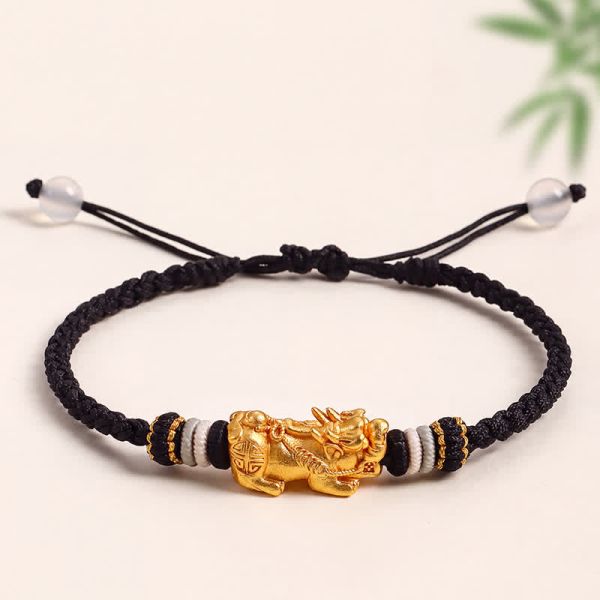 Buddha Stones White Agate Copper Pi Xiu Auspicioisness Hand-Woven BraceletAs low as $25.59 Regular Price $34.58
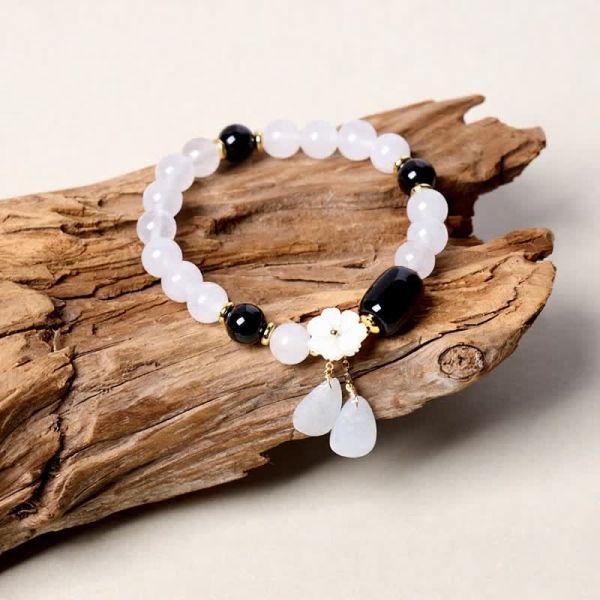 Buddha Stones Elegant White Chalcedony Black Agate Floral Drop BraceletAs low as $25.59 Regular Price $34.58
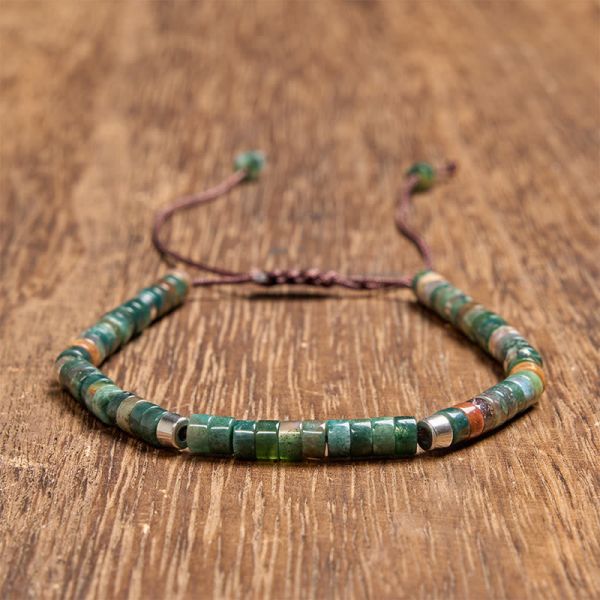 Buddha Stones Natural Indian Agate Braided Balance Bead BraceletSpecial Price $25.59 Regular Price $34.58
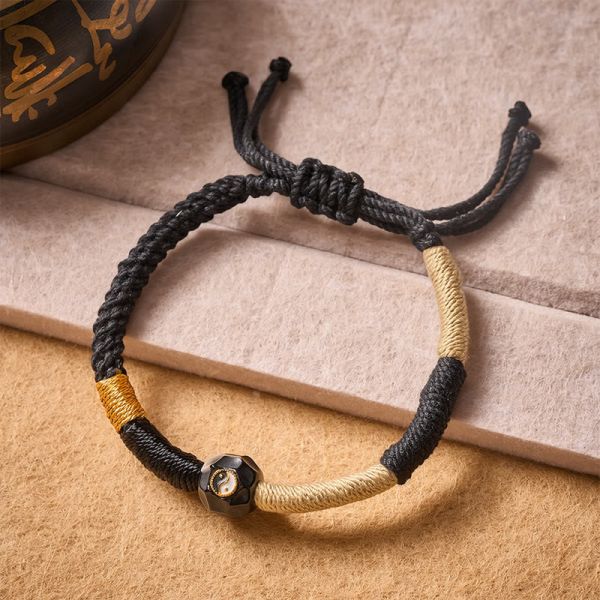 Buddha Stones Black and White Fire Agate String Balance BraceletSpecial Price $27.59 Regular Price $36.79