
Elastic Bracelet Guide: Daily Care and Cord Checks
Gaps between beads can become more noticeable as a bracelet’s elastic wears. This elastic bracelet guide explains how to put a piece on without unnecessary pulling, wipe it after wear, store it without tension, and recognize when its string needs replacement. It also separates elastic care from adjustable cord care, because those constructions need different handling.
At Buddha Stones, we suggest starting with the band type in the product specifications. A bracelet that adjusts through its cord should not be stretched open. An elastic style needs enough give to pass over your hand, but repeated pulling is not a useful way to check its condition.
Tools and Materials for Everyday Care
Set up over a clear surface before removing or inspecting your bracelet. A folded towel underneath can help contain beads if a worn string separates during handling. Good light makes small changes around bead holes and exposed cord easier to see.
- A clean, lint-free cloth: use it for routine wiping, with a separate dry section for finishing.
- A little plain water: reserve it for lightly dampening a cloth when dry wiping leaves surface residue. Do not prepare a soaking bath.
- A divided jewelry box or individual pouch: choose storage that lets the bracelet rest without pulling its string.
- A small container: keep loose beads or detached parts together if a repair becomes necessary.
Leave scissors, glue, and replacement string out of the daily care setup. Restringing is a separate job that requires checking bead holes, cord compatibility, and the closure method.
Your Elastic Bracelet Guide: A Step-by-Step Routine
- Check before putting it on. Hold the bracelet over your work surface and look at the exposed string, bead holes, and any visible knot. Look for fraying, cuts, a loose knot, or gaps that remain while the bracelet rests. Do not pull a hidden knot out of a bead to inspect it.
- Prepare your hands and wrist. Finish applying lotion or fragrance and let the surface dry before handling jewelry. Remove the bracelet before washing, showering, swimming, or tasks that expose it to cleaners. Keep a dish nearby so removal does not mean leaving it beside an open drain.
- Guide elastic over your hand. Bring your fingers together and gently roll the beads over your hand, supporting the strand as you go. Avoid hooking a finger into one spot and pulling the entire bracelet from there. If substantial force is needed, stop; elastic stretch does not make a size suitable for any hand or wrist.
- Handle adjustable cord separately. Open it through its intended adjustment before slipping it on, then adjust it without tugging individual beads. If the adjustment resists, stop and inspect for a caught strand. Do not assume an adjustable cord has the stretch of elastic string.
- Remove with support. Guide an elastic bracelet back over your hand instead of yanking it by a charm. With a wrap style, keep the loops from catching on one another. Open an adjustable cord before removal, and take jewelry off before bed to avoid catching it on bedding.
- Wipe and put away. Start with the dry cloth, supporting the beads while wiping their surfaces. If residue remains, use a barely damp section on the bead faces, keeping moisture away from string openings and metal details. Dry immediately, then leave the bracelet out until fully dry before closing its storage container.
Keep wiping gentle around charms and connections. If dirt is lodged near a knot or inside a bead hole, leave it for someone equipped to assess the construction. Probing with a needle can damage the string you are trying to maintain.
What Not to Do with a Beaded Bracelet
Do not stretch it as a habit. Twirling, snapping, or repeatedly pulling the strand adds strain without telling you how much service remains. Check its resting shape instead. Avoid hanging a bracelet from a hook where the beads keep weight on the string.
Do not use alcohol wipes, household cleaners, toothpaste, or abrasive polishing products as a general cleaning method. A bracelet can combine several materials, and a treatment suitable for one surface may be unsuitable for another. Skip ultrasonic and steam cleaning unless you have construction-specific instructions confirming suitability.
Keep the bracelet away from direct heat, including radiators and hot dashboards. Do not use a hair dryer to speed drying. When packing jewelry, give charms and strands their own space so they cannot snag neighboring pieces.
Do not add glue to a slipping knot while the bracelet is assembled. Adhesive choice and knot placement belong to a considered repair, not a quick surface fix.
When to Replace the String or Retire the Piece
There is no single replacement schedule for elastic bracelets. Wear frequency, handling, and storage vary. Inspect before wear and after any snag, and use visible condition to decide what happens next.
- Arrange restringing: elastic stays stretched, beads develop persistent gaps, string looks cut or frayed, or a visible knot begins to open.
- Request a cord assessment: an adjustable strand unravels, its adjustment repeatedly slips, or it no longer moves as intended.
- Set the bracelet aside: a bead has a sharp chip near its hole, a charm connection is open, or a component could cut the replacement string.
A broken string does not automatically mean the beads must be discarded. Gather the parts in a container and have their condition checked before restringing. Photograph the arrangement if you want to preserve it. Ask the repairer to assess the bead holes and fit rather than copying an unknown cord specification.
Retire the piece from wear if damaged components cannot be repaired or replaced suitably. Keeping it in a box is preferable to relying on a failing connection.
Products: Check the Construction Before Choosing
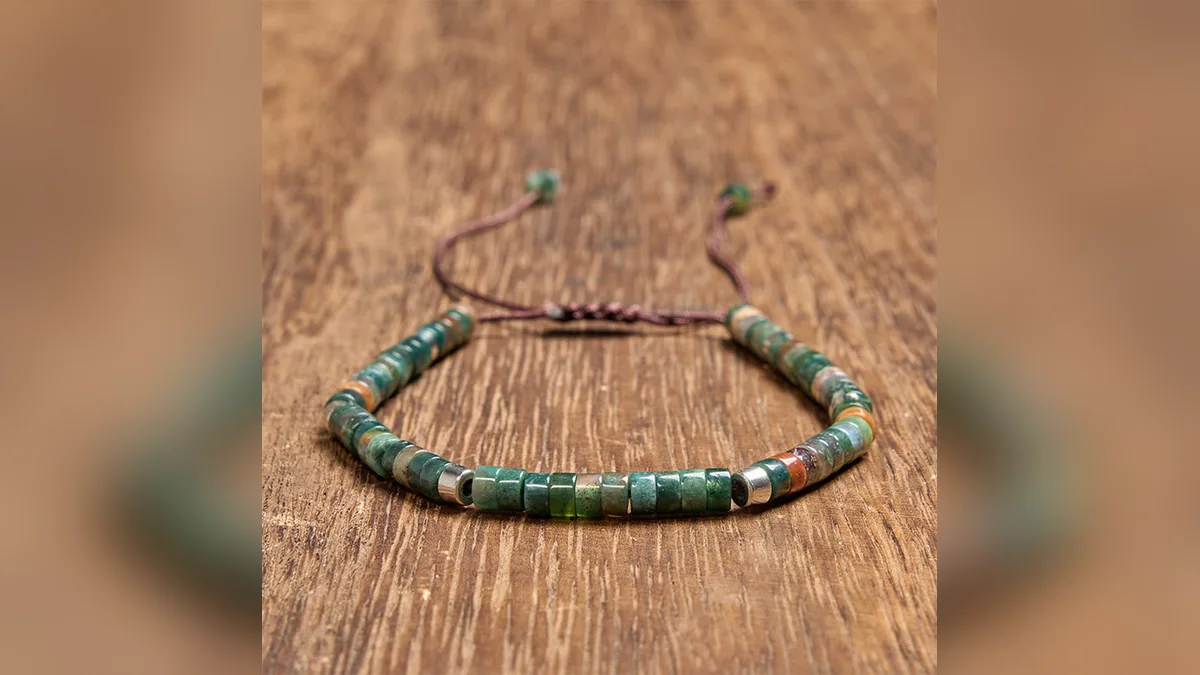
Our Natural Indian Agate Braided Balance Bead Bracelet uses Adjustable Cord and combines Indian Agate with Copper Alloy. Its wrist circumference specification is 6.3-6.7 in (16-17 cm). Use the cord adjustment for putting it on and taking it off.
The Black and White Fire Agate String Balance Bracelet also uses Adjustable Cord. Its materials are String and Black and White Fire Agate, and its wrist circumference specification is 5.9–8.2 in (15–21 cm). Check its cord adjustment rather than testing it for elastic recovery.
For an elastic construction, our Candy Agate Liuli Glass Bead Love Shell Butterfly Charm Bracelet uses Premium Elastic String. It combines Candy Agate, Liuli Glass Bead, and Copper Alloy. The bead size is Approx. 8mm; the wrist circumference specification is 5.9-6.3 in / 15-16cm.
The Candy Agate Gourd Charm Triple Wrap Harmony Bracelet uses Premium Elastic String with Candy Agate and Copper Alloy. Its bead size is 8mm, and its wrist circumference specification is 5.9–6.3 in (15–16 cm). Support the loops during handling instead of pulling from the charm.
Keep the Routine Simple and Consistent
Put your bracelet on with care, remove it before wet or demanding tasks, wipe away surface residue, and let it rest without tension. A brief inspection is more useful than repeated stretching. When string or components show damage, pause wear and arrange an assessment. Regular attention makes it easier to notice a change before loose beads need gathering.
Shop the story
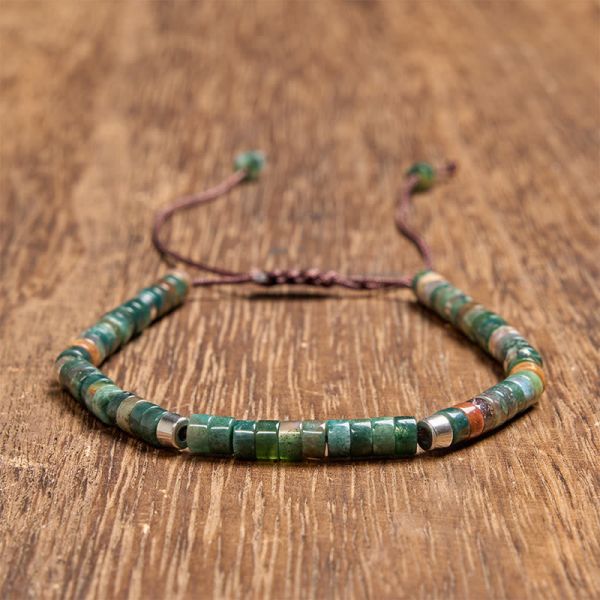 Buddha Stones Natural Indian Agate Braided Balance Bead BraceletSpecial Price $25.59 Regular Price $34.58
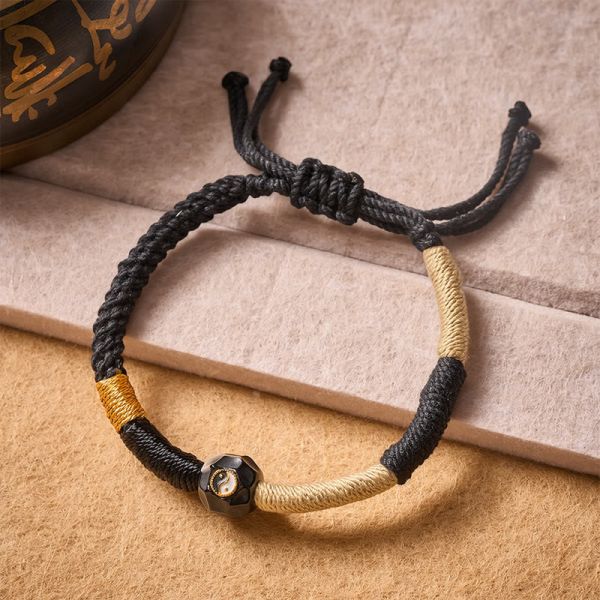 Buddha Stones Black and White Fire Agate String Balance BraceletSpecial Price $27.59 Regular Price $36.79
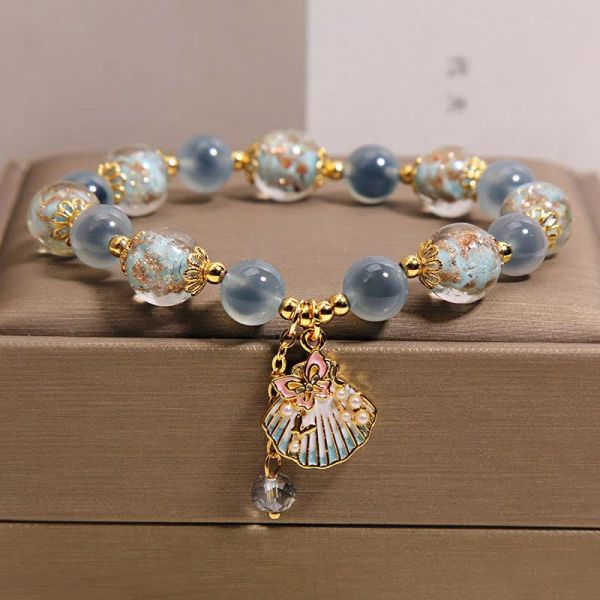 Buddha Stones Candy Agate Liuli Glass Bead Love Shell Butterfly Charm BraceletSpecial Price $26.59 Regular Price $35.93
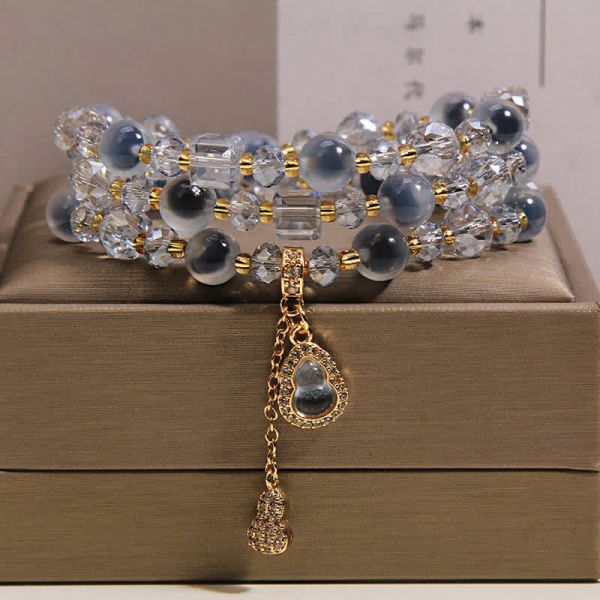 Buddha Stones Candy Agate Gourd Charm Triple Wrap Harmony BraceletSpecial Price $33.59 Regular Price $44.79