
Crane Symbolism: From a Woven Legend to Daily Dress
A crane became a woman and wove cloth behind a closed door. In the Japanese folktale known as The Crane Wife, she asked her husband never to watch her work. When he looked, he discovered a crane pulling out her own feathers for the loom. Across East Asian traditions, crane symbolism commonly expresses long life, fidelity, and good fortune, although meanings vary by setting. Luck, wealth, and protection belong to the language of traditional wishes; a crane motif cannot guarantee them.
The tale does not end with a permanent gift. Once her secret is discovered, the crane leaves. Versions differ, but the boundary around her weaving gives the story its force: a remarkable cloth carries a cost that its recipient has failed to see. The bird is more than a decorative shape.
That distinction matters when a crane appears on something you can wear or carry. A motif can hold a story, a ceremonial wish, or an association inherited from an older image. At Buddha Stones, we describe those connections as cultural meanings, while keeping the practical details of an accessory separate.
Crane Symbolism in Festive Gifts and Textile Traditions
The loom in the folktale offers a useful starting point for looking at real textiles. Across Chinese decorative arts, cranes appear on robes, embroidered panels, and woven fabrics. Their long necks and extended wings give artists a recognizable outline, even when the bird occupies only a small part of a repeating pattern.
A crane beside a pine tree traditionally expresses a wish for longevity. The pairing often belongs to birthday imagery, particularly gifts honoring elders. Here, the surrounding scene helps explain the bird: the enduring pine and the crane share a message about the passage of years. This is an expression of respect and hope, rather than a statement about what an object can do.
Japanese festive decoration gives the crane another familiar setting. Folded paper cranes appear in celebratory displays and gifts, including wedding settings, where the bird can express fidelity and wishes for a lasting marriage. The meaning comes from the occasion as well as the folded shape. A wedding crane and a birthday crane need not carry exactly the same emphasis.
Folding a paper crane also makes the image different from a bird woven into cloth. One is built from creases; the other becomes part of a textile pattern. Neither technique requires the viewer to know the folktale. Yet the story of the hidden loom offers another way to read the motif, with attention to the work involved in making an object.
It helps to leave room for these differences. A crane in a seasonal display, a bird paired with pine, and a crane among clouds may share associations without telling an identical story. Calling the bird simply a lucky symbol misses the occasion, neighboring motifs, and local tradition that give the image its particular meaning.
How the Crane Fits into Modern Jewelry
On jewelry, a crane has less space in which to tell its story. A pendant might show an open wing, while a small charm may rely on the curve of the neck. The full landscape disappears, leaving a few lines to identify the bird. That change in scale makes the pose especially noticeable.
You can approach such a design through its visible details before choosing an interpretation. Is the bird alone or paired? Are there clouds, flowers, or a tree? A pair may suggest companionship within a particular tradition, but it is better to look for context than assign every arrangement a fixed meaning.
For a gift, a short explanation can be more personal than a broad promise. A crane chosen for an anniversary can express a wish for many years together. For an elder’s birthday, it can acknowledge the traditional association with longevity. The giver is offering a sentiment through an image; the jewelry does not determine what happens next.
There is also room to choose a crane simply because you like its shape. Cultural understanding does not require you to adopt a belief. We find it useful to distinguish the historical association, the meaning a giver intends, and the visible design. They can overlap, but none has to stand in for the others.
Crane Motifs on Our Brocade Bags and Folding Fans
The crane also moves beyond jewelry into accessories with broader surfaces. On a bag or fan, a pattern has room for neighboring animals, plants, or clouds. Our product names and option labels help identify the available designs; materials, dimensions, and closures answer the separate question of how an accessory is constructed.
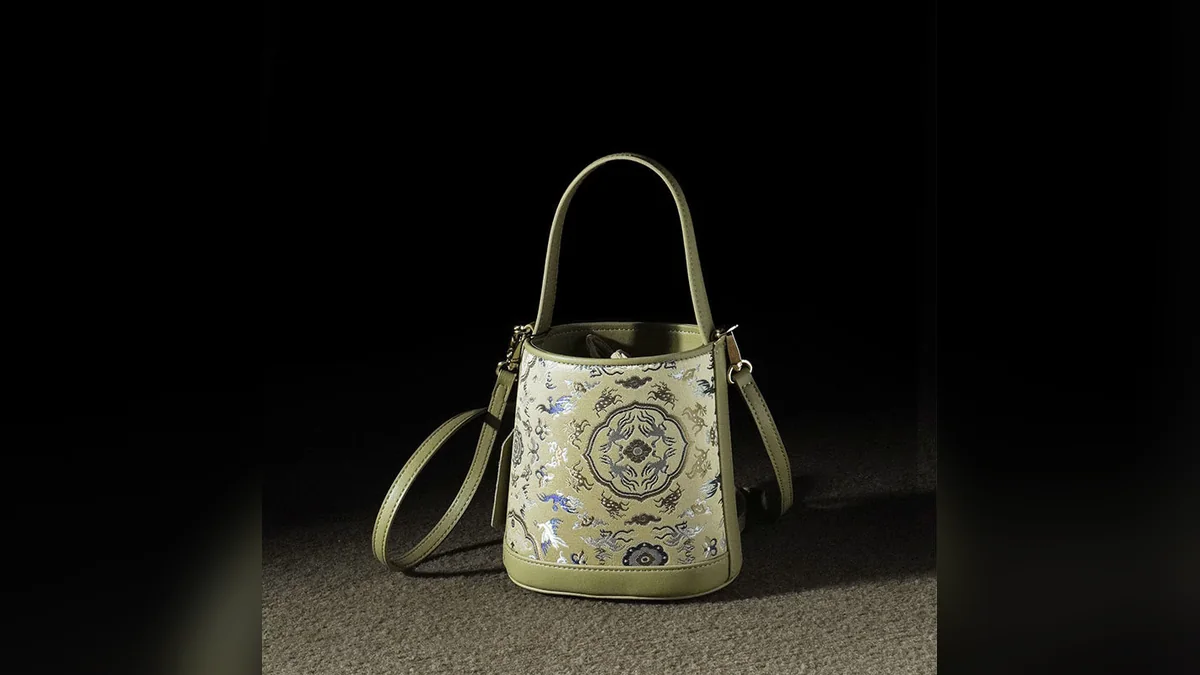
The Retro Crane Deer Song Brocade Crossbody Bag measures 15*10*16cm. Its materials are mulberry silk, Song brocade, cow split leather, and metal. It has a drawstring closure and an adjustable strap, with a strap length of 105cm. These details give a concrete basis for considering the bag alongside its crane and deer theme.
For a different size and closure, the Handmade Flower Crane Deer Butterfly Song Brocade Crossbody Bag measures 29*23*12cm and has a magnetic clasp. Its materials are mulberry silk, Song brocade, top-grain leather, and alloy metal. The adjustable strap has a length of 100cm. Choose the SteelBlue Crane Deer option if that is the motif you want; the other options are Black Butterfly and LightSkyBlue Deer Flowers.
The Vintage Cloud Crane Pattern Handheld Bamboo Folding Fan uses polyester and bamboo. Its folded length is 21cm, and its unfolding size is 38cm. Options include Cloud Crane Beige and Cloud Crane Brown, alongside Beige, Beige Black Bamboo, Dark Green, Khaki, Pink, and Sky Blue. Check the option name when selecting a cloud and crane design.
The Dragon Phoenix Tiger Crane Eagle Wolf Koi Fish Folding Fan includes Green Bamboo Crane and Reed Crane options among its designs. Made from cloth fabric and plastic, it has a folded length of 26cm, an unfolding size of 47cm, and a folded size of 26*3*2cm. The crane options give you a specific motif to select from a product with several animal themes.
Questions Behind the Crane Motif
Does a crane always mean longevity?
Longevity is a familiar meaning in Chinese decorative art, especially beside pine. Other settings may emphasize fidelity, good fortune, or a folktale. Read the surrounding image and occasion before settling on one interpretation.
Is the crane specifically a Buddhist symbol?
It is not exclusive to Buddhism. Cranes appear in Chinese and Japanese art, folklore, and other religious traditions. A crane on an accessory alone does not establish a specifically Buddhist meaning.
What does a crane-themed gift express?
It can express a traditional wish for long life or lasting companionship. A brief gift note can make your intention clear. As in the tale of the hidden loom, the story attached to the object gives the bird something more to say.
Shop the story
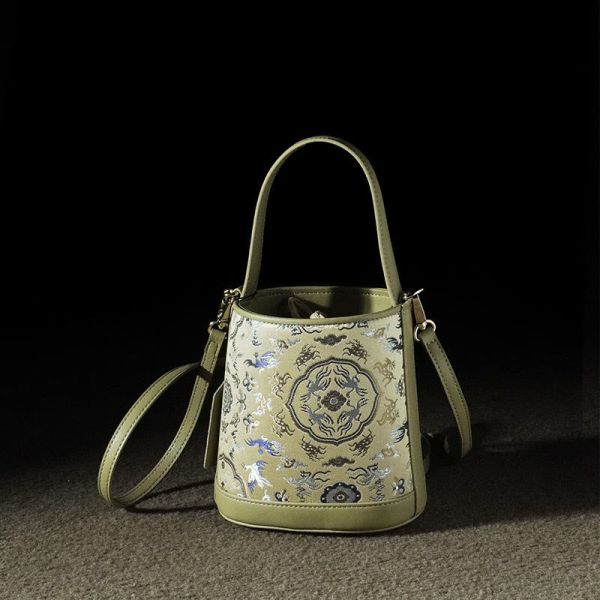 Buddha Stones Retro Crane Deer Song Brocade Crossbody Bag HangbagsSpecial Price $198.59 Regular Price $264.79
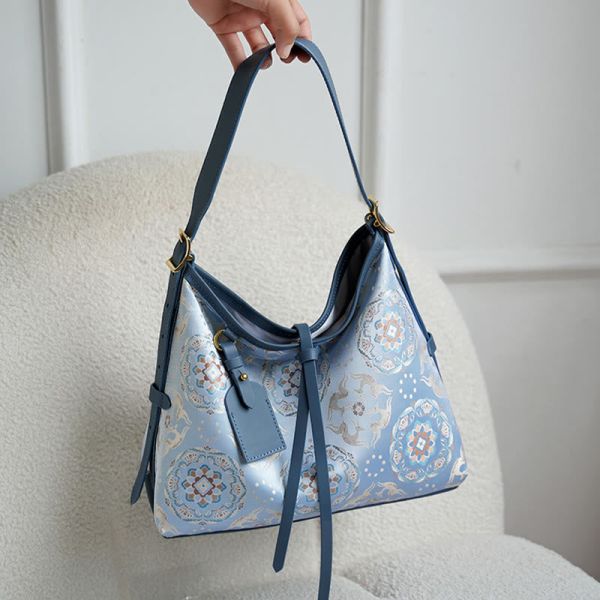 Buddha Stones Handmade Flower Crane Deer Butterfly Song Brocade Crossbody Bag HangbagsAs low as $459.59 Regular Price $629.58
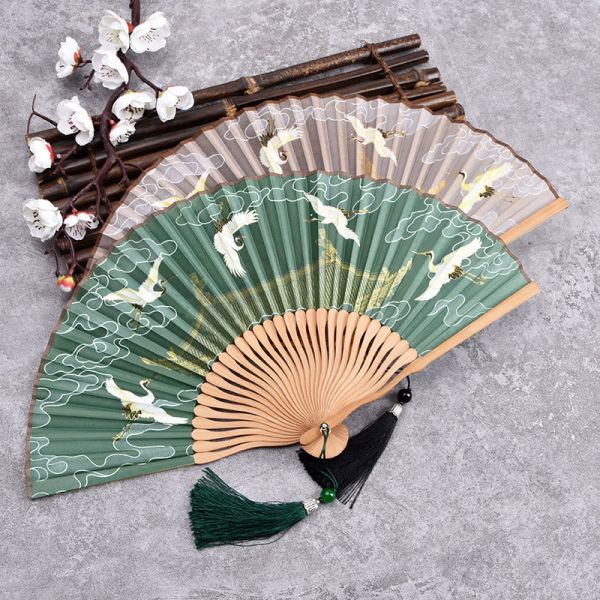 Buddha Stones Vintage Cloud Crane Pattern Handheld Bamboo Folding FanAs low as $18.59 Regular Price $24.79
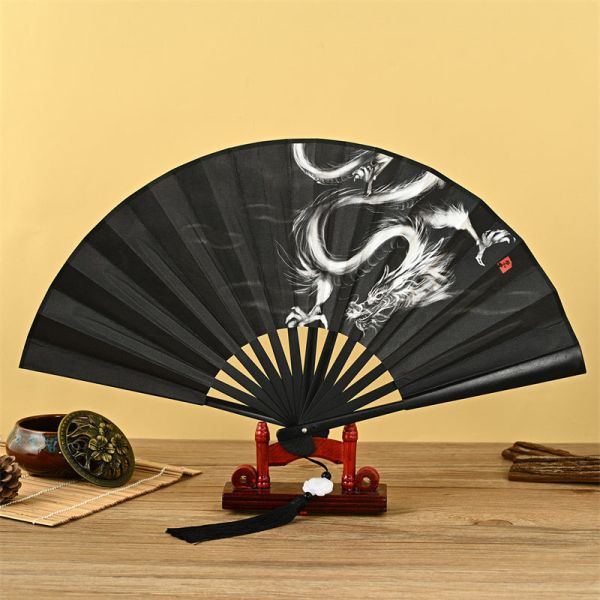 Buddha Stones Dragon Phoenix Tiger Crane Eagle Wolf Koi Fish Handheld Folding Fan Lotus Tassel FanAs low as $15.59 Regular Price $21.96