
Copper vs Silver Jewelry: How to Choose Your Finish
The material description is your first checkpoint. Choosing copper vs silver jewelry means separating the metal itself from its color, coating, and decorative names. Copper has a reddish-brown appearance when exposed, while silver has a white metallic appearance; plating can change what you see. This guide shows you how to read those distinctions, compare finishes, check bracelet fit, and choose an accessory combination you can maintain. At Buddha Stones, we recommend starting with the written specifications before using a photograph to judge appearance.
Step 1: Decode copper vs silver jewelry labels
Find the material field before comparing product names. Copper, silver, and gold plated copper describe different things. Copper identifies a metal; silver identifies another metal; gold plated copper identifies a copper base with a gold surface layer. A plated piece can therefore look quite different from the metal underneath.
For silver, look for an explicit material description. Sterling silver is an alloy containing 92.5 percent silver, but a silver-colored finish alone does not establish that composition. If the description only says metal, leave its precise composition unresolved. A color option called Silver is also a color choice unless the material specifications say otherwise.
Read gemstone names separately. Silver Sheen Obsidian names a stone and does not establish silver metal content. Make a short comparison note with three entries: the stated metal, any stated plating, and anything still unspecified. This keeps an attractive name from doing the work of a material label.
Step 2: Choose the visible finish you want to coordinate
Decide which appearance suits the clothing and accessories you plan to combine. Exposed copper offers a reddish tone, silver offers a white tone, and gold plating supplies a gold-colored surface. Use these as visual descriptions, without treating them as rules about who can wear a particular metal.
Compare photographs under similar lighting when possible. Warm lighting can make a white metal appear yellower, and reflections can hide small metal details among beads. Give the written finish description priority whenever the image leaves room for interpretation.
Choose one repeated detail to connect an outfit: a metal color, a bead color, or a simple shape. You can also mix metal colors deliberately. For example, let a bracelet supply one metal tone while a bag chain supplies another, then keep the remaining accessories visually quiet. Matching every visible metal is optional.
Step 3: Check fit and construction before deciding
Compare the published wrist circumference with your wrist measurement. Do not substitute bead size for fit information: bead size describes the beads, while wrist circumference addresses a different part of the selection. An adjustable cord and premium elastic string also offer different ways of putting on and securing a bracelet.
Read the band description alongside the size. Adjustable does not mean unlimited, and elastic string does not make a bracelet suitable for any wrist. Use the supplied circumference limits as your starting point. Our bracelet selection guide can help you organize those practical checks before choosing a design.
Consider how a bracelet will sit beside a watch, sleeve cuff, or bag handle. Avoid planning a crowded stack that puts metal details and beads into constant contact. If the specifications do not give weight, clasp dimensions, or another detail you need, do not estimate it from a photograph.
Step 4: Set realistic expectations for surface changes
Copper and silver can change appearance with exposure and use. Copper may darken and develop a patina; silver can tarnish. Neither observation tells you everything about a finished item, because coatings, alloy composition, and the surrounding materials also matter.
Decide whether you prefer a changing surface or want to preserve a particular finish. For plated jewelry, remember that the outer layer is a coating. Friction can wear plating over time, so avoid assuming that polishing will restore its original appearance.
Keep this decision practical. Check the care directions for the complete item before selecting a polishing product or method. A treatment intended for exposed metal may be unsuitable for a coating, cord, or neighboring gemstone. Do not choose a cleaning method solely because one component contains copper or silver.
Step 5: Compare a short list using the same criteria
Write down your preferred visible finish, required circumference, preferred band type, and willingness to maintain the surface. Compare those points in the same order for your remaining choices. This makes your material comparison a manageable selection process instead of a judgment based only on shine.
Keep symbolism separate from specifications. A traditional motif can be a reason you appreciate a design, but it cannot establish metal content, fit, or durability. When a necessary detail is absent, record it as unspecified and choose only when the available information meets your requirements.
Mistakes to avoid when comparing metal details
- Reading color as composition. Silver in a color option does not confirm silver metal.
- Overlooking plating. Gold plated copper has a coated surface; do not treat it as exposed copper when planning care.
- Ranking durability from the metal name alone. Construction and finish matter, so avoid declaring one finished item more durable without supporting details.
- Applying one care method to mixed materials. Check the complete item before polishing or soaking it.
- Assuming a symbolic name promises a result. Words such as Wealth express traditional wishes. They do not guarantee an outcome.
Products to compare by their stated specifications
These selections show why the material field matters. Use the bracelet details to compare copper and plated copper, and the bag specifications to distinguish a Silver option from a confirmed silver material.
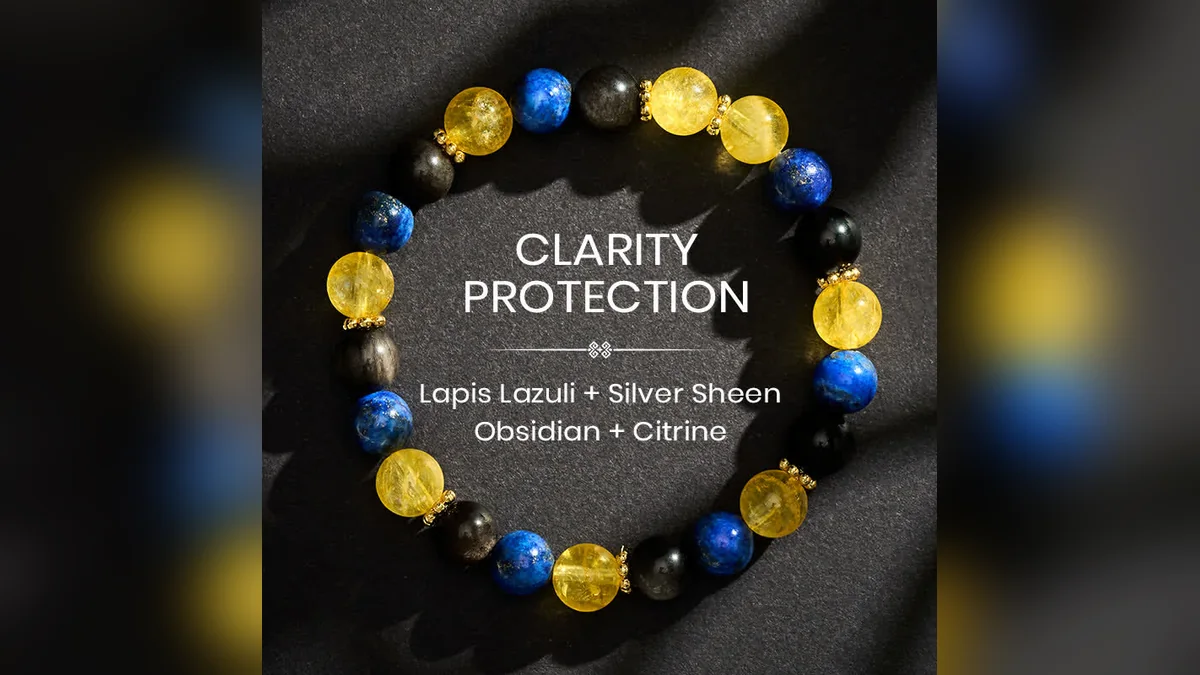
Lapis lazuli, silver sheen obsidian, and citrine bracelet
Our Lapis Lazuli Silver Sheen Obsidian Citrine Beads Serenity Bracelet combines lapis lazuli, silver sheen obsidian, citrine, and copper. It uses premium elastic string, with 8mm beads and a wrist circumference of 5.9–6.3 in (15–16 cm). The package contains one bracelet. Its natural materials may vary slightly in color, details, and overall appearance. For your comparison notes, copper is the stated metal; Silver Sheen belongs to the obsidian name.
Silver Lines bamboo handle crossbody bag
The Silver Lines Bamboo Handle Metal Chain Crossbody Bag has Silver 26*7*20cm and Yellow 26*7*20cm options. Materials are cotton, bamboo, metal, and metal chain, with polyester lining. Size is 26*7*20cm(Width*Height*Thickness); the metal chain strap length is 120cm/40cm. The strap is non-adjustable. A buckle closure, one main pocket, and one interior pocket complete the stated structure. Silver is an option name here; the metal specification does not identify silver.
White agate copper Pi Xiu bracelet
The White Agate Copper Pi Xiu Hand-Woven Bracelet comes in Black and Brown options. String, white agate, and copper are the stated materials. Its adjustable cord accompanies a wrist circumference of 5.9–7.5 in (15–19 cm), and the package contains one bracelet. White agate may vary slightly in color, details, and overall appearance. Compare its cord construction and circumference directly with your fit requirements.
Gold plated copper red agate Pi Xiu bracelet
The Gold Plated Copper Red Agate Pi Xiu Wealth Round Bead Bracelet uses red agate and gold plated copper. It has premium elastic string, 5mm beads, and a wrist circumference of 6.3–6.7 in (16–17 cm). One bracelet is included. The natural gemstone may show slight differences in color, details, and overall appearance. Wealth in its name refers to a traditional wish, with no promised financial result.
Make your choice from the material details
Start with the stated metal, then check finish, fit, and care requirements. Keep color names and symbolic language in their proper places. Your final choice should match the appearance you want and the specifications you can verify.
Shop the story
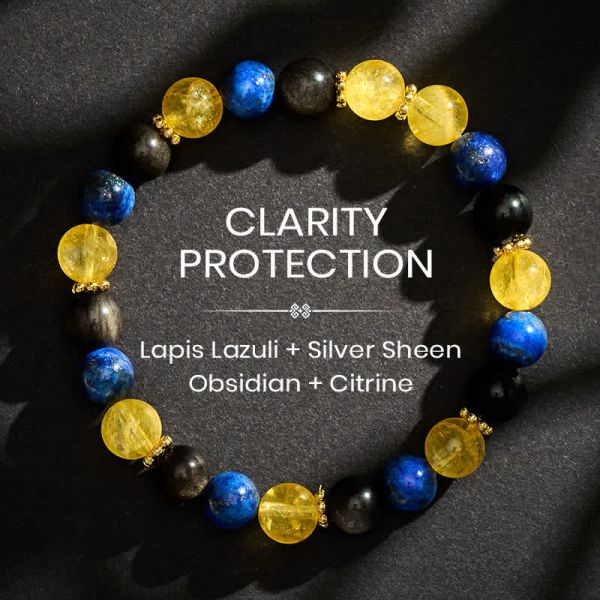 Buddha Stones Lapis Lazuli Silver Sheen Obsidian Citrine Beads Serenity BraceletSpecial Price $25.59 Regular Price $34.12
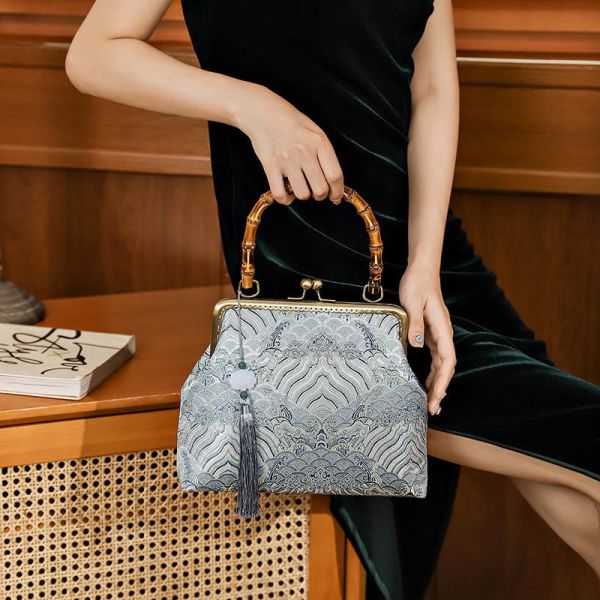 Buddha Stones Silver Lines Bamboo Handle Metal Chain Crossbody Bag HandbagsAs low as $55.59 Regular Price $74.12
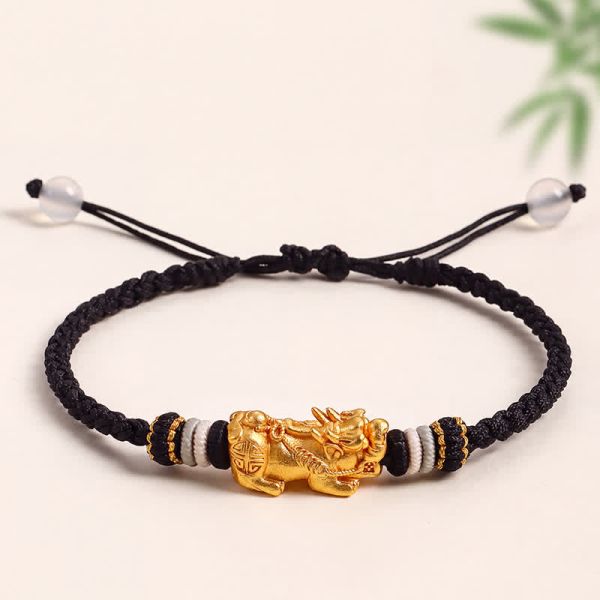 Buddha Stones White Agate Copper Pi Xiu Auspicioisness Hand-Woven BraceletAs low as $25.59 Regular Price $34.58
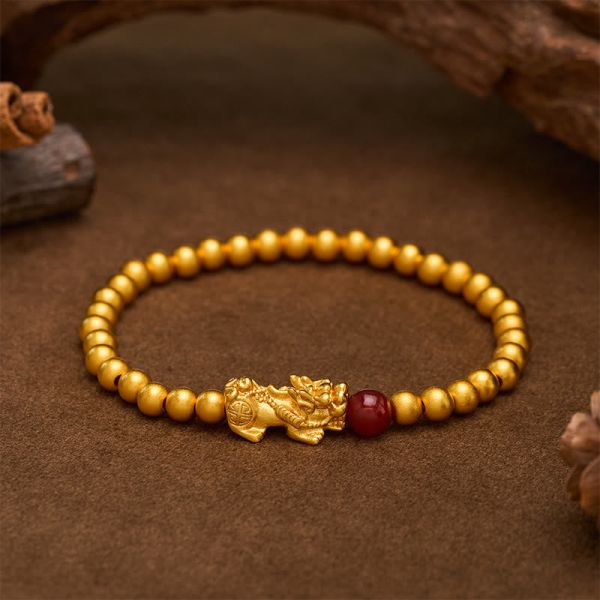 Buddha Stones Gold Plated Copper Red Agate Pi Xiu Wealth Round Bead BraceletSpecial Price $25.59 Regular Price $36.04